As a beginner, choosing your first yoga mat can be overwhelming. With so many options – thin vs. thick, rubber vs. PVC, textured vs. smooth – it's easy to pick the wrong one and end up slipping during downward dog or feeling every bump on the floor. This guide will help you understand the key factors to consider so you can buy a mat that supports your practice, aligns with your values, and fits your budget. By the end, you'll be ready to confidently select a mat that will serve you for years to come. Expect to spend about 10 minutes reading through these steps.
▸What You'll Need
- •Basic understanding of yoga styles you plan to practice (e.g., gentle Hatha, faster Vinyasa, hot yoga)
- •A budget range in mind (typically $20-$150 for beginners)
- •Consideration of where you'll practice most (home vs. studio vs. outdoor)
Estimated Time: 10-15 minutes to read and reflect
Difficulty: beginner
▸Step-by-Step Instructions
Step 1: Identify Your Primary Yoga Style
Your yoga style heavily influences mat choice. For gentle or restorative yoga (Hatha, Yin), a thicker mat (6mm-8mm) provides cushion for long holds. For dynamic or hot yoga (Vinyasa, Ashtanga, Bikram), you need a thinner mat (3mm-5mm) for stability and better grip, especially when sweaty. If you plan to mix styles, a medium-thickness mat (5mm-6mm) is a versatile choice.
Why it matters: A mat too thin for your practice can make poses uncomfortable, while a mat too thick can cause wobbling in balancing poses.
💡 Tips:
- •Start with a medium-thickness mat (5mm) if you're unsure.
- •For hot yoga, look for mats specifically labeled 'hot yoga' or 'sweat-resistant'.
⚠️ Warnings:
- •Avoid very thick mats (10mm+) if you do standing poses – they can feel unstable.
Step 2: Choose the Right Thickness for Your Body and Floors
Mats come in thicknesses from 1.5mm (travel mats) to 10mm (extra-thick). For most beginners, 5mm to 6mm is ideal – it offers enough cushion for knees and wrists without sacrificing stability. If you have sensitive joints or practice on hardwood/tile floors, go thicker (6mm-8mm). If you practice on carpet, a thinner mat (3mm-5mm) works fine.
Pro tip: Bring a tape measure or check product specs. Thickness is measured in millimeters; don't confuse it with 'gel' or 'cushion' marketing terms.
💡 Tips:
- •If you're tall (over 6 feet), look for an extra-long mat (72 inches or more) – they often come in the same thicknesses.
⚠️ Warnings:
- •Thicker mats are heavier and harder to carry to class – consider if you'll be commuting with your mat.
Step 3: Select the Best Material for Your Needs
Yoga mats are made from several materials, each with pros and cons.
- •PVC (polyvinyl chloride): Most common, durable, good grip, inexpensive. However, it's not eco-friendly and may have a strong 'new mat' smell.
- •TPE (thermoplastic elastomer): Recyclable, lightweight, good cushion – a balance of performance and eco-friendliness.
- •Natural rubber: Excellent grip, eco-friendly, biodegradable. But it's heavy, has a distinct odor (natural rubber smell), and may cause allergies in latex-sensitive people.
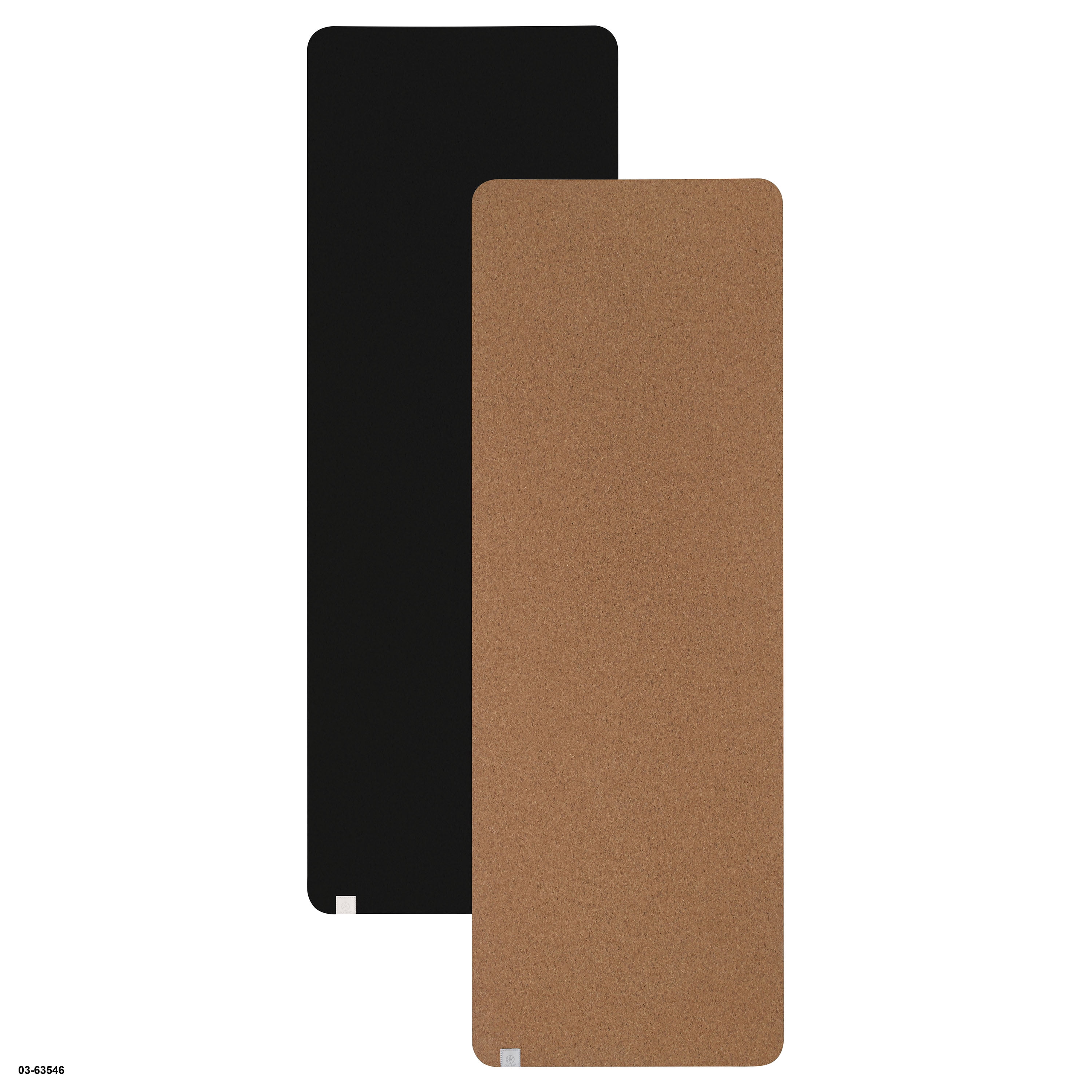
- •Cork: Antimicrobial, great grip when wet, eco-friendly. Less cushioned, often requires a thicker layer.
- •Jute or cotton: Eco-friendly but less grip, often used as a travel mat on top of a sticky mat.
Why it matters: Your mat's material affects grip, durability, weight, and environmental impact. For instance, if you sweat heavily, rubber or cork perform better than standard PVC.
💡 Tips:
- •If eco-friendliness is important, choose natural rubber, TPE, or jute – avoid PVC.
- •Test a rubber mat if you have latex allergies – some people react to natural rubber.
⚠️ Warnings:
- •Natural rubber mats can be slippery when wet initially, but break in over time – don't judge after one use.
Step 4: Evaluate Texture and Grip
Grip is critical for safety and performance. Most mats have either a smooth sticky surface (like standard PVC) or a textured pattern (like ridges, dots, or herringbone). Smooth sticky mats work well for most practices but can get slippery with sweat. Textured mats provide extra traction, especially for hands and feet in sweaty conditions.
How to assess: Look for mats with raised patterns or 'open cell' surfaces that absorb moisture (e.g., rubber mats). For beginners, a mat with moderate texture is forgiving – too much grip can restrict sliding in transitions; too little can cause slipping.
💡 Tips:
- •If you're practicing hot yoga, choose a mat with an open-cell surface or a dedicated hot yoga mat with a towel-like top layer.
⚠️ Warnings:
- •Avoid mats with very aggressive texture if you have sensitive skin – they can cause friction burns.
Step 5: Check Size: Length and Width
Standard yoga mats are 68 inches long and 24 inches wide. If you're taller than 5'8", consider a long mat (72 or 74 inches) to avoid hands or feet hanging off. If you have a broader build or like more lateral space, look for a wide mat (26 or 28 inches). Many brands offer extra-long and extra-wide versions.
Why it matters: A mat that's too short forces you to readjust constantly, disrupting your flow. Too narrow can feel cramped.
💡 Tips:
- •Measure your height plus a few inches – if you're 6 feet, a 72-inch mat is best.
⚠️ Warnings:
- •Oversized mats are heavier and may not fit in standard yoga mat bags – check bag dimensions if you'll travel.
Step 6: Set a Realistic Budget
Yoga mat prices range from $10 to $150+. For a beginner, spending $20 to $60 buys a quality mat that will last a year or two. Here's what to expect:
- •Under $20: Basic PVC mats, often thin and with a chemical smell, but fine for occasional use.
- •$20-$50: Better PVC, TPE, or mixed material mats with decent thickness and grip – best for most beginners.
- •$50-$100: Premium PVC (e.g., Manduka PRO), natural rubber (e.g., Jade Harmony), or cork – durable and high performance.
- •$100+: Designer mats or specialty mats (like Liforme with alignment markers).
Pro tip: You don't need an expensive mat to start. A mid-range mat ($30-$50) is perfect to learn without a big investment.
💡 Tips:
- •Look for sales or starter kits (mat + strap + block) to save money as a beginner.
⚠️ Warnings:
- •Avoid the cheapest mats from unknown brands – they may wear out quickly or have poor grip that frustrates practice.
Step 7: Consider Portability and Storage
If you carry your mat to a studio, weight and rolling size matter. Lightweight mats (under 5 lbs) are easy to carry with a strap. Heavy mats (over 7 lbs) are stable but cumbersome. Also check the rolled diameter – some thick mats don't fit in standard bags.
Home users: You can get a heavier, thicker mat without portability concerns.
Why it matters: A mat you hate to carry is a mat you may leave behind.
💡 Tips:
- •If you commute by bike or foot, a foldable or extra-light travel mat (1-2 lbs) might be worth it.
- •Consider a mat bag with shoulder strap for heavy mats.
⚠️ Warnings:
- •Don't store your mat in direct sunlight or hot car – it can degrade rubber and PVC quickly.
Step 8: Read Reviews and Test When Possible
Before buying, read customer reviews on grip, durability, and off-gassing. Pay attention to comments about slipperiness, smell, and how it holds up after months of use. If you can, visit a local store to unroll and feel different mats in person.
Why it matters: Specs only tell part of the story – real-world feedback reveals if a mat is truly non-slip, if it absorbs moisture, or if it starts to peel.
💡 Tips:
- •Filter reviews by 'verified purchase' and look for reviews from users with similar practice style/body type.
⚠️ Warnings:
- •Be wary of overly positive reviews from brand ambassadors; look for balanced feedback.
▸Pro Tips
- •If you practice hot yoga, invest in a mat towel over a cheap mat, or buy a dedicated hot yoga mat with a moisture-absorbing surface.
- •Natural rubber mats need to be 'broken in' – clean them with salt water to remove initial slipperiness.
- •Store your mat rolled loosely (not tightly) to prevent permanent creases and to prolong its life.
- •Use a gentle mat cleaner after each use to prevent bacteria buildup and maintain grip – avoid harsh chemicals that degrade the material.
- •If you're on a tight budget, consider a yoga mat blanket or rug for extra cushion on a thin mat.
- •Don't confuse 'non-slip' with 'sticky' – some mats are non-slip when dry but slippery when wet; check reviews accordingly.
- •For beginners, a mat with alignment lines can help with hand and foot placement, speeding up learning.
▸Common Mistakes to Avoid
- •Buying a mat that's too thin (3mm or less) without realizing how uncomfortable it will be for knees and wrists in kneeling poses.
- •Choosing a mat solely based on color or aesthetics, ignoring grip and material performance.
- •Not considering allergies – for example, buying a natural rubber mat if you're latex-sensitive, or a strong-smelling PVC mat if you have a sensitive nose.
- •Picking a mat that's too heavy to carry if you plan to attend studio classes – you'll end up leaving it at home.
- •Assuming all mats are the same size – failing to check dimensions can result in a mat that's too short or narrow.
▸Troubleshooting
Problem: My mat is too slippery.
Solution: Clean the mat with a mild soap and water, or try a saltwater spray to break in. For rubber mats, a mixture of 1 part vinegar to 3 parts water can improve grip. If still slippery, consider using a mat towel or upgrading to a mat with an open-cell surface.
Problem: My mat has a strong chemical smell.
Solution: PVC mats often off-gas. Unroll the mat and let it air out in a ventilated area for a few days. You can also wipe it with a mild vinegar solution. If the smell persists, consider returning it and opting for a natural rubber or TPE mat.
Problem: My mat won't lie flat; the edges curl up.
Solution: This usually happens with new mats from tight rolling. Roll the mat in the opposite direction and leave it for a few hours. You can also place heavy books on the edges for a day. If it persists, the mat may be defective or poor quality.
Problem: My mat develops deep indentations from my feet and hands.
Solution: Indentations are normal for thicker, softer mats, especially after long holds. Choose a mat with higher density foam (like Manduka PRO) that resists compression. You can also rotate your mat usage to let the foam recover.
Manduka PRO Yoga Mat
Excellent durability and cushion; made of dense PVC that resists indentations. Lifetime guarantee makes it a good investment for serious beginners.
Best for: Best for practitioners of all styles, especially those who want a long-lasting mat for home or studio.
Price Range: $100-$130
Liforme Original Yoga Mat
Features an alignment guide system with markings for hands and feet. Excellent grip even when wet, made from eco-friendly natural rubber.
Best for: Ideal for beginners who want help with alignment and for those practicing hot yoga or dynamic Vinyasa.
Price Range: $140-$160
Gaiam Essentials Thick Yoga Mat
Affordable 6mm thick mat with good cushion for joints. Non-slip texture on both sides. Great value for budget-conscious beginners.
Best for: Perfect for gentle yoga, floor exercises, and beginners who want a reliable mat under $30.
Price Range: $20-$30
Jade Harmony Professional Yoga Mat
Made from natural tree rubber with open-cell construction for exceptional grip. Eco-friendly and durable, with a 3/16 inch (5mm) thickness.
Best for: Excellent for hot yoga or sweaty practices due to its moisture-absorbing surface. Also a great eco-conscious choice.
Price Range: $80-$90
Hugger Mugger Para Rubber Mat
Made from natural rubber with a soft, dense feel. Comes in two textures: smooth on one side, textured on the other. 5.5mm thick.
Best for: Versatile mat suitable for most yoga styles. The reversible design lets you choose your preferred grip level.
Price Range: $60-$70