If you're a beginner violinist, you've probably noticed that holding the violin can feel awkward or even painful. A shoulder rest bridges the gap between your shoulder and the instrument, providing comfort, stability, and proper posture. But with so many types—foam, wood, plastic, adjustable—it's easy to feel overwhelmed. This guide will walk you through the different types of shoulder rests, how they affect playing, and exactly what to look for to ensure a perfect fit. By the end, you'll know how to choose a shoulder rest that keeps you comfortable and helps you play better.
▸What You'll Need
- •Your violin (and case if possible)
- •A mirror or video camera to check posture
- •A friend or teacher to help assess fit
- •Access to a music store or Amazon to try/test different models
- •Towel or cloth to protect violin finish during testing
Estimated Time: 30–45 minutes (including research and testing)
Difficulty: beginner
▸Step-by-Step Instructions
Step 1: Understand Your Body and Playing Style
Before you even look at a shoulder rest, observe how you naturally hold the violin. Stand in front of a mirror with your violin (no shoulder rest yet). Place the chinrest against your jaw and let the violin rest on your collarbone. Note where the instrument touches your shoulder and at what angle. Do you have a long neck or a short neck? Are your shoulders sloped or square? These factors determine the height and curve you'll need. A long neck typically requires a taller rest, while a short neck needs a low-profile one.
💡 Tips:
- •Try playing without a shoulder rest for a minute—does the violin slip or feel unsupported?
- •Ask a teacher to evaluate your posture and shoulder shape.
⚠️ Warnings:
- •Don't force the violin into a position that strains your neck or shoulder.
Step 2: Learn the Four Main Types of Shoulder Rests
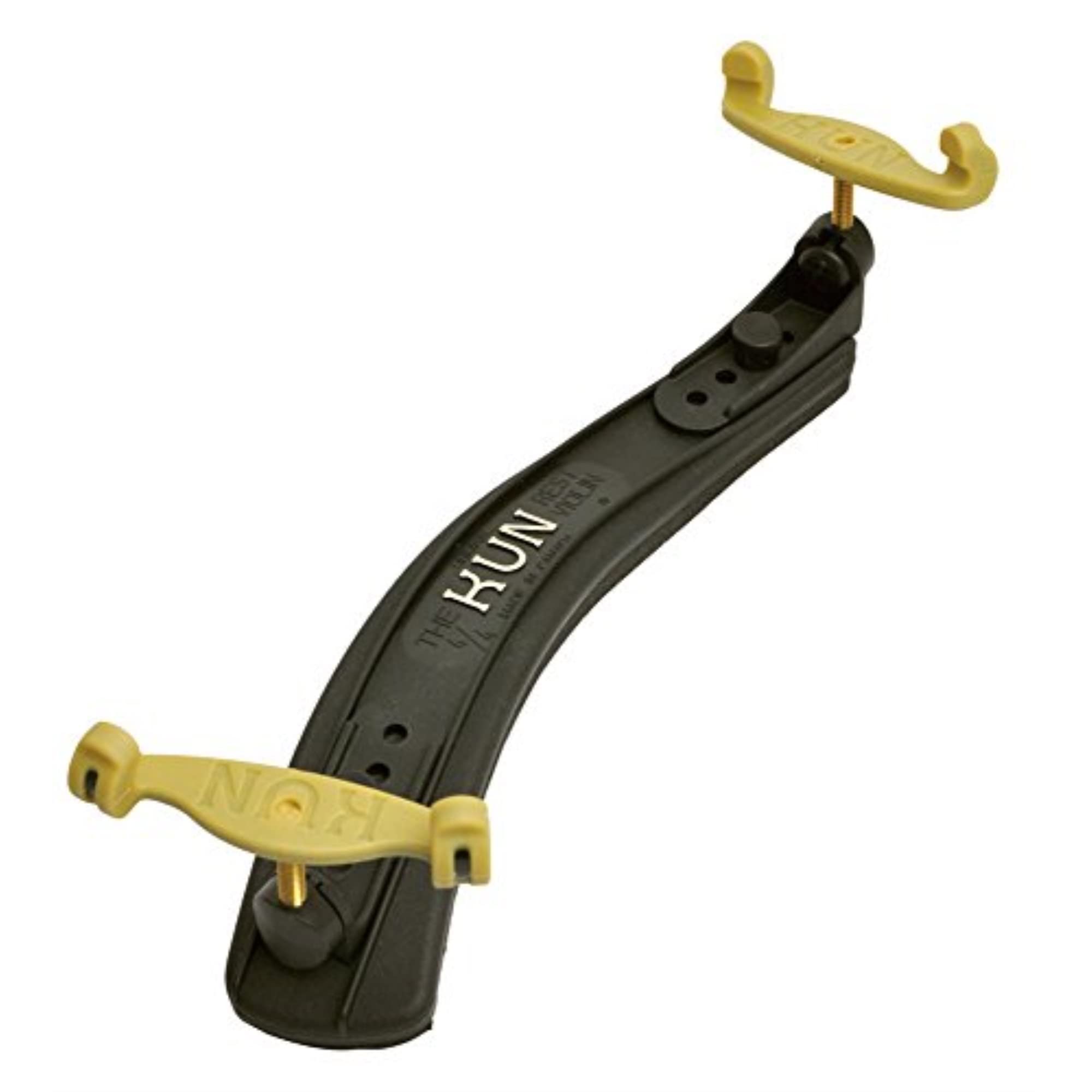
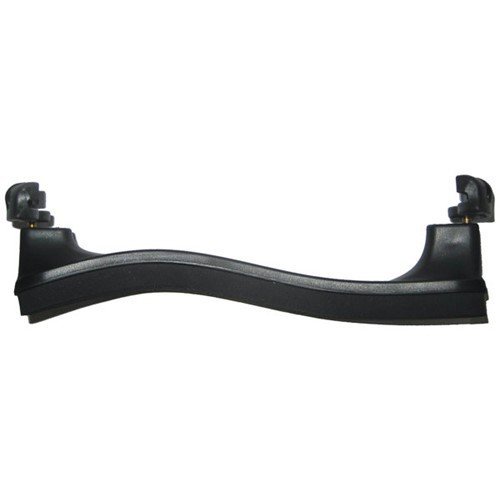
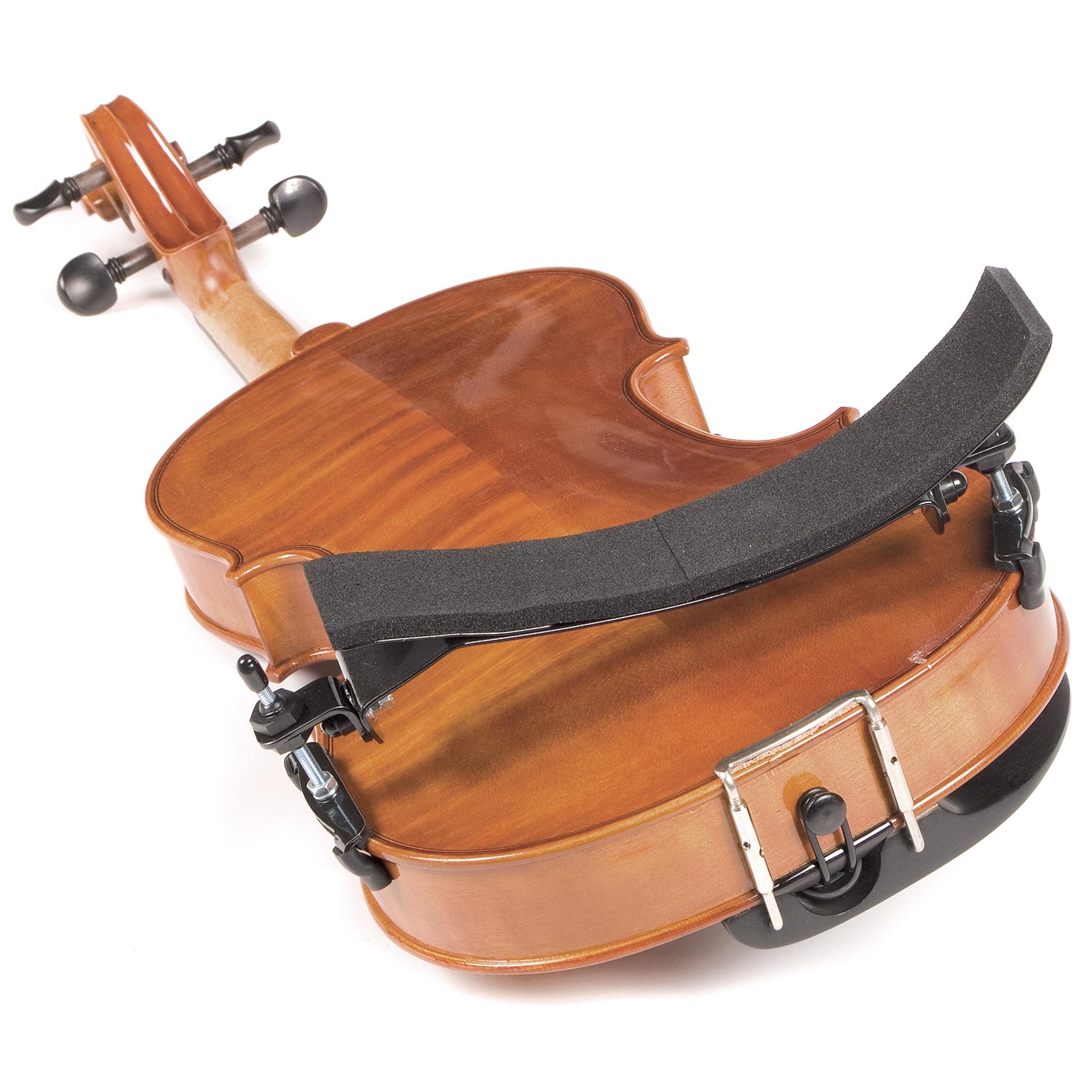
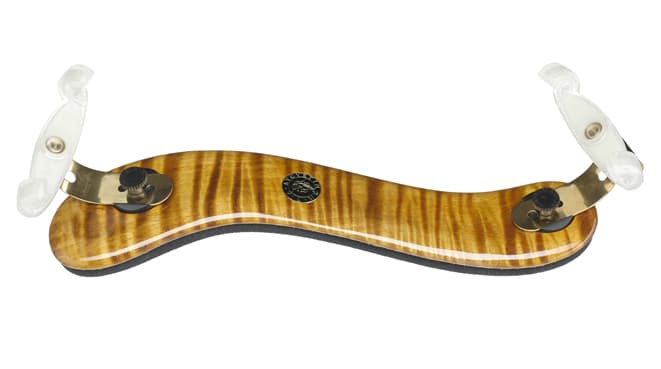
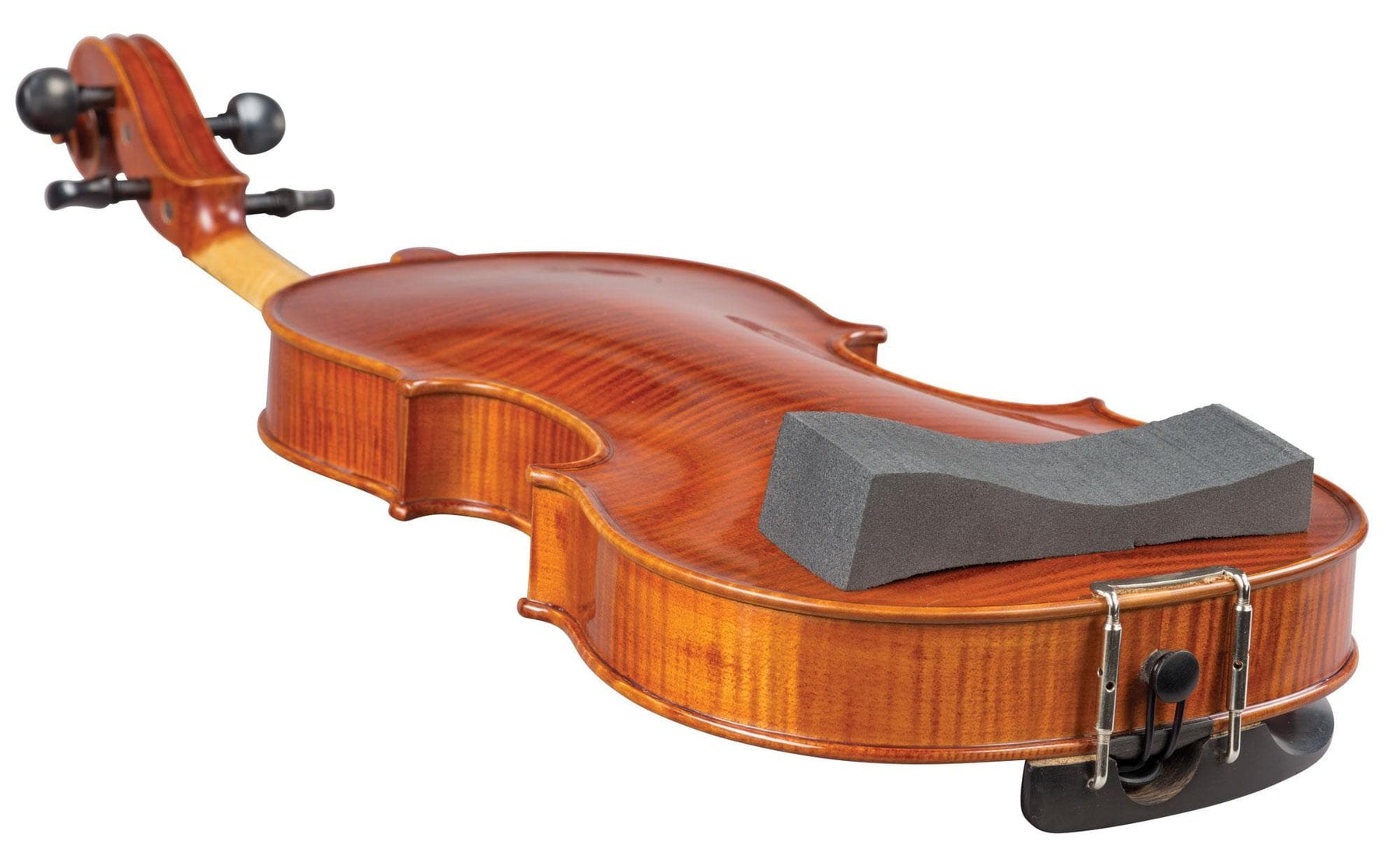
Shoulder rests fall into four categories: foam, plastic/adjustable, wood, and magnetic (less common). Foam rests are soft, lightweight, and often stick directly to the violin's back with adhesive—they are inexpensive but may not provide enough height. Plastic adjustable rests (e.g., Kun, Everest) are the most popular: they have adjustable feet and height to fit different body types. Wood rests (e.g., Bon Musica) offer a firm, contoured base that can be shaped, but they are heavier and pricier. Magnetic rests use magnets to attach and detach quickly, but they require a metal plate on your violin. Beginners usually start with a plastic adjustable rest for its versatility.
💡 Tips:
- •Plastic adjustable rests are the best starting point for most beginners.
- •Try a foam rest if you want minimal bulk and a low profile.
⚠️ Warnings:
- •Some foam rests use adhesive that can leave residue on your violin's finish.
Step 3: Check Fit with Your Violin and Chinrest
A shoulder rest must pair well with your chinrest. Bring your violin to the store or test at home. Place the rest on the violin—the feet should grip the edges of the instrument securely without slipping. The rest should not touch the back of the violin anywhere except the feet; it should arch over the back. The chinrest and shoulder rest should work together to hold the violin level. If the chinrest is too high, you may need a shorter shoulder rest, and vice versa. Also, ensure the rest's feet don't block the soundpost area (the small post inside the violin near the bridge) as this can dampen sound.
💡 Tips:
- •Most adjustable rests come with two different foot sizes; choose the one that fits your violin's edges best.
- •Check that the feet have rubber grips to prevent scratching.
⚠️ Warnings:
- •Never force a shoulder rest onto the violin—a tight fit can crack the instrument's ribs.
Step 4: Adjust Height and Angle for Comfort
Once the rest is mounted, put the violin on your shoulder without gripping it with your hand. The violin should stay in place without tilting. If it tilts downward, the rest is too low; if it forces your head up, it's too high. Adjust the height using the rest's mechanism (usually a turnbuckle or slider). Also, some rests allow you to change the angle of the feet—angle them to match your shoulder slope. A good test: close your eyes and lift the violin to playing position. It should feel natural and require minimal effort.
💡 Tips:
- •Make small adjustments (1-2 mm at a time) and test each change.
- •Use a tuner or metronome to see if your bow arm feels free after adjustments.
⚠️ Warnings:
- •Overtightening the adjustment mechanism can strip the threads or break the rest.
Step 5: Test Playability and Sound
After setting the fit, play simple scales or open strings for a few minutes. Pay attention to how the instrument feels. Is the left hand free to move? Does the shoulder rest stay in place? Also, listen to the sound—a shoulder rest can affect resonance. Generally, the less material touching the violin, the better the sound. Adjustable plastic rests often have minimal contact, so sound is usually good. Wood rests can be more dampening. If the sound becomes muffled or 'stuffy,' try a different foot position or a different rest.
💡 Tips:
- •Ask a friend or teacher to listen while you play to get an objective opinion.
- •Record yourself playing with and without the rest for comparison.
⚠️ Warnings:
- •Don't assume a more expensive rest always sounds better—fit and material both matter.
Step 6: Finalize Your Choice and Purchase
Once you've found a comfortable, stable fit with good sound, make your purchase. Consider durability: rubber feet wear out over time and can be replaced. Some brands sell replacement feet. If you're between two models, read online reviews from verified buyers, especially regarding build quality and longevity. Also, think about portability—foam rests are lightest, while wood rests are heavier. For beginners, a mid-priced adjustable plastic rest (like the Kun Original or Everest) is a safe bet.
💡 Tips:
- •Check return policies—some stores allow you to test at home for a few days.
- •Buy from a reputable music store or Amazon seller with good ratings.
⚠️ Warnings:
- •Avoid ultra-cheap no-name brands—they may break quickly or damage your instrument.
▸Pro Tips
- •If your shoulder rest keeps slipping, try cleaning the rubber feet with a damp cloth to remove dust.
- •For very high or very low chinrests, you may need a shoulder rest with a wide height adjustment range.
- •Some players prefer to use a small piece of suede or chamois between the shoulder rest and clothing to reduce slipping.
- •When traveling, remove the shoulder rest to avoid bending the feet or damaging the violin case lining.
- •Experiment with different foot placements—sometimes moving the feet slightly forward or backward changes the feel dramatically.
- •If you have collarbone or shoulder pain, consider a shoulder rest with a curved or padded contact area.
▸Common Mistakes to Avoid
- •Choosing a shoulder rest based solely on price or looks without considering fit.
- •Setting the rest too high, causing the violin to tilt up and forcing the player to tilt their head down.
- •Ignoring the chinrest-shoulder rest relationship—a mismatched pair can cause neck strain.
- •Overtightening the feet, which can damage the violin's ribs or cause the rest to slip anyway.
- •Buying a shoulder rest without testing it on your specific violin model.
▸Troubleshooting
Problem: Shoulder rest feet won't stay attached to the violin.
Solution: Check if the feet are the correct size for your violin's edges. Clean the rubber with alcohol wipe. If still loose, replace the feet or consider a different rest.
Problem: Violin tilts forward (toward the fingerboard).
Solution: The shoulder rest may be too low on the front side. Adjust the front foot height upward or use a wedge under the front foot.
Problem: Feels like the violin is pressing into your collarbone painfully.
Solution: Your shoulder rest may be too low overall, or the contact surface is too hard. Try a padded model or a higher adjustment.
Problem: Shoulder rest squeaks or makes noise when you move.
Solution: Tighten all screws and check for loose parts. Apply a tiny drop of silicone lubricant to metal hinges if necessary.
Kun Original Shoulder Rest
The most popular beginner shoulder rest: lightweight, adjustable height and feet, durable. Fits most violins and players.
Best for: Ideal for beginners and intermediate players looking for a reliable, standard rest.
Price Range: $45–$60
Everest Shoulder Rest
Offers a wider adjustment range and memory foam padding for extra comfort. Good for players with longer necks.
Best for: Best for those who need more height or have collarbone sensitivity.
Price Range: $40–$55
Bon Musica Shoulder Rest
A contoured wooden rest that can be bent to exactly fit your shoulder shape. Provides maximum stability.
Best for: Great for advanced players or those with very sloping shoulders who need a custom fit.
Price Range: $70–$90
Viva La Musica Violin Shoulder Rest
Affordable adjustable plastic rest with good build quality. Great budget option for beginners.
Best for: Entry-level players who want a reliable rest without spending much.
Price Range: $15–$25
Xeros Violin Shoulder Rest
Innovative magnetic system allows quick attachment/detachment. Includes metal plate that remains on the violin.
Best for: Ideal for players who prefer not to adjust straps or feet, or who frequently switch instruments.
Price Range: $50–$70