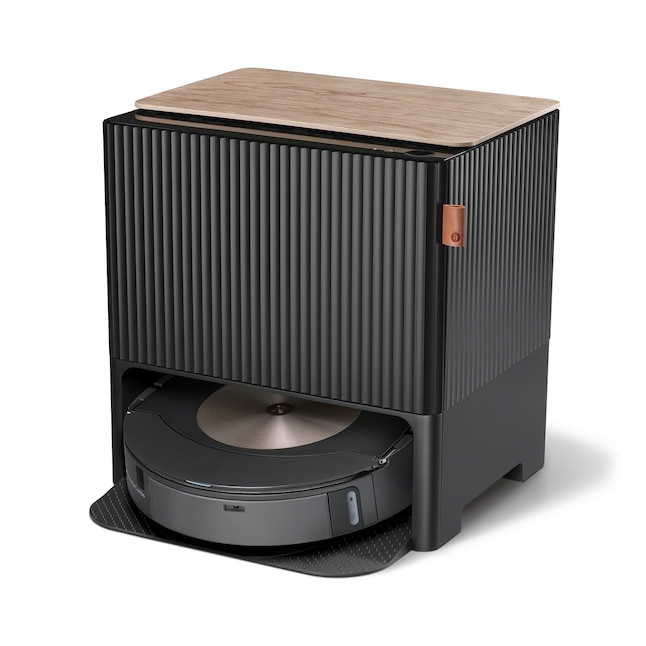
If you share your home with a furry friend, you know that pet hair can feel like a never-ending battle. Vacuuming daily is exhausting, but robot vacuums promise to handle the chore automatically. However, not all robot vacuums are created equal when it comes to pet hair. Many get tangled, miss hair on carpets, or lack the suction power to pick up embedded fur. This guide will walk you through the essential features to consider—from suction power and brush design to navigation and maintenance—so you can confidently choose a robot vacuum that tackles pet hair effectively. By the end, you'll know exactly what to look for and which models are worth your money.
▸What You'll Need
- •A list of priorities (floor type, pet type, home size)
- •Budget range ($200–$1,000+)
- •Basic understanding of vacuum specifications (suction power, brush types, filter types)
- •Optional: smart home compatibility (Alexa, Google Assistant) if desired
Estimated Time: 15–20 minutes
Difficulty: beginner
▸Step-by-Step Instructions
Step 1: Understand Suction Power and Airflow
Pet hair requires strong suction, especially on carpets where hair gets embedded. Look for advertised suction power measured in Pascals (Pa). Entry-level models offer around 2,000–2,500 Pa, while high-end models exceed 4,000 Pa. However, suction alone isn’t everything—airflow and brush design also matter. For example, the iRobot Roomba j7+ has about 1,700 Pa but uses a patented three-stage cleaning system that effectively agitates and lifts pet hair. On the other hand, Roborock models like the S8 Pro Ultra offer up to 6,000 Pa for deep carpet cleaning. Bottom line: If you have mostly hard floors, 2,000–3,000 Pa is sufficient; for medium-pile or high-pile carpets, aim for 4,000+ Pa.
💡 Tips:
- •Check if the vacuum has adjustable suction levels for different floor types.
- •Look for edge-sweeping brushes that push hair into the main brush path.
⚠️ Warnings:
- •Extremely high suction may not be necessary for all homes; it can also increase noise and reduce battery life.
Step 2: Evaluate Brush Design – Tangle-Free Is Key
Pet hair loves to wrap around brushrolls, leading to frequent cleaning and reduced performance. Look for models with tangle-free brush designs. Many newer robot vacuums, like the Shark AV911S EZ Self-Cleaning, use a dual rubber brushroll system that resists hair tangling. Similarly, the iRobot Roomba j7+ features rubber extractors that are easier to clean and less prone to hair wrap. Some models also include anti-tangle technology in the side brushes. For long-haired pets or heavy shedding, a brushroll that can be removed and cleaned without tools is a huge time-saver.
💡 Tips:
- •Consider models with a wide brushroll that covers more surface area per pass.
- •If you have both carpets and hard floors, look for a brushroll that can handle both (e.g., bristle and rubber combo).
⚠️ Warnings:
- •Avoid models with traditional bristle brushrolls if you have long-haired pets; they will tangle badly.
Step 3: Check the Filter System – HEPA for Allergens
Pet dander and dust are common allergens. A HEPA filter captures 99.97% of particles as small as 0.3 microns, including pet dander. Most robot vacuums offer a washable foam or felt filter, but true HEPA filtration is more effective for allergy sufferers. Models like the Roborock S8 Pro Ultra (with high-efficiency filter) and the iRobot Roomba j7+ with its Advanced Filter System are good choices. Some robots also seal the bin to prevent dust from escaping during emptying, which is helpful if you have allergies. Note: Washable filters are more eco-friendly but need regular rinsing.
💡 Tips:
- •If you or family members have allergies, prioritize a model with a HEPA filter.
- •Check if replacement filters are easy to find and reasonably priced.
⚠️ Warnings:
- •Non-sealed bins can leak dust back into the air when emptying; look for a dual-motor or sealed system.
Step 4: Examine the Bin Capacity and Self-Emptying Options
Pet hair takes up volume quickly. A larger bin means less frequent emptying. Standard bins range from 300ml to 600ml. For pet owners, a self-emptying base is a game-changer: the robot returns to the base and automatically evacuates debris into a larger bag (usually 2-3 liters) that only needs replacing every 30-60 days. The iRobot Roomba j7+ and the Shark RV911S (self-empty version) are popular. If you prefer a low-maintenance experience, a self-emptying model is highly recommended. However, they are more expensive and the bags are a recurring cost.
💡 Tips:
- •Measure the space under furniture to ensure the base station fits in your desired location.
- •Some self-emptying models use reusable bins instead of bags; check compatibility.
⚠️ Warnings:
- •Self-emptying bases can be loud; consider if that matters in your home setup.
Step 5: Consider Navigation and Mapping Technology
Older robot vacuums bounced around randomly (random navigation), which is inefficient for pet hair pickup because they may miss spots. Modern robots use laser-based LiDAR or camera-based visual SLAM to map your home and clean room-by-room in orderly passes. LiDAR systems, like those in Roborock and Ecovacs models, work in the dark and are very accurate. Camera-based systems (e.g., Roomba j-series) can recognize and avoid hazards like pet waste or cords. For pet hair, a robot that covers every inch systematically is crucial to avoid leaving tufts of fur behind.
💡 Tips:
- •Look for no-go zones or virtual boundaries to keep the robot away from pet bowls or litter boxes.
- •Some models allow you to schedule cleaning by room (e.g., clean the living room twice daily) – very useful for high-traffic pet areas.
⚠️ Warnings:
- •Avoid very cheap random navigation bots; they will not provide consistent pet hair removal.
Step 6: Assess Carpet Handling and Threshold Climbing
Pet hair tends to accumulate on carpets, especially at edges and under furniture. Look for a robot that can transition from hard floors to carpets and climb over low obstacles (thresholds, rugs). The vacuum's 'carpet boost' mode automatically increases suction on carpets. Most robots can handle rugs up to 0.5–0.8 inches in height. For high-pile carpets, larger wheels and higher clearance are needed. The Roborock S8 Pro Ultra has adjustable suspension and good climbing ability. Also check if the robot can avoid tassels on the edges of area rugs to prevent getting stuck.
💡 Tips:
- •If you have very thick carpets, look for a model with >2cm wheel diameter.
- •Test the robot on your highest pile rug before buying if possible; read reviews from users with similar flooring.
⚠️ Warnings:
- •Some robots get stuck on dark carpets because the cliff sensors mistake them for drop-offs; look for models with advanced sensors that work on dark floors.
Step 7: Examine Compatibility with Pet Accessories (Optional)
Some robot vacuums offer special pet hair attachments or accessories. For example, the iRobot Roomba j7+ has a Pet Hair Extractors kit that enhances cleaning on upholstery? (Not typically for robot vacs, but some companies sell additional side brushes or filters for pet homes). More importantly, check for app features: a 'pet mode' or 'pet hair boost' setting that increases suction in zones where your pet spends time. Also, some robots can be set to clean on a schedule right after your pet eats to reduce hair spread. While these are not deal-breakers, they add convenience.
💡 Tips:
- •Use the mapping feature to set high-pet-traffic zones for extra‐frequent cleaning.
- •If your pet sheds seasonally, adjust the cleaning frequency in the app accordingly.
⚠️ Warnings:
- •Avoid using the robot when your pet is home if it triggers anxiety; some pets are stressed by the noise and movement.
Step 8: Compare Battery Life and Recharging Capabilities
Robot vacuums need enough battery to clean your entire home in one session. Larger homes (over 1,500 sq ft) may require a model with at least 120–150 minutes of run time. Many robots automatically return to the base to recharge and then resume cleaning where they left off (recharge and resume). For pet hair, it's important that the robot doesn't run out of battery mid-clean and leave a room half-done. High‐end models like the Roborock S8 Pro Ultra have about 180 minutes runtime. Cheaper models may have 90–120 minutes. Also consider the battery's lifespan—lithium‐ion batteries typically last 2–3 years.
💡 Tips:
- •If you have a large home, look for a model with 'recharge and resume' feature.
- •Check if the battery is replaceable; some models have sealed batteries that require professional replacement.
⚠️ Warnings:
- •Battery performance degrades over time; factor replacement cost into your long‐term budget.
Step 9: Review Customer Feedback Specific to Pet Hair
Manufacturer specs only tell part of the story. Search for reviews and discussions from pet owners who have used the model you're considering. Common complaints: robots that get tangled in long hair, fail to pick up hair on carpets, or have brushes that wear down quickly. Look for reviews that mention specific pet hair performance. Websites like Amazon and Reddit are valuable. Pay attention to the number of reviews and the overall rating, but also read a mix of 3- and 4-star reviews to understand real‐world shortcomings.
💡 Tips:
- •Use video reviews (YouTube) to see the robot in action with actual pet hair.
- •Join online pet owner communities for firsthand recommendations.
⚠️ Warnings:
- •Be cautious of overly positive reviews that seem generic; look for detailed user experiences.
Step 10: Set a Realistic Budget and Pick a Model
Robot vacuums for pet hair range from $250 to $1,500+. At the lower end ($250–$400), you get good suction and basic navigation but may lack tangle-free brushes and self-emptying. Mid-range ($400–$800) offers better mapping, larger bins, and often self-emptying. High-end ($800+) provides top suction, advanced navigation, self-emptying, and mopping capabilities. Decide which features are must-haves versus nice-to-haves. For example, if you have all hard floors, you don't need as much suction as a carpeted home. A great value pick is the iRobot Roomba j7+ (around $600) that combines excellent pet hair pickup with self-emptying and smart navigation.
💡 Tips:
- •Take advantage of sales (Prime Day, Black Friday) for larger discounts.
- •Consider refurbished models from reputable sellers to save money.
⚠️ Warnings:
- •Don't overspend on features you won't use; a simple model with good suction and a large bin may suffice.
▸Pro Tips
- •Trim your pet's hair regularly to reduce the amount shed.
- •Use the robot vacuum daily during heavy shedding seasons.
- •Keep the robot's bin and filter clean to maintain maximum suction.
- •Vacuum high‐traffic pet zones twice a day if possible using the scheduling feature.
- •Place virtual boundaries around pet food and water bowls to avoid spills.
- •Invest in spare parts (brushes, filters) so you can replace them quickly.
- •Use the 'edge cleaning' mode to pick up hair along walls and furniture legs.
- •Consider a robot vacuum with a mopping function if your pet leaves paw prints on hard floors.
▸Common Mistakes to Avoid
- •Choosing based solely on price without checking if the model handles pet hair well.
- •Ignoring the brush design – bristle brushes tangle easily and are hard to clean.
- •Assuming all self-emptying bases are equally effective; some may clog with hair.
- •Not measuring furniture clearance – many robots get stuck under sofas with low clearance.
- •Forgetting to check noise levels; some robots are too loud for noise‐sensitive pets or family members.
▸Troubleshooting
Problem: Robot vacuum gets tangled in pet hair every run.
Solution: Check if the brushroll is designed for tangle resistance. Clean the brushroll after each use initially, then consider upgrading to a model with rubber extractors if tangling persists.
Problem: Robot misses pet hair on carpets despite good suction.
Solution: The carpet may be too thick for the robot's brush to agitate. Look for models with carpet boost (auto increase suction) and a brush that can handle high pile. Alternatively, the robot may need a firmware update for carpet detection.
Problem: Self-emptying base clogs with pet hair.
Solution: Empty the base bag more frequently. Some models have a small opening that can clog; check the manual for cleaning instructions. Consider a model with a larger base or a different evacuation system.
Problem: Robot vacuum battery dies before finishing the home.
Solution: Use the recharge and resume feature if available. Reduce the cleaning area by setting no-go zones for low‐priority rooms. Or upgrade to a model with longer battery life (≥150 min).
Problem: Pet is scared of the robot vacuum.
Solution: Introduce the robot gradually: run it for short periods while pet is in another room. Use quiet mode if available. Some models have a 'pet mode' that reduces speed and noise. Reward your pet with treats when calm around the robot.
iRobot Roomba j7+
Excellent pet hair pickup with rubber extractors that don't tangle; self-emptying base; advanced obstacle detection for pet waste and cords.
Best for: Best for medium to large homes with mixed flooring and pets that shed moderately. Ideal for users who want a reliable hands‐off solution.
Price Range: $550–$750
Roborock S8 Pro Ultra
Very strong suction (6000 Pa), LiDAR navigation, self-emptying and self-cleaning mop; handles pet hair on all surfaces with anti-tangle brush.
Best for: Best for high‐pile carpets and large homes; also excellent for pet owners who want mopping capability for paw prints.
Price Range: $1,200–$1,400
Shark AV911S EZ Self-Cleaning
Self-cleaning brushroll resists hair wrap; self-emptying base; affordable compared to other self-emptying models.
Best for: Good for budget‐conscious pet owners who still want self-emptying; works well on hard floors and low‐pile carpets.
Price Range: $400–$500
Ecovacs Deebot Ozmo T30S
Powerful suction, dual rubber brushes, and a handy 'pet mode' that increases cleaning frequency in designated zones. Also mops.
Best for: Ideal for pet owners with a mix of hard floors and rugs who want a budget-friendly but feature-rich option.
Price Range: $300–$400
Neato D10
D‐shape design cleans corners well; tangle-free brush; large dustbin; strong suction. No self-emptying though.
Best for: Best for homes with lots of corners and edges where pet hair accumulates. Good for users who don't mind emptying the bin manually.
Price Range: $500–$600