Blues music is about soulful expression, and your guitar is your voice. Whether you're playing Delta fingerstyle or Chicago electric blues, the right acoustic guitar can make all the difference. Many intermediate players get stuck on specs or brand names, but choosing a blues guitar is really about feel and tone.
This guide will walk you through the key factors: body shapes, tonewoods, neck profiles, electronics, and budget. By the end, you'll know exactly what to look for when shopping online or in a store. We'll also recommend some trusted guitars that excel for blues, based on expert reviews and player feedback.
Expect to spend about 2-4 hours researching and testing. The process is fun—and with the right knowledge, you'll find a guitar that inspires your playing for years.
▸What You'll Need
- •Understanding of your preferred blues style (fingerpicking, slide, strumming)
- •A realistic budget (entry-level $200-$500, mid-range $500-$1500, premium $1500+)
- •Access to a music store to try guitars (or a reliable online retailer with good return policy)
- •Basic knowledge of guitar parts (neck, body, bracing, etc.)
- •A tuner or smartphone app to check intonation
Estimated Time: 2-4 hours (research + store visits)
Difficulty: intermediate
▸Step-by-Step Instructions
Step 1: Understand the Blues Tone – What Makes a Guitar Sound Bluesy?
Blues tone is often described as warm, woody, with a strong midrange and a bit of growl. Acoustic blues relies on the guitar's natural resonance. Key contributors: solid wood tops (spruce, cedar, mahogany) produce richer tone than laminates; lighter bracing allows more vibration; and smaller bodies often emphasize midrange. For amplified blues, a piezo or magnetic pickup can add character. Research the sound of your blues heroes—like Robert Johnson's small-bodied guitar or Muddy Waters' dreadnought—to understand how body shape affects tone.
💡 Tips:
- •Listen to recordings of both small (parlor) and large (dreadnought) guitars to hear the difference.
- •Remember that fingerstyle players often prefer smaller bodies, while strummers like dreadnoughts.
⚠️ Warnings:
- •Avoid overly bright guitars (like all-maple) if you want a classic blues sound.
Step 2: Choose a Body Shape – Dreadnought, Parlor, Concert, or Jumbo?
Each body shape projects sound differently. For blues:
- •Parlor: Small, intimate, great for fingerstyle and slide. Warm midrange, less bass. Ideal for Delta blues.
- •Concert (00/000): Balanced tone, comfortable. Versatile for both fingerpicking and strumming.
- •Dreadnought: Loud, strong bass, good for rhythm blues and powerful vocals. Can be boomy.
- •Jumbo: Very loud, deep bass, but may overpower vocals. Less common for blues.
Your choice depends on your playing style and physical comfort. Try both a parlor and a dreadnought to feel the difference.
💡 Tips:
- •If you have smaller hands, a parlor or concert shape is often easier to play.
- •For slide guitar, a parlor's narrower waist helps with lap playing.
⚠️ Warnings:
- •Don't assume bigger is better – a dreadnought can be uncomfortable for long sessions if you're not used to it.
Step 3: Select the Right Tonewoods – Top, Back, and Sides Matter
Tonewoods are the heart of acoustic tone. For blues:
- •Top wood: Solid sitka spruce is bright and responsive; cedar is warm and dark; mahogany is dry and punchy. Solid top is essential for good tone.
- •Back and sides: Mahogany gives a focused, woody tone; rosewood offers rich overtones and bass; sapele is a budget mahogany alternative.
- •Body construction: All-solid is best, but solid top with laminated back/sides can be a good compromise.
Look for guitars with a solid spruce top and mahogany back/sides for a classic blues voice.
💡 Tips:
- •Solid wood improves with age – a used all-solid guitar can sound better than a new one at the same price.
- •Cedar tops are great for fingerstyle but can compress under heavy strumming.
⚠️ Warnings:
- •Laminated tops are less responsive and won't develop as much character over time – avoid if possible.
Step 4: Decide on Electronics – Acoustic-Electric or Pure Acoustic?
If you plan to perform or record, an acoustic-electric guitar with a pickup system is practical. For blues, a simple under-saddle piezo or a soundhole magnetic pickup can work. Many modern systems (like Fishman or LR Baggs) sound natural. However, a pure acoustic often has better resonance because there's no electronics cavity. If you don't need amplification, skip the electronics for better tone and lower cost. If you do get an acoustic-electric, test the pickup sound through an amp.
💡 Tips:
- •Look for a guitar with a preamp that includes a built-in tuner – very handy on stage.
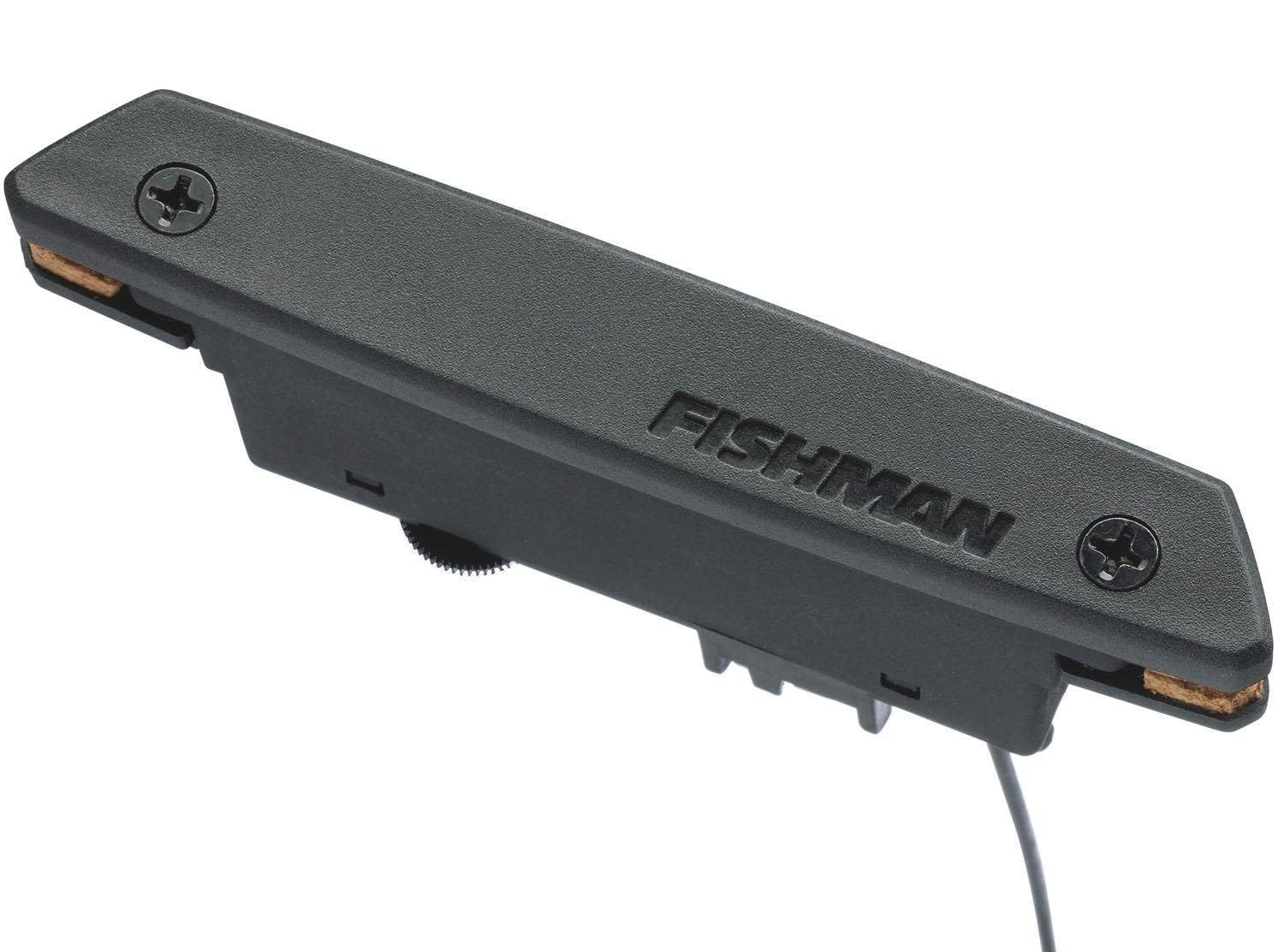
- •Some players prefer a separate soundhole pickup (e.g., Fishman Rare Earth) for a warmer blues tone.
⚠️ Warnings:
- •Cheap pickups can sound thin or quacky – try before you buy.
Step 5: Set Your Budget – Entry, Mid, or Premium?
Blues guitars are available at every price point.
- •$200–$500: Great entry-level options like the Yamaha FG800 or Fender CD-60S. Solid tops, good playability.
- •$500–$1500: Mid-range gems like the Martin D-10E or Guild D-20. All-solid construction, better tonewoods.
- •$1500+: Premium models (Martin 000-15M, Gibson J-45). Rich sustain, hand-crafted details.
As an intermediate player, you'll likely benefit from a mid-range guitar. But don't overlook used high-end models – they can be incredible value.
💡 Tips:
- •Allocate at least $300 for a guitar that will satisfy you for years.
- •Consider buying used from reputable shops; you'll often get 20-30% off new price.
⚠️ Warnings:
- •Don't blow your entire budget on the guitar – set aside money for a case, tuner, and setup.
Step 6: Shortlist Brands Known for Blues Guitars
Certain brands are favored by blues players:
- •Martin: The gold standard. Their 15 and 16 series (especially 000-15M) are iconic for blues.
- •Gibson: The legendary J-45 and L-00 have been used by countless blues greats.
- •Fender: The CD-60 series offers great value; their Paramount line is higher-end.
- •Epiphone: Affordable versions of Gibsons (Masterbilt, EJ-200) with good quality.
- •Yamaha: Excellent build and tone for the money – the FG800 is a top budget choice.
- •Guild: Underrated, with models like the D-20 that have a punchy blues sound.
Read online reviews and watch demo videos to narrow down your list.
💡 Tips:
- •Don't ignore lesser-known brands like Recording King or Blueridge – they offer great value for blues.
⚠️ Warnings:
- •Be wary of off-brands on Amazon with few reviews – stick to established names.
Step 7: Play Test – The Most Important Step
If possible, visit a music store and spend at least 15 minutes with each shortlisted guitar. Bring a friend or record yourself to judge the sound objectively. What to check:
- •Comfort: Does the neck feel good? Body not too bulky?
- •Action: Strings should be low enough for easy fretting but without buzzing.
- •Tone: Play open chords, single notes, and a blues riff. Does it sound warm and expressive?
- •Resonance: Strum hard – does the guitar project well? Does the tone fall apart?
- •Intonation: Play a 12th fret harmonic and fretted note – they should match (use your tuner).
💡 Tips:
- •Play in different positions (standing and sitting) to assess balance.
- •If buying online, check the return policy – some retailers offer free returns.
⚠️ Warnings:
- •A guitar that sounds great in the store may sound different at home – trust your ears over first impressions.
Step 8: Evaluate Neck Profile and Playability
Blues often involves bends, slides, and fingerpicking, so neck shape matters:
- •C-shaped necks are comfortable for most hands.
- •V-shaped necks are vintage-style and may suit thumb-over playing.
- •Nut width: 1 11/16" (standard) is fine for chords; 1 3/4" gives more fingerroom for fingerstyle.
Also check the fretboard radius: flatter (16") is better for bending, rounder (12") for chording. Try a few bends and slides to see if the neck feels smooth.
💡 Tips:
- •If you do a lot of bending, a 12" radius or flatter can help avoid choking out.
- •A satin finish on the neck is faster than a gloss finish.
⚠️ Warnings:
- •Don't assume a thin neck is best – some blues players prefer a chunkier V-shape for grip.
Step 9: Check Intonation and Tuning Stability
A blues guitar must stay in tune, especially when bending strings. Test tuning stability by playing a few aggressive blues bends on the G and B strings – retune to verify. Check intonation at the 12th fret with a tuner; if the fretted note is sharp/flat, the saddle may need adjustment. Most good guitars have a compensated saddle. Also check the nut – strings should sit snugly without binding. If you're not confident, ask a store technician for a quick check.
💡 Tips:
- •A guitar that goes out of tune easily may just need a setup – consider that in your decision.
- •Look for guitars with a pinless bridge or well-slotted pins to reduce tuning issues.
⚠️ Warnings:
- •Avoid guitars with visible lifting of the bridge or cracked nut – serious problems.
Step 10: Make Your Final Decision – Buy Smart
After testing, narrow it down to one or two favorites. Compare prices online – you might find a better deal. Consider buying from a store that includes a free setup, as a proper setup can transform a good guitar into a great one. If buying used, inspect for cracks, wear, and non-original parts. Finally, trust your gut – the guitar that feels and sounds best is the right one, regardless of specs or brand. Remember, a great blues guitar is an extension of your soul.
💡 Tips:
- •If you can't decide, sleep on it – a fresh listen in the morning can clarify your choice.
- •Bring a experienced blues player along if possible – they can offer valuable perspective.
⚠️ Warnings:
- •Don't rush into a purchase; a good deal today might be a regret tomorrow.
▸Pro Tips
- •Listen to blues records critically – note whether the guitar sound is bright or warm, and try to match that.
- •For fingerstyle blues, a smaller body with a wide nut (1 3/4") gives more room for intricate picking.
- •Consider a guitar with a cutaway if you often play above the 12th fret.
- •Try using different string gauges – medium gauge (13-56) gives more volume and bluesy growl.
- •If buying online, read multiple user reviews focusing on blues playing.
- •A used all-solid guitar often sounds better than a new laminated one at the same price.
- •Don't forget the case – a hard case is essential for protecting your investment.
▸Common Mistakes to Avoid
- •Choosing based on looks rather than sound and playability.
- •Overspending on electronics when you mostly play acoustic.
- •Ignoring the importance of a proper setup – a $300 guitar with a good setup can play better than a $1500 guitar out of the box.
- •Assuming a dreadnought is always better for blues – parlor and concert shapes are equally valid.
- •Buying without playing first if possible – online demos can't replace hands-on feel.
▸Troubleshooting
Problem: Guitar sounds too bright or harsh.
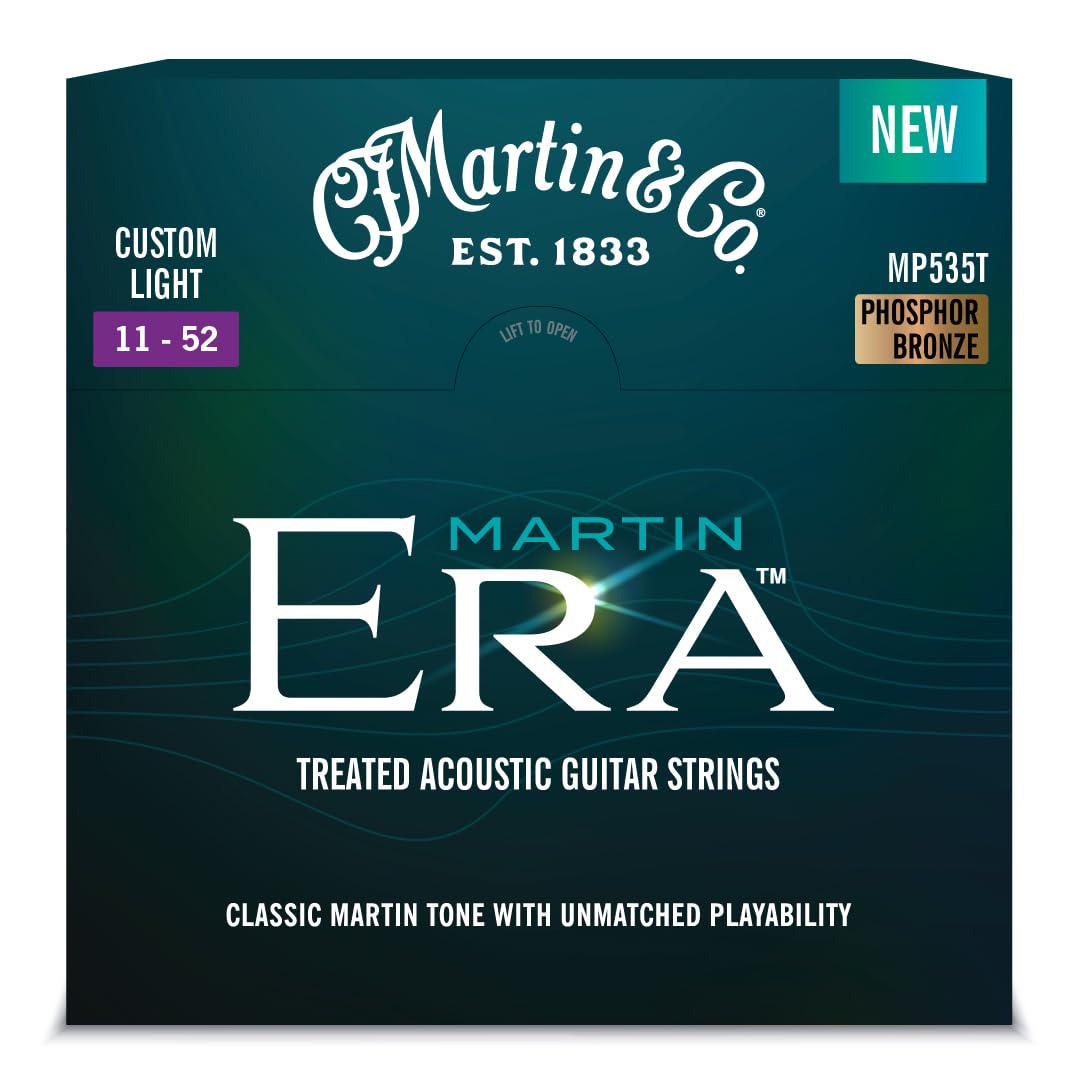
Solution: Try using phosphor bronze strings (warmer) instead of 80/20 bronze. Also consider a cedar or mahogany top rather than spruce.
Problem: Guitar is hard to play – high action.
Solution: Take it for a professional setup. Lowering the saddle and adjusting the truss rod can improve playability dramatically.
Problem: Guitar goes out of tune easily.
Solution: First, check that the strings are properly stretched. Next, examine the nut slots – they may be too tight. A luthier can file them.
Problem: Pickup sounds unnatural.
Solution: An external preamp or EQ pedal can shape the tone. Alternatively, consider a soundhole magnetic pickup for a more bluesy electric sound.
Yamaha FG800
Best budget acoustic with a solid spruce top, great for blues beginners and intermediates. Excellent build quality and warm tone.
Best for: Entry-level blues player looking for a reliable, great-sounding guitar under $250.
Price Range: $200 - $250
Fender CD-60S
Solid mahogany top and mahogany back/sides deliver a dry, punchy blues tone. Comfortable body and playable neck.
Best for: Intermediate player wanting a classic blues sound without breaking the bank.
Price Range: $200 - $300
Martin 000-15M
All-mahogany construction produces a warm, woody blues tone with great midrange. Lightweight and comfortable. Legendary Martin quality.
Best for: Serious blues player seeking a premium acoustic that excels for fingerstyle and slide.
Price Range: $1500 - $1800
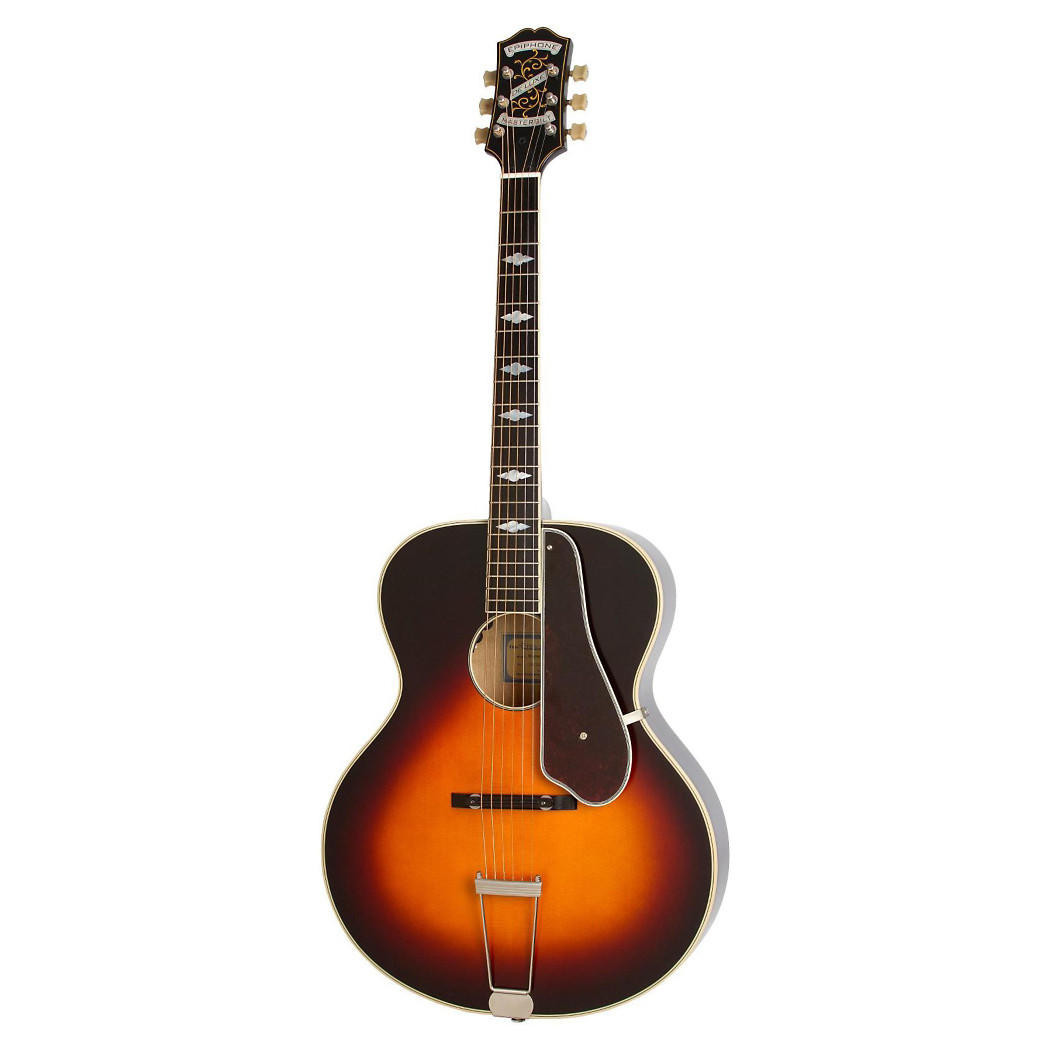
Epiphone Masterbilt Century Deluxe
Affordable homage to the classic Gibson L-00. All solid construction (spruce and mahogany) with vintage vibe and great blues tone.
Best for: Player who loves vintage blues aesthetics and sound but on a mid-range budget.
Price Range: $500 - $700
Fishman Rare Earth Pickup
Soundhole magnetic pickup that gives a warm, electrified blues tone without modifying the guitar. Easy to install and remove.
Best for: Acoustic player who needs amplification for blues gigs without buying an acoustic-electric guitar.
Price Range: $130 - $160