Choosing your first guitar amplifier can feel overwhelming. With so many watts, features, and tube vs. solid-state options, it's easy to get lost. But the right amp makes you sound better and inspires you to play more. This guide breaks down the key decisions: wattage for your space and gigs, essential features like channels and effects, and the trade-offs between different amplifier types. By the end, you'll know exactly what to look for when shopping.
▸What You'll Need
- •A basic understanding of electric guitars and how they produce sound
- •A realistic idea of where you'll play (bedroom, jam space, live venues)
- •A budget range in mind
- •Access to a music store to test amps (optional but recommended)
Estimated Time: 15-20 minutes
Difficulty: beginner
▸Step-by-Step Instructions
Step 1: Assess Your Playing Environment and Goals
Before looking at amps, ask yourself: Where will you mostly play? In your bedroom at low volume? With a band in a garage? On stage at small clubs? Your environment determines the wattage you need. For solo home practice, 1–10 watts is plenty. For jamming with a drummer, 15–30 watts. For live gigs without PA support, 30–50 watts (or more for clean headroom). Also consider if you need portability for taking to lessons or rehearsals.
💡 Tips:
- •If you live in an apartment, lower wattage (≤10W) with a headphone output is ideal.
- •Think about future needs – if you might join a band soon, get an amp that can keep up.
⚠️ Warnings:
- •Don't buy a 100W amp for bedroom use – you'll never turn it past 2 and still annoy neighbors.
Step 2: Understand Amplifier Types: Tube, Solid-State, Modeling, and Hybrid
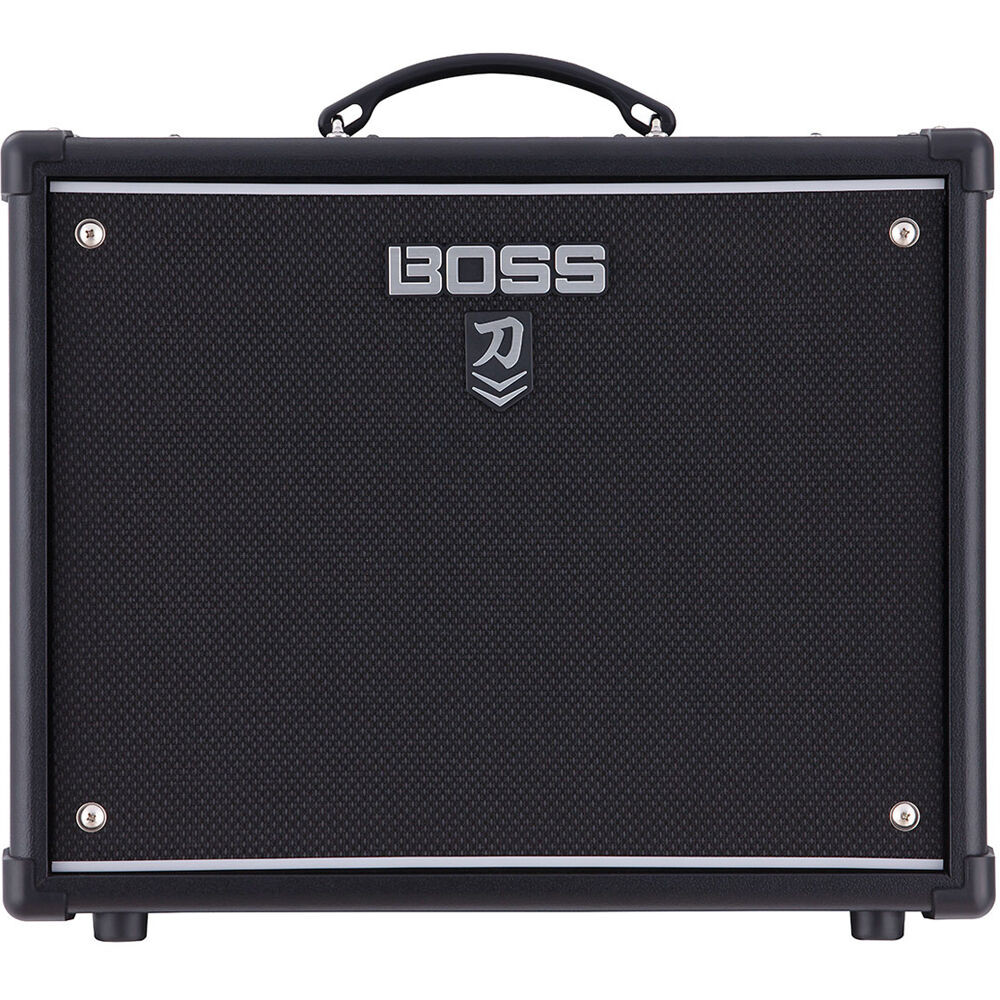
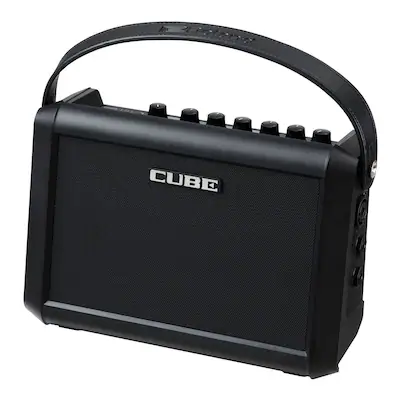
Tube amps (like Fender Blues Jr.) offer warm, dynamic tones sought by professionals. They're heavier, more expensive, and need occasional tube replacements. Solid-state amps (like Roland Cube) are lightweight, durable, and affordable, with clean tones but can sound harsh when pushed. Modeling amps (like Boss Katana) use digital tech to emulate many amp and effect sounds, perfect for versatility on a budget. Hybrid amps (like Vox AV30) combine a tube preamp with solid-state power for blended benefits. For a beginner, modeling amps offer the most bang for the buck.
💡 Tips:
- •Try a modeling amp first – you'll learn what sounds you like before committing to a tube amp.
- •Hybrid amps can be a great middle ground for tonal flexibility and reliability.
⚠️ Warnings:
- •Tube amps require warm-up time and are more fragile – not ideal if you're rough on gear.
Step 3: Decode Wattage: It's Not Just About Loudness
Wattage indicates power output, but our ears perceive volume logarithmically. A 5W amp can be surprisingly loud (enough for quiet jams), and a 50W amp is not twice as loud as 25W – it's about 40% louder. Key factor: headroom. Lower wattage breaks up (distorts) earlier at lower volumes, great for blues/rock. Higher wattage stays clean louder, essential for cleans at band volumes. For practice, 1–10W is sufficient. For gigs, 15–30W tube or 30–50W solid-state. Remember: amp wattage is only part of the equation – speaker efficiency (sensitivity) also affects perceived loudness.
💡 Tips:
- •A 15W tube amp can often keep up with a drummer, especially with an efficient speaker (e.g., Celestion).
- •Use the amp's master volume to control distortion levels – many newer amps have power scaling for lower wattage operation.
⚠️ Warnings:
- •Don't fixate on wattage numbers alone; try the amp at your target volume to see if it has the headroom or breakup you want.
Step 4: Evaluate Essential Features: Channels, EQ, and Effects
Most beginner amps come with two channels (clean and overdrive) so you can switch between tones. A 3-band EQ (bass, mid, treble) gives you basic tone shaping. Built-in effects (reverb, delay, chorus) can save you from buying pedals early. FX loop allows you to place modulation/delay effects after the preamp for cleaner sound. Headphone output is crucial for silent practice. Aux input lets you jam along with backing tracks. USB connectivity enables direct recording to a computer. For a first amp, at least two channels, reverb, and headphone out are recommended.
💡 Tips:
- •An FX loop is less critical for beginners, but nice to have if you plan to expand your pedalboard later.
- •Built-in tuners are surprisingly useful – look for an amp with one if you don't own a separate tuner.
⚠️ Warnings:
- •Too many features can be overwhelming; prioritize quality core tones over dozens of digital effects.
Step 5: Consider Size, Weight, and Portability
Amp form factors: combo amps (speaker and electronics in one box) are convenient; heads+ cabinents require separate pieces but offer modularity. Combos come in small (1x8" speaker), medium (1x12"), and large (2x12"). Smaller amps are easier to carry for lessons or open mics. Larger speakers generally sound fuller. If you're a bedroom player, an 8" or 10" speaker is fine. For band use, aim for at least a 12" speaker. Weight matters if you'll move the amp often – some tube amps weigh 30+ lbs, while solid-state modeling amps can be under 20 lbs.
💡 Tips:
- •A 1x12 combo is the sweet spot for most beginners – good tone and manageable weight.
- •Check dimensions to ensure it fits in your car trunk or back seat if you plan to travel.
⚠️ Warnings:
- •Don't buy a heavy 2x12 combo if you're a student who will be carting it to school each week.
Step 6: Set a Realistic Budget
Guitar amps range from $50 to thousands. For a quality beginner amp, plan to spend $100–$300. This gets you excellent solid-state or modeling combos (e.g., Fender Mustang LT25, Boss Katana 50). Avoid cheap no-name amps under $80, as they often sound thin and break quickly. If you can stretch to $400–$500, you can find entry-level tube amps (e.g., Fender Blues Jr., Vox AC15). Remember, a good amp paired with a budget guitar often sounds better than an expensive guitar through a terrible amp. Invest accordingly.
💡 Tips:
- •Check used markets like Reverb or Craigslist for deals – many amps are built like tanks.
- •Allocate at least half your total gear budget to the amp if you have to choose.
⚠️ Warnings:
- •Don't blow your entire savings on a top-tier amp if you're still unsure about playing seriously.
Step 7: Read Reviews and Watch Demos
Once you've narrowed down a few models (e.g., Boss Katana 50, Fender Mustang LT25, Vox Pathfinder 10), dive into user reviews and YouTube demos. Look for feedback on reliability, sound quality at home volumes, and how well it takes pedals (if you plan to use them). Pay attention to demos recorded with similar guitars and styles to yours. Also check forums for long-term owner experiences – some amps have known issues like noisy fans or unreliable jacks.
💡 Tips:
- •Search for reviews using the phrase 'bedroom volume' or 'apartment' if quiet playing is your priority.
- •Filter Amazon reviews by Verified Purchase for more trustworthy opinions.
⚠️ Warnings:
- •Beware of overly positive reviews that may be incentivized – cross-check with multiple sources.
Step 8: Test Amps in Person (If Possible)
Nothing beats trying an amp with your own guitar and ears. Visit a local music store with your guitar (or a similar model) and play scales, chords, and songs you know. Test at both low and moderate volumes. Compare two or three amps back-to-back. Notice how the amp responds to your picking dynamics – tube amps react differently than solid-state. Check the feel of the controls and overall build quality. If you can't visit a store, rely on demo videos with high-quality sound and liberal return policies from online retailers.
💡 Tips:
- •Bring your own guitar cable and a familiar pick to get a true sense of the amp's sound.
- •Test with overdrive or distortion pedals if you plan to use them, so you know how the amp handles them.
⚠️ Warnings:
- •Don't be swayed by flashy looks or an impressive spec sheet – your ears are the ultimate judge.
▸Pro Tips
- •Always check the weight – a heavy amp can become a burden if you need to move it frequently.
- •For silent practice, prioritize an amp with a headphone output and aux input for backing tracks.
- •If you plan to use lots of pedals, a solid-state amp with a clean headroom or a tube amp works best; modeling amps can sometimes sound overly processed with pedals.
- •Buy used from reputable sellers – many musicians trade up, leaving great deals on nearly new gear.
- •Consider an amp with built-in USB audio interface to record directly into your computer without extra gear.
- •Don't be afraid to start with a small wattage modeling amp – you can always upgrade later as your needs grow.
▸Common Mistakes to Avoid
- •Buying too much power: A 100W stack is unnecessary for home practice and will limit your ability to push the tubes for natural distortion without ear-splitting volume.
- •Ignoring speaker size: A small 8" speaker may lack bass response and sound boxy; a 12" is generally more balanced.
- •Overvaluing brand names: Well-known brands like Fender and Marshall are iconic, but some less famous models from Blackstar, Boss, or Vox offer better features for the price.
- •Neglecting the FX loop: If you plan to use time-based effects (delay, reverb), an FX loop greatly improves sound quality by placing them after the preamp distortion.
- •Forgetting about maintenance: Tube amps need periodic tube replacements and biasing – factor that into long-term cost.
▸Troubleshooting
Problem: My new amp sounds thin at low volume.
Solution: Small speakers (8") often lack lows. Try an amp with a 10" or 12" speaker, or use the bass EQ control to compensate. Also, some modeling amps have a contour control to add body.
Problem: I can't get a clean tone at band volume.
Solution: Your amp may have too little wattage or headroom. Consider a higher wattage amp (at least 30W solid-state or 15W tube) to keep the preamp from breaking up too early, or use the master volume to control overall loudness.
Problem: The built-in effects sound low quality.
Solution: Entry-level modeling amps often have functional but not stellar effects. Save for an external multi-effects unit or individual pedals for better sound. Use the amp's effects sparingly.
Problem: My amp hums loudly when I'm not playing.
Solution: Hum can be caused by ground loops, nearby electronics, or a poor cable. Try a different power outlet, turn off nearby devices, or swap your instrument cable. If persistent, the amp may need servicing.
Boss Katana 50 MkII
Best-selling modeling amp with 50W power, 5 amp voicings, built-in effects, and a power control for lower wattage use. Excellent value for bedroom to gigging.
Best for: Versatile practice, recording, and small to medium gigs. Great for beginners who want a wide range of tones.
Price Range: $229-$249
Fender Mustang LT25
User-friendly modeling amp with 25W, 20 presets, and a simple interface via Bluetooth app. Lightweight and affordable.
Best for: Perfect for home practice and learning different amp styles. The app makes tweaking tones easy.
Price Range: $149-$169
Vox Pathfinder 10
Ultra-portable solid-state practice amp with 10W and a classic Vox clean tone. Built-in reverb and tremolo add dimension.
Best for: Bedroom practice where tone matters but size and budget are limited.
Price Range: $99-$119
Roland Cube Street
Battery-powered 10W stereo amp with multiple channels and effects, designed for street performers but excellent for portable practice.
Best for: Playing without AC power – great for outdoor jams or traveling musicians.
Price Range: $329-$349
Fender Champion 40
Solid-state 40W combo with two channels, 16 effects, and a simple control layout. Loud enough for small gigs.
Best for: For players who want a loud practice amp that can also handle live jams with a drummer.
Price Range: $229-$249