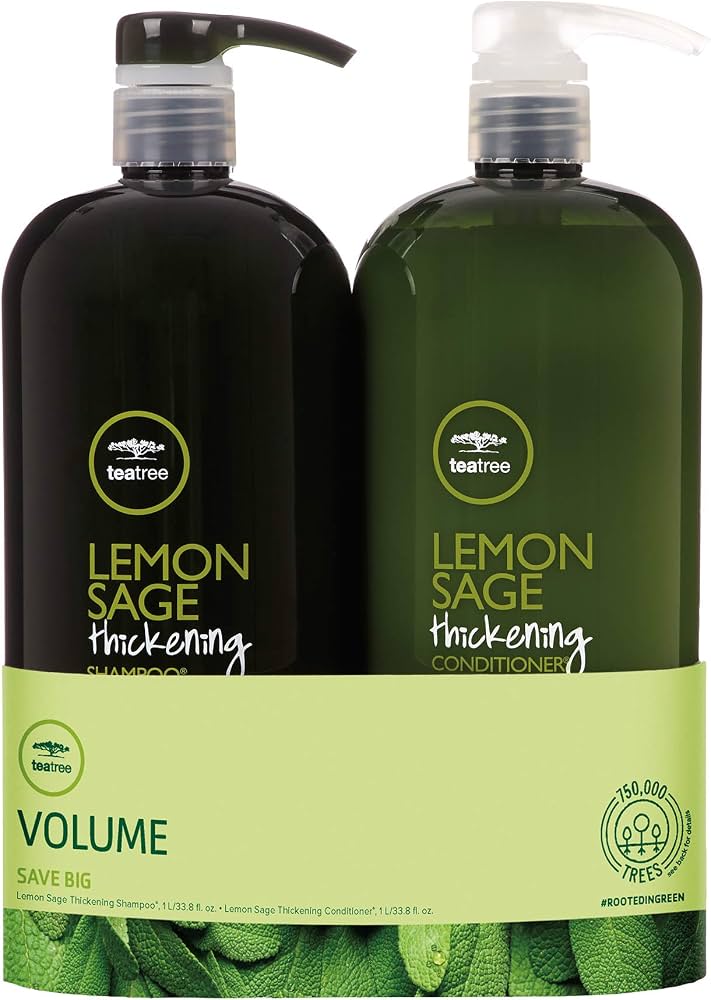
If you have oily hair, you know the struggle: it can look greasy just hours after washing. A 2-in-1 shampoo and conditioner might seem like a convenient solution, but choosing the wrong one can make oiliness worse. Many 2-in-1 products are designed for dry or damaged hair, packing in heavy moisturizers that weigh down your roots. This guide will walk you through exactly what to look for—and what to avoid—so you can pick a 2-in-1 that cleanses effectively, adds volume, and doesn’t sacrifice your hair’s health. By the end, you’ll be able to read a label like a pro and choose a product that keeps your scalp balanced and your hair fresh all day.
▸What You'll Need
- •Understanding of your hair type (oily scalp, possibly dry ends)
- •Knowledge of key ingredients that control oil (salicylic acid, zinc pyrithione, tea tree oil, etc.)
- •A list of ingredients to avoid (silicones, heavy oils, sulfates that are too harsh)
- •Access to online reviews or store shelves to compare products
Estimated Time: 15 minutes to read, 30 minutes to research and select a product
Difficulty: beginner
▸Step-by-Step Instructions
Step 1: Know Your Hair’s Needs – Oily Scalp vs. Dry Ends
Most people with oily hair have an overactive sebaceous gland on the scalp, but the ends may be dry or damaged. A good 2-in-1 should clarify the scalp without stripping the lengths. If your ends are healthy, you can use a stronger clarifier; if they’re dry, look for a product that adds lightweight moisture only to the ends. Consider whether you also have dandruff (flakes) or just excess oil, as that changes the active ingredients you need.
💡 Tips:
- •If your ends are dry, look for 2-in-1 products that say “lightweight” or “volumizing” – these tend to have less conditioner.
- •For scalp issues like dandruff, choose a 2-in-1 with an anti-dandruff active like zinc pyrithione or ketoconazole.
⚠️ Warnings:
- •Avoid 2-in-1s marketed for “dry” or “damaged” hair – they often contain heavy oils and butters that will weigh down oily roots.
Step 2: Scan the Ingredient List for Oil-Fighting Actives
The most effective 2-in-1 shampoos for oily hair include specific ingredients that break down excess sebum or regulate oil production. Look for salicylic acid (beta hydroxy acid) which exfoliates the scalp, zinc pyrithione (antifungal and antibacterial), tea tree oil (natural antiseptic), or charcoal (absorbs impurities). These actives help keep your scalp clean without stripping it raw. If you see these listed high on the ingredient list, the product is likely a good candidate.
💡 Tips:
- •Salicylic acid is especially good for clogged follicles and oily scalps that also have bumps.
- •Tea tree oil can be drying if used too often – start with every other wash.
⚠️ Warnings:
- •Be cautious with sulfates – harsh sulfates like sodium lauryl sulfate (SLS) can strip too much oil, causing rebound oiliness. Look for milder sulfates or sulfate-free options.
Step 3: Avoid Heavy Conditioning Ingredients
Many 2-in-1 products rely on silicones (like dimethicone) and oils (like coconut oil, shea butter) to condition hair. While these are great for dry or frizzy hair, they can quickly build up on fine, oily hair – making it look greasy and limp. Check the labels for words ending in “-cone” or “-xane” (silicones) and heavy oils. If the first few ingredients include things like “cetyl alcohol” (a fatty alcohol) or “silicone”, it’s probably too rich for you. Instead, look for water-based conditioners or those labeled “lightweight”.
💡 Tips:
- •Water-soluble silicones (like PEG-modified silicones) are less likely to build up – but it’s still safer to avoid most silicones.
- •If your hair is also frizzy, you can use a separate lightweight conditioner on the ends only.
⚠️ Warnings:
- •Avoid products that list “paraffinum liquidum” (mineral oil) or “petrolatum” – they are very heavy.
Step 4: Look for Clarifying or Volumizing Claims
Product labels often provide hints. “Clarifying” shampoos are designed to remove buildup and excess oil – but they can be too harsh for daily use. A 2-in-1 labeled “volumizing” or “balancing” is usually lighter and more appropriate for regular shampooing. “Daily use” formulas are also generally milder. If you see “for oily hair” or “oil control” on the bottle, that’s a direct match. But don't rely solely on marketing – always check the ingredients to confirm.
💡 Tips:
- •“Balancing” shampoos often regulate pH and sebum production without over-drying.
- •“Volumizing” 2-in-1s add body without extra moisture – perfect for fine, oily hair.
⚠️ Warnings:
- •A product that says “sulfate-free” but still has heavy conditioners can still cause greasiness.
Step 5: Check Reviews from People with Your Hair Type
Real user experiences are invaluable. When browsing online, filter reviews by hair type (e.g., “oily”, “fine”) or read reviews that mention “oily scalp”. Look for common patterns: does the product lead to less greasiness, more volume, or does it cause buildup? Be wary of one-off reviews. Pay attention to negative reviews – if multiple people with oily hair say it made them oily, believe them. Also note if they mention using it daily vs. alternating with a clarifier.
💡 Tips:
- •Use Amazon’s “search within reviews” feature with keywords like “oily” or “greasy”. This is faster than scrolling.
- •Don’t just look at star ratings – read the details, especially the lower-star reviews.
⚠️ Warnings:
- •Ignore reviews that praise scent alone – hair care efficacy is what matters.
Step 6: Consider Your Washing Frequency and Lifestyle
How often you wash your hair influences your choice. If you wash daily, you need a very mild 2-in-1 that won’t strip the scalp. If you wash every two to three days, you can handle stronger clarifying ingredients. Also, consider exposure: if you sweat a lot (exercise, humidity), you may need more frequent washing with a gentle 2-in-1. If you use dry shampoo between washes, make sure your 2-in-1 can remove dry shampoo residue without being too harsh.
💡 Tips:
- •Daily washers should aim for a sulfate-free 2-in-1 with mild cleansers like sodium cocoyl isethionate.
- •If you use dry shampoo, look for a 2-in-1 with salicylic acid to help break down the buildup.
⚠️ Warnings:
- •Over-washing with a harsh 2-in-1 can damage the scalp barrier and make oil production worse.
Step 7: Test the Product and Adjust if Needed
Once you’ve selected a candidate, use it for a week (2-3 washes) to see how your hair responds. On the first wash, you might notice a slight increase in grease as your scalp adjusts. But if after three washes your hair feels weighed down or oilier, it’s not for you. If it feels clean but not stripped, and your roots look fresh for at least a day longer than before, you’ve found a winner. Remember that you may still need to use a separate conditioner on your ends occasionally.
💡 Tips:
- •Start with a smaller bottle if available to avoid waste.
- •Take a ‘before’ photo on day 1 and an ‘after’ photo on day 7 to compare greasiness.
⚠️ Warnings:
- •Don’t judge after one wash – the scalp needs a few cycles to regulate.
- •If you experience itching or flaking, stop use immediately; it may not be right for your scalp.
▸Pro Tips
- •To refresh oily roots between washes, use a dry shampoo powder rather than a spray – it absorbs oil without adding moisture.
- •If you want to extend the life of your 2-in-1, try washing only the scalp and letting the suds run through your ends – this prevents over-conditioning.
- •Rotate between your 2-in-1 and a dedicated clarifying shampoo once a week to remove buildup from the 2-in-1 itself.
- •Apply conditioner only to the mid-lengths and ends after using a 2-in-1 if your ends feel dry – this gives you precise control.
- •Store your 2-in-1 in a cool, dry place – heat can degrade active ingredients.
- •Don’t skip the rinse – leftover residue can attract dirt and make hair look greasy faster.
▸Common Mistakes to Avoid
- •Using a 2-in-1 designed for dry hair on oily hair – it adds too much moisture to the scalp.
- •Choosing a 2-in-1 with sulfates but no balancing actives – sulfates alone can trigger more oil production.
- •Ignoring the ingredient list and only trusting the label – many products claim ‘oil control’ but still have silicones.
- •Applying the product to the entire hair length instead of focusing on the scalp – this over-conditions the roots.
- •Not washing your hair frequently enough with a good 2-in-1 – waiting too long can allow sebum and buildup to accumulate.
▸Troubleshooting
Problem: My hair looks greasier after using the new 2-in-1.
Solution: You may have chosen a product that's too rich. Stop using it and check for silicones or heavy oils. Try a clarifying shampoo once, then switch to a lighter 2-in-1.
Problem: My scalp feels dry and itchy after using the 2-in-1.
Solution: The product might be too harsh. Look for a sulfate-free option with soothing ingredients like aloe or chamomile. You may also need to reduce washing frequency.
Problem: The 2-in-1 leaves a residue or makes my hair feel sticky.
Solution: Residue often comes from silicones or buildup. Use a clarifying shampoo once, and in the future choose a silicone-free 2-in-1. Also ensure you rinse thoroughly.
Problem: I still have dandruff despite using a 2-in-1 with anti-dandruff ingredients.
Solution: Anti-dandruff actives need time to work (2-4 weeks). If no improvement, try a product with a different active ingredient (e.g., switch from zinc to ketoconazole). Consult a dermatologist if persistent.
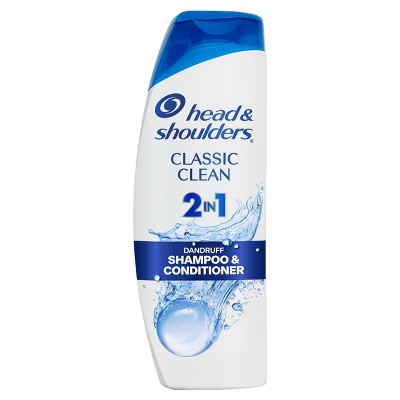
Head & Shoulders Classic Clean 2-in-1 Shampoo + Conditioner
Contains zinc pyrithione to fight dandruff and excess oil, while the conditioner is lightweight enough for daily use. Widely available and affordable.
Best for: Best for oily hair with dandruff or flaking. Use daily or every other day.
Price Range: $5 - $10
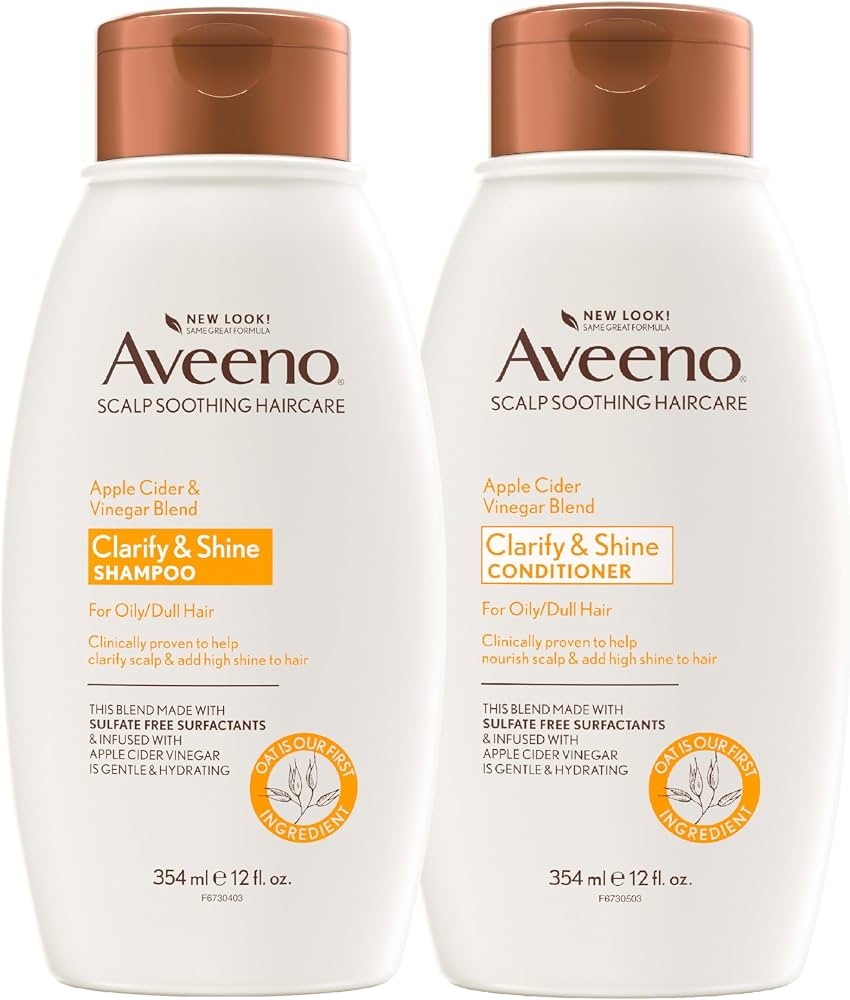
Aveeno Apple Cider Vinegar Blend 2-in-1 Shampoo & Conditioner
Clarifying formula with apple cider vinegar and oat to gently exfoliate the scalp without harsh sulfates. It removes buildup and balances pH, making it great for oily hair that needs extra cleansing.
Best for: Ideal for those who want a natural, sulfate-free option. Use 2-3 times a week.
Price Range: $8 - $12
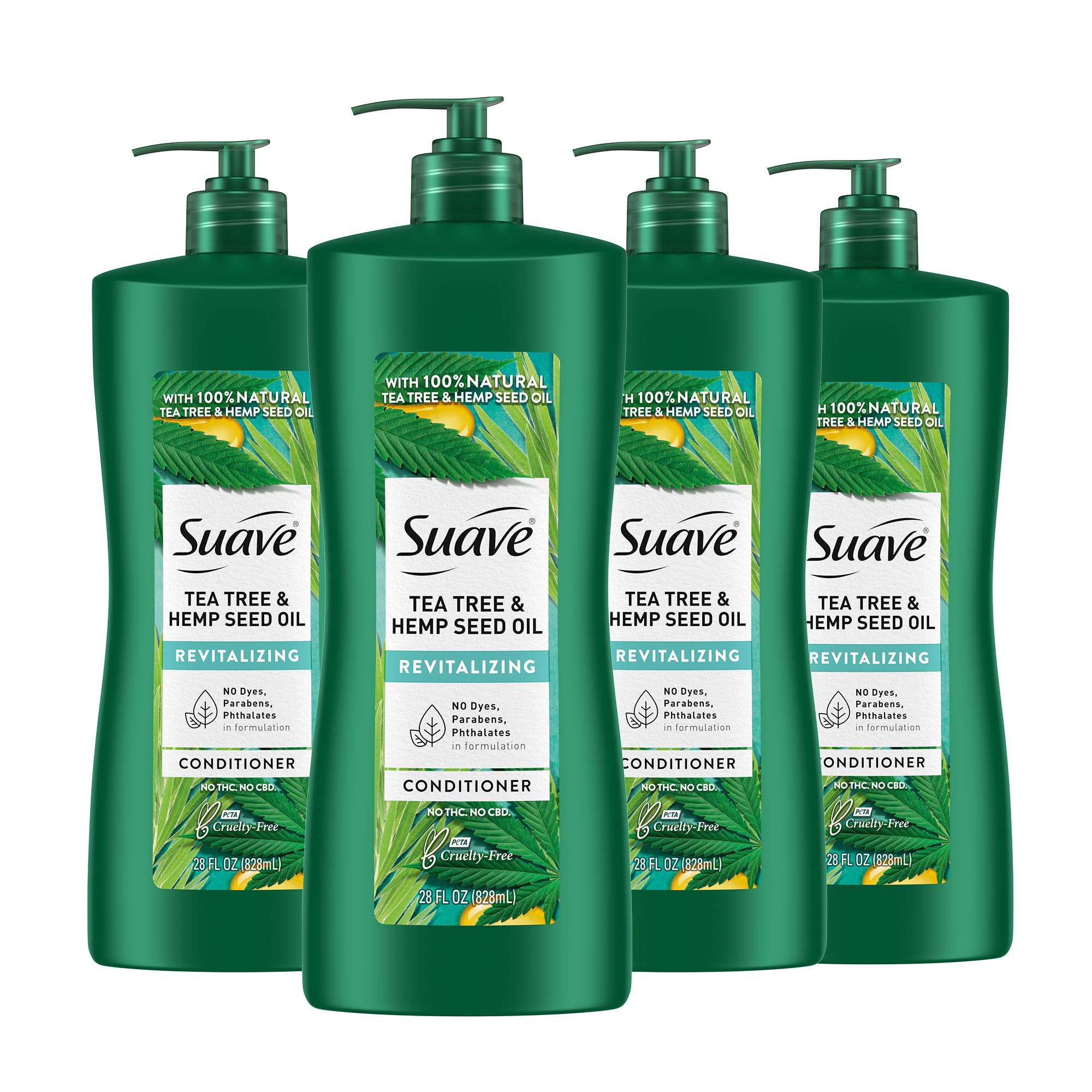
Suave Professionals Tea Tree & Sage 2-in-1 Shampoo + Conditioner
Contains tea tree oil, a natural antiseptic and oil regulator, paired with sage to soothe the scalp. It's lightweight and affordable, perfect for daily washing.
Best for: Good for oily scalp without major flakes. Use every day or as needed.
Price Range: $4 - $7
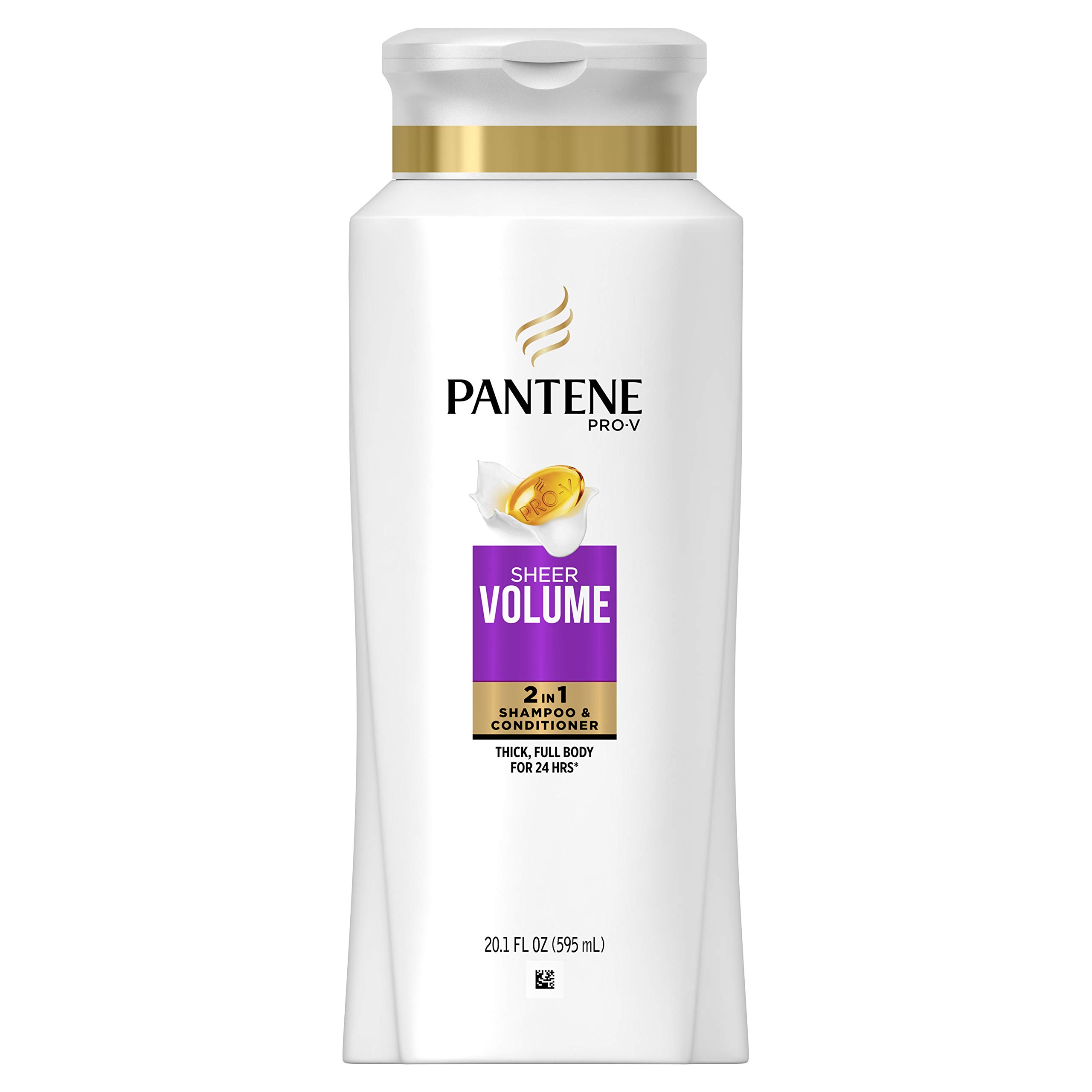
Pantene Pro-V Sheer Volume 2-in-1 Shampoo & Conditioner
Designed for fine, oily hair, this formula adds volume without heavy conditioners. It uses Pro-V nutrients to strengthen hair while keeping roots light.
Best for: Best for those who want volume and oil control. Use daily or every other day.
Price Range: $6 - $10
Paul Mitchell Tea Tree Lemon Sage Thickening 2-in-1 Shampoo & Conditioner
A salon-quality option that combines tea tree oil, lemon, and sage to invigorate the scalp and add thickness. It's lightweight and clarifies without stripping.
Best for: Great for oily hair that also lacks volume. Use 3-4 times a week.
Price Range: $12 - $18