

Battle Born BB10012 100Ah 12V LiFePO4 Battery
Boondockers needing reliable deep-cycle power.
$800-$900
Battle Born BB10012 100Ah 12V LiFePO4 Battery Top-rated for RVs: 3000-5000 cycles, built-in BMS, lightweight (31 lbs).
Get the App
Better experience on mobile
Discover step-by-step how to select reliable 12V batteries for your RV, ensuring off-grid power without shortages or failures.
Running out of power during an RV trip can ruin your adventure—fridges failing, lights dimming, no AC on hot nights. Choosing the right 12V battery prevents this by matching your power needs perfectly. This guide walks you through assessing usage, understanding types, and picking winners.
You'll learn to calculate capacity, compare chemistries like AGM vs. lithium, and avoid costly mismatches. By the end, you'll confidently buy batteries that last years and handle deep discharges.
Expect 1-2 hours of research; intermediate knowledge of basic electrics helps, but we explain everything simply.
Estimated Time: 1-2 hours Difficulty: intermediate
Start by listing all 12V appliances: lights, fridge, fans, inverter, pumps. Note each item's wattage (from labels or manual) and daily hours used. For example, a 50W fridge running 10 hours/day uses 500Wh.
Sum daily watt-hours (Wh) and divide by 12V to get amp-hours (Ah) needed. Account for inefficiencies (add 20-30%). This baseline ensures you don't undersize.
Success looks like: A total daily Ah draw, e.g., 150Ah/day for boondocking.
💡 Tips:
⚠️ Warnings:
RV batteries are deep-cycle: Flooded lead-acid (cheap, maintenance-heavy), AGM (sealed, vibration-resistant), Gel (similar but less common), and Lithium (LiFePO4—light, long-life, fast-charge).
Flooded/AGM suit budgets; lithium excels for frequent boondocking (4000+ cycles vs. 500). Match to usage: occasional trips? AGM. Full-time? Lithium.
Success looks like: Notes on pros/cons fitting your needs, e.g., 'Lithium for weight savings.'
💡 Tips:
Multiply daily Ah by desired autonomy days (e.g., 150Ah x 3 days = 450Ah total bank). Divide by safe DoD: lithium 100% (450Ah), AGM 50% (900Ah needed).
Factor in 20% buffer for cloudy days or guests. Aim for even banks (e.g., 4x 100Ah).
Success looks like: Bank size like 'Two 200Ah lithium batteries.'
⚠️ Warnings:
Measure compartment: length, width, height, terminals. Common RV sizes: Group 24, 27, 31 (e.g., 10x6.8x9 inches).
Verify weight limits—lithium is half lead-acid weight. Ensure terminals match (top-post vs. side).
Success looks like: Specs matching your space, e.g., 'Group 31 fits perfectly.'
💡 Tips:
Prioritize deep-cycle rating (not CCA—starter use). Look for 500+ cycles @50% DoD for AGM, 3000+ for lithium. Reserve Capacity (RC) >100 min ideal.
Lithium needs BMS for protection. Check charge rates (C/5 safe).
Success looks like: Shortlist with 100Ah+, 2000 cycles.
Research Renogy, Battle Born, Relion for lithium; Trojan, Interstate for AGM. Check 5+ year warranties, Amazon/Reddit reviews (>4.3 stars, 500+ ratings).
Verify certifications (UL, ABYC). Budget: AGM $150-300/100Ah, lithium $600-900.
Success looks like: Top 3 batteries scored on value.
💡 Tips:
⚠️ Warnings:
If replacing, test old batteries with multimeter (<12.2V discharged). Buy from reputable sellers with returns. Consider bundles with monitors.
Success looks like: Ordered batteries ready for install.
Next: How to Install 12V RV Batteries.
Problem: Calculations show huge bank needed
Solution: Reduce loads (LEDs, efficient fridge) or add solar/generator.
Problem: Lithium too pricey
Solution: Start with AGM, upgrade later; look for sales.
Problem: Existing batteries vary in age/type
Solution: Replace all at once for balance; don't mix chemistries.
Problem: Compartment too small for desired Ah
Solution: Opt for high-density lithium or slim Group 24s.
Top-rated for RVs: 3000-5000 cycles, built-in BMS, lightweight (31 lbs).
Best for: Boondockers needing reliable deep-cycle power.
Price Range: $800-$900
Bluetooth monitoring, self-heating for cold weather, excellent value.
Best for: Tech-savvy RVers wanting app control and longevity.
Price Range: $650-$750
Budget-friendly sealed AGM, spill-proof, 500+ cycles—great starter.
Best for: Weekend warriors on a budget, easy maintenance.
Price Range: $160-$200
Compact fit for tight spaces, high RC for inverters.
Best for: Small RVs or auxiliary power.
Price Range: $120-$150
Tracks real Ah usage—essential for sizing accurately.
Best for: Any RV setup to verify needs post-purchase.
Price Range: $150-$170
Boondockers needing reliable deep-cycle power.
Battle Born BB10012 100Ah 12V LiFePO4 Battery Top-rated for RVs: 3000-5000 cycles, built-in BMS, lightweight (31 lbs).
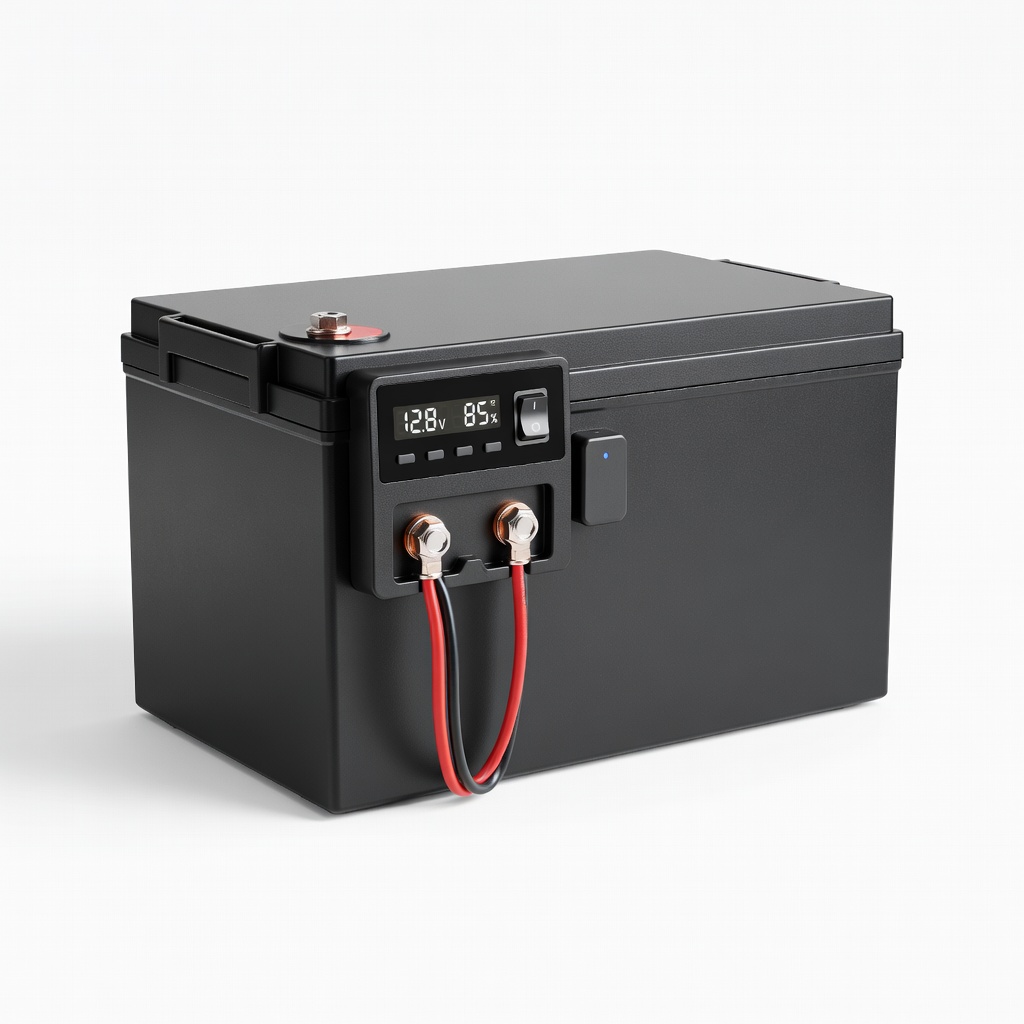
Tech-savvy RVers wanting app control and longevity.
Renogy 12V 100Ah Smart LiFePO4 Battery Bluetooth monitoring, self-heating for cold weather, excellent value.
Weekend warriors on a budget, easy maintenance.
Weize 12V 100Ah AGM Deep Cycle Battery Budget-friendly sealed AGM, spill-proof, 500+ cycles—great starter.
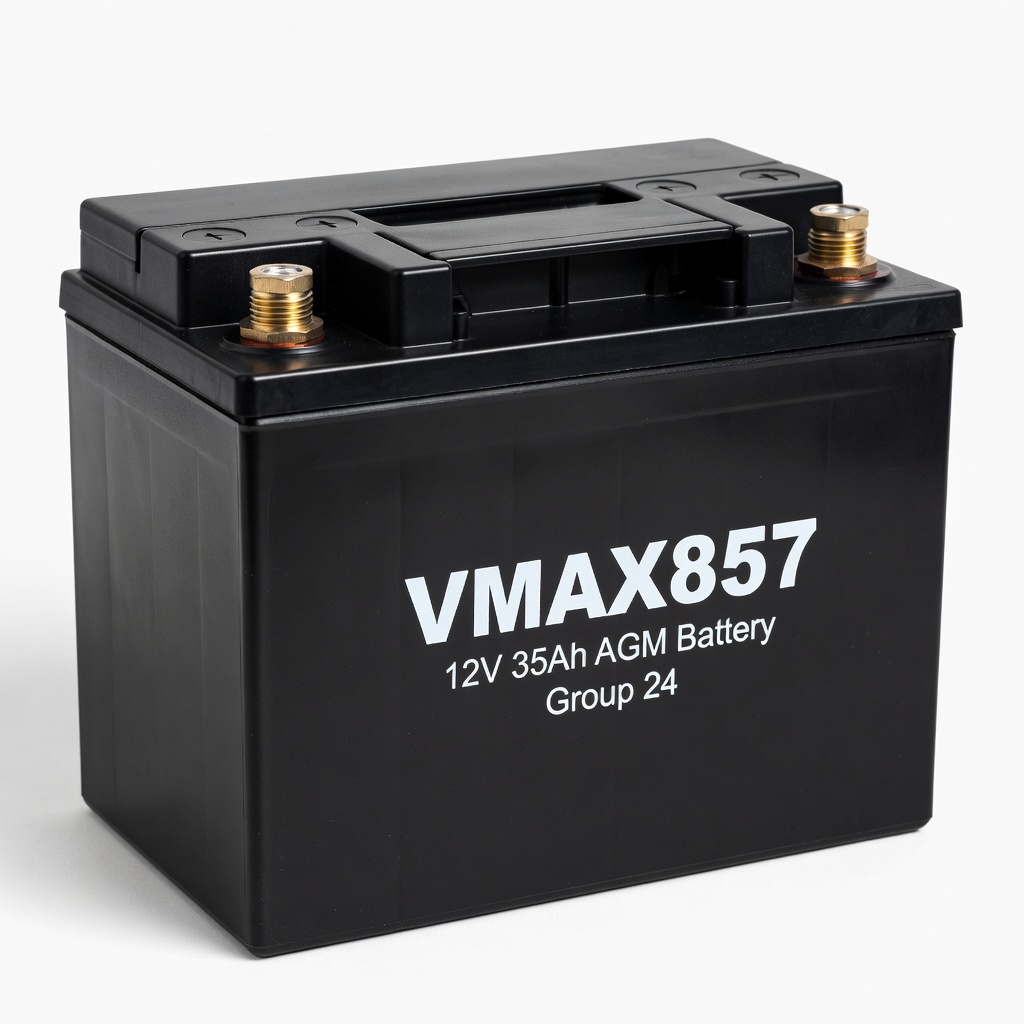
Small RVs or auxiliary power.
VMAX857 12V 35Ah AGM Battery (Group 24) Compact fit for tight spaces, high RC for inverters.
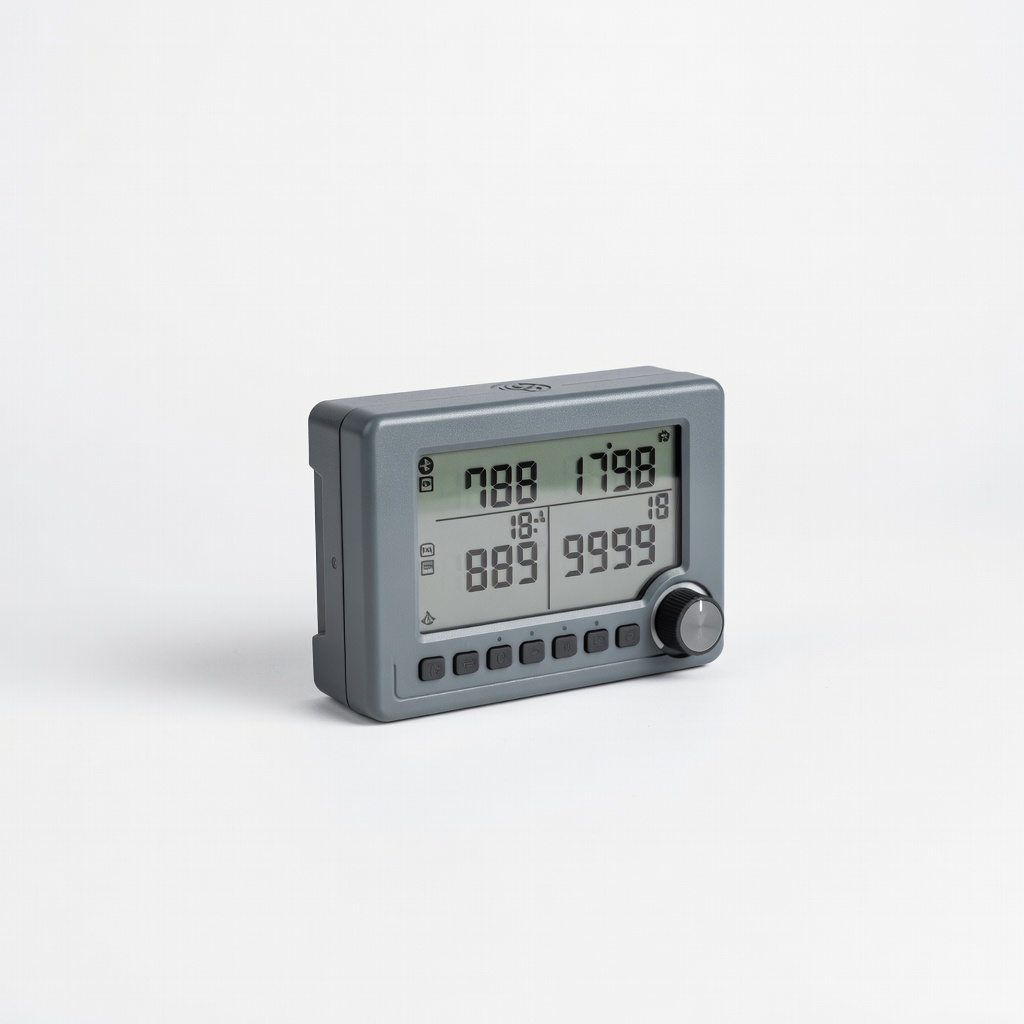
Any RV setup to verify needs post-purchase.
Victron Energy BMV-712 Smart Battery Monitor Tracks real Ah usage—essential for sizing accurately.