
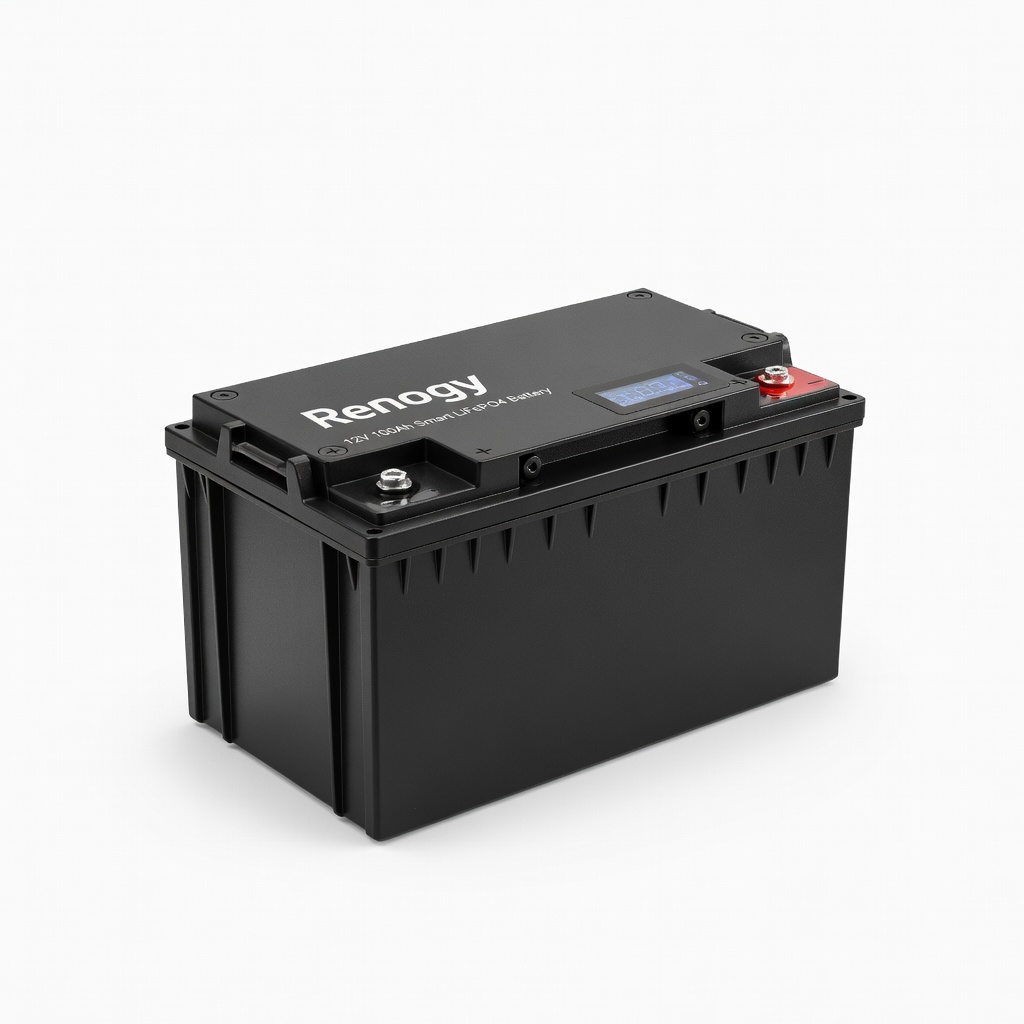
Renogy 12V 100Ah Smart LiFePO4 Battery
Ideal for RVs/small cabins needing 1-2kWh storage with app control.
$289.99
Renogy 12V 100Ah Smart LiFePO4 Battery Built-in Bluetooth BMS for monitoring, 4000+ cycles, lightweight for easy install.
Get the App
Better experience on mobile
Master selecting the right 12V battery for reliable off-grid power by calculating needs, comparing types, and avoiding costly mistakes.
Building an off-grid solar system is exciting, but nothing kills the vibe faster than dead batteries during a sunset campout or remote cabin stay. Choosing the wrong 12V battery leads to frequent replacements, poor performance, or safety risks, costing you hundreds or thousands extra.
In this guide, you'll learn a step-by-step process to pick the perfect 12V battery based on your energy needs, budget, and system specs. We'll cover battery types, sizing calculations, key specs like DoD and cycle life, plus pro tips for longevity. Expect to spend 30-45 minutes reading and doing basic math—no advanced electrical knowledge required, just intermediate DIY skills.
By the end, you'll confidently select a battery that powers your setup efficiently for years, maximizing your solar investment.
Estimated Time: 30-45 minutes Difficulty: intermediate
Start by listing all devices you'll power (lights, fridge, fans) and their wattage. Multiply watts by hours used daily to get watt-hours (Wh). Sum them up for total daily consumption. For off-grid solar, add 20-50% buffer for inefficiencies and bad weather.
Why it matters: Undersizing leads to blackouts; oversizing wastes money. Example: A 50W light for 5 hours = 250Wh. Total 2000Wh/day? Aim for 2400-3000Wh capacity.
Expect a simple spreadsheet or app result—real-world solar setups average 1-5kWh/day for cabins/RVs.
💡 Tips:
⚠️ Warnings:
12V batteries for solar come in lead-acid (flooded, AGM, gel) and lithium (LiFePO4). Lead-acid is cheap but heavy; lithium is efficient but pricier.
Analogy: Lead-acid is like a gas car—reliable but needs maintenance; lithium is electric—lighter, longer range per charge. Focus on solar-rated deep-cycle batteries, not starter types.
Key: Match to your needs—AGM for budget, LiFePO4 for premium off-grid.
💡 Tips:
Lead-acid: Affordable ($0.10-0.20/Wh), but 50% DoD limit, 300-500 cycles, maintenance-heavy. Lithium: $0.30-0.50/Wh, 80-100% DoD, 2000-5000+ cycles, zero maintenance.
For off-grid, lithium wins long-term (ROI in 2-3 years via fewer replacements). Example: 100Ah lead-acid stores ~50Ah usable; lithium ~90Ah.
Why: Solar demands deep cycling—pick based on usage intensity.
⚠️ Warnings:
Convert Wh to Ah: Divide daily Wh by 12V, then by DoD (e.g., 2400Wh / 12V / 0.5 DoD = 400Ah needed). For multi-day autonomy, multiply by days (e.g., x3 = 1200Ah bank).
Parallel/series for voltage match—stick to 12V unless scaling up.
Expect: Small RV (200-400Ah), cabin (800-2000Ah).
💡 Tips:
DoD is usable capacity %. Lead-acid: 50% max to avoid damage; lithium: 80-100%. Higher DoD means smaller, cheaper bank.
Why critical: Exceeding ruins batteries fast. Check specs—real lithium hits 90%+ safely.
⚠️ Warnings:
Cycles = charge/discharge repeats. Solar needs 3000+ for longevity. Look for 5-10 year warranties.
Example: Daily cycle off-grid? 2000 cycles = 5.5 years. Premium lithium offers 10+ years.
💡 Tips:
Lead-acid: $100-300/100Ah, heavy (60lbs+). Lithium: $300-900/100Ah, light (25lbs). Factor install, shipping.
Maintenance: Lithium = plug-and-play; lead-acid = water top-ups.
Balance: Lithium upfront cost pays off.
Match BMS voltage to charger/inverter (12V nominal = 14.4V charge). IP65+ rating for outdoors. UL/CE certified.
Test: Read datasheets for solar charge controller pairing.
⚠️ Warnings:
Problem: Battery won't hold charge
Solution: Check sulfation (lead-acid)—equalize charge. For lithium, verify BMS cutoff. Test with multimeter.
Problem: Voltage drops under load
Solution: Undersized cables or weak cells. Measure at terminals; replace if <12.2V loaded.
Problem: Overheating during charge
Solution: Wrong charger settings. Set to battery profile (e.g., LiFePO4 14.4V).
Problem: Short lifespan
Solution: Review DoD habits. Seek pro if under 80% capacity after 1 year.
Built-in Bluetooth BMS for monitoring, 4000+ cycles, lightweight for easy install.
Best for: Ideal for RVs/small cabins needing 1-2kWh storage with app control.
Price Range: $289.99
Top-tier 3500-7000 cycles, 100% DoD, 10-year warranty—proven in harsh off-grid.
Best for: Premium for full-time van life or remote cabins demanding reliability.
Price Range: $895.00
Budget deep-cycle option, spill-proof, maintenance-free for beginners.
Best for: Entry-level solar testing or light loads under $200.
Price Range: $179.99
High capacity per dollar, rugged for marine/off-grid abuse.
Best for: Larger systems needing affordable bulk storage.
Price Range: $299.99
Ideal for RVs/small cabins needing 1-2kWh storage with app control.
Renogy 12V 100Ah Smart LiFePO4 Battery Built-in Bluetooth BMS for monitoring, 4000+ cycles, lightweight for easy install.
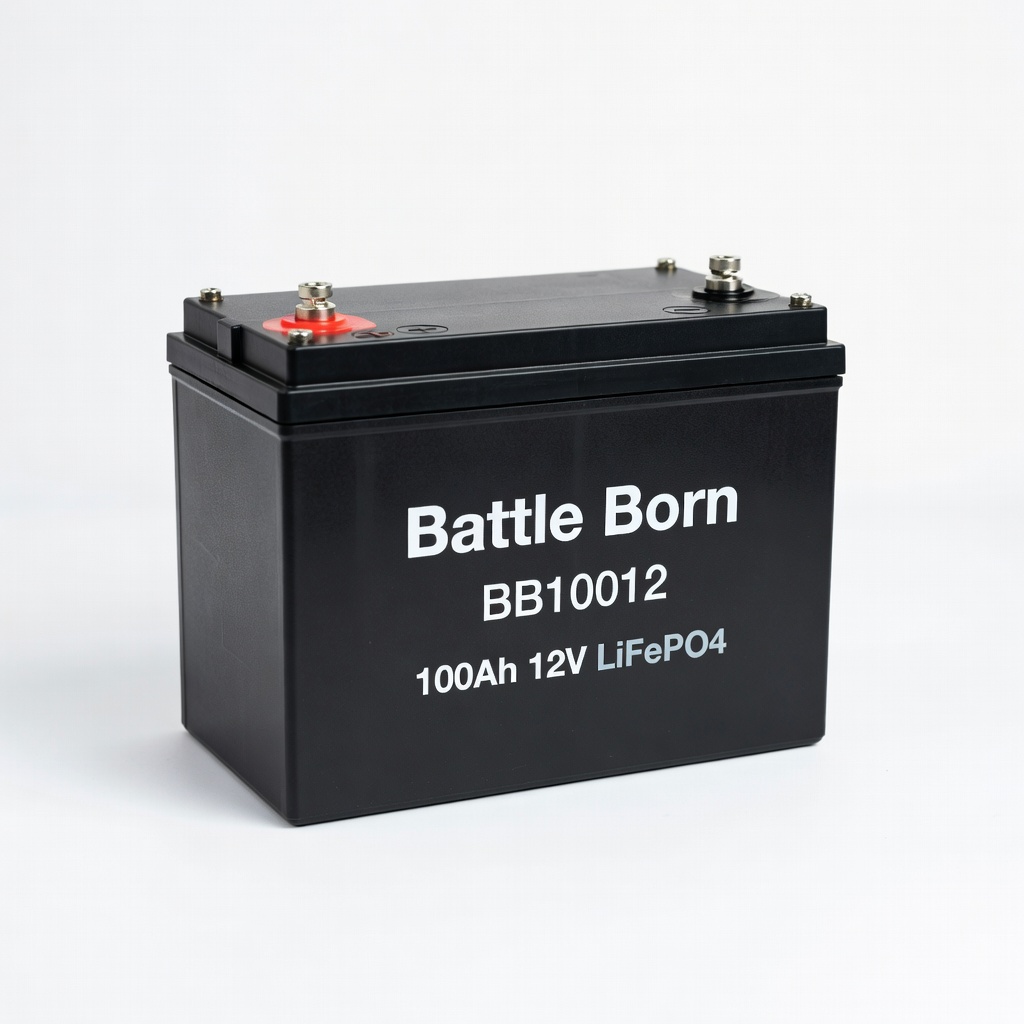
Premium for full-time van life or remote cabins demanding reliability.
Battle Born BB10012 100Ah 12V LiFePO4 Top-tier 3500-7000 cycles, 100% DoD, 10-year warranty—proven in harsh off-grid.
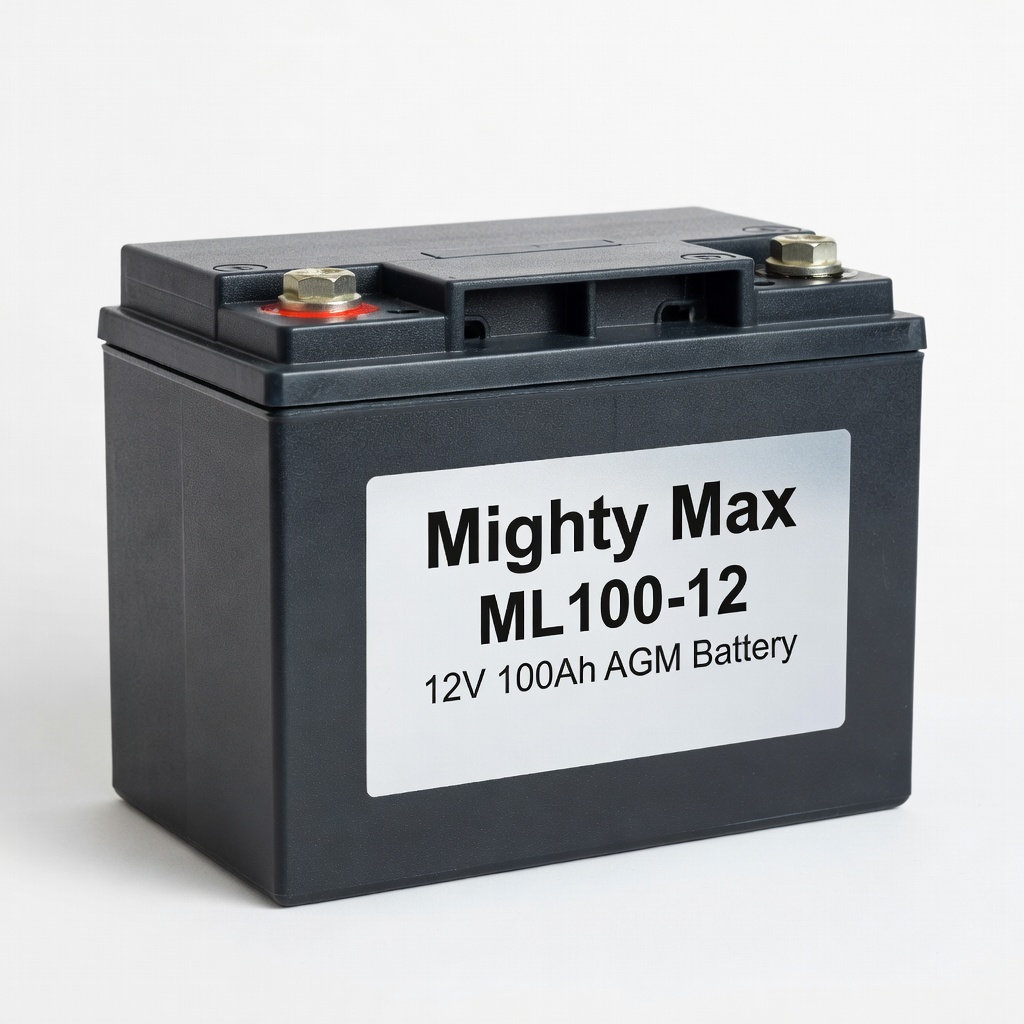
Entry-level solar testing or light loads under $200.
Mighty Max ML100-12 12V 100Ah AGM Battery Budget deep-cycle option, spill-proof, maintenance-free for beginners.
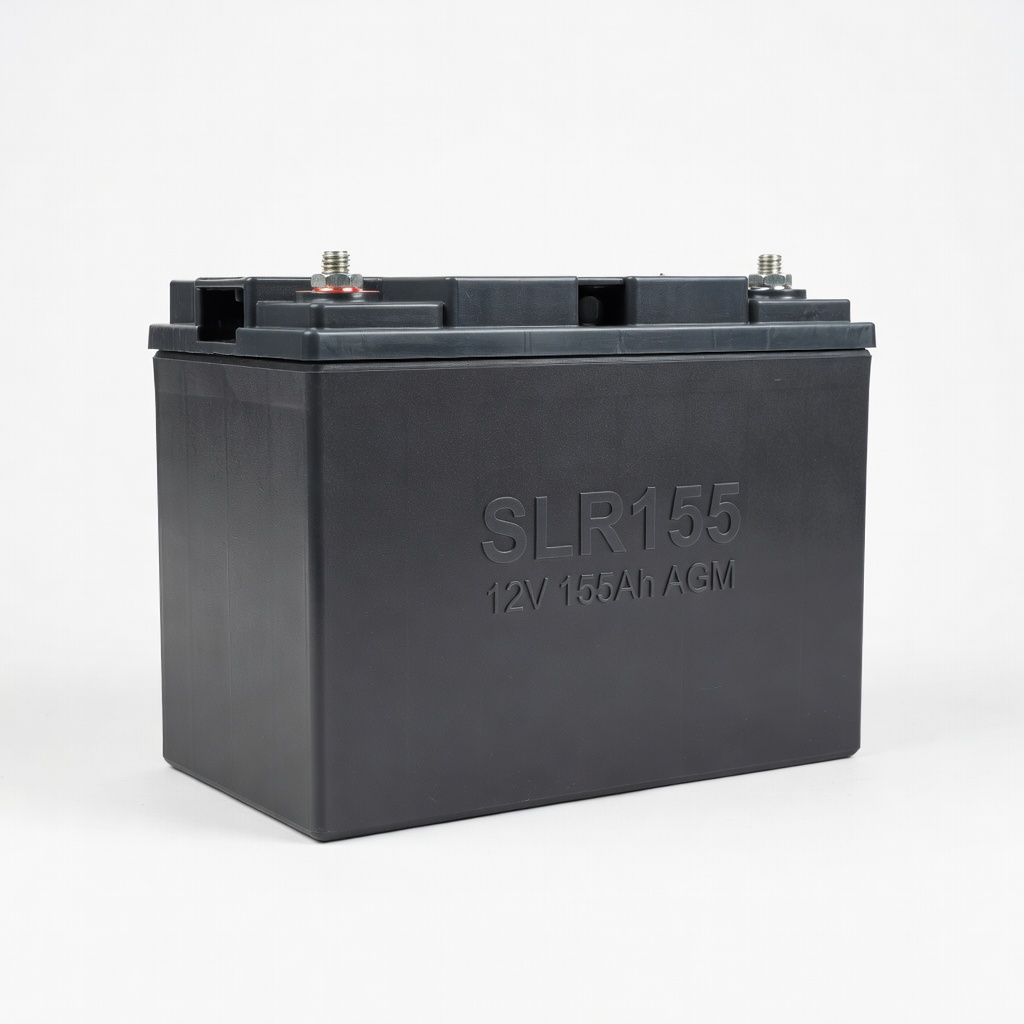
Larger systems needing affordable bulk storage.
VMAXTANKS SLR155 12V 155Ah AGM High capacity per dollar, rugged for marine/off-grid abuse.