
Weize 12V 35Ah AGM Battery
Daily commuting lights/horns; deep-cycle reliable.
$70-$80
Weize 12V 35Ah AGM Battery Affordable, sealed, vibration-resistant AGM ideal for beginner e-bike accessories or light duty.
Get the App
Better experience on mobile
Discover key factors to pick the perfect 12V battery for your electric bike, ensuring safety, range, and performance without overspending.
Choosing the wrong battery for your electric bike can lead to frustrating short rides, frequent replacements, or even safety hazards like overheating. Many beginners grab the cheapest option, only to regret it when power fades mid-commute. Whether you're powering accessories like lights and horns or a compact 12V e-bike system, the right battery makes all the difference.
In this guide, you'll learn the essential specs—capacity, chemistry, size, and more—to confidently select a 12V battery. We'll break it down step-by-step for beginners, so you can match it to your bike's needs. Expect to spend 20-30 minutes researching; no tools required beyond your bike manual and a computer.
By the end, you'll know exactly what to buy for optimal range, longevity, and value, avoiding common pitfalls.
Estimated Time: 20-30 minutes Difficulty: beginner
Start by reviewing your e-bike's manual or specs to confirm it uses a 12V system. Note the total power draw in amps (A) or watt-hours (Wh) for components like lights (5-10W), horns, or small motors. For example, a basic accessory setup might need 10-20A continuous draw.
Why it matters: Mismatched voltage or insufficient capacity causes voltage drops, reducing performance. Expect to list daily usage—e.g., 2 hours of lights per ride.
💡 Tips:
⚠️ Warnings:
12V batteries come in lead-acid (flooded, AGM, Gel), lithium-ion (LiFePO4), and nickel-based. AGM lead-acid is cheap and vibration-resistant for e-bikes; LiFePO4 offers lighter weight (half of lead-acid) and 5x more cycles but costs more.
Analogy: Lead-acid is like a reliable truck—affordable but heavy; LiFePO4 is a sports car—fast discharge, long life. Choose based on budget and weight limits.
💡 Tips:
Amp-hour (Ah) rating shows how much charge it holds—e.g., 20Ah lasts longer than 12Ah at same draw. For e-bikes, aim for 20-100Ah depending on use: 20Ah for accessories, 50Ah+ for propulsion.
Why? Higher Ah means longer range. Match to your draw: If 10A for 2 hours, need 20Ah minimum. Check usable capacity (lead-acid: 50%; lithium: 80-100%).
⚠️ Warnings:
C-rate measures how fast it delivers power (e.g., 1C = full capacity in 1 hour). E-bikes need high discharge for bursts (e.g., hills). Look for 1C+ on lithium.
Expect labels like '200A cranking' for starters, but deep-cycle for sustained use.
💡 Tips:
E-bikes have tight spaces—measure battery compartment (L x W x H in inches). Weight matters: Lithium ~10-20lbs for 50Ah vs lead-acid 40lbs.
Why? Poor fit vibrates loose; heavy batteries strain frame. Use mounting trays.
Cycles = charge/discharge repeats before 80% capacity loss. AGM: 300-500; LiFePO4: 2000-5000. Warranty 1-5 years signals quality.
Longer life saves money long-term.
💡 Tips:
Look for UL, CE, BMS (Battery Management System) on lithium to prevent overcharge/fire. Sealed AGM avoids spills.
Critical for e-bikes near pedals.
⚠️ Warnings:
$0.50-$2 per Ah. Budget $50-100 for basic AGM; $200-500 for lithium. Factor maintenance (lead-acid needs water).
💡 Tips:
Scan Amazon/Reddit for e-bike use. Verify terminals (post, F2) match. Test charge first.
Problem: Battery dies quickly
Solution: Check parasitic drain or undersized Ah; test with multimeter.
Problem: Won't hold charge
Solution: Sulfation on lead-acid—desulfate or replace; balance lithium cells.
Problem: Overheats during use
Solution: Wrong chemistry or no BMS; ventilate and inspect.
Problem: Doesn't fit
Solution: Double-check dimensions; use adapters cautiously.
Affordable, sealed, vibration-resistant AGM ideal for beginner e-bike accessories or light duty.
Best for: Daily commuting lights/horns; deep-cycle reliable.
Price Range: $70-$80
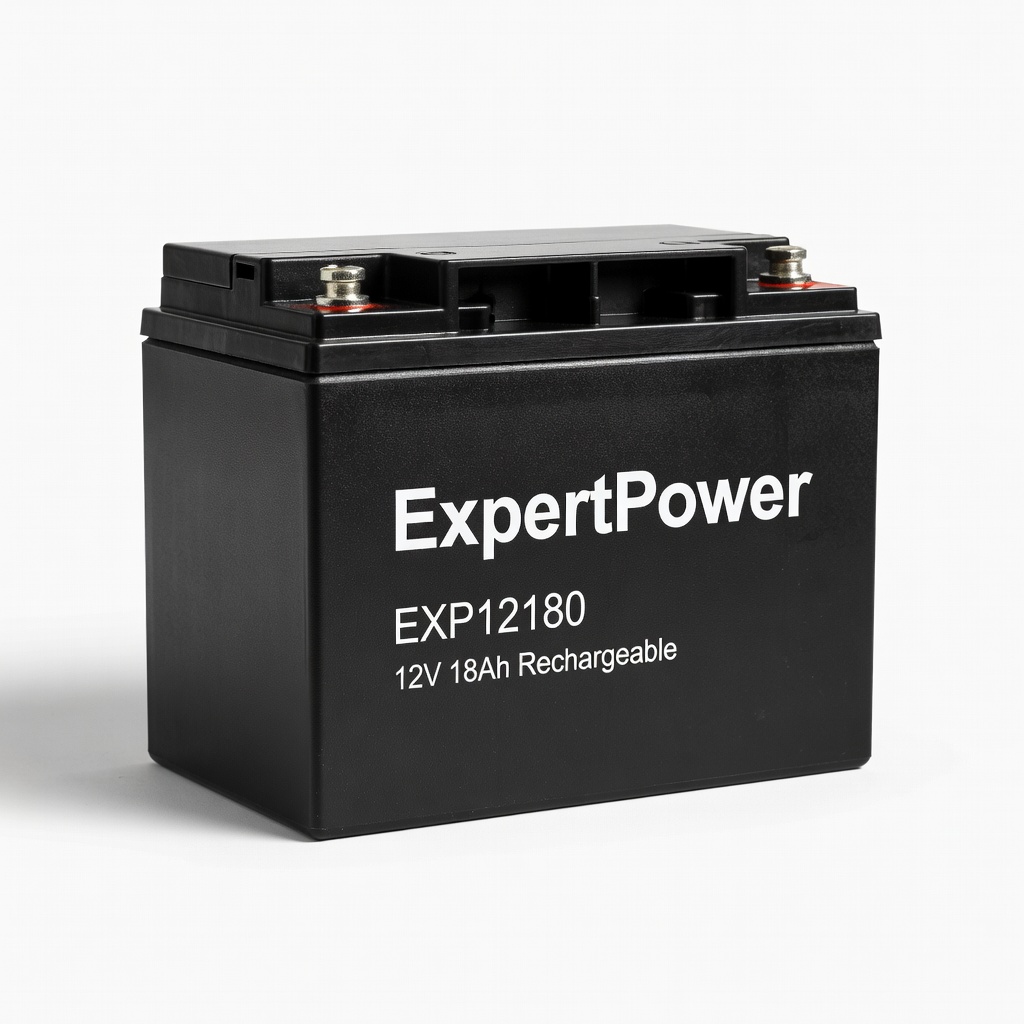
Compact SLA with good discharge for small e-bikes; maintenance-free.
Best for: Budget setups, short rides under 1 hour.
Price Range: $35-$45
Lightweight (23lbs), 4000+ cycles, built-in BMS for safety and longevity.
Best for: High-performance e-bikes needing range and power bursts.
Price Range: $300-$350
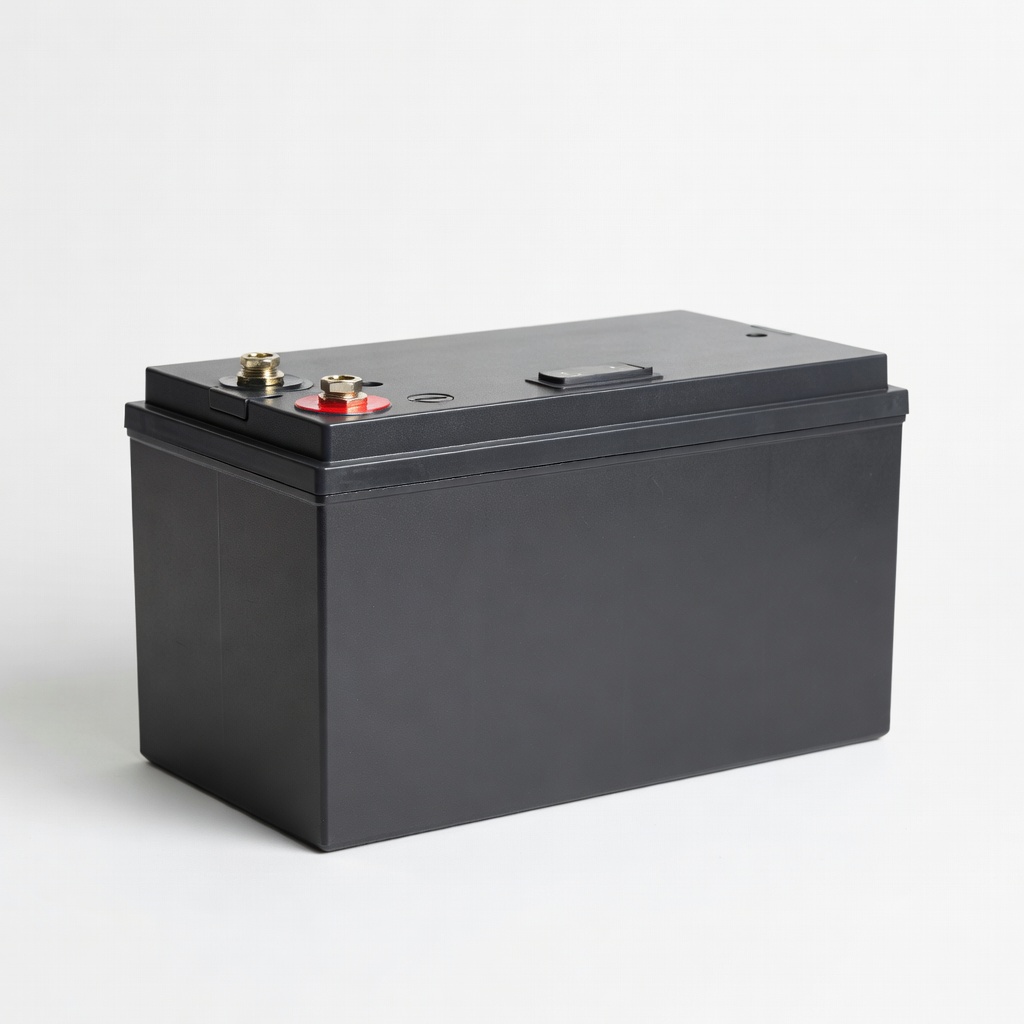
Excellent value lithium with low-temp protection; outperforms lead-acid.
Best for: All-weather e-biking, heavy loads.
Price Range: $220-$260
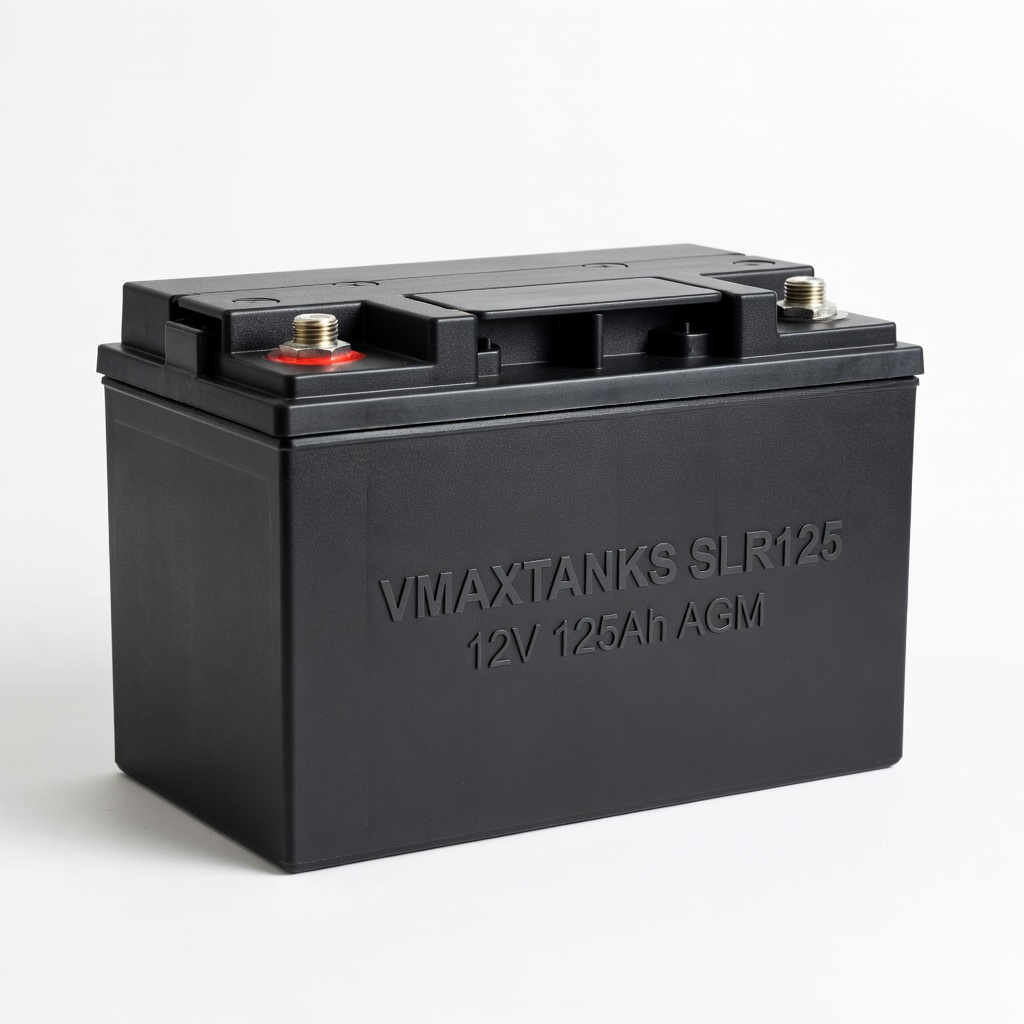
High capacity for extended use; rugged for off-road e-bikes.
Best for: Long tours or multiple accessories.
Price Range: $250-$280
Daily commuting lights/horns; deep-cycle reliable.
Weize 12V 35Ah AGM Battery Affordable, sealed, vibration-resistant AGM ideal for beginner e-bike accessories or light duty.
Budget setups, short rides under 1 hour.
ExpertPower EXP12180 12V 18Ah Rechargeable Compact SLA with good discharge for small e-bikes; maintenance-free.

High-performance e-bikes needing range and power bursts.
Renogy 12V 100Ah LiFePO4 Battery Lightweight (23lbs), 4000+ cycles, built-in BMS for safety and longevity.
All-weather e-biking, heavy loads.
Ampere Time 12V 100Ah LiFePO4 Excellent value lithium with low-temp protection; outperforms lead-acid.
Long tours or multiple accessories.
VMAXTANKS SLR125 12V 125Ah AGM High capacity for extended use; rugged for off-road e-bikes.