
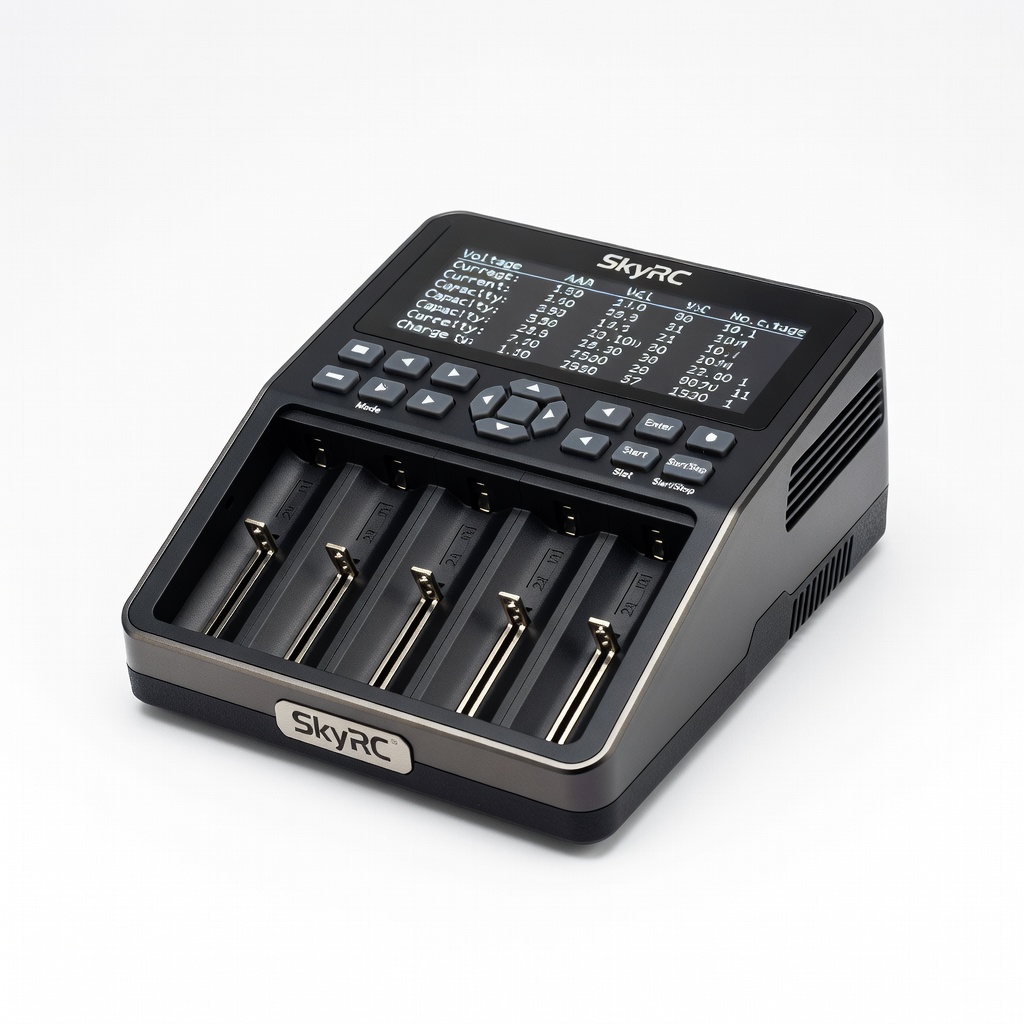
SkyRC MC3000 Battery Analyzer
High-volume testing for hobbyists; graph voltage curves.
$100-$110
SkyRC MC3000 Battery Analyzer Professional 4-bay tester with Bluetooth logging, precise 0.01A resolution for AAA NiMH.
Get the App
Better experience on mobile
Accurately measure AAA battery mAh with advanced testers to optimize device performance and avoid costly replacements.
Ever popped fresh AAA batteries into your RC toy or flashlight only to have them die prematurely? For advanced users managing high-drain gadgets like drones, wireless mics, or vaporizers, knowing the true capacity (mAh) of AAA batteries is crucial. Subpar cells can cause intermittent failures or data loss.
In this guide, you'll learn to use a dedicated battery analyzer for precise discharge testing on NiMH or NiCd AAA batteries (alkalines are less ideal due to non-reversible discharge). We'll cover calibration, parameter setup, and result interpretation. Expect 30-60 minutes per battery, depending on capacity—perfect for hobbyists with electronics knowledge.
No guesswork: follow these steps for lab-grade accuracy, ensuring your batteries deliver rated performance.
Estimated Time: 30-60 minutes per battery (plus 2-4 hours charging) Difficulty: advanced
Choose a programmable analyzer supporting AAA size (14.5-17mm diameter). Look for features like adjustable discharge current (0.1-2A), cutoff voltage detection (0.9-1.0V for NiMH), and mAh logging.
Why it matters: Basic load testers give voltage only; true capacity requires full discharge to calculate mAh (current x time). Expect bays labeled for AAA/AAAA.
Success: Tester powers on, displays firmware version, and AAA slot fits snugly.
💡 Tips:
⚠️ Warnings:
Insert the AAA into a smart charger (same device if combo unit). Set to 0.5C charge rate (e.g., 500mA for 1000mAh battery) until delta-V detection or timed cutoff.
Why: Testing from partial charge skews results low. NiMH need -dV peak for 100% SOC.
Expect: Battery warm (not hot), voltage ~1.4-1.5V post-charge. Rest 1 hour for stabilization.
💡 Tips:
Set multimeter to DCV (20V range), touch probes to battery terminals (+ red to flat end).
Why: Confirms full charge (>1.4V). <1.3V means re-charge needed.
Success: Reading 1.40-1.50V; discard if <1.35V.
⚠️ Warnings:
Align polarity (flat + end first in most testers). Ensure firm contact; clean terminals with isopropyl if corroded.
Why: Poor connection causes premature cutoff.
Expect: Tester beeps/LED confirms detection.
💡 Tips:
Set discharge current to 0.2-0.5C (e.g., 300mA for 1500mAh AAA), cutoff 1.0V, capacity limit per spec. Enable logging if available.
Why: Matches real-world drain; higher C risks heat/ inaccuracy.
Success: Screen shows settings confirmed.
⚠️ Warnings:
Initiate discharge cycle. Tester applies load, measures current/time until cutoff.
Why: Computes mAh = ∫I dt. Monitor temp (<50°C).
Expect: Progress bar, voltage drop over time.
💡 Tips:
Observe for anomalies (sudden voltage sag = bad cell). Note elapsed time, final mAh.
Why: Early termination flags defects.
Success: Test ends automatically; capacity displayed (e.g., 1420mAh).
Compare to rated mAh (80%+ good). Repeat 2-3 cycles for average.
Why: Single test varies 5-10%; cycling stabilizes.
Success: Log in spreadsheet: mAh, IR (internal resistance if measured), cycle count.
💡 Tips:
Problem: Tester doesn't detect battery
Solution: Check polarity, clean terminals, reseat. Test voltage >1.2V.
Problem: Unrealistically low capacity (<50%)
Solution: Re-charge fully, verify C-rate, check for heat damage. Retest.
Problem: Overheating during test
Solution: Pause, lower current to 0.1C. Ensure ventilation.
Problem: Inconsistent repeats (±10%)
Solution: Cycle 3x, control temp/humidity. Calibrate tester.
Professional 4-bay tester with Bluetooth logging, precise 0.01A resolution for AAA NiMH.
Best for: High-volume testing for hobbyists; graph voltage curves.
Price Range: $100-$110
Reliable AAA capacity measurement with 0.5A-3A rates, cycle functions.
Best for: Breaking in new batteries or matching sets.
Price Range: $60-$70
Compact, affordable with IR testing and 0.5-3A discharge for quick AAA checks.
Best for: Budget advanced users needing portability.
Price Range: $35-$45
Advanced refresh/break-in modes, PC link for data export on AAA.
Best for: Long-term capacity tracking over cycles.
Price Range: $45-$55
High-volume testing for hobbyists; graph voltage curves.
SkyRC MC3000 Battery Analyzer Professional 4-bay tester with Bluetooth logging, precise 0.01A resolution for AAA NiMH.
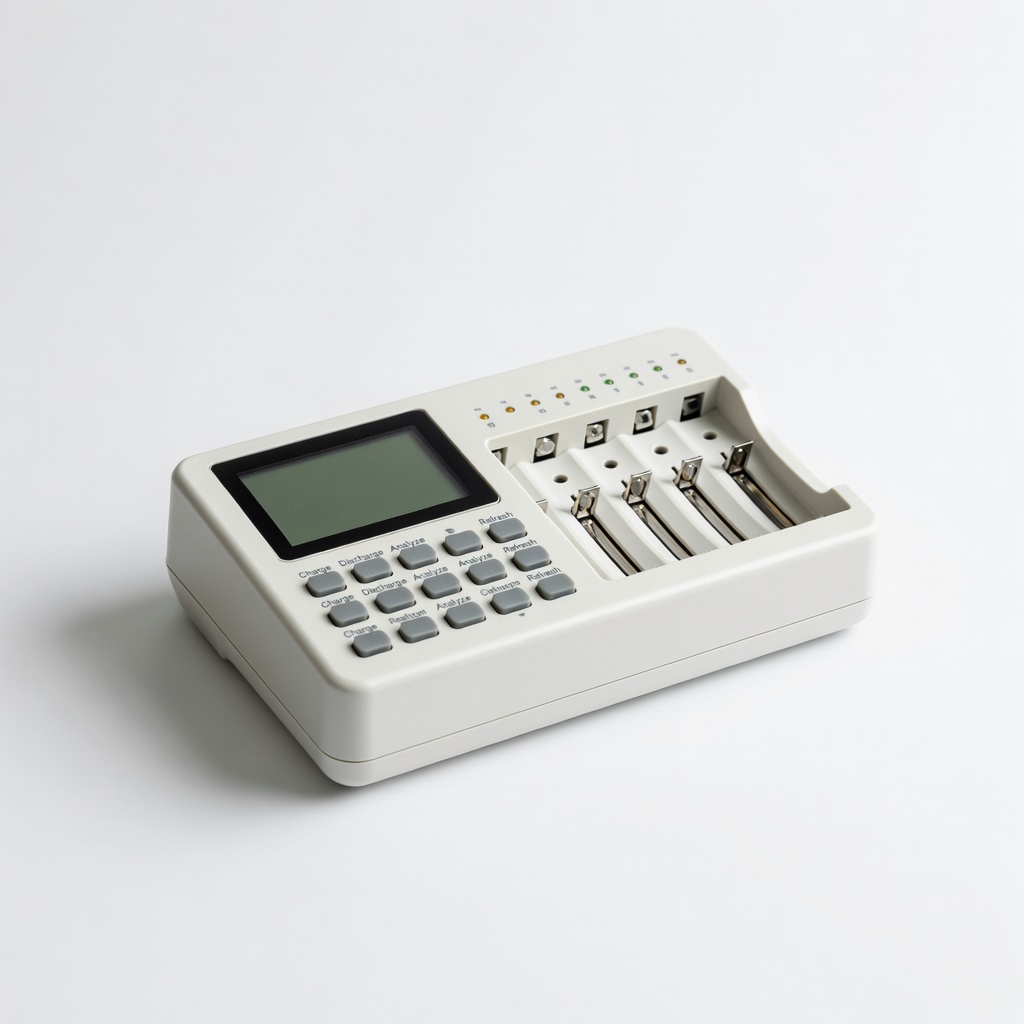
Breaking in new batteries or matching sets.
Maha Powerex MH-C9000 WizardOne Reliable AAA capacity measurement with 0.5A-3A rates, cycle functions.
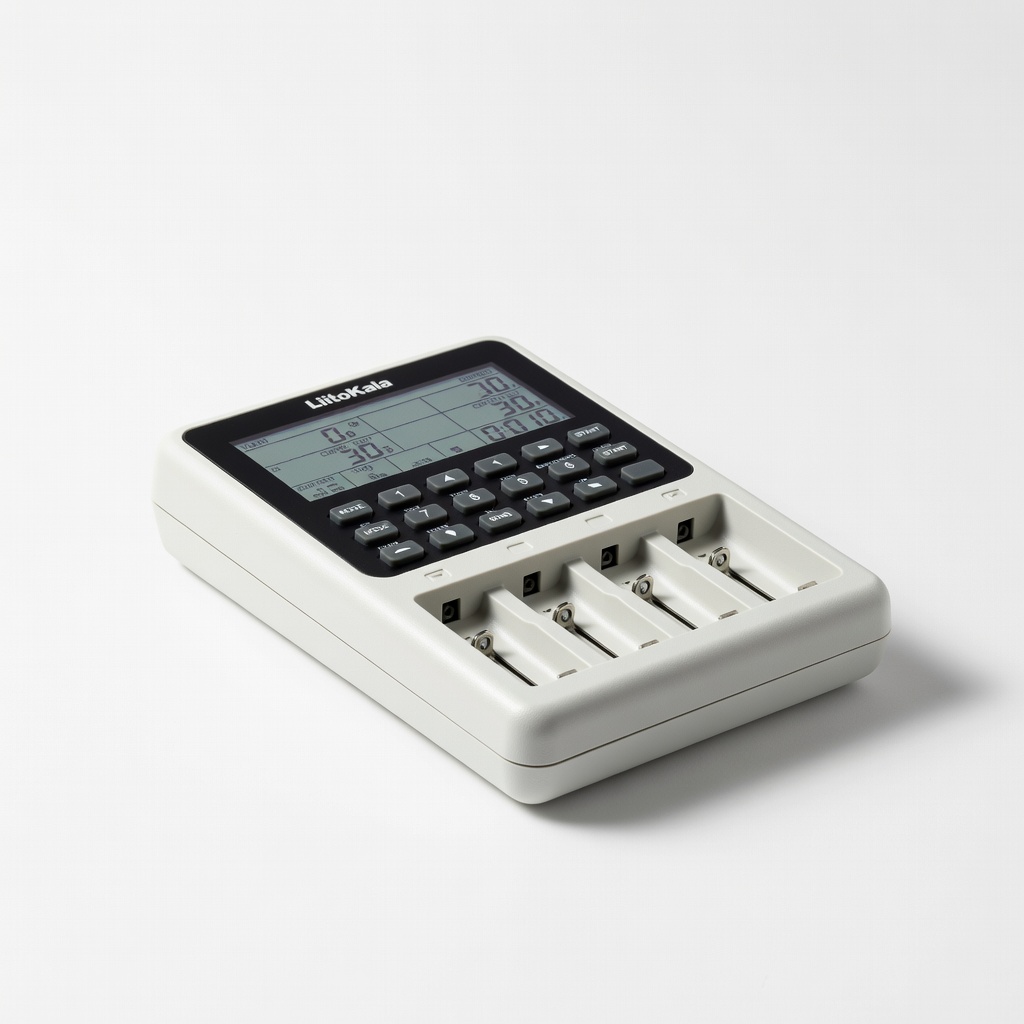
Budget advanced users needing portability.
LiitoKala Lii-500 Intelligent Tester Compact, affordable with IR testing and 0.5-3A discharge for quick AAA checks.
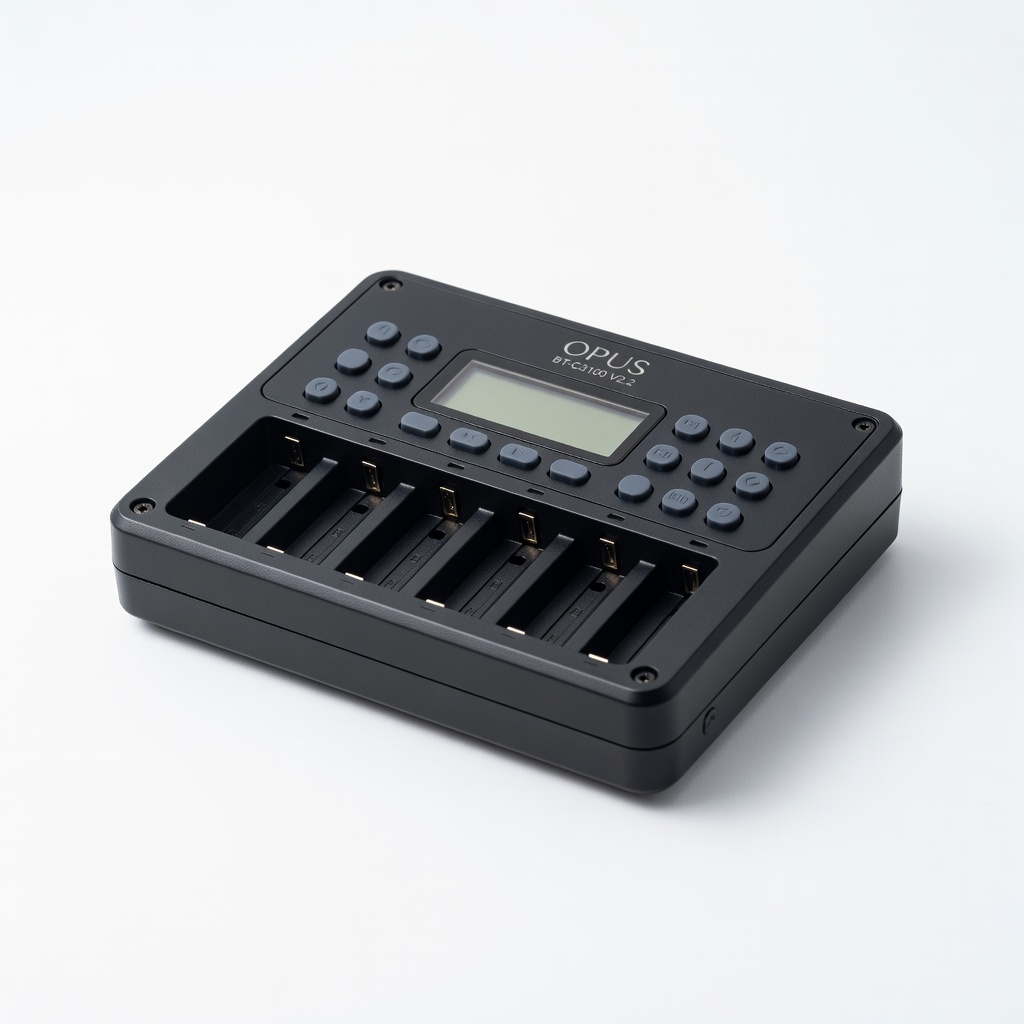
Long-term capacity tracking over cycles.
OPUS BT-C3100 V2.2 Analyzer Advanced refresh/break-in modes, PC link for data export on AAA.