Overheating is a top killer of 6V batteries, like those in scooters, lawn mowers, or emergency lights, leading to reduced capacity, leaks, or explosions. Without proper care, fast charging or poor monitoring can ruin your battery in one go. This guide solves that pain by teaching you foolproof methods.
You'll learn to select tools, monitor vitals, and charge safely step-by-step. By the end, your batteries will charge efficiently without exceeding safe temperatures (under 45°C/113°F).
Expect 30-45 minutes for the process (plus charge time), beginner-friendly with no prior experience needed—just follow along.
▸What You'll Need
- •Compatible 6V charger (smart automatic preferred)
- •Digital multimeter for voltage checks
- •Infrared thermometer or temperature probe
- •Clean, ventilated workspace
- •Safety gloves and goggles (required)
- •Distilled water (for flooded batteries only, optional)
- •Alligator clips or ring terminals (if needed)
Estimated Time: 30-45 minutes active time + 4-12 hours charging
Difficulty: beginner
▸Step-by-Step Instructions
Step 1: Prepare a Safe Workspace
Choose a cool, well-ventilated area away from flammable materials. Ideal temperature: 20-25°C (68-77°F). Lay down a non-conductive surface like a wooden board.
Why it matters: Heat buildup during charging needs escape; poor ventilation traps it, causing overheating.
Lay out all tools. Wear gloves and goggles. Success: Clean, organized space ready—no clutter.
💡 Tips:
- •Use a fan for airflow if ambient temp >25°C.
⚠️ Warnings:
- •Never charge in direct sunlight or near heat sources.
Step 2: Inspect the Battery
Visually check for cracks, bulges, leaks, or corrosion on terminals. For flooded batteries, ensure electrolyte levels are topped with distilled water.
Why: Damaged batteries can overheat violently. Wipe terminals clean with baking soda/water mix if corroded, then rinse and dry.
Success: Battery looks intact, terminals shine—no damage signs.
💡 Tips:
- •Take 'before' photos for records.
⚠️ Warnings:
- •Discard swollen or leaking batteries—do not charge.
Step 3: Measure Initial Voltage and Temp
Use multimeter on DC volts: Red probe to positive (+), black to negative (-). Healthy 6V battery: 6.0-6.3V discharged, >6.3V charged.
Scan surface with infrared thermometer: Should be <30°C.
Why: Baseline prevents overcharging. Log readings.
Success: Readings noted; voltage >5.5V (else recycle).
💡 Tips:
- •Zero multimeter first for accuracy.
Step 4: Select and Set Up Charger
Pick a 6V smart charger (1-2A for most). Set to '6V lead-acid' mode, low amp (C/10 rate, e.g., 0.7A for 7Ah battery).
Why: High amps = heat. Smart chargers auto-stop.
Plug into outlet but don't connect yet. Success: Charger displays correct settings.
💡 Tips:
- •Manual chargers? Use 1.7V/cell (5.1V total) float.
⚠️ Warnings:
- •Wrong voltage fries battery.
Step 5: Connect Charger Properly
Match red to +, black to -. Secure clips. No sparks? Good.
Why: Reverse polarity overheats instantly.
Start charger. Watch for steady LED (charging mode). Success: Charger beeps/LED green, no smoke.
💡 Tips:
- •Charge positive first, then negative.
Step 6: Monitor Temperature Closely
Check temp every 15-30 min. Stop if >45°C (113°F). Voltage should rise slowly to 7.2-7.5V peak.
Why: >45°C damages plates, shortens life.
Use fan if warming. Success: Temp stable <40°C throughout.
💡 Tips:
- •Set phone timer for checks.
⚠️ Warnings:
- •Hot to touch? Unplug immediately.
Step 7: Complete and Disconnect Charge
Smart charger auto-stops (full LED). Or when voltage holds 6.9V float, current <0.1A.
Unplug charger first, then disconnect clips (neg first).
Why: Overcharge boils electrolyte.
Success: Battery at 6.8-7.2V, cool to touch.
💡 Tips:
- •Trickle charge weekly for maintenance.
Step 8: Test Final Performance
Re-measure voltage/temp. Load test if possible (e.g., connect bulb briefly).
Why: Confirms safe charge.
Store in cool place. Success: Voltage >6.3V, no heat.
⚠️ Warnings:
- •Don't store fully charged >1 month without float.
▸Pro Tips
- •Charge at C/10 rate (amps = Ah capacity /10) for coolest results.
- •Use desulfator mode on smart chargers for old batteries.
- •Ambient temp <25°C? Charge overnight unattended.
- •Log every charge: Builds data for battery health trends.
- •For multiple batteries, charge one-by-one to focus monitoring.
- •Add voltage equalizer for uneven cells.
- •Winter charging? Warm battery to room temp first.
▸Common Mistakes to Avoid
- •Using 12V charger: Doubles voltage, causes explosion—always confirm 6V setting.
- •Ignoring temp checks: Leads to thermal runaway—set reminders.
- •High-amp charging: Generates excess heat—stick to 1A max for beginners.
- •Charging damaged batteries: Risk of fire—inspect first.
- •Reverse connections: Sparks and damage—double-check polarity.
▸Troubleshooting
Problem: Battery gets hot quickly (>45°C in 10 min)
Solution: Reduce amps, improve ventilation, or check for shorted cells with multimeter (resistance <0.1Ω bad).
Problem: Charger won't start
Solution: Verify polarity, clean terminals, test outlet. Battery <4V? May need manual boost or replacement.
Problem: Voltage doesn't rise
Solution: Sulfated battery—use desulfator or replace. Ensure good connections.
Problem: Overcharge symptoms (gassing, smell)
Solution: Stop immediately, ventilate. Next time, use auto-shutoff charger.
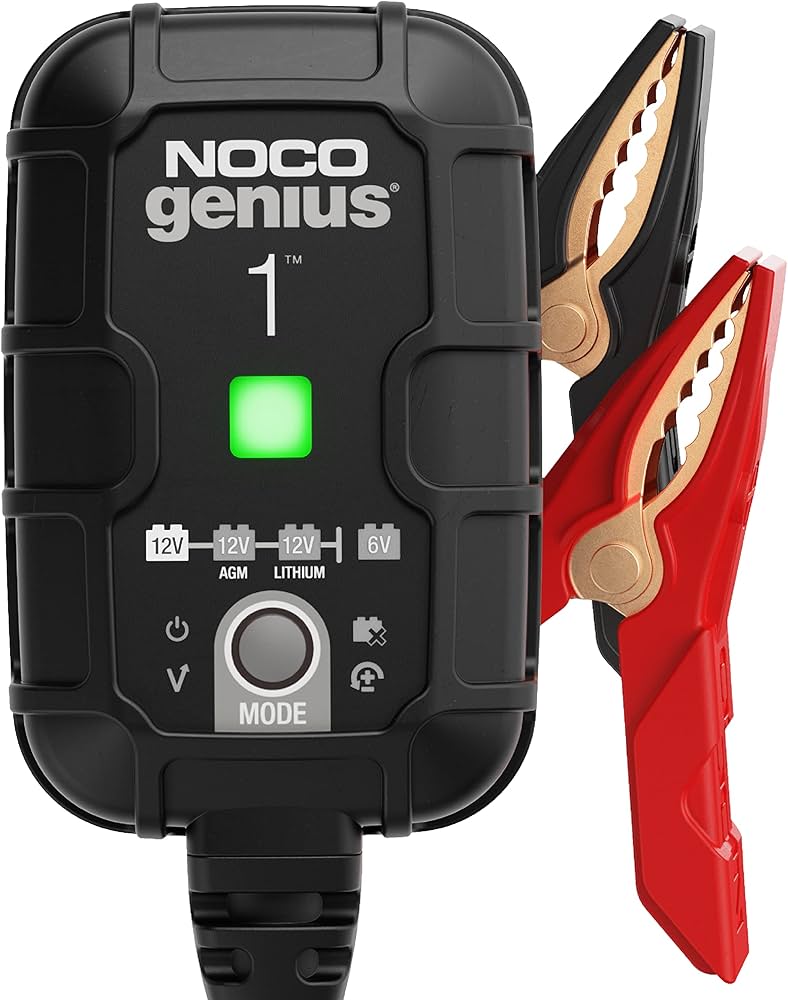
NOCO GENIUS1 6V/12V 1A Smart Battery Charger
Automatic temp compensation and overheat protection make it ideal for safe 6V charging.
Best for: Perfect for SLA 6V batteries in scooters or alarms—monitors and stops precisely.
Price Range: $29.95
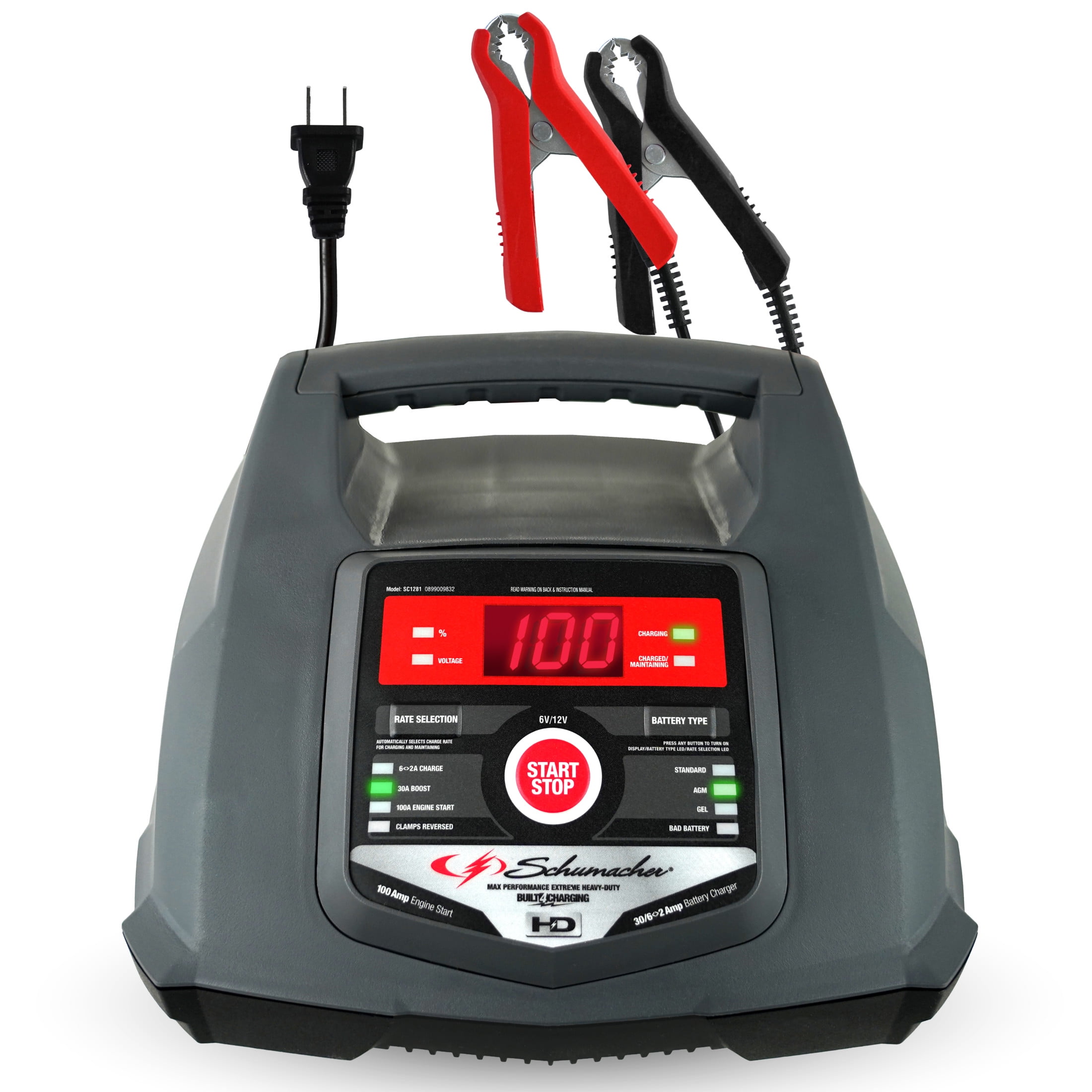
Schumacher SC1281 15A 6V/12V Battery Charger
Microprocessor-controlled with multi-stage charging prevents overheating on larger batteries.
Best for: For 6V flooded or AGM batteries up to 40Ah, like lawn tractors.
Price Range: $39.96
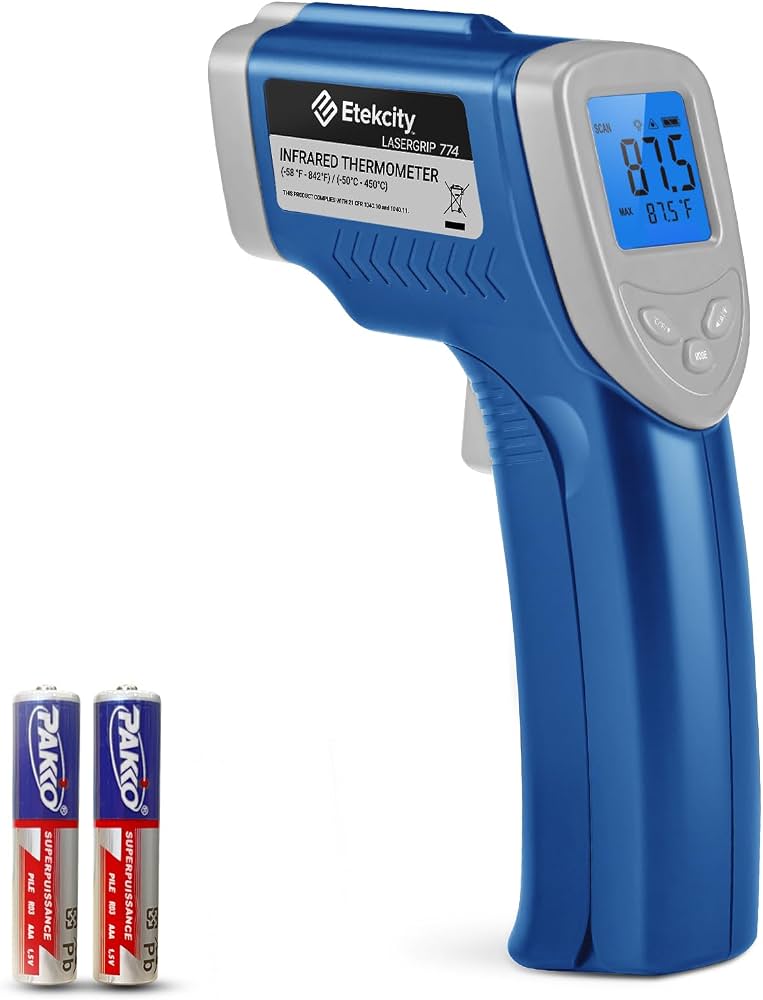
Etekcity Lasergrip 774 Infrared Thermometer
Non-contact temp reads battery surface instantly for real-time monitoring.
Best for: Essential during charging to catch heat spikes early.
Price Range: $19.99
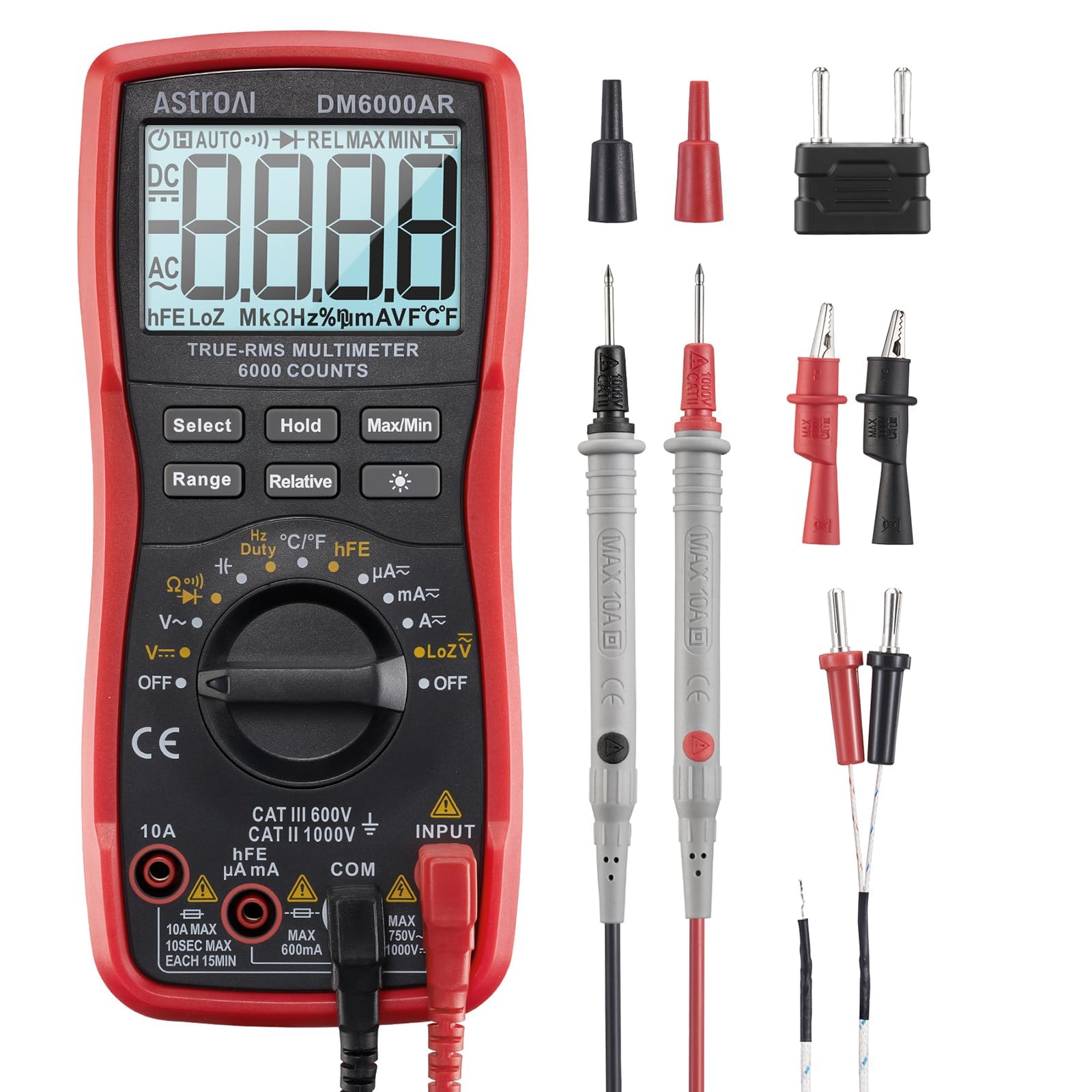
AstroAI Digital Multimeter TRMS 6000 Counts
Accurate voltage/current reads with auto-ranging for beginners.
Best for: Pre/post-charge testing and troubleshooting.
Price Range: $12.99
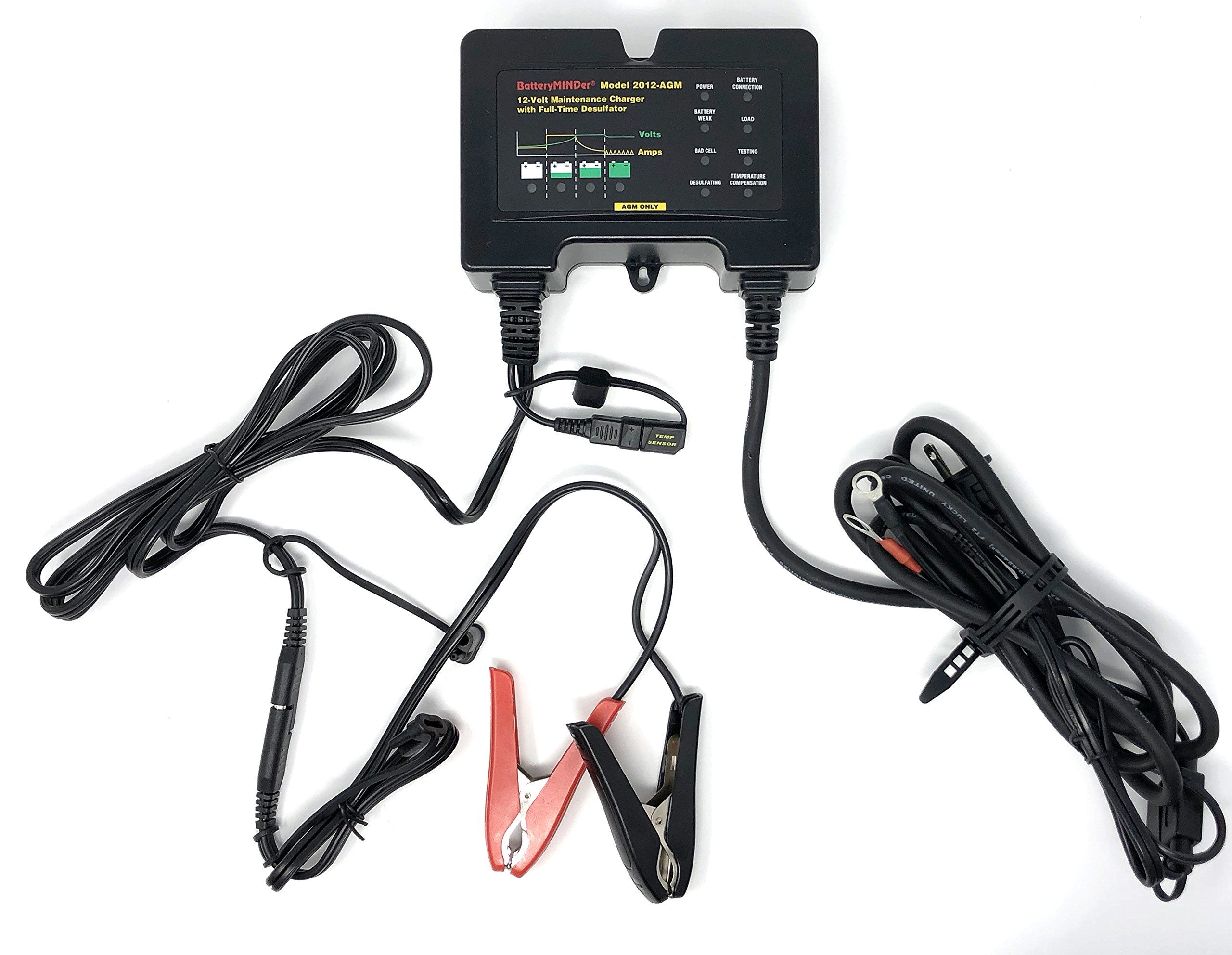
BatteryMINDer 2012-6 6V Charger/Maintainer
Desulfates and maintains without overcharge, extending battery life 3x.
Best for: Long-term storage of 6V batteries like security systems.
Price Range: $69.95