Nothing kills the vibe like dull, buzzing strings on your acoustic-electric guitar. Whether a string snapped mid-jam or your tone has gone flat after months of play, learning to change strings yourself saves money and builds confidence. Fresh strings restore that crisp, resonant sound perfect for strumming or plugging in.
In this step-by-step guide, you'll learn everything from loosening old strings to winding new ones perfectly. We'll cover acoustic-specific details like bridge pins, plus tips for the electric pickup side. No prior experience needed—expect 20-30 minutes total, with most time tuning and stretching.
By the end, your guitar will sound brand new, tune stably, and feel smooth under your fingers. Let's get started!
▸What You'll Need
- •New acoustic guitar strings (light gauge phosphor bronze recommended for acoustic-electric, e.g., 12-53 set)
- •Wire cutters or string clippers (required for safe trimming)
- •Peg winder (highly recommended for speed)
- •Electronic tuner (clip-on or app)
- •Clean microfiber cloth
- •Optional: Capo, string lubricant (for pins), needle-nose pliers for stubborn pins
Estimated Time: 20-30 minutes
Difficulty: beginner
▸Step-by-Step Instructions
Step 1: Prepare Your Workspace and Guitar
Lay down a soft towel or guitar stand to protect your acoustic-electric guitar from scratches. Plug in a tuner and detune all strings by turning the tuning pegs counterclockwise until slack. This reduces tension safely.
Why it matters: Slack strings prevent neck stress and make removal easier. Expect floppy strings—no damage risk.
Work in good light; have tools nearby.
💡 Tips:
- •Tune down gradually to avoid sudden tension release.
⚠️ Warnings:
- •Never cut taut strings—they can whip back and injure you.
Step 2: Remove Old Strings One by One
Start with the low E (thickest). Unwind at the tuning peg, pull the string out from the headstock. At the bridge, insert the peg winder or pliers into the bridge pin hole and pull straight up gently.
Slide the old string out. Repeat for each string, working from thickest to thinnest. Acoustic-electrics have pins on all six strings—be patient if one sticks.
Success: All strings removed, bridge empty. Neck will feel relieved.
💡 Tips:
- •Remove one at a time to keep some tension on the neck.
⚠️ Warnings:
- •Twist pins counterclockwise if stuck—don't yank to avoid cracking wood.
Step 3: Clean the Guitar Thoroughly
Wipe the fretboard, body, and bridge with a microfiber cloth. Use fretboard conditioner if dry (optional). Dust electronics area lightly—no liquids near pickup.
Why: Removes grime for better new string tone and prevents dirt transfer. Fretboard cleans up nicely, revealing wood grain.
Let dry 1-2 minutes.
💡 Tips:
- •Steel wool #0000 for light fret polishing if oxidized.
⚠️ Warnings:
- •Avoid water or polish on electronics.
Step 4: Install the Low E String (Thickest First)
Unpack new strings; uncoil low E. Insert ball end into bridge pin hole from bridge side. Push pin in firmly until flush (peg end up).
Route string up neck, through nut slot, to tuning peg. Cut excess at peg (leave 2-3 inches), insert into peg hole, and wind clockwise (2-3 wraps for low strings).
Tune to pitch roughly. Success: Secure pin, string taut.
💡 Tips:
- •Lubricate pin hole with pencil graphite for smooth insertion.
⚠️ Warnings:
- •Pins must seat fully or string slips.
Step 5: Repeat for A, D, and G Strings
Follow same process for next three strings. Use 3-4 wraps on pegs for mediums. Tune each loosely, stretch string by pulling up gently 2-3 times.
Stretching settles strings faster, reduces tuning slips later.
Bridge now half-full; tension builds evenly.
💡 Tips:
- •Stretch from bridge toward neck for even pull.
⚠️ Warnings:
- •Over-stretching snaps new strings.
Step 6: Install High B and E Strings
Thinner strings: Fewer wraps (4-5). Same insertion method. Tune up, stretch lightly.
All strings on—guitar looks ready, but will detune initially.
Why last: Prevents tangling.
💡 Tips:
- •High strings break easiest—handle gently.
Step 7: Tune and Stretch All Strings
Tune to standard (EADGBE) using tuner. Stretch each string 3-4 times from bridge up. Re-tune after each stretch.
Repeat 3-5 cycles. Expect 10-15 mins here.
Success: Stable tuning, clear tone.
💡 Tips:
- •Use tuner app if no clip-on.
⚠️ Warnings:
- •Don't overtighten—check pitch accurately.
Step 8: Trim Excess String Ends and Final Check
Cut protruding ends at pegs with clippers. Play chords; check for buzzes. Plug in to test electric sound.
Wipe fingerprints. Play 10 mins to settle.
Done: Fresh, buzz-free guitar!
💡 Tips:
- •Bend cut ends for safety.
⚠️ Warnings:
- •Recheck pins tomorrow—they settle.
▸Pro Tips
- •Change strings every 1-3 months for optimal tone.
- •Buy coated strings (e.g., Elixir) for longer life.
- •Wind strings clockwise from inside hole for stability.
- •Stretch more on wound strings (low three).
- •Keep old strings for emergencies.
- •Tune up gradually during stretches.
- •Use a capo on 1st fret for easier stretches.
▸Common Mistakes to Avoid
- •Cutting strings under tension—causes injury; always slacken first.
- •Forcing bridge pins—cracks bridge; twist and pull gently.
- •Too many peg wraps—slips tuning; follow low/med/high rule.
- •Skipping stretches—constant retuning for days.
- •Wrong gauge strings—poor playability; match your guitar's setup.
▸Troubleshooting
Problem: String slips at bridge pin
Solution: Re-seat pin firmly; add graphite lubricant. Replace if cracked.
Problem: Buzzing frets after restring
Solution: Stretch more and retune. If persists, truss rod adjustment or pro setup.
Problem: Pickup sounds dead
Solution: Check battery in preamp; clean jacks. Normal after restring.
Problem: Pins won't budge
Solution: Warm guitar slightly or use pliers with cloth padding.
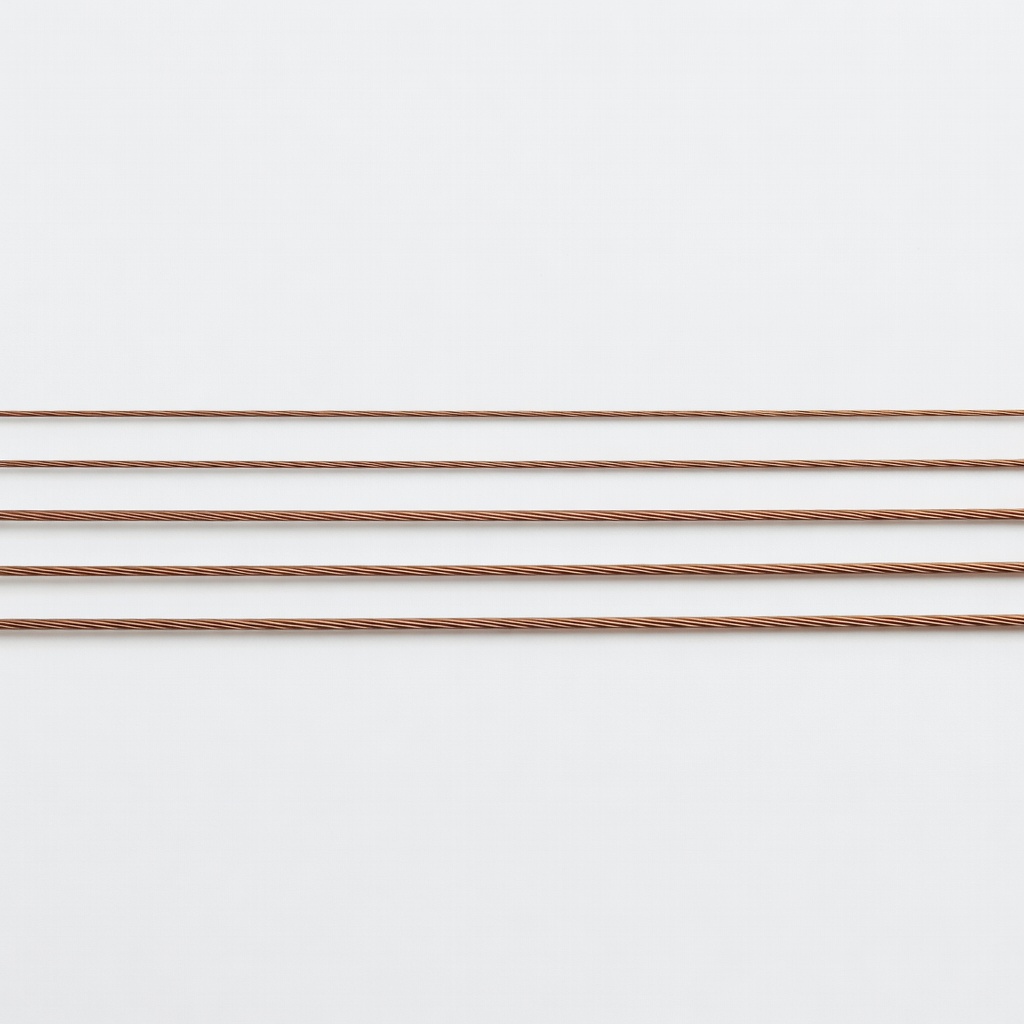
Elixir Nanoweb Phosphor Bronze Light Acoustic Guitar Strings (12-53)
Coated for corrosion resistance, bright tone ideal for acoustic-electrics—last 3-5x longer.
Best for: Every restring; protects against sweat for frequent players.
Price Range: $16.99
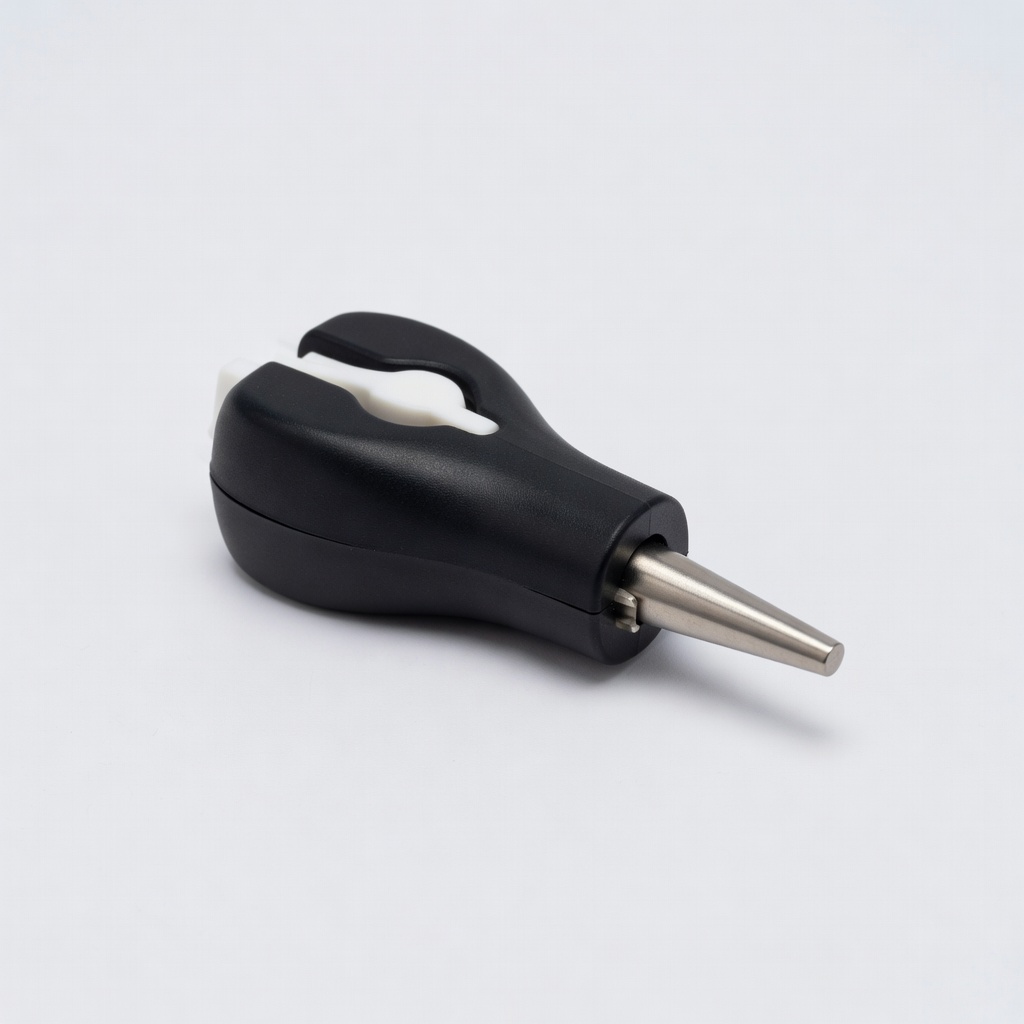
Planet Waves PWCT-13 Auto-Trim Peg Winder
3-in-1 tool trims strings automatically, pulls pins, winds pegs—saves time for beginners.
Best for: All restring jobs; essential for solo work.
Price Range: $15.99
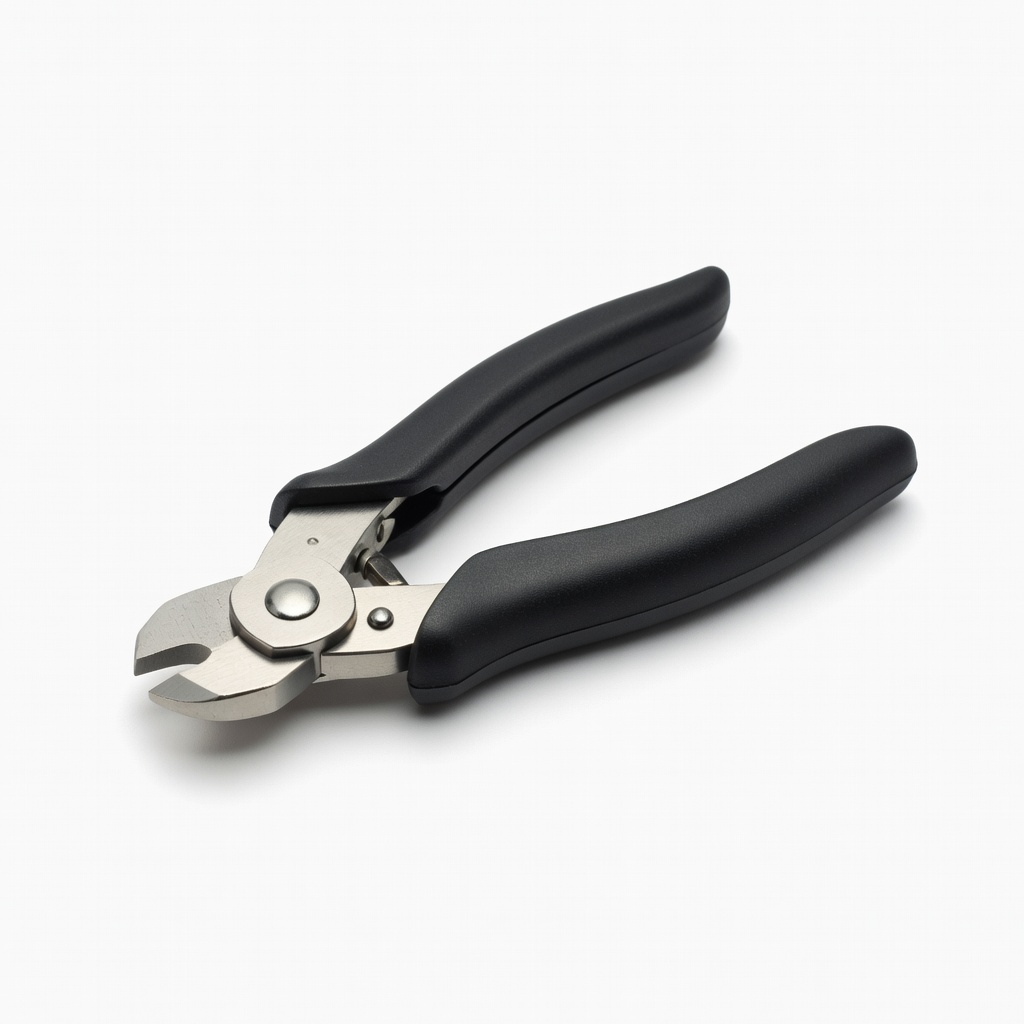
Dunlop 65C System 65 Guitar String Cutter
Precision jaws cut flush without nicks; compact and durable.
Best for: Trimming at pegs safely post-wind.
Price Range: $9.99
Snark SN-2X Clip-On Tuner
Vibrato detection, bright display—accurate for guitars with vibration.
Best for: Tuning during/after restring.
Price Range: $15.99
Ernie Ball Wonder Wipes
Pre-moistened for quick fretboard clean without residue.
Best for: Cleaning step; safe for unfinished rosewood.
Price Range: $5.99