

D'Addario EJ16 Phosphor Bronze Acoustic Guitar Strings
Replacement strings for standard acoustic guitars.
$6–$8
D'Addario EJ16 Phosphor Bronze Acoustic Guitar Strings Great all‑around strings with warm tone and long life. Ideal for beginners.
Get the App
Better experience on mobile
Learn to replace broken or old strings on your acoustic guitar in minutes with this step-by-step guide for beginners.
Nothing kills a practice session faster than a snapped guitar string. But changing a string doesn't have to be a frustrating ordeal—even for a beginner. This guide will walk you through the entire process of swapping out a string on your acoustic guitar, from removing the old one to tuning up the new. You'll learn the tools you need, the correct technique, and common pitfalls to avoid. By the end, you'll be able to restring your guitar in 15–20 minutes and get back to playing with bright, fresh sound.
Estimated Time: 15–20 minutes per string; 45–60 minutes for a full restringing Difficulty: beginner
Using the tuning peg, slowly turn the key to loosen the string. For standard right-handed tuning, turn counter‑clockwise for the high E, B, and G strings; clockwise for the low E, A, and D strings. Continue until the string is completely slack. A string winder can make this step much faster—attach it to the peg and spin.
💡 Tips:
⚠️ Warnings:
Once the string is slack, unwrap it from the tuning peg. You may need to unthread it from the peg hole. If the string is already broken, you can skip loosening and just pull it out. Set the old string aside for disposal.
💡 Tips:
Locate the bridge pin holding the string in the bridge. Using your fingers or a pair of pliers, gently pull the pin straight up. If it's tight, use a bridge pin puller (often built into string winders). Once the pin is out, pull the old string out of the bridge hole. Wipe away any dust or debris with a soft cloth.
💡 Tips:
⚠️ Warnings:
Take your new string and insert the ball end into the bridge hole. Push the ball end all the way in, then replace the bridge pin. Press the pin down firmly so it seats properly—the string should be snug. Give the string a gentle tug to ensure it's anchored.
💡 Tips:
⚠️ Warnings:
Pull the string up the neck and guide it into the appropriate tuning peg. For most guitars, thread the string through the hole in the peg, leaving about 2–3 inches of slack (roughly the length of two tuning pegs). Pull the string tight, then bend it at a right angle to keep it in place.
💡 Tips:
⚠️ Warnings:
Begin turning the tuning peg so the string winds neatly around it. Use your other hand to guide the string and keep tension. Aim for the wraps to go downward (toward the headstock) and not overlap. A string winder makes this fast and consistent.
💡 Tips:
⚠️ Warnings:
Use a tuner to bring the string up to the correct pitch. Pluck the string and turn the tuning peg slowly until the tuner shows the correct note (e.g., E for the high E string). Stretch the string gently by pulling it upward away from the fretboard, then retune. Repeat stretching and tuning several times until the string holds pitch.
💡 Tips:
⚠️ Warnings:
Once the string is in tune and stable, use wire cutters to snip off the excess string near the tuning peg. Leave about 1/4 inch to prevent sharp ends from poking you. If you're changing multiple strings, wait until all are tuned before clipping.
💡 Tips:
⚠️ Warnings:
Problem: String won't stay in tune after changing.
Solution: Stretch the string by gently pulling it upward multiple times, then retune. Repeat until it stabilizes. Also check that the string is properly seated in the nut and bridge slots.
Problem: Bridge pin keeps popping out.
Solution: Ensure the ball end is fully seated inside the bridge. Push the pin in firmly while pulling the string upward. If still loose, try a different pin or sand the shaft slightly.
Problem: String makes a buzzing sound when played.
Solution: Check that the string is fully seated in the nut slot and bridge saddle. If buzzing persists, the string may be too low gauge for your guitar or the neck may need adjustment.
Problem: Tuning peg feels too tight or grinding.
Solution: This is often normal for new strings under tension. If it persists, the tuning pegs may need lubrication or replacement. Consult a professional.
Great all‑around strings with warm tone and long life. Ideal for beginners.
Best for: Replacement strings for standard acoustic guitars.
Price Range: $6–$8
Coated strings that last 3‑5 times longer than uncoated ones. Smooth feel and bright tone.
Best for: For players who want extended string life and reduced finger squeak.
Price Range: $12–$16
All‑in‑one tool: winder, string cutter, and bridge pin puller. Speeds up string changes.
Best for: Essential tool for any string change; saves time and effort.
Price Range: $8–$12
Accurate, fast, and easy to use. Perfect for tuning fresh strings.
Best for: Tuning your guitar during and after string changes.
Price Range: $13–$17
Includes fretboard oil, polish, cloth, and tools for keeping your guitar clean while changing strings.
Best for: Clean and condition your fretboard when strings are off.
Price Range: $25–$30
Replacement strings for standard acoustic guitars.
D'Addario EJ16 Phosphor Bronze Acoustic Guitar Strings Great all‑around strings with warm tone and long life. Ideal for beginners.

For players who want extended string life and reduced finger squeak.
Elixir Strings 80/20 Bronze Nanoweb Acoustic Guitar Strings Coated strings that last 3‑5 times longer than uncoated ones. Smooth feel and bright tone.
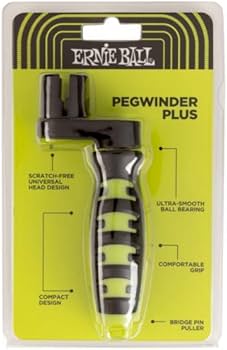
Essential tool for any string change; saves time and effort.
Ernie Ball 2323 Acoustic Guitar String Winder and Cutter All‑in‑one tool: winder, string cutter, and bridge pin puller. Speeds up string changes.
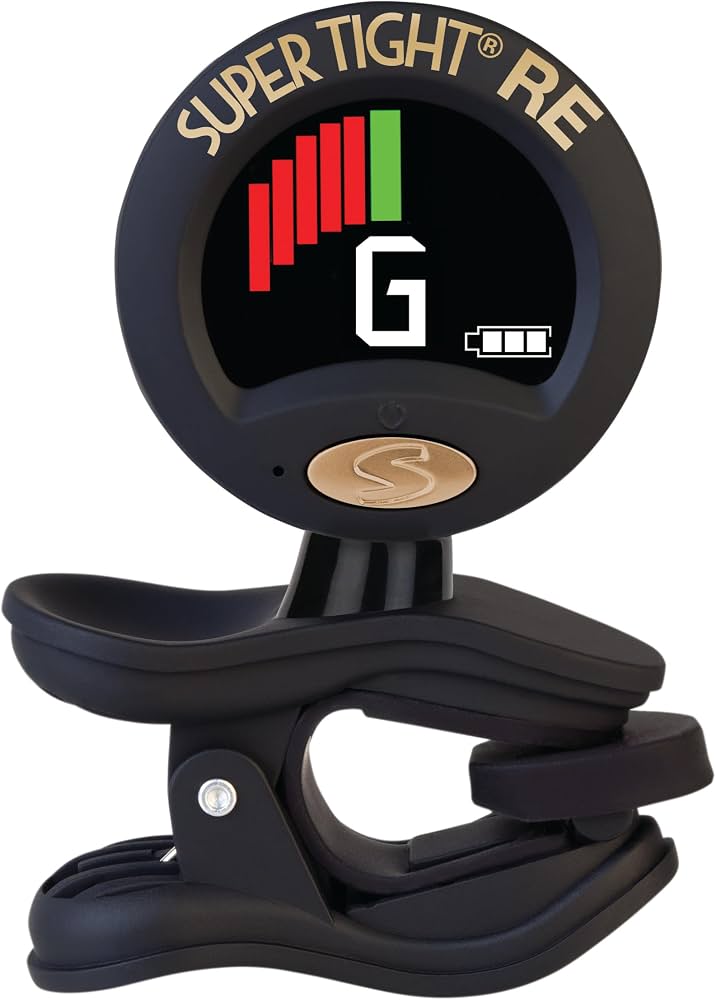
Tuning your guitar during and after string changes.
Snark SN-8 Clip-On Tuner Accurate, fast, and easy to use. Perfect for tuning fresh strings.

Clean and condition your fretboard when strings are off.
Music Nomad MN701 Premium Guitar Maintenance Kit Includes fretboard oil, polish, cloth, and tools for keeping your guitar clean while changing strings.