African violets are beloved houseplants for their stunning, velvety blooms and compact size, but many beginners struggle with yellowing leaves, leggy growth, or no flowers due to improper care. The good news? With consistent, easy routines tailored to their African origins (native to shady, humid Tanzanian highlands), you can enjoy continuous blooms indoors regardless of season.
In this guide, you'll learn step-by-step how to provide the ideal light, water, soil, and more for thriving plants. Expect healthy, bushy foliage and colorful flowers in 4-6 weeks, with maintenance taking just minutes weekly. Perfect for apartments or low-light homes—this is low-effort gardening at its best.
No advanced skills needed; we'll cover everything from setup to troubleshooting, ensuring success year-round.
▸What You'll Need
- •Pot with drainage holes or self-watering African violet pot (4-6 inches for standard plants)
- •African violet potting mix (peat-based, lightweight soil)
- •Distilled or rainwater (avoid tap water with chlorine)
- •Balanced fertilizer for African violets (e.g., 7-7-7 or 15-30-15 formula)
- •Bright indirect light source or LED grow light
- •Humidity tray or pebble tray
- •Soft brush or cloth for leaf cleaning
- •Optional: Wicking system or fertilizer injector
Estimated Time: Initial setup: 20-30 minutes; Ongoing care: 10 minutes weekly; Repotting every 6-12 months: 15 minutes
Difficulty: beginner
▸Step-by-Step Instructions
Step 1: Choose the Perfect Pot and Soil
Start with a shallow pot (1/3 the size of the plant's leaf spread) that has drainage holes to prevent root rot. Ceramic or plastic self-watering pots mimic their natural habitat by keeping roots moist without sogginess.
Fill with African violet potting mix—never regular potting soil, as it retains too much water. This airy, peat-moss-based mix ensures oxygen reaches roots. Plant at the same depth as before, firming gently.
Success looks like: Roots filling the pot loosely, no air pockets.
💡 Tips:
- •Repot in spring for best growth.
- •Sterilize used pots with bleach solution.
⚠️ Warnings:
- •Avoid deep pots—African violets have shallow roots.
Step 2: Set Up Ideal Lighting
Place in bright, indirect light: east or north windows are perfect (2,000-3,000 foot-candles). Avoid direct sun, which scorches leaves.
Indoors year-round, supplement with LED grow lights (10-12 hours daily) during low winter light. Position lights 8-12 inches above leaves.
Success looks like: New leaves growing symmetrically, blooms in 8-12 weeks—no stretching toward light.
💡 Tips:
- •Rotate plant weekly for even growth.
- •Use a light meter app for precision.
⚠️ Warnings:
- •Too little light = no blooms; too much = crispy edges.
Step 3: Water from the Bottom Correctly
Bottom-water to keep the fuzzy crown dry—fill saucer with room-temperature distilled water, let soak 20-30 minutes, then drain excess. Water when top inch of soil is dry (every 4-7 days).
This prevents rot, common in overwatering. In winter, water less as growth slows.
Success looks like: Soil evenly moist, leaves plump, no spotting.
💡 Tips:
- •Use rain or filtered water; let tap sit 24 hours.
- •Self-watering pots automate this.
⚠️ Warnings:
- •Crown rot from top-watering: mushy stem base = plant death.
Step 4: Maintain Humidity and Temperature
Aim for 50-60% humidity (mist air around, not plant) and steady 65-85°F. Use pebble trays with water for passive humidification.
Year-round indoors: Avoid drafts, heaters, or AC vents. Group with other plants.
Success looks like: No dry, curling leaf edges.
💡 Tips:
- •Humidity dome for new plants.
- •Bathroom placement if steamy.
⚠️ Warnings:
- •Low humidity = bud drop; below 60°F slows growth.
Step 5: Fertilize Sparingly but Regularly
Use African violet fertilizer at 1/4 strength every 1-2 weeks during active growth (spring-fall). Dilute in water for bottom feeding.
Skip in winter or if dormant. Overfeeding burns roots.
Success looks like: Vibrant blooms, no salt buildup on soil.
💡 Tips:
- •Alternate with plain water to flush salts.
- •Injector spikes for ease.
⚠️ Warnings:
- •Full strength = leaf spots; fertilize only moist soil.
Step 6: Prune, Clean, and Groom Regularly
Remove dead leaves/flowers with fingers. Gently clean dust from leaves with soft brush or milk-soaked cloth weekly—dust blocks light.
Pinch leggy stems to encourage bushiness.
Success looks like: Clean, symmetrical rosette.
💡 Tips:
- •Deadhead spent blooms to promote more.
- •Wear gloves if sensitive to sap.
⚠️ Warnings:
- •Don't use leaf shine—clogs stomata.
Step 7: Repot Annually and Monitor Pests
Repot every 6-12 months into fresh soil. Check for pests like mealybugs (white cottony spots)—wipe with alcohol swab.
Year-round vigilance keeps plants healthy.
Success looks like: Fresh soil, vigorous new growth.
💡 Tips:
- •Lower plant 1/4 inch for more blooms.
- •Quarantine new plants.
⚠️ Warnings:
- •Ignore pests = total loss.
Step 8: Adjust for Seasonal Changes
Summer: More water/humidity, shade from heat. Winter: Reduce water/fertilizer, add grow lights.
Consistent care = year-round blooms.
Success looks like: Steady flowering cycles.
💡 Tips:
- •Track with journal.
- •LEDs prevent winter dormancy.
⚠️ Warnings:
- •Sudden changes stress plants.
▸Pro Tips
- •Use room-temperature water always to avoid shocking roots.
- •Fertilizer 'vacation' every 4th watering prevents buildup.
- •Propagate leaf cuttings in water for free plants.
- •Elevate pots on risers for better air circulation.
- •Group plants to boost collective humidity.
- •Clean pots monthly to deter fungus gnats.
- •Track light with phone app for consistency.
▸Common Mistakes to Avoid
- •Top-watering: Causes crown rot—always bottom water.
- •Wrong soil: Regular potting mix drowns roots—use violet-specific.
- •Over-fertilizing: Burns leaves—dilute to 1/4 strength.
- •Direct sun: Scorches foliage—indirect light only.
- •Cold drafts: Stunts growth—keep 65°F+.
▸Troubleshooting
Problem: Yellowing leaves
Solution: Check watering; flush soil with plain water. Ensure good drainage.
Problem: No blooms
Solution: Increase light to 12 hours; fertilize lightly. Prune leggy stems.
Problem: Leggy growth
Solution: Move closer to light source; pinch back tops.
Problem: Pests (mealybugs, aphids)
Solution: Isolate, swab with 70% alcohol, or use insecticidal soap.
Problem: Crown rot
Solution: Cut off rotted part, repot in dry soil. Prevent with bottom watering.
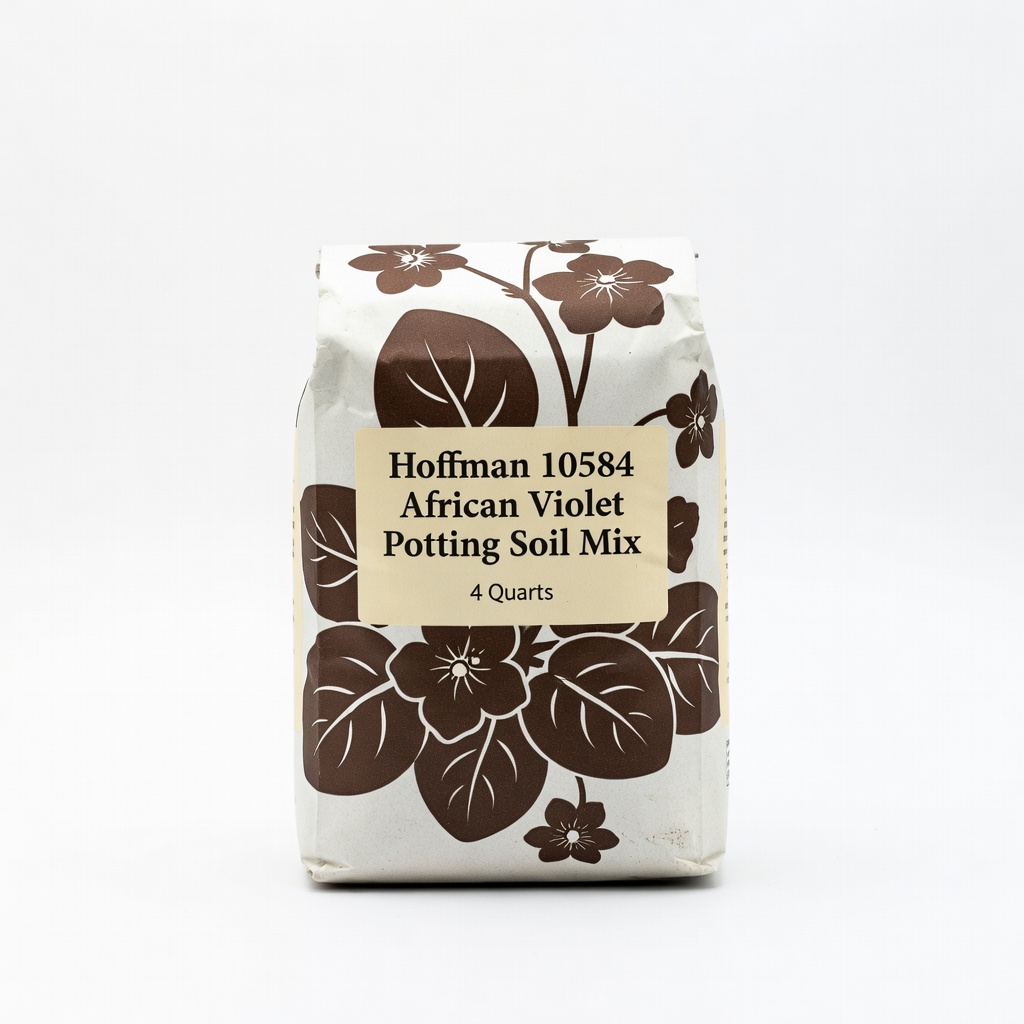
Hoffman 10584 African Violet Potting Soil Mix (4 Quarts)
Lightweight, peat-based formula with perlite for perfect drainage and aeration, preventing root rot.
Best for: Essential for potting/repotting to mimic natural habitat.
Price Range: $14.99
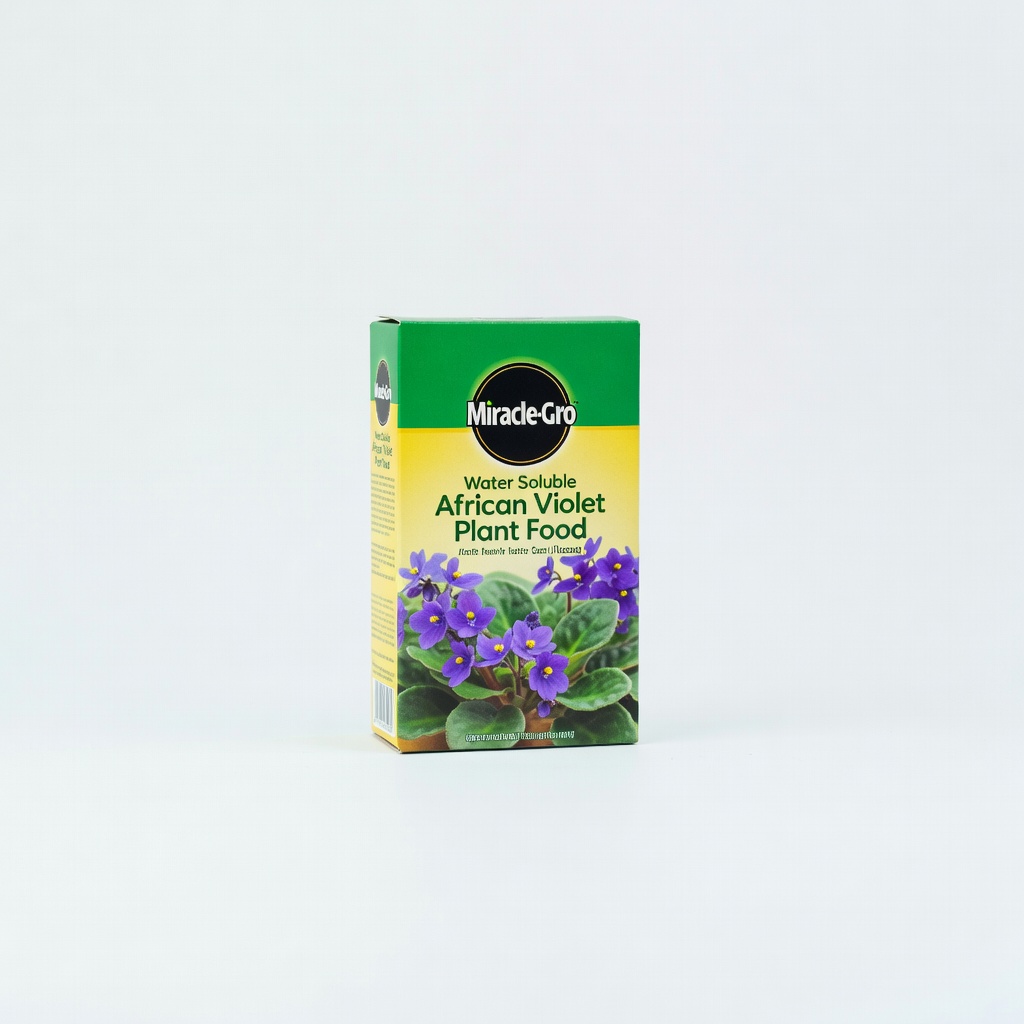
Miracle-Gro Water Soluble African Violet Plant Food
Balanced 7-7-7 formula promotes blooms without burn when diluted.
Best for: Weekly feeding during growing season.
Price Range: $7.99
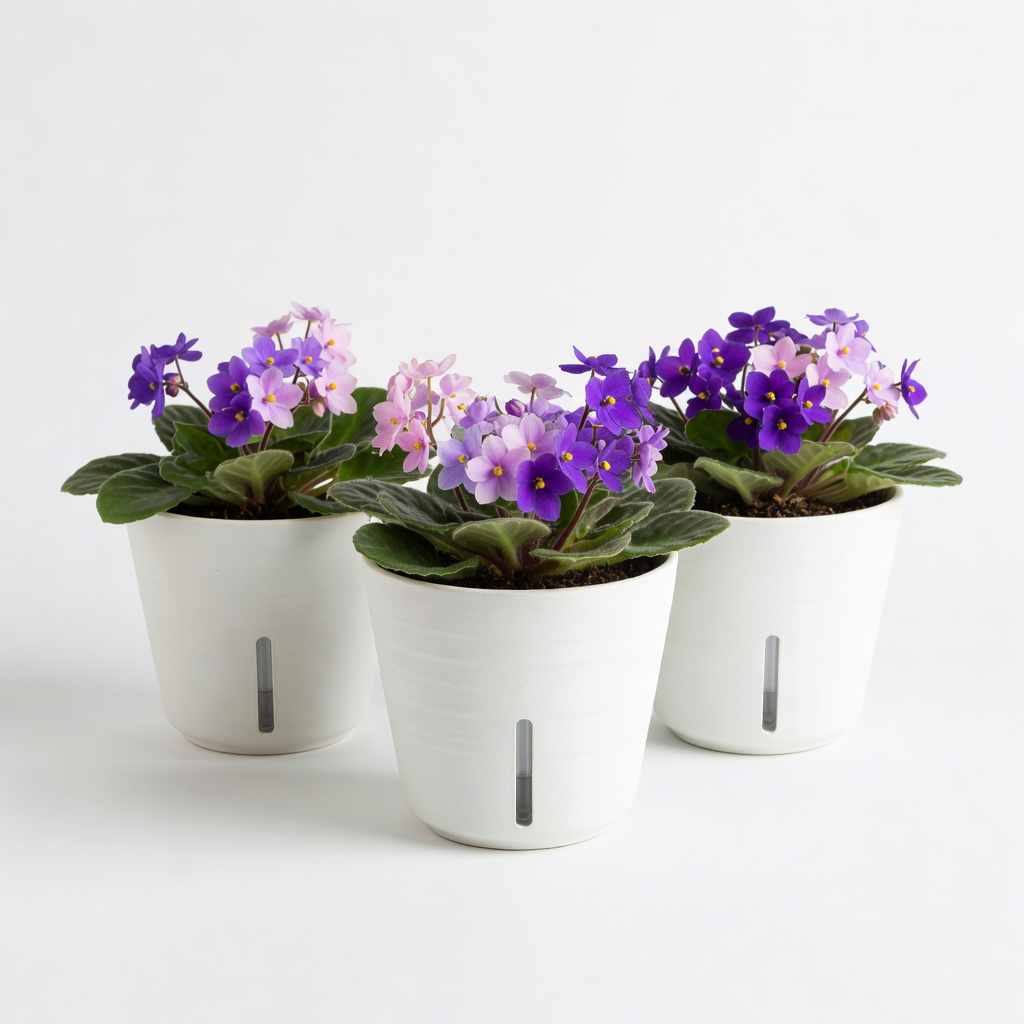
H terra Ceramic Self-Watering Pots for African Violets (Set of 3)
Maintains consistent moisture via reservoir, ideal for beginners forgetting to water.
Best for: Daily/weekly care automation.
Price Range: $19.99
GooingTop LED Grow Light, Full Spectrum 5-Level Dimmable
Provides year-round bright indirect light equivalent, compact for shelves.
Best for: Supplement low winter light or indoor spots.
Price Range: $19.99
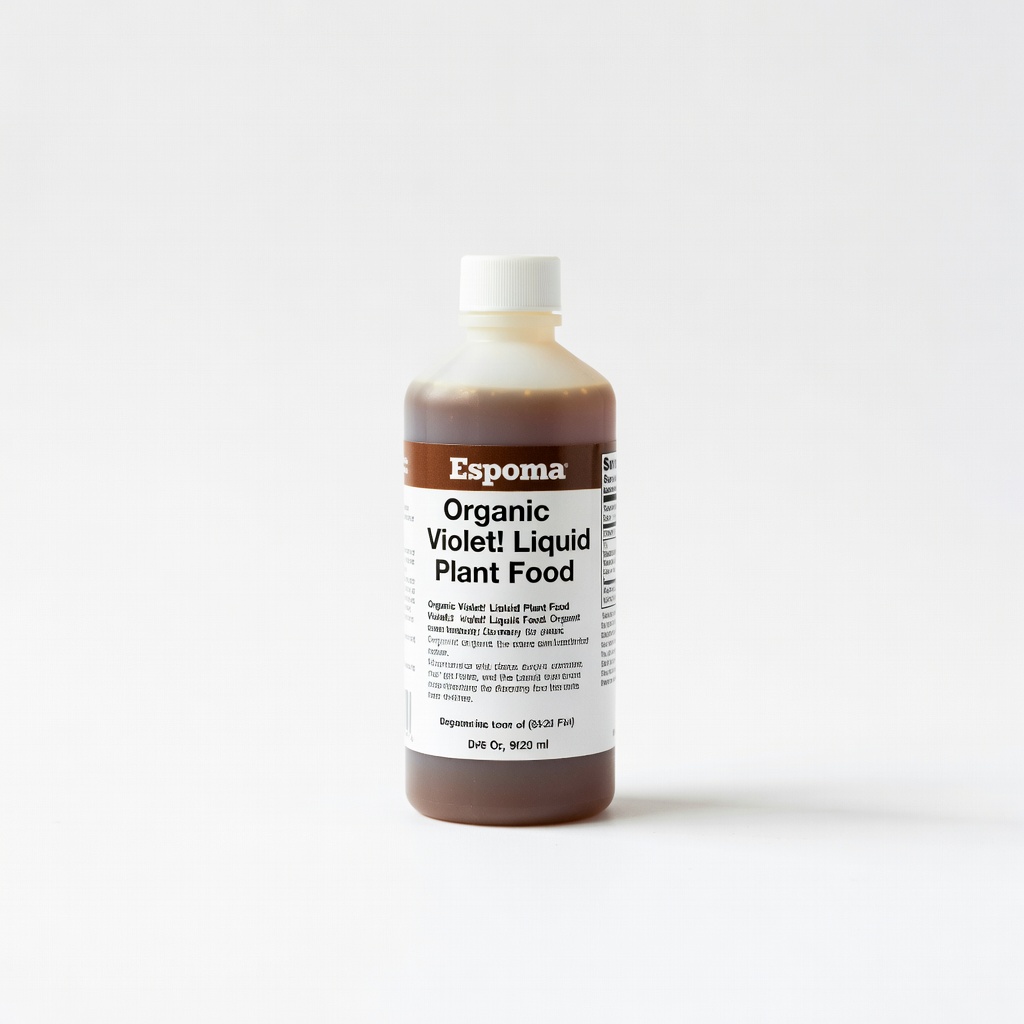
Espoma Organic Violet! Liquid Plant Food
Gentle organic option for salt-sensitive violets, boosts flowers naturally.
Best for: Alternative for eco-friendly feeders.
Price Range: $12.99