Trauma can shatter your sense of safety, leaving lingering anxiety, hypervigilance, and emotional numbness—but resilience is a skill you can cultivate. Millions face post-trauma challenges like those in PTSD or complex trauma, yet research from experts like Bessel van der Kolk shows neuroplasticity allows profound recovery. This guide equips advanced readers with a structured, sequential process to foster post-traumatic growth.
You'll learn 8 actionable steps drawing from CBT, somatic experiencing, and positive psychology, progressing from self-assessment to sustained integration. Expect gradual shifts: reduced triggers in 2-4 weeks, deeper empowerment in 1-2 months with consistent 20-45 min daily practice. This isn't quick-fix therapy—it's for those ready to confront shadows with tools.
Difficulty suits advanced audiences familiar with basic therapy concepts; pair with professional support for safety.
▸What You'll Need
- •Private journal or notebook (required for tracking)
- •Meditation app like Headspace or Insight Timer (required)
- •Comfortable space for somatic practices (required)
- •Access to a therapist or support group (highly recommended)
- •Physical activity gear like yoga mat (optional but beneficial)
- •Prerequisite knowledge: Understanding trauma responses (fight/flight/freeze)
Estimated Time: 4-8 weeks of daily practice; 20-45 minutes per day
Difficulty: advanced
▸Step-by-Step Instructions
Step 1: Assess Your Trauma Impact
Begin by mapping your trauma's current effects to create a baseline. Use a journal to document symptoms: emotional (e.g., shame, rage), physical (e.g., tension, insomnia), and behavioral (e.g., avoidance). Rate intensity on a 1-10 scale weekly.
Why it matters: Awareness prevents blind spots; studies in Journal of Traumatic Stress show self-monitoring accelerates recovery by 30%. Expect discomfort—tears or anger may surface, signaling progress.
Track patterns over 3-5 days. Success: Clear list of 5-10 triggers and coping gaps.
💡 Tips:
- •Set a timer for 10 min to avoid overwhelm
- •Use prompts like 'What bodily sensations arise?'
⚠️ Warnings:
- •Don't suppress emotions; if suicidal thoughts emerge, contact a hotline immediately
Step 2: Master Emotional Regulation
Practice DBT-inspired techniques like TIPP (Temperature, Intense exercise, Paced breathing, Paired muscle relaxation). When triggered, splash cold water on face, do 30 jumping jacks, breathe 4-7-8 (inhale 4s, hold 7s, exhale 8s).
Why: Trauma dysregulates the amygdala; this restores prefrontal control per Harvard studies. Expect initial frustration, then quicker calm (under 5 min).
Daily: 10 min practice. Success: Reduce trigger intensity by 2-3 points.
💡 Tips:
- •Pair with app-guided sessions
- •Log pre/post regulation scores
⚠️ Warnings:
- •Avoid numbing with substances; seek ER if panic persists >20 min
Step 3: Cultivate Radical Self-Compassion
Adopt Kristin Neff's framework: Acknowledge suffering ('This is hard'), common humanity ('Others struggle too'), self-kindness (e.g., 'May I be gentle'). Write daily letters to your 'trauma self'.
Why: Shame erodes resilience; compassion rewires via self-directed neuroplasticity. Feel warmth replace criticism.
Practice 5-10 min morning/evening. Success: Shift from self-blame to acceptance.
💡 Tips:
- •Use guided audio from free apps
- •Affirm in mirror for embodiment
Step 4: Build a Trauma-Informed Support Network
Identify 3-5 safe contacts; disclose selectively using scripts like 'I'm working on trauma recovery—can we check in weekly?' Join advanced groups (e.g., online C-PTSD forums).
Why: Oxytocin from connection buffers cortisol; isolation doubles relapse risk per APA. Expect vulnerability tests bonds.
Weekly outreach. Success: Scheduled support calls.
💡 Tips:
- •Vet for empathy via trial shares
- •Set boundaries early
⚠️ Warnings:
- •Avoid toxic ties; block if retraumatizing
Step 5: Incorporate Somatic Release Practices
Use Peter Levine's somatic experiencing: Scan body for 'stuck' energy, tremble/shake it out gently, then ground (feet on floor). Yoga nidra or TRE (Trauma Releasing Exercises) 15 min daily.
Why: Trauma lives in the body; discharging rebuilds vagal tone. Feel tingles release into calm.
Success: Fewer somatic symptoms like gut pain.
💡 Tips:
- •Start slow, 5 min
- •Record sessions for patterns
Step 6: Reframe Your Trauma Narrative
Apply narrative therapy: Rewrite story from victim to survivor ('What strengths emerged?'). Challenge cognitive distortions with evidence logs.
Why: Reframing fosters growth mindset; fMRI shows narrative shifts heal amygdala hyperactivity.
Weekly reviews. Success: Empowering story emerges.
💡 Tips:
- •Use CBT worksheets
- •Share drafts with therapist
Step 7: Set Micro-Goals for Mastery
Break wins into tiny actions (e.g., 'Walk 5 min despite fear'). Track via streak calendar; celebrate non-food rewards.
Why: Dopamine from mastery rebuilds self-efficacy; small wins compound per habit research.
Daily goals. Success: 80% completion rate.
💡 Tips:
- •Use app reminders
- •Scale up gradually
⚠️ Warnings:
- •Perfectionism stalls—aim for progress
Step 8: Integrate Gratitude and Purpose
End day with 3 specifics: 'Grateful for breath during trigger.' Explore post-trauma mission (e.g., advocacy).
Why: Gratitude uplifts via prefrontal activation; purpose sustains long-term resilience.
Ongoing. Success: Natural optimism baseline.
💡 Tips:
- •Voice-note for ease
- •Link to values
▸Pro Tips
- •Combine steps 2+5 for synergistic calm in <10 min
- •Journal digitally via Day One app for searchability
- •Track sleep—resilience hinges on 7+ hours
- •Batch somatic practices post-exercise for amplified release
- •Revisit step 1 biweekly to measure growth
- •Use body doubling: Practice with a trusted friend virtually
- •Incorporate nature—walks boost BDNF for brain repair
▸Common Mistakes to Avoid
- •Rushing steps: Skipping assessment leads to misaligned efforts—build sequentially
- •Isolating: Going solo amplifies shame—prioritize support early
- •Over-intellectualizing: Staying head-only ignores somatic needs—feel into it
- •Ignoring professional input: Advanced doesn't mean solo—therapy amplifies gains
- •Expecting linearity: Plateaus are normal—persist through
▸Troubleshooting
Problem: Overwhelm or intensified symptoms
Solution: Pause, ground with 5-4-3-2-1 senses; consult therapist. Scale back to 10 min/day.
Problem: No progress after 2 weeks
Solution: Reassess baseline; add accountability partner. Rule out comorbidities like depression.
Problem: Physical flashbacks
Solution: Practice containment (visualize safe container); seek EMDR specialist.
Problem: Struggling with self-compassion
Solution: Start with pet or neutral object; build via micro-acts.
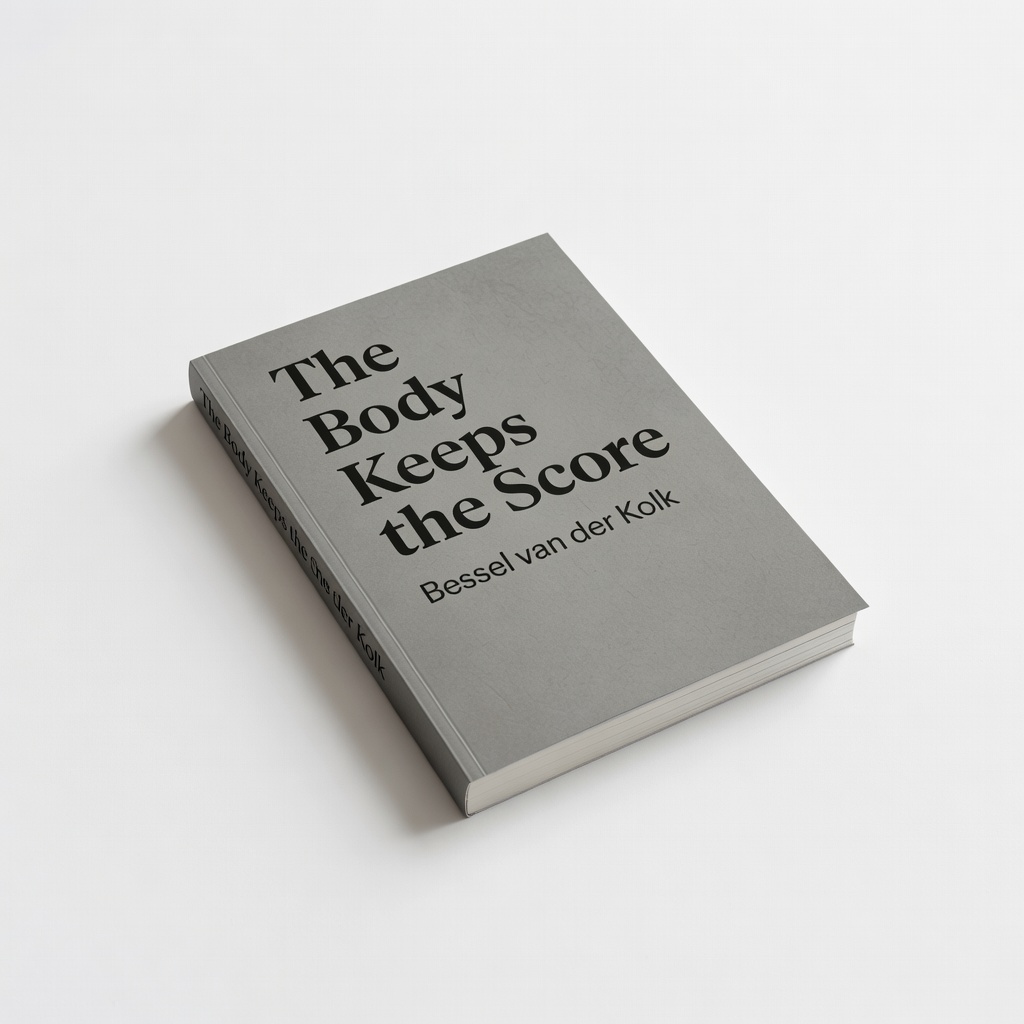
The Body Keeps the Score by Bessel van der Kolk
Seminal book explains trauma's body-brain link with somatic strategies aligning perfectly with steps 1,5
Best for: Read chapters 1-3 during assessment; reference for reframing
Price Range: $14-18
Intelligent Change Five Minute Journal
Guided prompts for gratitude, self-compassion (steps 3,8); builds habit without overwhelm
Best for: Daily morning/evening entries for tracking
Price Range: $25-30
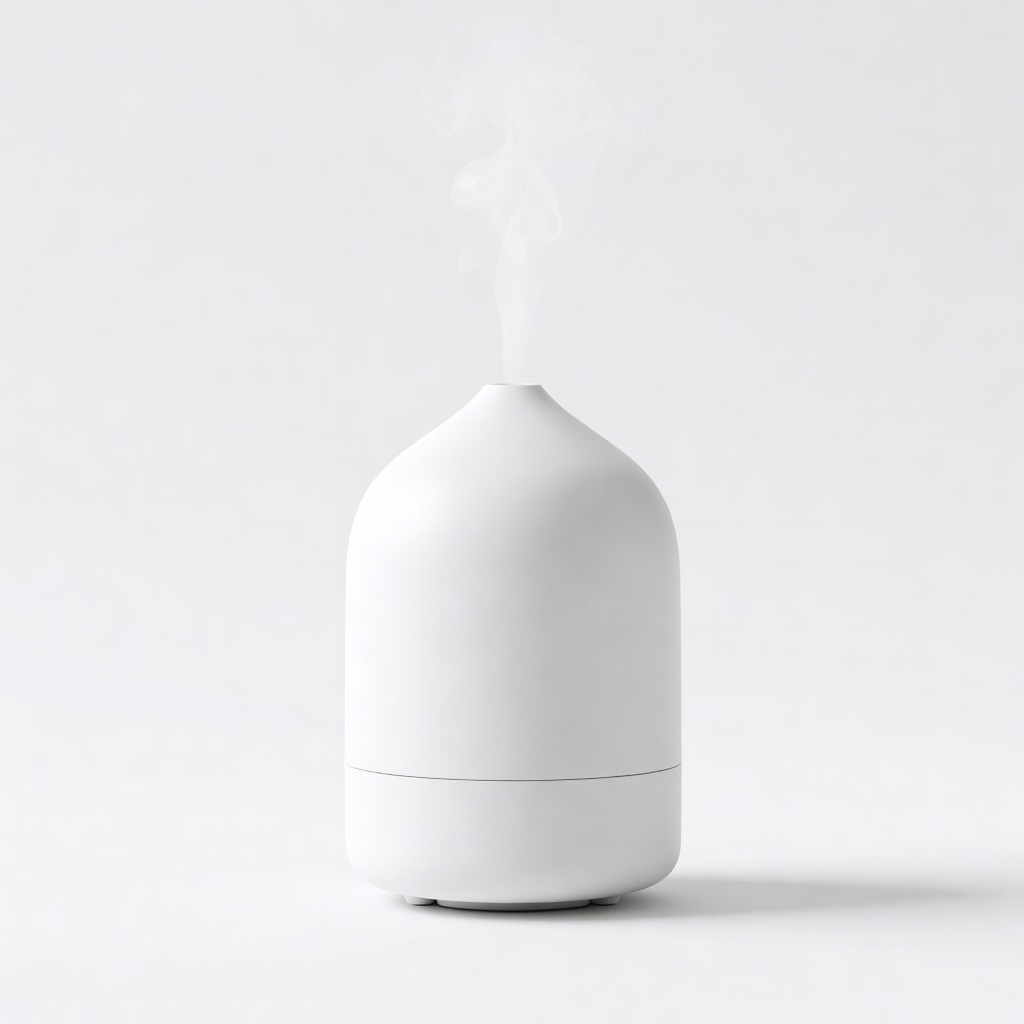
URPOWER Essential Oil Diffuser
Creates calming environment for meditation/somatic work (steps 2,5) with lavender oil for vagal tone
Best for: During regulation practices to enhance relaxation
Price Range: $18-22
Muse 2 Meditation Headband
Biofeedback tracks brainwaves for advanced mindfulness (step 2); data-driven progress
Best for: Real-time guidance during emotional regulation
Price Range: $220-250
Manduka PROlite Yoga Mat
Superior grip/support for somatic yoga (step 5); durable for long-term practice
Best for: Daily TRE or grounding poses
Price Range: $90-110