

Blue Summit Supplies Accounting Ledger Notebook
Daily income/expense tracking with ample space for categories.
$14.99
Blue Summit Supplies Accounting Ledger Notebook Pre-formatted 12-column pages perfect for beginners, durable cover lasts 1+ year.
Get the App
Better experience on mobile
Master your finances by tracking income and expenses step-by-step with a simple account book—no apps required.
Struggling to make ends meet or save for that dream vacation? You're not alone—many beginners feel overwhelmed by money management. The good news: an account book provides a tangible, distraction-free way to gain control over your budget.
In this guide, you'll learn how to set up, use, and maintain an account book for effective budgeting. We'll cover everything from listing income to reviewing spending patterns, helping you build habits that lead to financial peace.
Expect to spend 30-45 minutes setting up your first budget. It's beginner-friendly, requiring no prior experience—just consistency.
Estimated Time: 30-45 minutes to set up + 5-10 minutes daily tracking Difficulty: beginner
Select a sturdy account book with pre-formatted columns (e.g., date, payee, debit, credit). Open it and label the first page 'Budget Overview' with your name and start date (e.g., 'January 2025').
Divide pages into sections: Page 1-2 for Income, 3-10 for Expenses, and last pages for Monthly Summary. Use a ruler for neat lines if needed. This setup keeps everything organized and prevents overwhelm.
Success looks like: A clean, labeled book ready for entries, with sections clearly marked.
💡 Tips:
⚠️ Warnings:
On your Income pages, create columns: Date Received, Source (e.g., Salary), Amount. List every income stream—salary, freelance, side gigs.
Estimate monthly totals based on pay stubs. For example: 'Salary: $3,000 (net)'. Add a 'Total Income' row at the bottom.
Why it matters: Accurate income is your budgeting foundation. Expect: A realistic monthly figure, like $4,500 total.
💡 Tips:
On Expenses pages, list categories like Rent/Mortgage, Utilities, Insurance. Use columns: Date, Category, Payee, Amount.
Record recurring bills from statements (e.g., Rent: $1,200 on 1st). Total them up.
Success: Fixed expenses totaled (e.g., $2,500), showing your non-negotiables.
💡 Tips:
⚠️ Warnings:
Add categories: Groceries, Dining Out, Gas, Entertainment. Estimate based on last month's spending, then track actuals.
Leave space for daily entries. Why: Variables are where budgets slip—tracking reveals patterns.
Expect: Estimates like Groceries $400, with room to log daily.
💡 Tips:
Each day, log every expense and income: Date, Description (e.g., 'Coffee at Starbucks'), Category, Amount (debit/credit).
Use receipts for accuracy. Tally weekly subtotals.
Success: Book filled with neat daily entries—no gaps.
💡 Tips:
⚠️ Warnings:
End of month: Sum Income vs. Total Expenses. Subtract: Income - Expenses = Surplus/Deficit.
Transfer to Summary page. Why: Shows if you're on track.
Expect: Positive surplus (aim for 10-20% for savings).
💡 Tips:
Compare actuals vs. estimates. Overspent on dining? Cut next month. Celebrate wins!
Plan next month on a new page. Success: Refined budget with lessons applied.
💡 Tips:
Allocate surplus: e.g., 50% emergency fund, 30% debt, 20% fun. Track in a 'Savings' column.
Why: Turns tracking into growth. Expect: Clear goals like 'Save $200/month'.
💡 Tips:
Problem: Math errors in totals
Solution: Double-check additions with a calculator; recount from scratch.
Problem: Running out of pages mid-month
Solution: Use both sides or start a new book; summarize frequently.
Problem: Forgetting to log transactions
Solution: Set phone reminders or log evenings only.
Problem: Book pages tearing
Solution: Choose hardcover ledgers; reinforce with tape.
Pre-formatted 12-column pages perfect for beginners, durable cover lasts 1+ year.
Best for: Daily income/expense tracking with ample space for categories.
Price Range: $14.99
Classic, affordable design with tear-resistant sheets for neat, long-term use.
Best for: Fixed/variable expense categorization on professional-grade paper.
Price Range: $12.49
Smooth, no-smear ink ensures readable entries that won't fade.
Best for: Precise writing in small columns without bleeding through pages.
Price Range: $14.99
Compact, solar-powered for error-free totaling without batteries.
Best for: Quick monthly summaries and balances.
Price Range: $11.99
Extra pages (200+) for multi-month tracking, premium leather-like cover.
Best for: Long-term budgeting with goals and reviews.
Price Range: $15.99
Daily income/expense tracking with ample space for categories.
Blue Summit Supplies Accounting Ledger Notebook Pre-formatted 12-column pages perfect for beginners, durable cover lasts 1+ year.
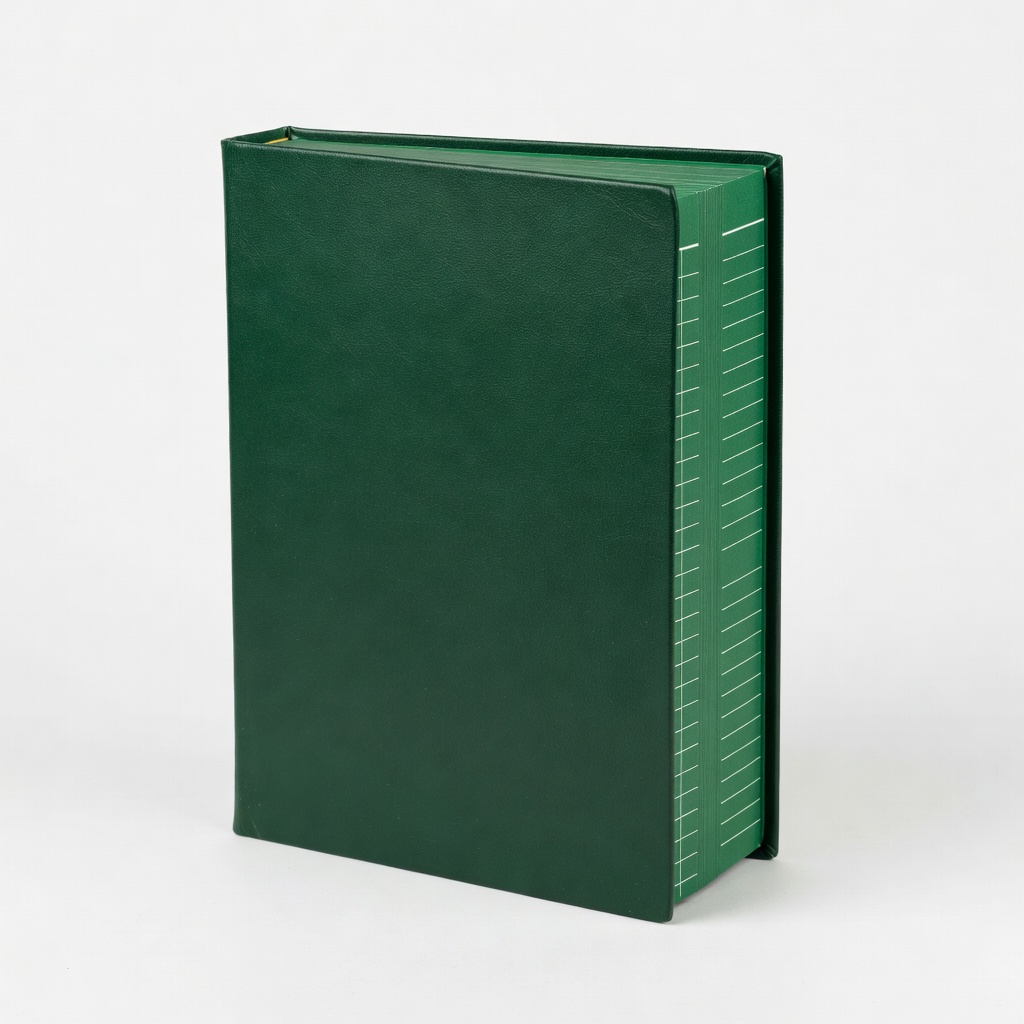
Fixed/variable expense categorization on professional-grade paper.
National Brand Accounting Ledger, Green Paper Classic, affordable design with tear-resistant sheets for neat, long-term use.
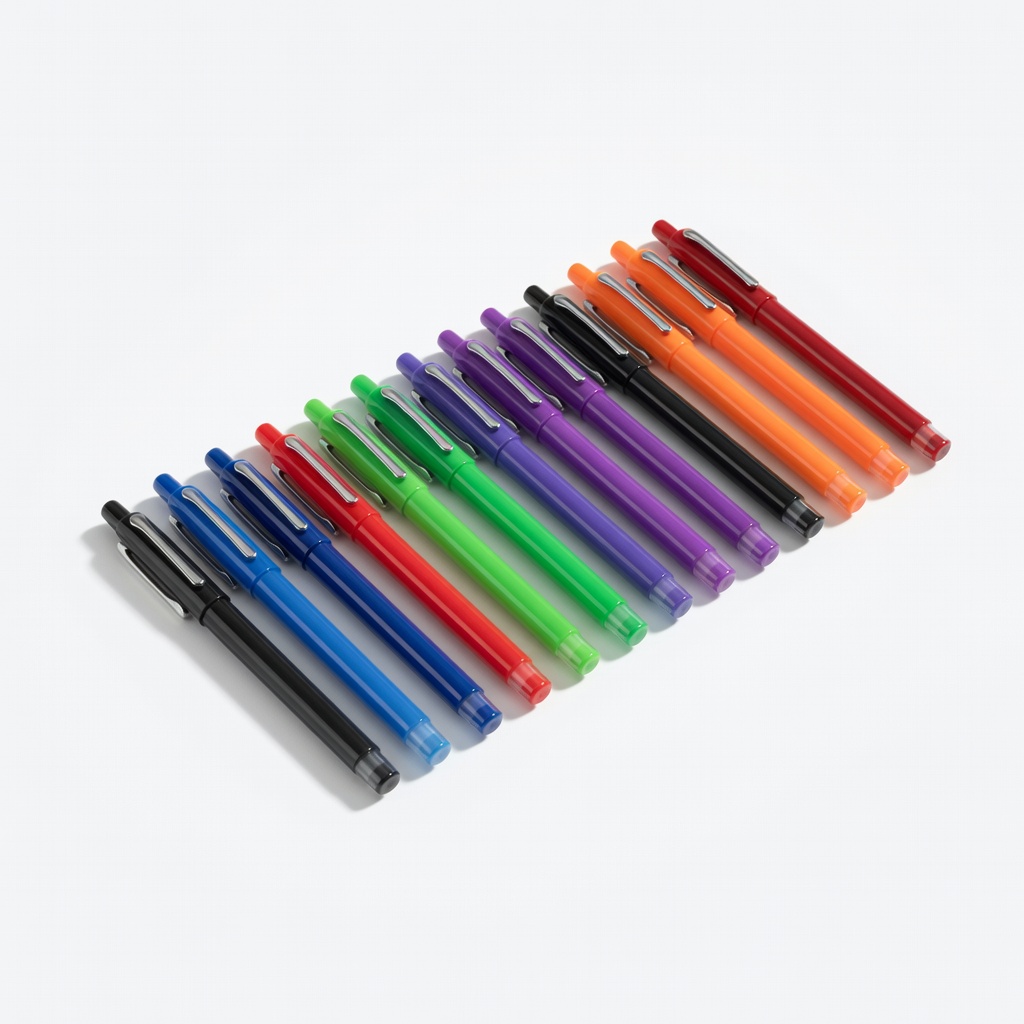
Precise writing in small columns without bleeding through pages.
Sharpie S-Gel Retractable Gel Pens, 12-Pack Smooth, no-smear ink ensures readable entries that won't fade.
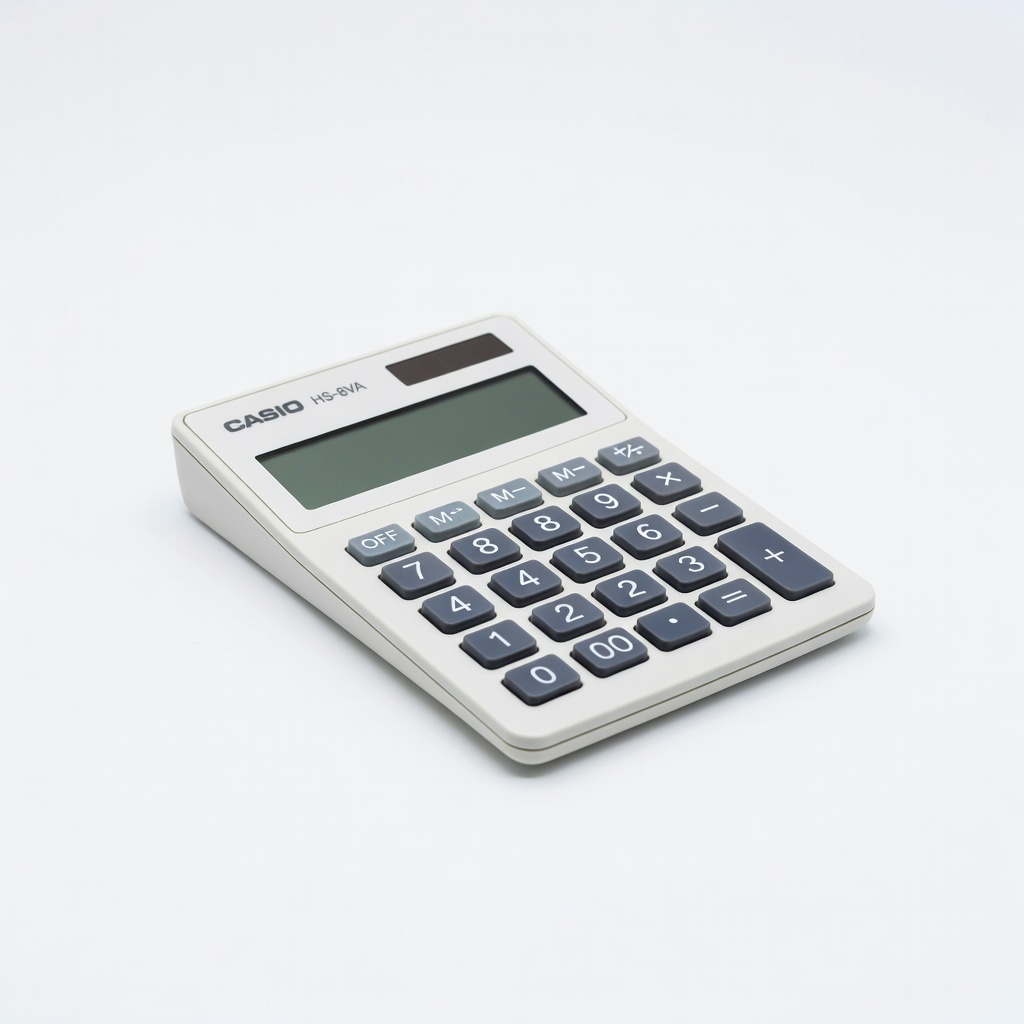
Quick monthly summaries and balances.
Casio HS-8VA Mini Desktop Calculator Compact, solar-powered for error-free totaling without batteries.

Long-term budgeting with goals and reviews.
Ledger Book by Moonster (Large Hardcover) Extra pages (200+) for multi-month tracking, premium leather-like cover.