
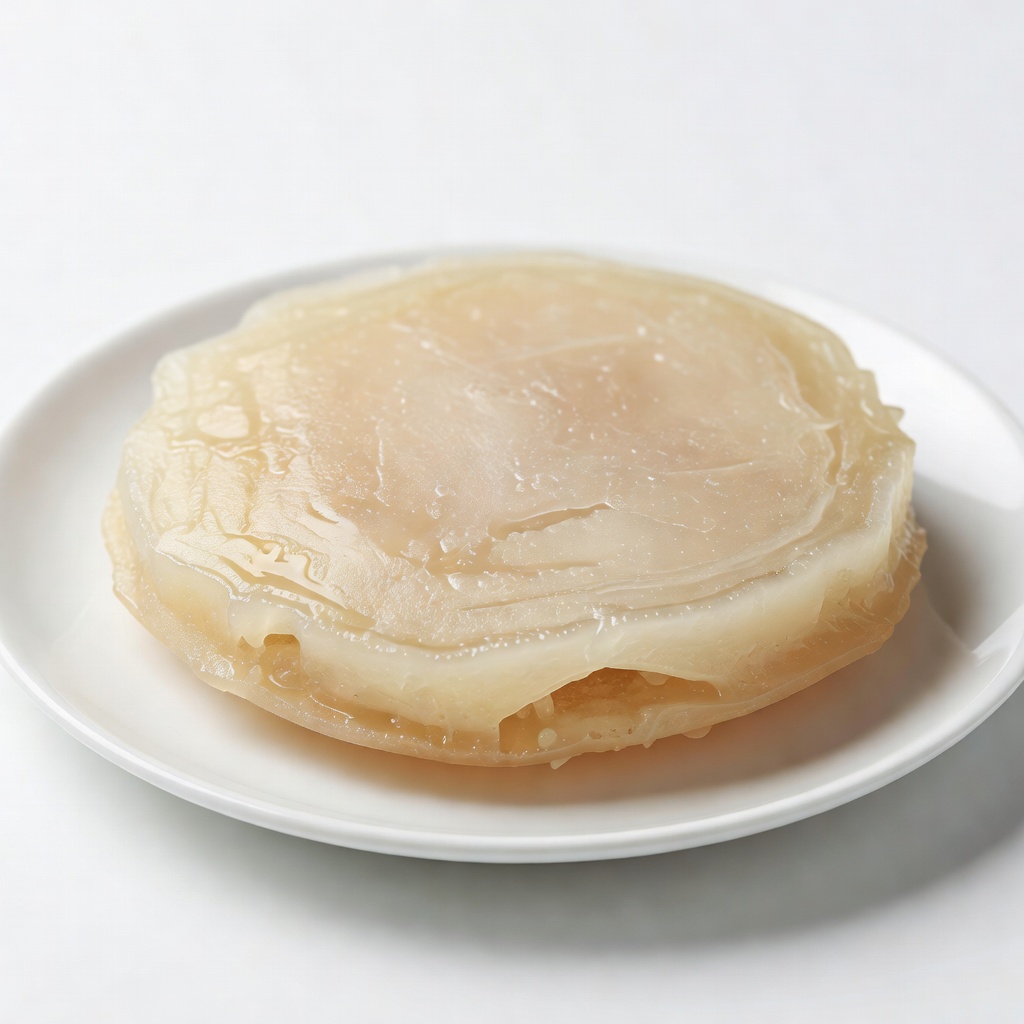
Cultures for Health Organic Kombucha SCOBY
Essential for first fermentation; includes starter tea.
$12.99
Cultures for Health Organic Kombucha SCOBY Reliable, organic starter with strong strains for consistent fermentation.
Get the App
Better experience on mobile
Learn to make probiotic-packed kombucha at home by adding acidophilus for an extra gut health boost in just 10-14 days.
Kombucha lovers often seek ways to supercharge their brew's probiotic power, but standard SCOBY fermentation misses specific strains like Lactobacillus acidophilus, a key player in gut health. Adding an acidophilus boost enhances digestive benefits without complicating the process.
In this intermediate guide, you'll master brewing 1 gallon of fizzy, tangy kombucha infused with acidophilus probiotics. Expect a mildly sweet, effervescent drink loaded with live cultures. The process involves two fermentations: primary (7-10 days) and secondary (2-3 days for carbonation and boost integration).
Total hands-on time is about 45 minutes, spread over two weeks—perfect for busy home brewers ready to level up from basic kombucha.
Estimated Time: 10-14 days total (30 min prep + 7-10 days first ferment + 2-3 days second ferment) Difficulty: intermediate
Boil 1 gallon of filtered water, then remove from heat. Steep 8-10 tea bags for 10-15 minutes. Stir in 1 cup sugar until fully dissolved. This creates the sugary tea that feeds the SCOBY during fermentation.
Why it matters: Sugar is essential fuel for yeast and bacteria; tea provides tannins for flavor and health benefits. Cool the tea to room temperature (below 85°F/29°C) to avoid killing the culture—expect a dark, sweet liquid ready for inoculation.
💡 Tips:
⚠️ Warnings:
Pour cooled sweet tea into the sterilized 1-gallon glass jar. Add 1-2 cups starter tea (from previous batch or store-bought plain kombucha). Gently place the SCOBY on top, white side up.
Secure a breathable cloth over the jar with a rubber band to allow airflow while blocking contaminants. Store in a warm, dark spot (68-85°F/20-30°C). This primary fermentation converts sugar to acids, alcohol, and probiotics over 7-10 days.
💡 Tips:
⚠️ Warnings:
Taste daily starting day 7 using a clean straw. It's ready when tangy like apple cider, with a pH of 2.8-3.5 (use strips if available). The SCOBY will form a new layer on top; pellicle may look uneven or bubbly.
Success looks like: Light amber color, vinegary aroma, no mold (discard if fuzzy black/white spots appear). Remove SCOBY and 1-2 cups starter for next batch.
💡 Tips:
⚠️ Warnings:
Reserve 1-2 cups starter tea. Pour remaining kombucha into bottles, leaving 1-2 inches headspace. Add acidophilus boost: 1/4-1/2 tsp powder or contents of 1-2 capsules per 16-oz bottle (about 1-2 billion CFU).
Optional: Mix in 1-2 tsp fruit juice per bottle for flavor and carbonation. Cap tightly. This anaerobic phase integrates probiotics and builds fizz over 2-3 days at room temp.
💡 Tips:
⚠️ Warnings:
Store capped bottles at 68-75°F out of direct sun. "Burp" daily (open briefly to release pressure) to prevent explosions. After 2-3 days, check for firm fizz—tilt bottle; steady stream of bubbles means ready.
Chill in fridge to slow fermentation. Acidophilus survives best here, boosting your drink's probiotic diversity.
💡 Tips:
⚠️ Warnings:
Refrigerate bottles; consume within 1 month for max probiotics. Pour gently to avoid sediment disturbance. Enjoy cold—expect enhanced tang with creamy probiotic notes from acidophilus.
Success: Fizzy, gut-friendly brew with doubled probiotic punch.
💡 Tips:
⚠️ Warnings:
Problem: Weak carbonation
Solution: Add more sugar/juice in secondary or ferment longer (up to 5 days); ensure tight caps.
Problem: Mold in jar
Solution: Toss batch, sanitize everything, start fresh with new SCOBY.
Problem: Acidophilus clumps or off-taste
Solution: Dissolve powder thoroughly; use high-quality, fresh probiotics.
Problem: No fizz after secondary
Solution: Room was too cold—move to warmer spot next time.
Reliable, organic starter with strong strains for consistent fermentation.
Best for: Essential for first fermentation; includes starter tea.
Price Range: $12.99
High-potency acidophilus blend survives acidic kombucha environment.
Best for: Boost secondary fermentation; 1 capsule per bottle.
Price Range: $15.99-$19.99
Wide mouth, airtight lid prevents contamination while allowing CO2 escape.
Best for: Primary fermentation vessel; reusable for batches.
Price Range: $19.99
Durable, airtight for perfect carbonation in secondary ferment.
Best for: Bottling stage; leak-proof for pressure buildup.
Price Range: $24.99
Food-grade, effective without rinsing—kills contaminants safely.
Best for: Sterilize jars/bottles pre-brew; no residue harm to cultures.
Price Range: $14.99
Essential for first fermentation; includes starter tea.
Cultures for Health Organic Kombucha SCOBY Reliable, organic starter with strong strains for consistent fermentation.
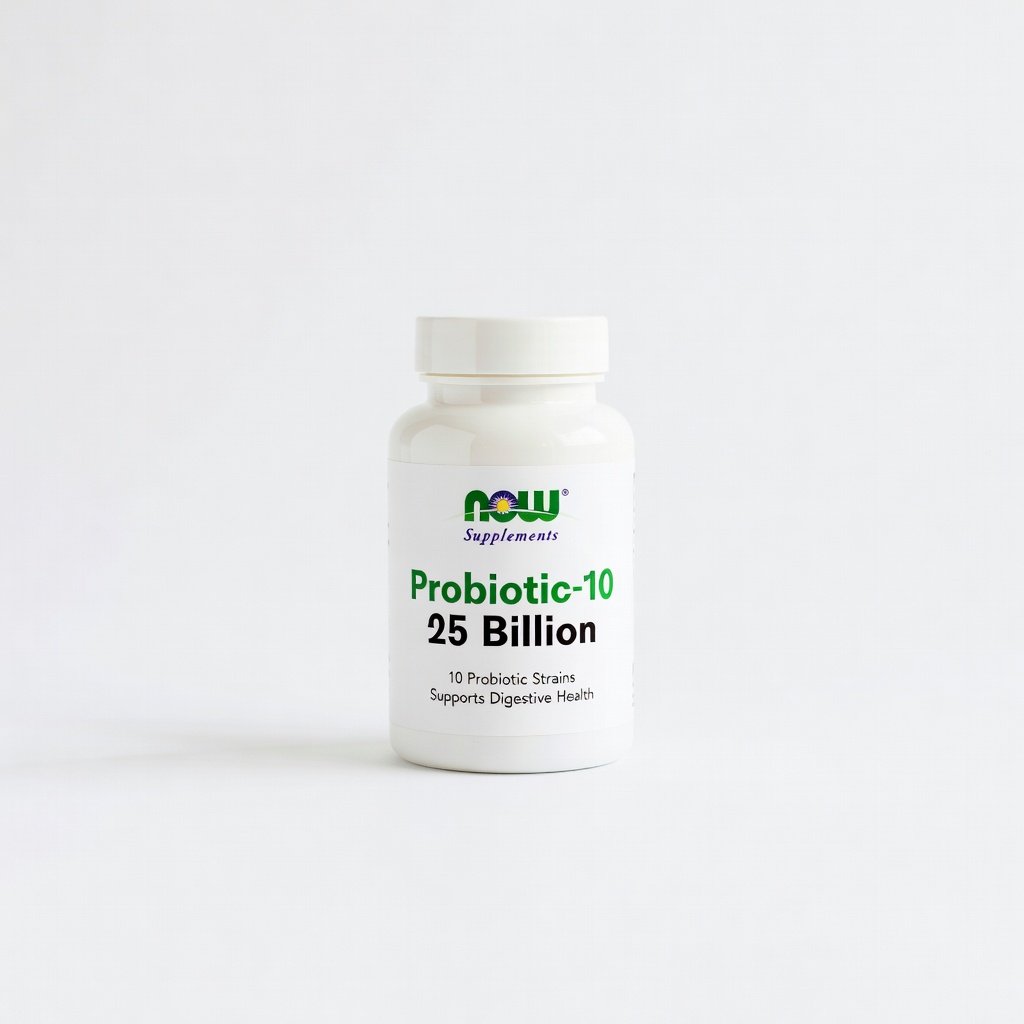
Boost secondary fermentation; 1 capsule per bottle.
NOW Supplements Probiotic-10 25 Billion High-potency acidophilus blend survives acidic kombucha environment.
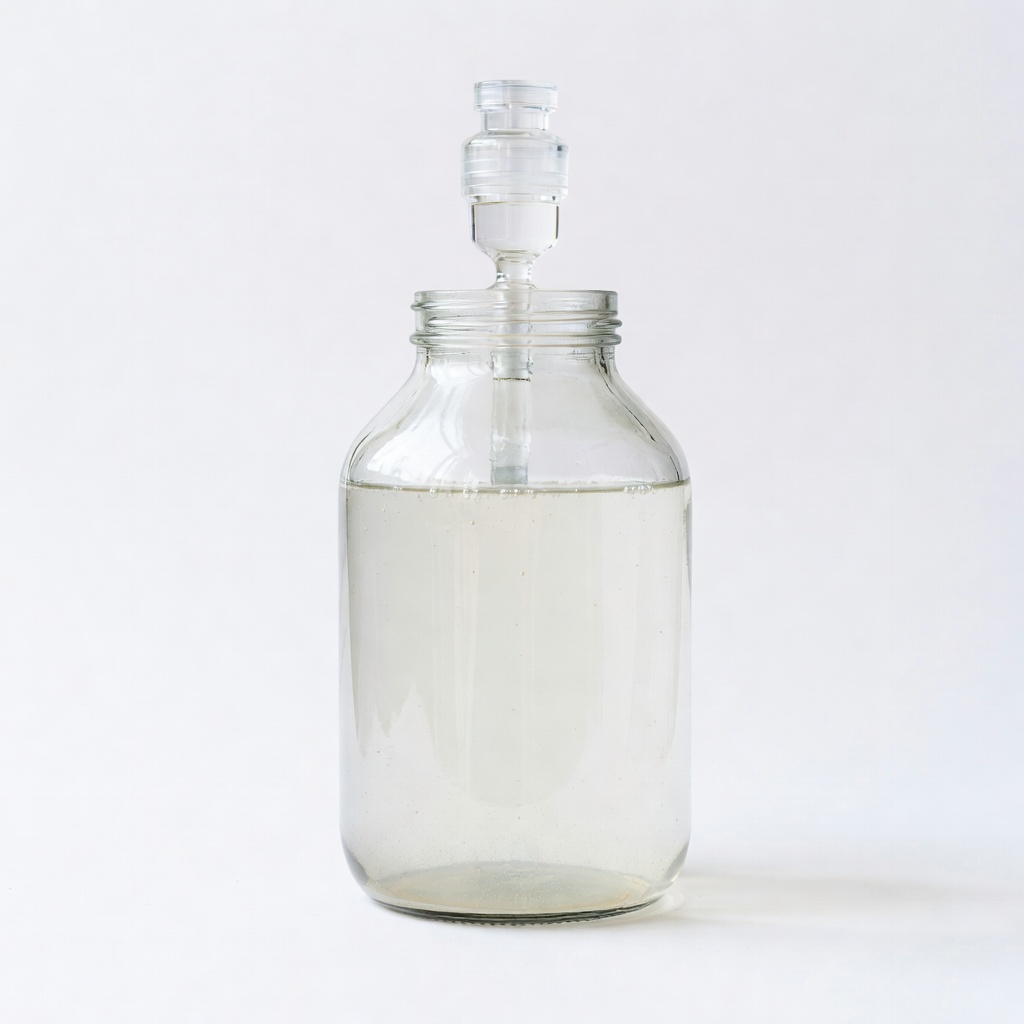
Primary fermentation vessel; reusable for batches.
1 Gallon Glass Fermentation Jar with Airlock Wide mouth, airtight lid prevents contamination while allowing CO2 escape.
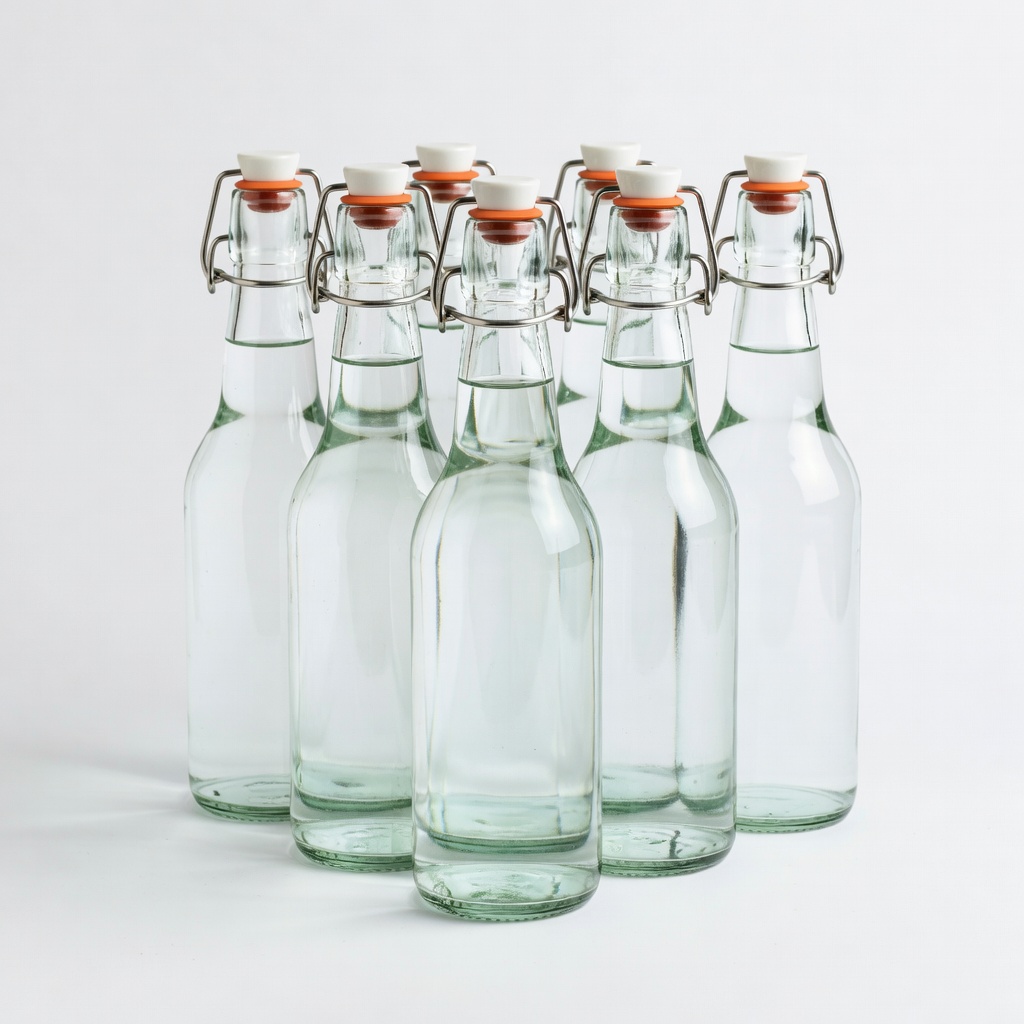
Bottling stage; leak-proof for pressure buildup.
Kegco Flip-Top Glass Bottles (6-pack, 16 oz) Durable, airtight for perfect carbonation in secondary ferment.
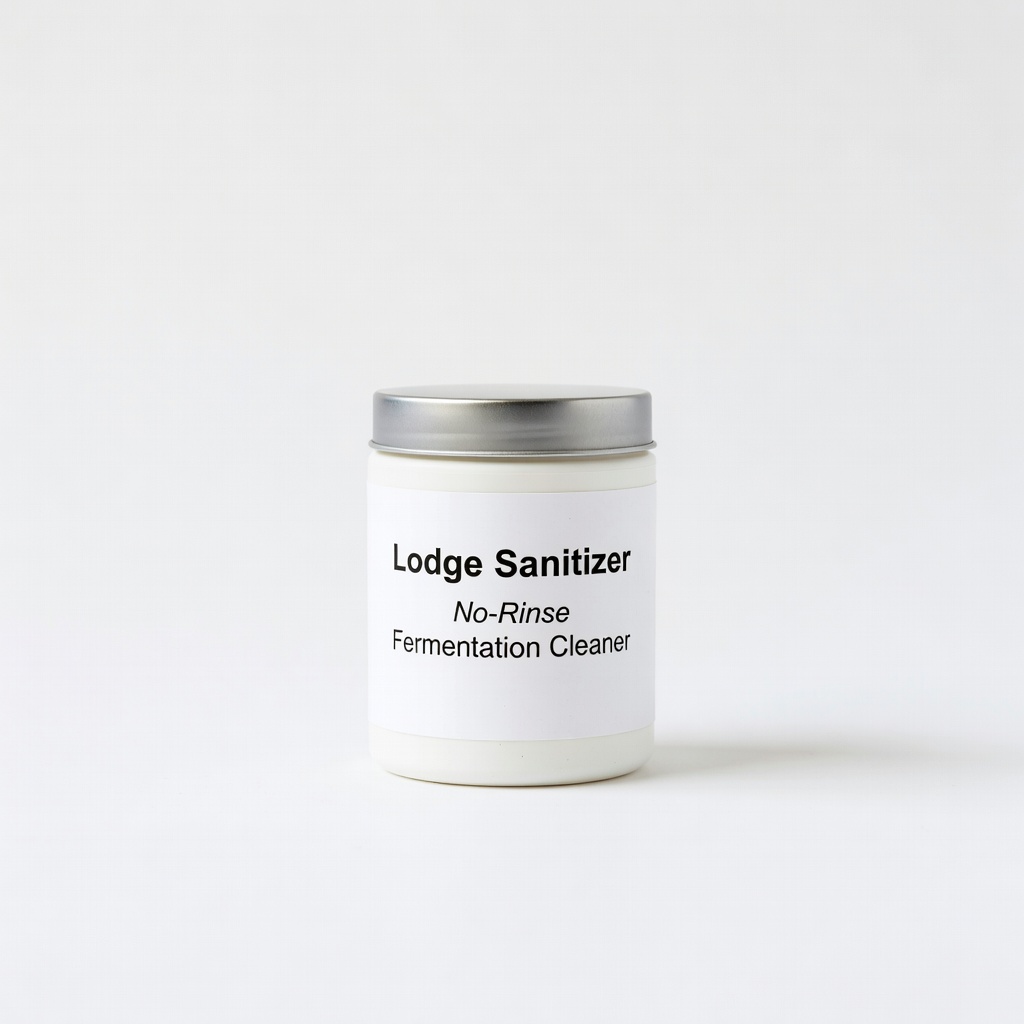
Sterilize jars/bottles pre-brew; no residue harm to cultures.
Lodge Sanitizer No-Rinse Fermentation Cleaner Food-grade, effective without rinsing—kills contaminants safely.