If you've ever been disappointed by watery drip coffee or overpriced cafe brews, brewing with a French press can transform your mornings. This classic method delivers a bold, flavorful cup without needing fancy machines, making it perfect for beginners who want control over their coffee quality. French press coffee highlights the natural oils in beans for a smoother, more aromatic result compared to paper filters.
In this guide, you'll learn everything from selecting the right tools to perfecting your pour, ensuring a cafe-quality brew every time. The process is straightforward and forgiving, with no electricity required—just hot water, fresh grounds, and a bit of patience. Expect to spend about 5-10 minutes total, including a quick 4-minute steep, and you'll end up with 2-4 servings of delicious coffee.
Whether you're a coffee newbie or just curious about immersion brewing, follow these steps to avoid common pitfalls and enjoy your first successful pot.
▸What You'll Need
- •French press coffee maker (e.g., 34 oz size for 2-4 cups)
- •Fresh coffee beans or medium-coarse ground coffee (about 1-2 ounces per 34 oz press)
- •Kettle for boiling water
- •Scale or measuring spoon (optional but recommended for precision)
- •Timer (phone app works)
- •Stirring utensil (wooden spoon or chopstick)
- •Fresh, filtered water
Estimated Time: 5-10 minutes
Difficulty: beginner
▸Step-by-Step Instructions
Step 1: Gather Your Ingredients and Tools
Start by assembling everything you'll need to ensure a smooth brewing process. Measure out 50-60 grams of coffee for a standard 34 oz French press—this ratio (about 1:15 coffee to water) yields a balanced strength. If using whole beans, grind them to a medium-coarse consistency, like coarse sea salt, to prevent over-extraction and bitterness.
Why it matters: Fresh, properly measured ingredients set the foundation for great flavor. Expect to have all items ready in under 2 minutes, so you're not scrambling mid-brew.
Image Description: A clean countertop with a French press, bag of coffee beans, grinder, kettle, and scale laid out neatly.
💡 Tips:
- •Use a burr grinder for even particles; blade grinders can lead to uneven brewing.
⚠️ Warnings:
- •Avoid fine grounds, as they slip through the mesh and make coffee gritty.
Step 2: Boil Fresh Water
Fill your kettle with fresh, filtered water and bring it to a boil. For the best extraction, use water heated to 195-205°F (just off the boil). If you don't have a thermometer, let boiling water sit for 30 seconds to cool slightly.
This temperature range is crucial because too hot (boiling) scorches the coffee, creating bitterness, while too cool under-extracts flavors. You'll hear the kettle whistle or see bubbles, signaling it's ready—pour immediately to maintain heat.
Image Description: A gooseneck kettle steaming on a stovetop, with water at a rolling boil.
💡 Tips:
- •Filtered water reduces mineral buildup in your press and improves taste.
⚠️ Warnings:
- •Don't use tap water with chlorine; it can impart off-flavors.
Step 3: Add Coffee Grounds to the Press
Remove the plunger from your French press and add the ground coffee directly to the empty carafe. Gently shake to level the grounds evenly across the bottom.
This step preheats nothing yet but prepares for blooming. Success looks like a uniform bed of grounds, about 1/4 inch deep, ready for water. It takes seconds and ensures even saturation.
Image Description: Close-up of medium-coarse coffee grounds poured into the glass carafe of a French press.
💡 Tips:
- •Preheat the press by rinsing with hot water first to keep temperatures stable.
⚠️ Warnings:
- •Don't overfill; too much coffee leads to overflow when pressing.
Step 4: Bloom the Coffee
Pour a small amount of hot water (about twice the volume of the grounds, or 100ml) over the coffee. Stir gently for 5-10 seconds to wet all grounds evenly, then let it sit for 30 seconds. You'll see the grounds 'bloom' or rise with bubbles releasing CO2.
Blooming degasses the coffee, enhancing flavor extraction. Expect a fragrant aroma and slight foam on top— this indicates fresh beans and proper wetting.
Image Description: Hot water being poured over coffee grounds in a French press, with steam rising and grounds blooming.
💡 Tips:
- •Use a circular motion when stirring to avoid channeling water unevenly.
⚠️ Warnings:
- •Skip stirring if you're in a rush, but it may result in uneven flavor.
Step 5: Add Remaining Water
Slowly pour the rest of the hot water into the press in a circular motion, filling to about 1 inch from the top. Aim for your total water volume (e.g., 800ml for 50g coffee).
This gentle pour saturates the grounds without disturbing the bed. You'll see the water level rise steadily, creating a dark slurry—success means no dry spots on the grounds.
Image Description: Steady stream of hot water pouring into the French press, wetting the coffee grounds evenly.
💡 Tips:
- •A gooseneck kettle gives better control for precise pouring.
⚠️ Warnings:
- •Pour too fast and you might create a mess or uneven extraction.
Step 6: Stir and Start the Steep
Give the mixture a quick, gentle stir to ensure all grounds are submerged, then place the lid on without pressing down. Set a timer for 4 minutes to steep.
Steeping allows flavors to infuse fully. The coffee will look murky and aromatic; avoid peeking to maintain heat. This immersion method extracts more oils than drip brewing.
Image Description: Wooden spoon stirring the coffee-water slurry inside the French press, with the timer visible.
💡 Tips:
- •4 minutes is ideal for medium roast; adjust to 3 for light, 5 for dark.
⚠️ Warnings:
- •Don't steep longer than 5 minutes, or it turns bitter from over-extraction.
Step 7: Press Down Slowly
Once the timer beeps, hold the press steady and slowly push the plunger down with even pressure—it should take 20-30 seconds. Stop if it resists; this separates grounds from liquid.
Success is a clean press with no splashing, leaving grounds at the bottom. The coffee is now ready to pour, rich and sediment-free if done right.
Image Description: Hands pressing the plunger down on a French press, with coffee slurry compressing below.
💡 Tips:
- •Apply steady, not forceful, pressure to avoid bending the mesh.
⚠️ Warnings:
- •Press too hard and grounds can push through, making it gritty.
Step 8: Serve and Enjoy Immediately
Pour the brewed coffee into mugs or a carafe right away. Avoid letting it sit in the press, as it continues to extract bitterness.
Your coffee should be hot, robust, and full-bodied with a slight crema on top. Clean the press immediately after to prevent residue buildup.
Image Description: Freshly brewed coffee pouring from a French press into a white mug, steam rising.
💡 Tips:
- •Serve black first to taste purity, then add milk or sugar as preferred.
⚠️ Warnings:
- •Don't re-steep used grounds; flavor diminishes quickly.
▸Pro Tips
- •Experiment with grind size: coarser for less bitterness, finer for stronger brew—but stay medium-coarse for beginners.
- •Use freshly roasted beans within 2-4 weeks for peak flavor; store in an airtight container away from light.
- •Preheat your mugs with hot water while steeping to keep coffee hotter longer.
- •For iced coffee, brew double strength and pour over ice to avoid dilution.
- •Clean the press weekly with hot soapy water; avoid dishwashers to preserve the mesh.
- •Track your ratios in a notebook to refine your perfect brew over time.
- •Add a pinch of salt to reduce perceived bitterness without altering taste.
▸Common Mistakes to Avoid
- •Using water that's too hot or cold: Leads to bitter or weak coffee; always aim for 200°F.
- •Incorrect grind size: Fine grounds make gritty coffee; stick to coarse to let the plunger work properly.
- •Over-steeping: Beyond 5 minutes extracts tannins, causing bitterness; use a timer religiously.
- •Not stirring during bloom: Causes uneven extraction and patchy flavor; always wet all grounds.
- •Pressing too quickly: Forces grounds through the filter; slow and steady wins the smooth cup.
▸Troubleshooting
Problem: Coffee tastes bitter
Solution: Reduce steep time to 3 minutes or use coarser grounds; ensure water isn't boiling hot.
Problem: Coffee is weak or watery
Solution: Increase coffee amount to 1:15 ratio or use hotter water; try fresher beans.
Problem: Gritty sediment in cup
Solution: Use coarser grind and press slower; decant immediately into a carafe instead of pouring from press.
Problem: Press plunger sticks or leaks
Solution: Clean thoroughly; if damaged, replace the plunger screen. Seek professional repair for metal presses if needed.
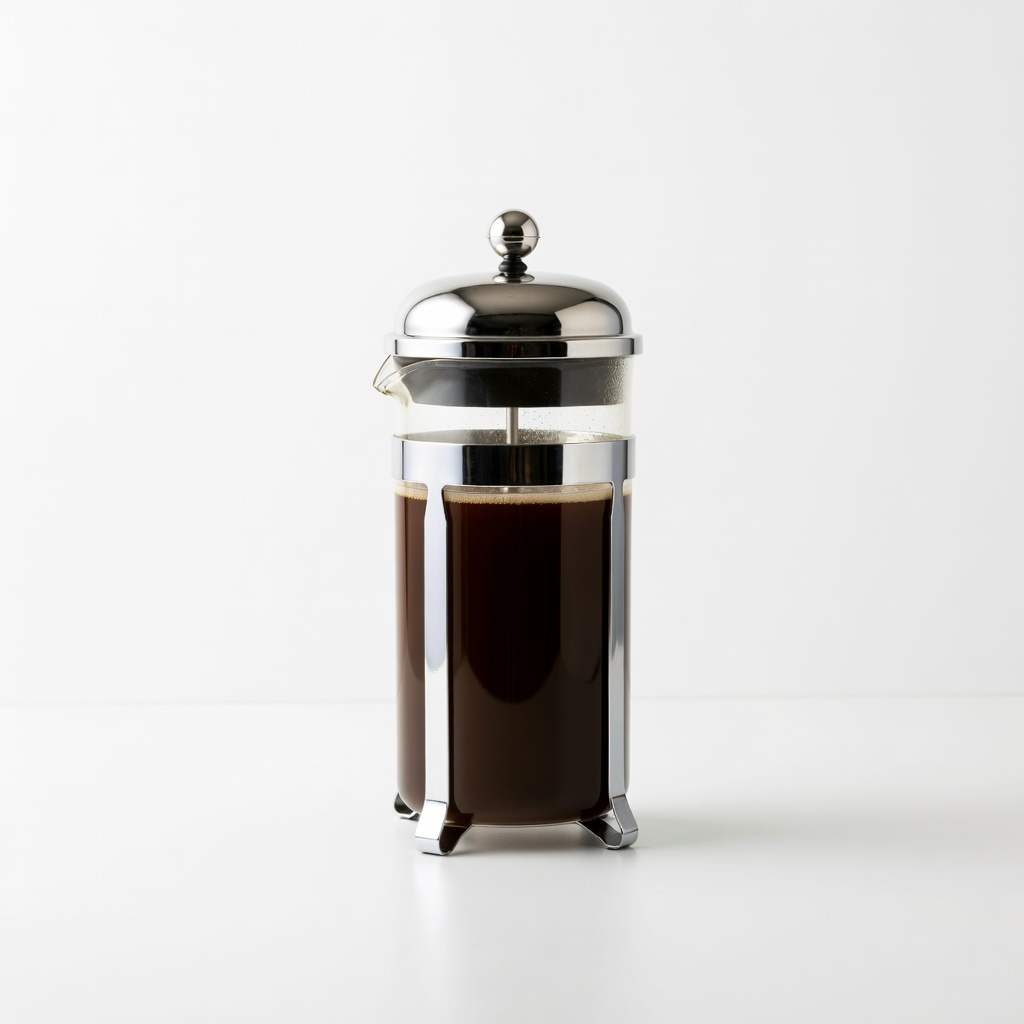
Bodum Chambord French Press
This classic glass model is durable, easy to use, and produces excellent full-bodied coffee without plastic tastes.
Best for: Ideal for daily home brewing of 2-4 cups; beginner-friendly with a tight mesh filter.
Price Range: $39.99
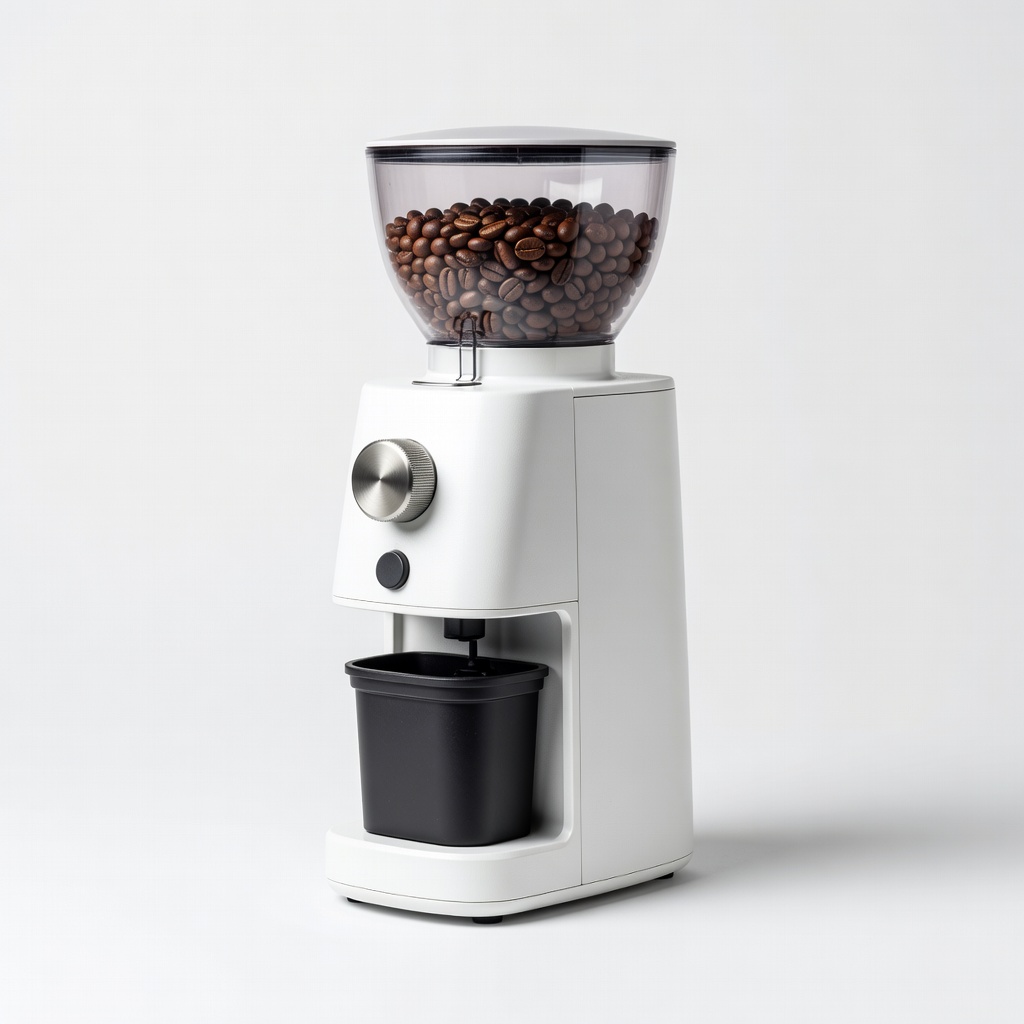
Baratza Encore Coffee Grinder
Offers consistent medium-coarse grinds essential for French press to avoid bitterness or grittiness.
Best for: For grinding fresh beans right before brewing; great for beginners upgrading from pre-ground.
Price Range: $149.99
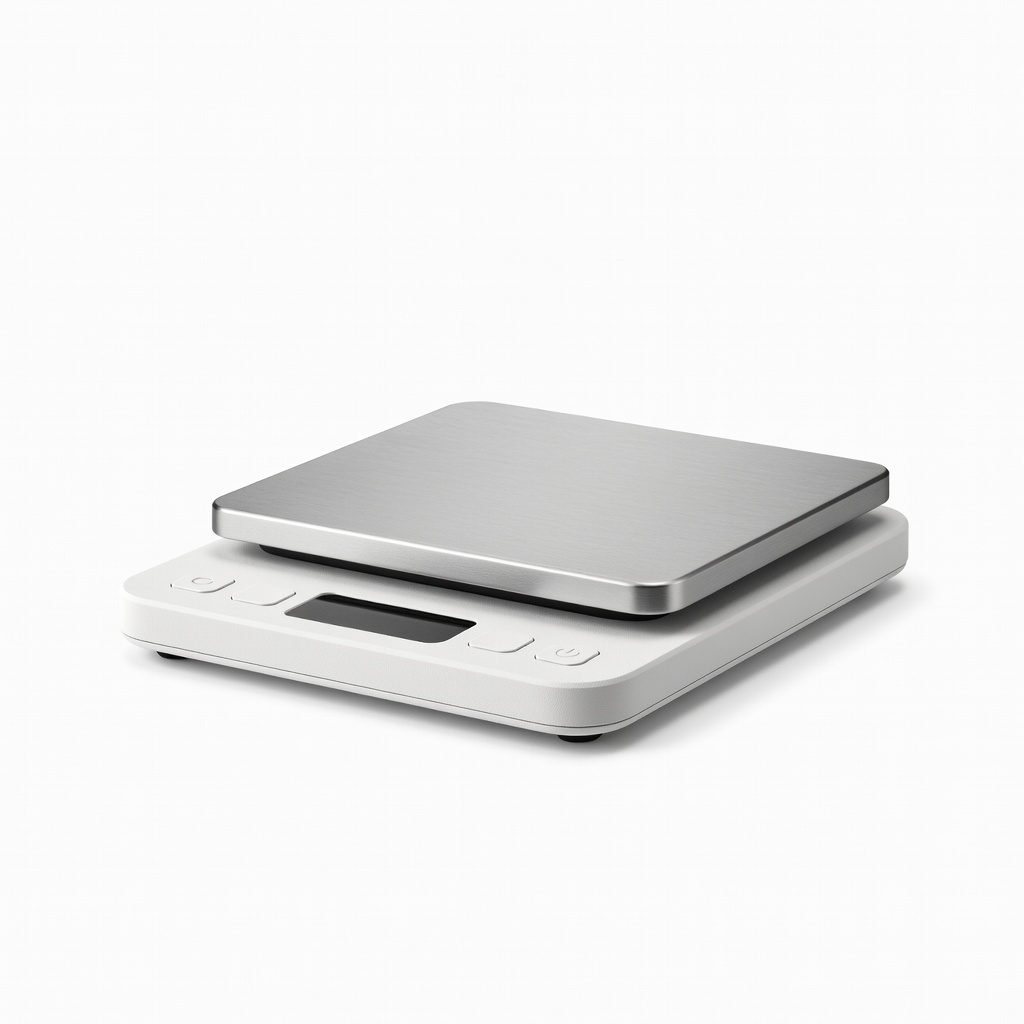
OXO Brew Compact Coffee Scale
Precise measurements ensure the perfect coffee-to-water ratio every time, preventing weak or strong brews.
Best for: Weighing grounds and water for consistent results; timer function helps with blooming and steeping.
Price Range: $49.99
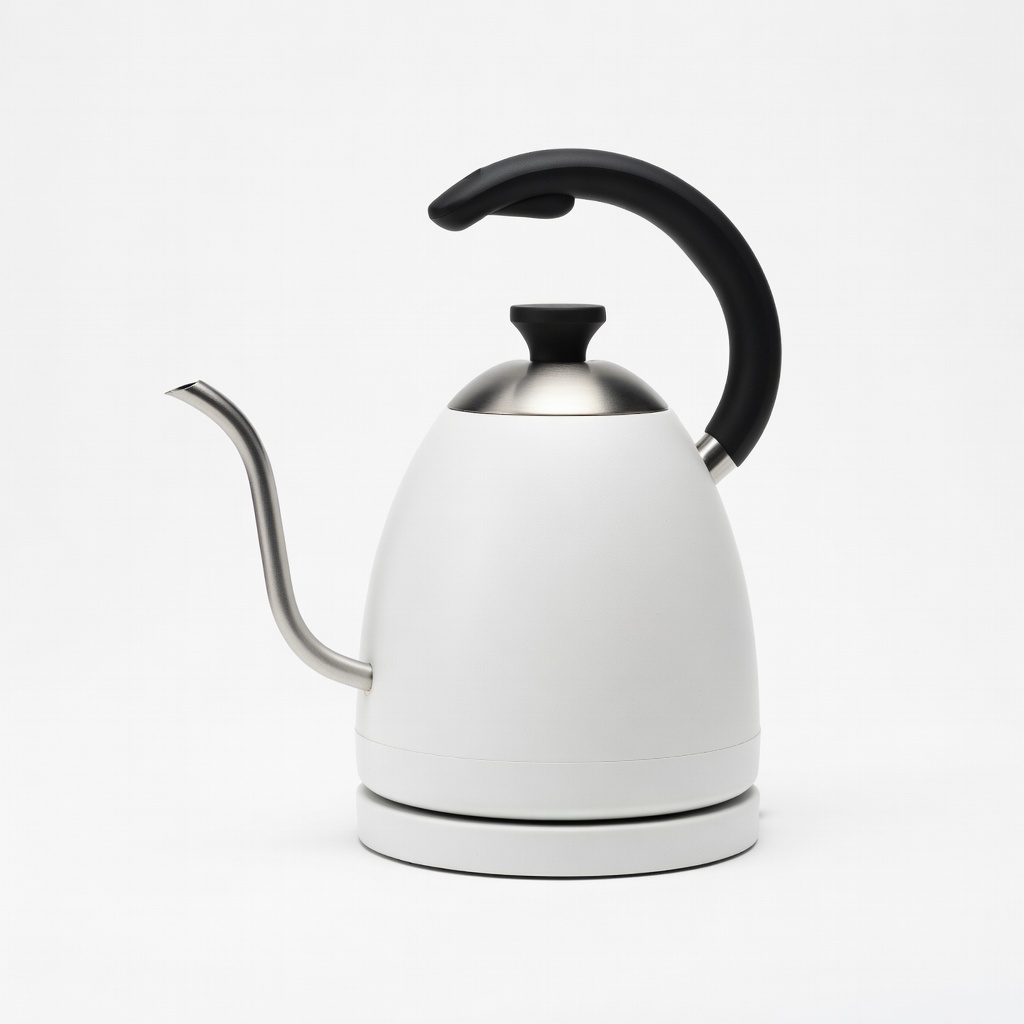
Fellow Stagg EKG Electric Kettle
Variable temperature control hits the exact 200°F for optimal extraction, with a gooseneck for precise pours.
Best for: Boiling and pouring water accurately; speeds up the process for multiple brews.
Price Range: $129.00
Urnex Full City Coffee Cleaner
Keeps your French press free of oils and residue for better-tasting coffee over time.
Best for: Weekly deep clean to maintain hygiene and flavor purity; prevents clogs in the mesh.
Price Range: $12.99 for 6 tablets