
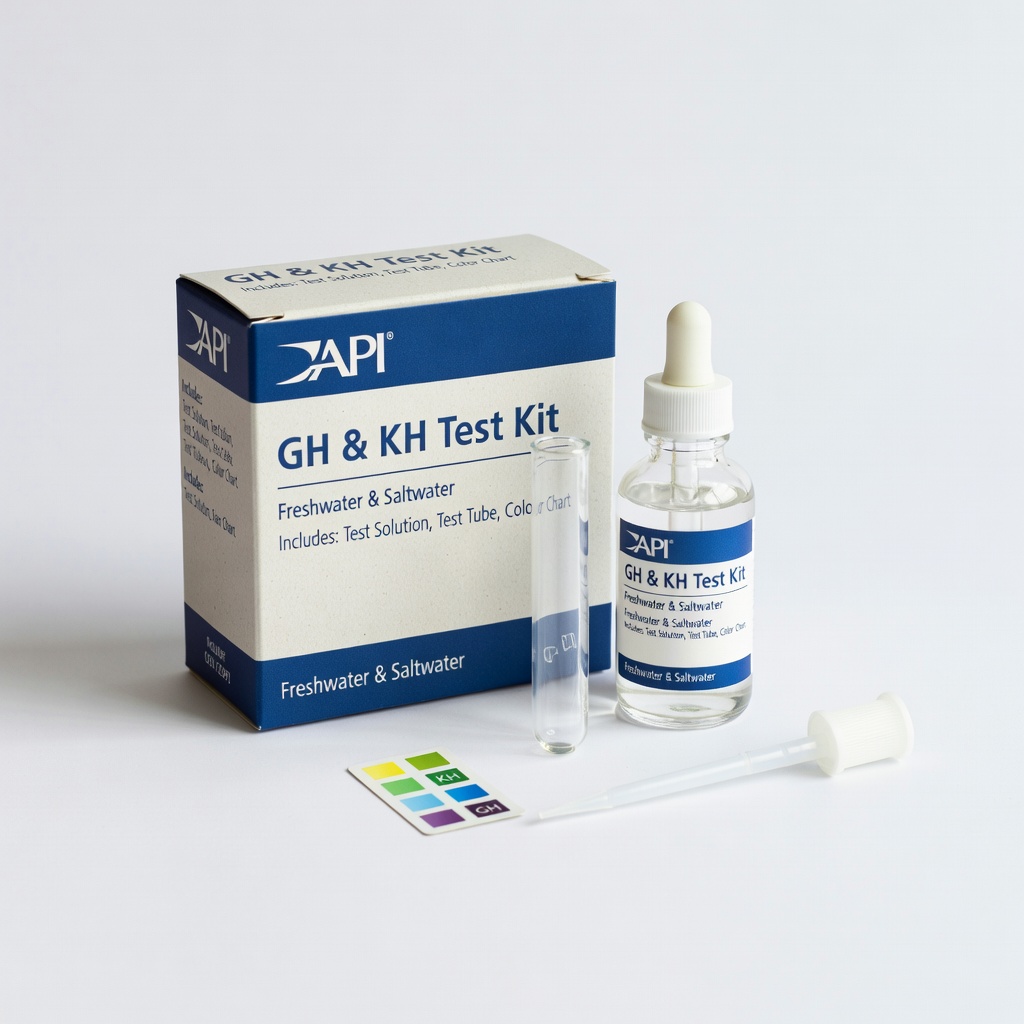
API GH & KH Test Kit
Weekly param checks to adjust water for molting/breeding.
$14.99
API GH & KH Test Kit Precise testing of minerals critical for shrimp breeding success.
Get the App
Better experience on mobile
Master breeding cherry shrimp step-by-step to grow a thriving colony in your tank with minimal effort.
Breeding shrimp like popular Neocaridina (cherry shrimp) in home aquariums is a rewarding way to expand your livestock, create a natural bioactive setup, and enhance your tank's ecosystem. Many aquarists struggle with low success rates due to unstable water parameters or poor tank conditions, leading to failed spawns or high shrimplet mortality. This guide solves those issues for intermediate hobbyists.
You'll learn everything from tank setup to nurturing shrimplets, achieving a self-sustaining colony in 4-8 weeks. The process involves creating ideal breeding conditions, monitoring berried females, and protecting babies—expect visible eggs in 1-2 weeks and free shrimplets soon after.
This intermediate guide takes 1-2 hours for setup plus ongoing monitoring over weeks. No advanced equipment needed, just patience and precision.
Estimated Time: Initial setup: 1-2 hours; Breeding cycle: 4-8 weeks Difficulty: intermediate
Choose a 10-20 gallon tank dedicated to breeding to avoid cross-contamination with fish. Rinse the tank thoroughly and add 1-2 inches of shrimp-safe substrate like Fluval Stratum, which provides biofilm for feeding shrimplets.
Install a sponge filter connected to an air pump—this ensures gentle water flow crucial for tiny shrimplets. Add heater, thermometer, and dense plants like Java moss or Indian almond leaves. Fill with dechlorinated water matched to source tank params (pH 6.5-7.5, GH 6-8 dGH, KH 2-4 dKH, temp 72-78°F).
Cycle the tank for 2-4 weeks using ammonia source or bacteria starter until ammonia/nitrite=0, nitrates<20ppm. Success looks like clear water, stable params, and biofilm growth on plants.
💡 Tips:
⚠️ Warnings:
Why it matters: Shrimp are sensitive; unstable params cause molting deaths or no breeding.
Use test kits to verify: Temp 74-76°F ideal, GH 6-8, KH 3-4, TDS 150-250ppm, pH 7.0-7.2. Adjust with remineralizers like Salty Shrimp GH+. Aerate for oxygen >6mg/L. Maintain 50-70% weekly water changes with temp/pH-matched water.
Expect crystal-clear water and shrimp active post-acclimation. Log params daily.
💡 Tips:
⚠️ Warnings:
Buy 10-20 juvenile/adult Neocaridina cherry shrimp from reputable sellers—look for vibrant color, active movement, no white spots. Mix sexes (females slightly larger, egg saddle visible).
Quarantine in a bucket 1 week, treat if needed. Acclimate drip-method 1-2 hours to tank. Success: All shrimp exploring plants within hours, no lethargy.
💡 Tips:
Provide hiding spots: Dense Java moss, cholla wood, leaf litter for biofilm. Keep lights on 8-10 hours for algae growth but avoid direct sun.
Feed sparingly: BacterAE powder 2x/week, blanched veggies, algae wafers. Why? Overfeeding crashes params. Expect shrimp grazing surfaces, population stable after 1 week.
⚠️ Warnings:
After 1-2 weeks, check under females for green/yellow egg saddle (20-30 eggs). Breeding triggered by stable params, food abundance. Females carry 3-4 weeks.
Do not disturb—success is 50%+ females berried, swimming normally.
💡 Tips:
When eggs hatch (tiny transparent dots in moss), leave in main tank—moss protects from cannibalism. Feed micro-foods like powdered spirulina.
Shrimplets grow fast; expect survival 70%+ in week 1. Thin adults if overcrowding.
💡 Tips:
⚠️ Warnings:
After 4-6 weeks, harvest excess adults for sale/main tank. Colony doubles every 2 months if params perfect. Success: 50+ shrimp, ongoing berried females.
💡 Tips:
Weekly 20% water changes, prune plants, test params bi-weekly. Cull weaklings. Expect sustainable population growth.
Problem: No berried females after 4 weeks
Solution: Check params (raise temp to 76°F, add minerals); ensure 1:1 sex ratio. Wait 2 more weeks.
Problem: Shrimplets disappearing
Solution: Add more moss/cover; remove adults to nursery box temporarily.
Problem: Sudden deaths/white molts
Solution: Test for copper/ammonia; do 30% water change with remineralized water.
Problem: Fungus on eggs
Solution: Remove leaf/almond for tannins; Indian almond leaves prevent this.
Precise testing of minerals critical for shrimp breeding success.
Best for: Weekly param checks to adjust water for molting/breeding.
Price Range: $14.99
Gentle flow perfect for shrimplets, promotes biofilm.
Best for: Primary filtration in breeding tank.
Price Range: $12.99-$16.99
Reliable temp control with shrimp-safe design.
Best for: Maintain 72-78°F in small breeding tanks.
Price Range: $19.99
Healthy, quarantined stock with good genetics.
Best for: Starting breeding colony.
Price Range: $25.99
Builds biofilm essential for shrimplet survival.
Best for: Feed 2-3x/week in breeding tanks.
Price Range: $11.95
Weekly param checks to adjust water for molting/breeding.
API GH & KH Test Kit Precise testing of minerals critical for shrimp breeding success.
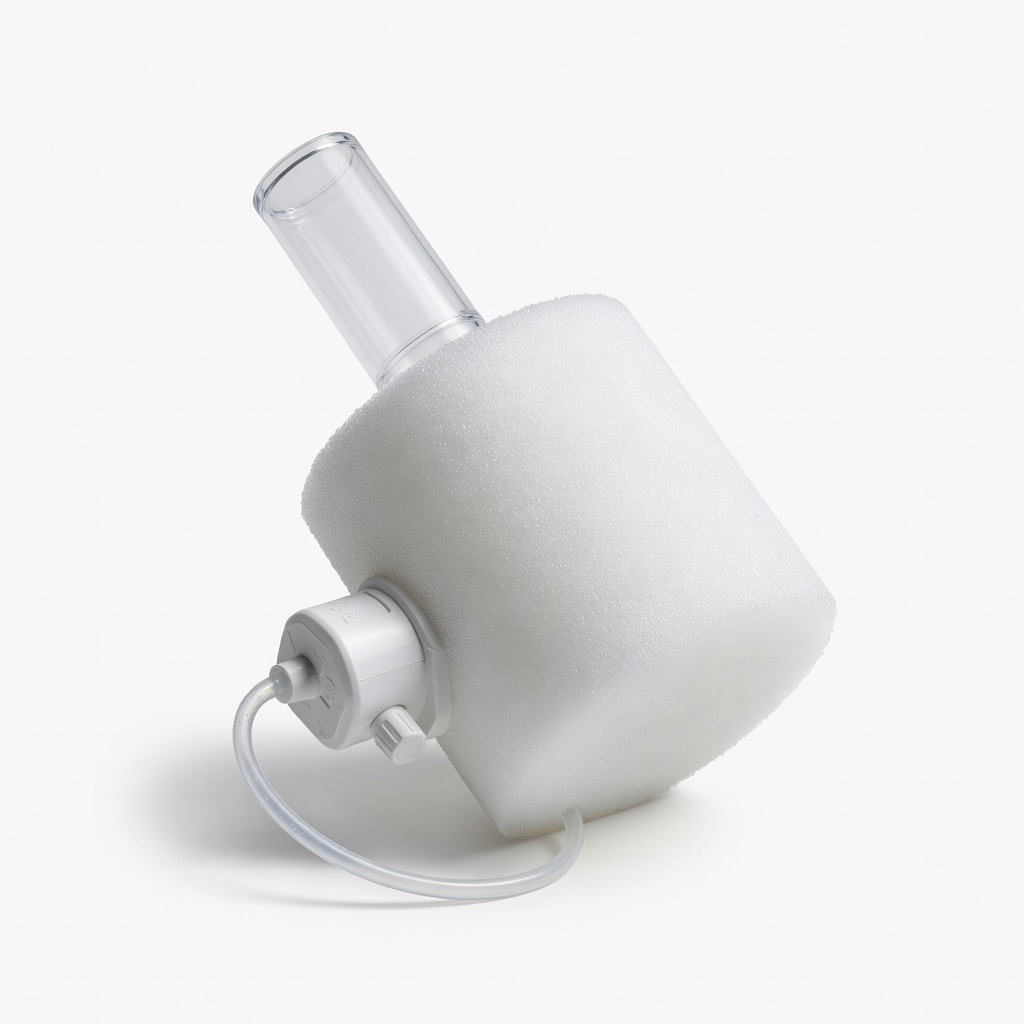
Primary filtration in breeding tank.
Hygger Aquarium Sponge Filter Gentle flow perfect for shrimplets, promotes biofilm.
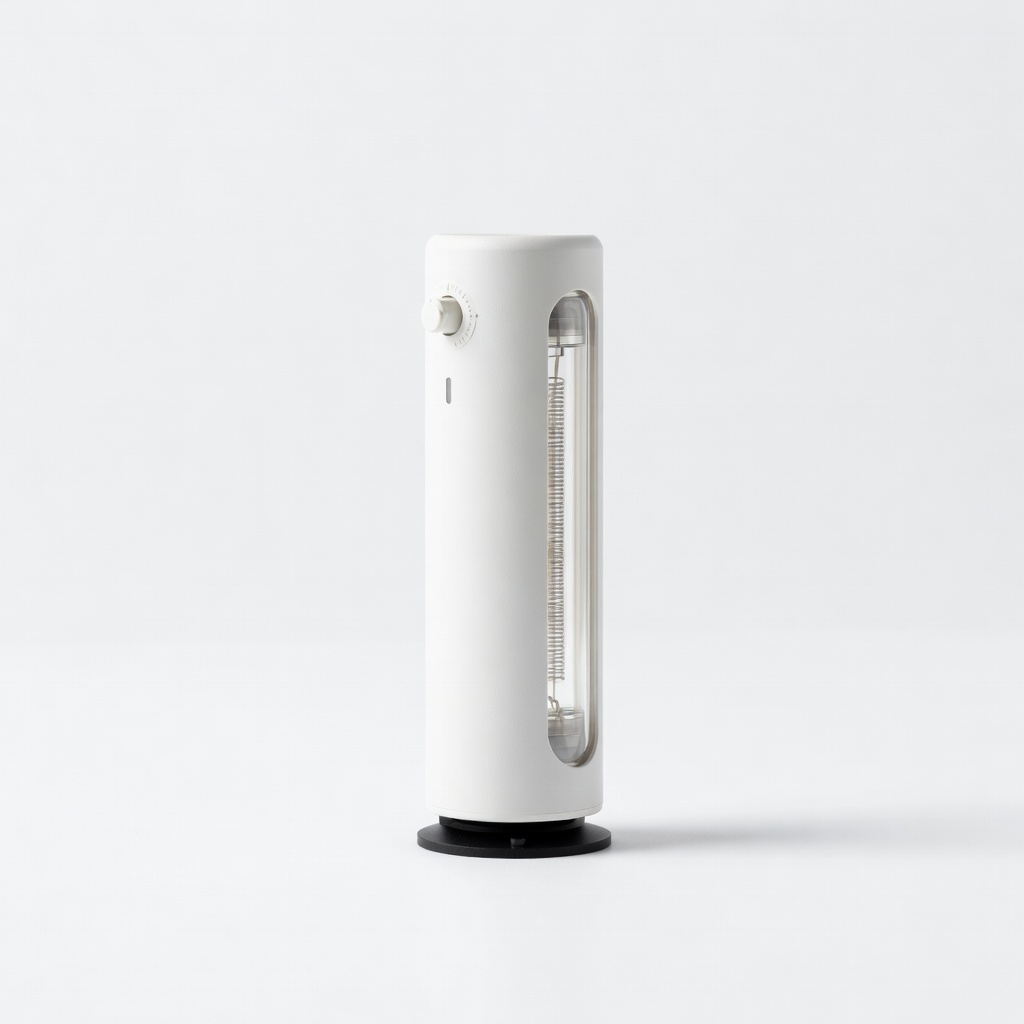
Maintain 72-78°F in small breeding tanks.
Fluval Nano Heater 25W Reliable temp control with shrimp-safe design.
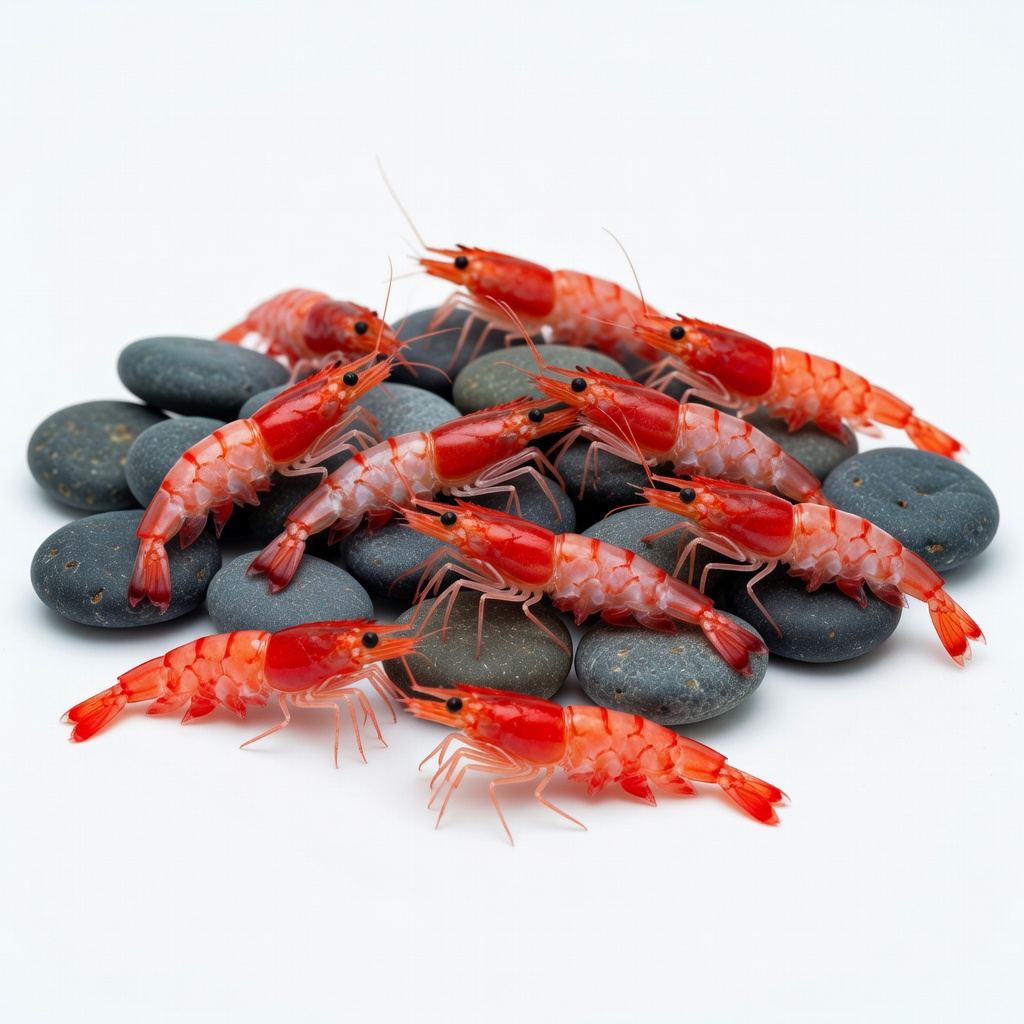
Starting breeding colony.
Aquatic Arts Cherry Shrimp Pack of 10 Healthy, quarantined stock with good genetics.

Feed 2-3x/week in breeding tanks.
Glass Grown Foods BacterAE Pro Builds biofilm essential for shrimplet survival.