
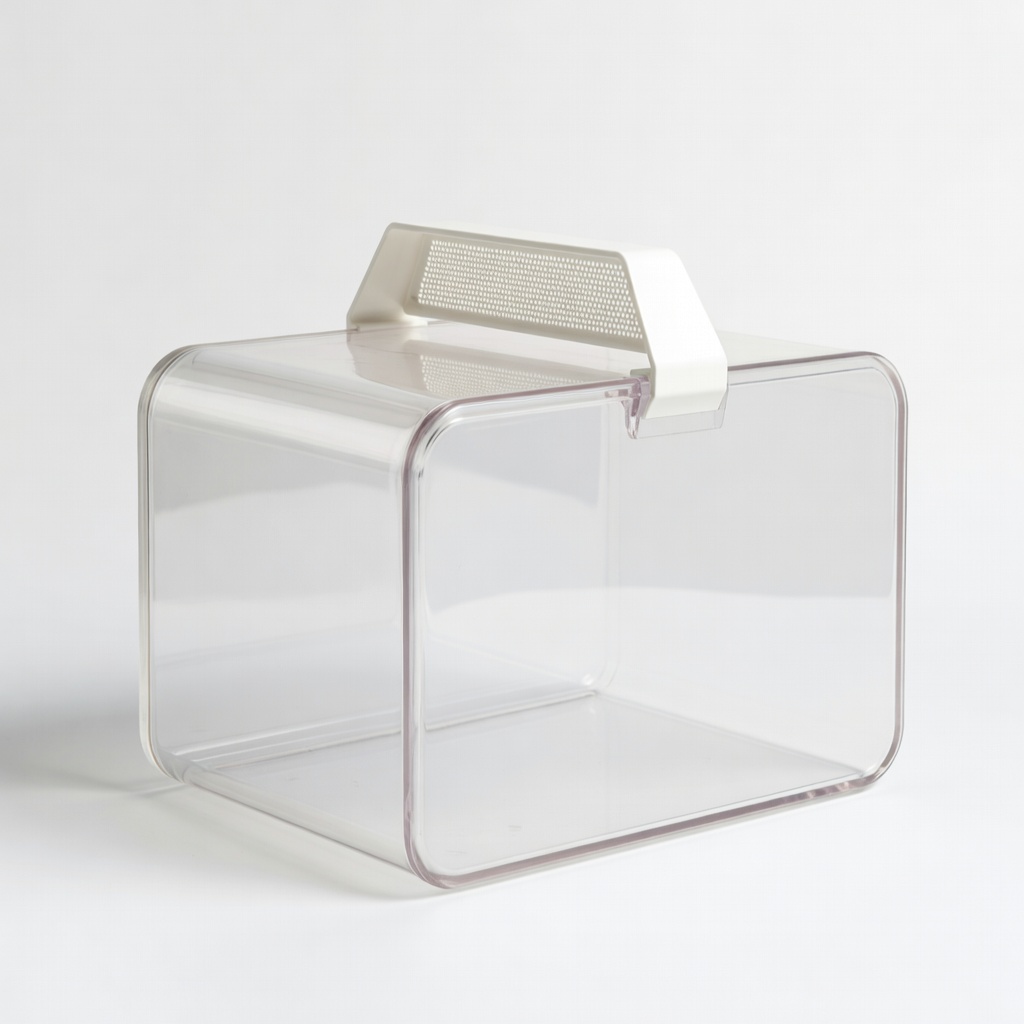
Lee's Hang-On Breeding Box, Large
Use during late pregnancy to monitor birth without full tank separation.
$10-$15
Lee's Hang-On Breeding Box, Large Provides a safe space to isolate pregnant females and protect fry from being eaten.
Get the App
Better experience on mobile
Master breeding vibrant guppies in your aquarium with this step-by-step guide, turning your hobby into a thriving fish population in weeks.
Breeding guppies is a rewarding way to expand your aquarium collection, especially if you're fascinated by their colorful varieties and ease of care. Many intermediate aquarists struggle with low fry survival rates due to poor setup or overcrowding, but with the right approach, you can achieve dozens of healthy offspring per batch. This guide addresses those pain points by focusing on optimal conditions for successful breeding.
You'll learn everything from selecting breeding pairs to raising fry, ensuring a smooth process that minimizes stress on your fish. The overall process involves setting up a dedicated space, monitoring mating, and providing specialized care for newborns—ideal for those with basic aquarium experience.
Expect to invest 1-2 hours in initial setup, with the full breeding cycle spanning 4-8 weeks. It's intermediate difficulty, requiring knowledge of water parameters and fish behavior, but the results—a self-sustaining guppy colony—are incredibly satisfying.
Estimated Time: Initial setup: 1-2 hours; Breeding cycle: 4-8 weeks Difficulty: intermediate
Start by choosing vibrant, active guppies from your tank or a reputable source. Look for 2-3 month-old males (slender with colorful fins) and females (larger, rounder bodies). Ensure they are disease-free—no spots, clamped fins, or lethargy. Introduce one male to 2-3 females to reduce stress and encourage natural mating.
Why it matters: Healthy parents produce stronger fry with better coloration. Expect the male to display courtship dances, like flaring fins, within hours of introduction.
This step sets the foundation; poor selection leads to weak offspring.
💡 Tips:
⚠️ Warnings:
Set up a 10-20 gallon tank with dechlorinated water at 75-82°F and pH 7.0-7.8. Install a heater and sponge filter to keep water clean without strong currents. Add live plants densely for cover and to mimic natural spawning sites—guppies scatter eggs but since they're livebearers, plants protect fry post-birth.
Cycle the tank for at least a week to establish beneficial bacteria, testing for zero ammonia/nitrite. Why it matters: Stable parameters prevent shock and promote egg development in females.
Success looks like clear water with hiding spots; fry will use plants to evade adults.
💡 Tips:
⚠️ Warnings:
Acclimate the pairs by floating their bag for 15 minutes, then slowly add tank water. Release them gently and observe for natural behaviors: males will chase and display to females, leading to internal fertilization.
Feed a varied diet of flakes, brine shrimp, and veggies to boost fertility—females can store sperm for multiple broods. Mating is quick and repeated; expect visible gravid spots (dark belly patch) on females within 1-2 weeks.
This phase succeeds when you see active courtship without aggression.
💡 Tips:
⚠️ Warnings:
Watch for signs of pregnancy: swollen abdomen and boxy shape in females, gestation lasting 21-30 days. Gestation temp affects speed—warmer water shortens it. Prepare a fry tank or breeding box with fine mesh to separate newborns.
Why it matters: Adults often eat fry, so isolation is key. Birth happens in clusters of 20-50 fry; females may drop them over hours.
Expect tiny, translucent fry swimming up soon after birth—success is seeing them active and feeding.
💡 Tips:
⚠️ Warnings:
Immediately move fry to a separate tank with infusoria or powdered food like Hikari First Bites. Maintain 78-80°F and feed small amounts 3-4 times daily to avoid fouling water. Add Java moss for grazing and hiding.
Growth is rapid—fry reach 1/2 inch in 2 weeks. Why it matters: Proper nutrition ensures 70-90% survival rate.
Success: Fry schooling and growing without losses; wean to adult food by month 1.
💡 Tips:
⚠️ Warnings:
As fry mature (4-6 weeks), sort by sex to prevent early breeding—males show color, females plumper. Gradually introduce to main tank once 1 inch long, monitoring for compatibility.
Perform regular water tests and changes. Why it matters: Prevents inbreeding and overcrowding.
End result: Healthy juveniles ready for sale or expansion, with parents rested for next brood.
💡 Tips:
⚠️ Warnings:
Problem: Fry dying shortly after birth
Solution: Check for ammonia spikes; do immediate 25% water change and feed infusoria. Ensure hiding spots are ample.
Problem: Females not getting pregnant
Solution: Increase live foods and ensure male-female ratio is 1:2. Verify water temp is 78°F for optimal fertility.
Problem: Aggression among adults
Solution: Add more plants for territory and reduce stocking density. Separate bullies if needed.
Problem: Fry not eating
Solution: Offer crushed flakes or liquid fry food; darkness for first feeding can encourage. Seek vet if persistent.
Provides a safe space to isolate pregnant females and protect fry from being eaten.
Best for: Use during late pregnancy to monitor birth without full tank separation.
Price Range: $10-$15
Maintains precise 75-82°F temperatures essential for guppy breeding success.
Best for: Install in breeding tank to keep water warm and stable during gestation.
Price Range: $18-$25
Nutrient-rich powder designed for newborn fry, promoting fast growth and high survival.
Best for: Feed small pinches multiple times daily to newly born guppies.
Price Range: $5-$8
Accurate testing for pH, ammonia, and nitrite prevents common breeding failures from poor water quality.
Best for: Test weekly during breeding to catch imbalances early.
Price Range: $25-$35
Gentle filtration that oxygenates without harming tiny fry, ideal for breeding setups.
Best for: Place in fry tank to keep water clean and aerated.
Price Range: $15-$20
Use during late pregnancy to monitor birth without full tank separation.
Lee's Hang-On Breeding Box, Large Provides a safe space to isolate pregnant females and protect fry from being eaten.
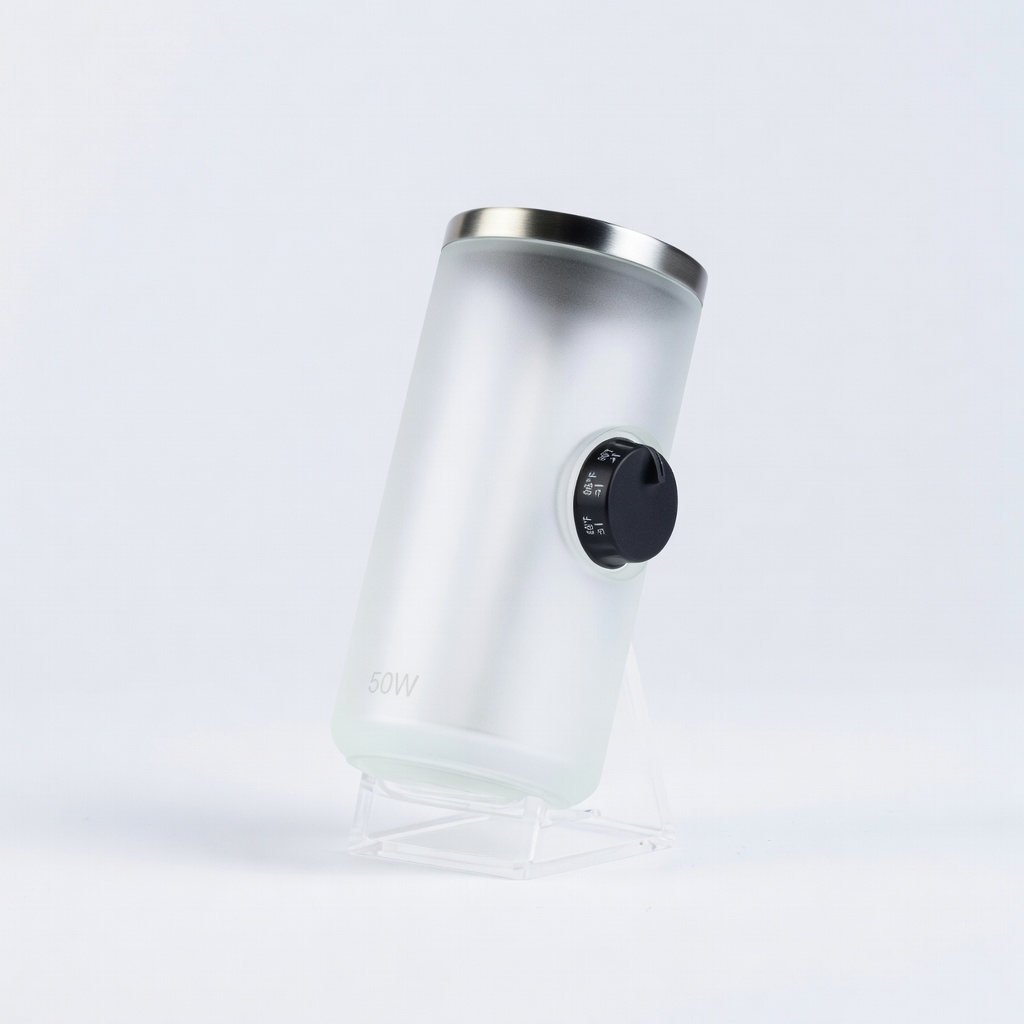
Install in breeding tank to keep water warm and stable during gestation.
Aqueon Aquarium Fish Tank Heater, 50W Maintains precise 75-82°F temperatures essential for guppy breeding success.
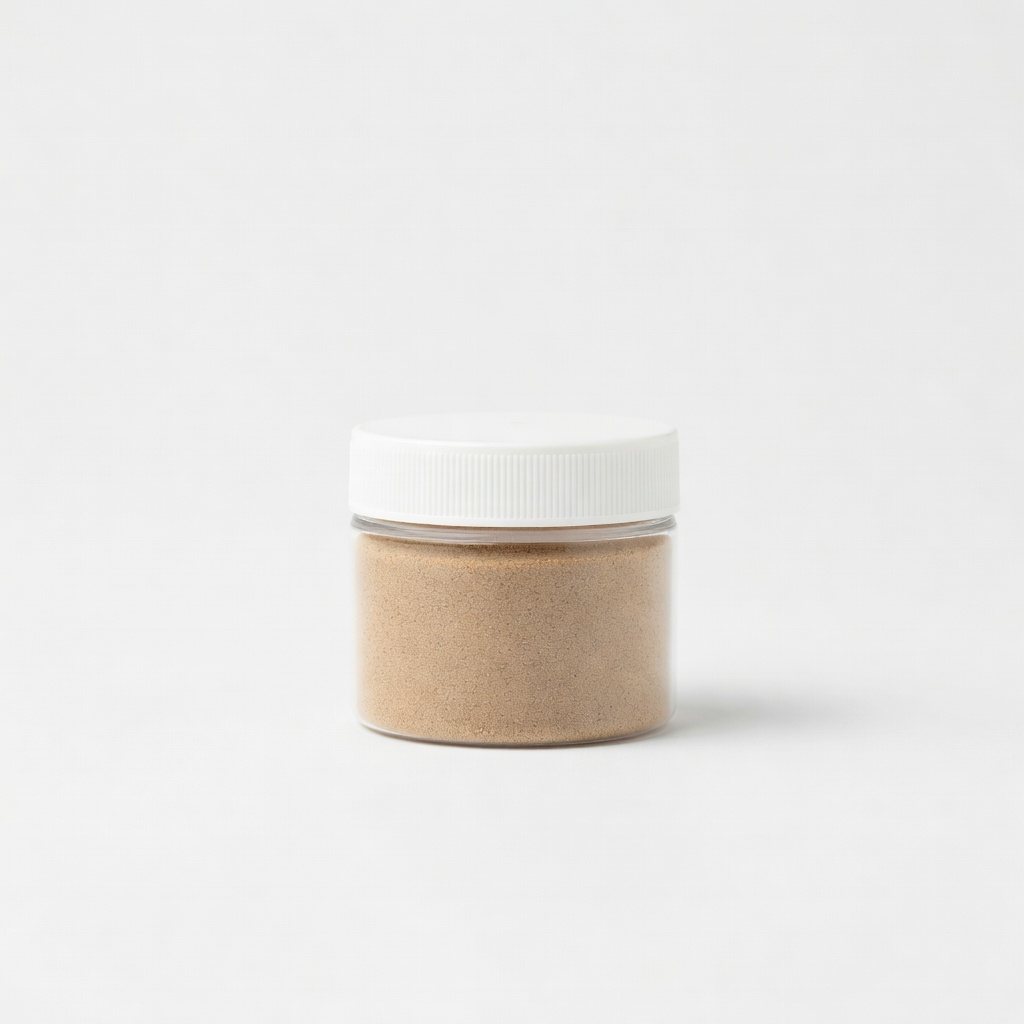
Feed small pinches multiple times daily to newly born guppies.
Hikari First Bites Fry Food Nutrient-rich powder designed for newborn fry, promoting fast growth and high survival.
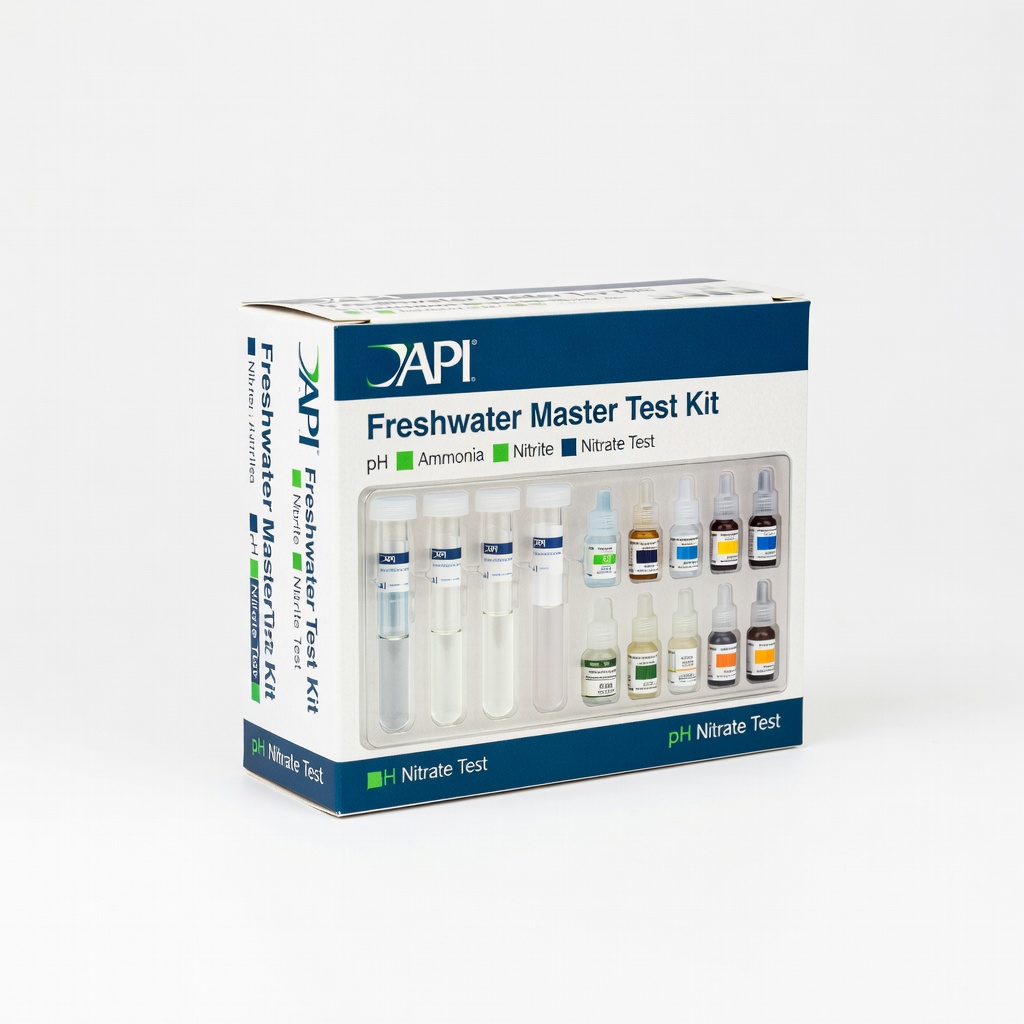
Test weekly during breeding to catch imbalances early.
API Freshwater Master Test Kit Accurate testing for pH, ammonia, and nitrite prevents common breeding failures from poor water quality.
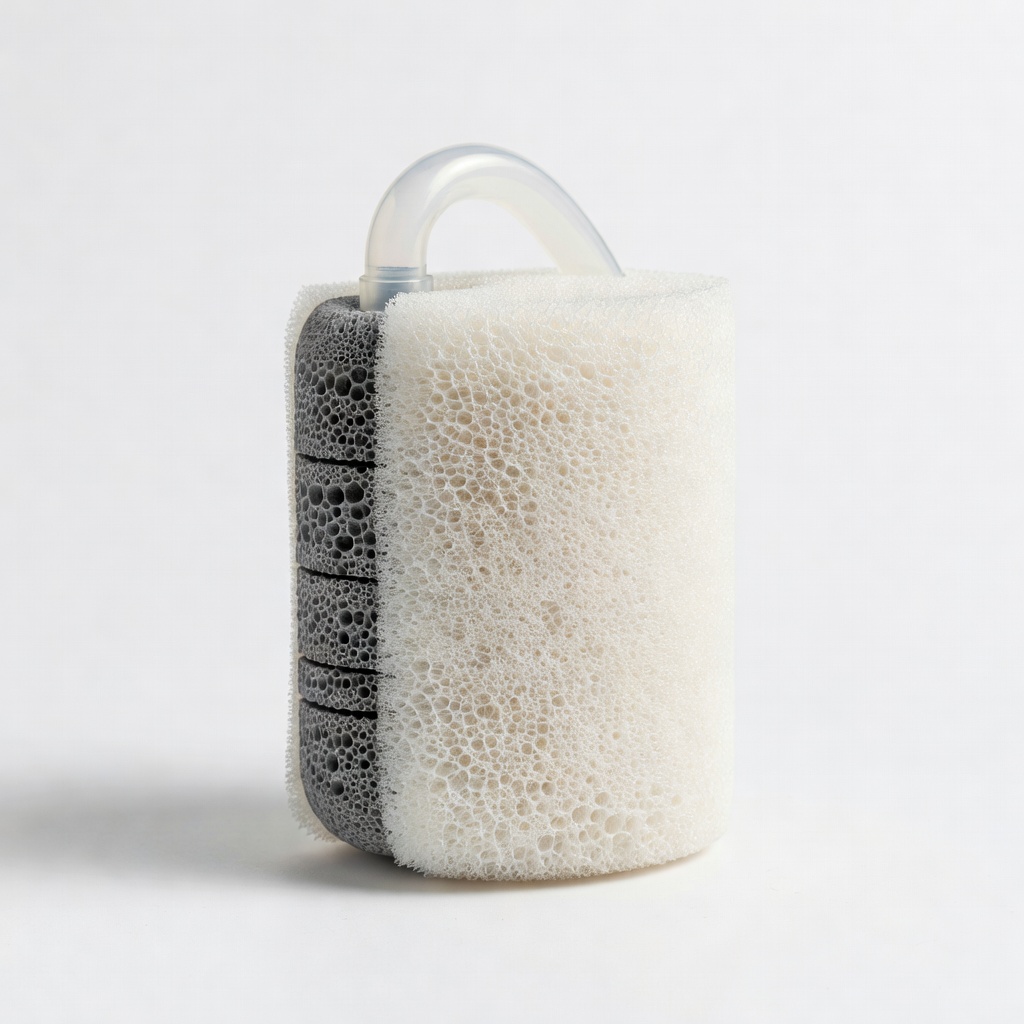
Place in fry tank to keep water clean and aerated.
Fluval BioMax Sponge Filter Gentle filtration that oxygenates without harming tiny fry, ideal for breeding setups.