
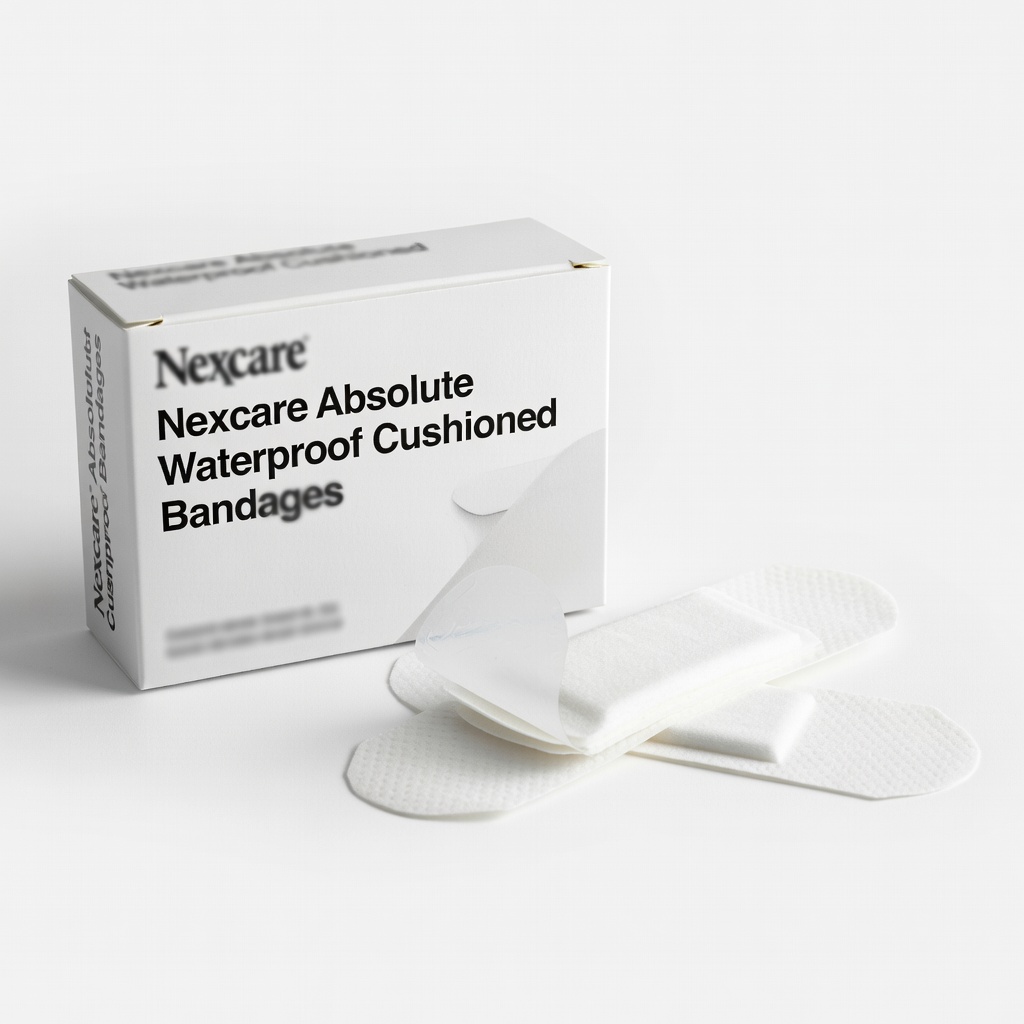
Nexcare Absolute Waterproof Cushioned Bandages
Daily showers, handwashing, light water sports.
$6.99-$8.99
Nexcare Absolute Waterproof Cushioned Bandages Hydrocolloid pad seals water out while cushioning; lab-tested to stay on during swimming.
Get the App
Better experience on mobile
Learn simple steps to make adhesive bandages stick securely during showers, swimming, or sweat—keeping wounds protected without reapplying.
Nothing's more frustrating than a bandage peeling off mid-shower or during a sweaty workout, leaving your wound exposed to infection. Whether you're an active beginner dealing with cuts from hiking or just want reliable shower-proof protection, mastering wet-environment bonding techniques ensures faster healing and peace of mind.
In this beginner-friendly guide, you'll learn proven steps to prep your skin, enhance adhesion, and apply bandages that withstand water. We'll cover everything from skin prep to product picks, with the whole process taking just 5-10 minutes per application. No advanced skills needed—just follow along for bandages that last days, even submerged.
Expect strong, flexible bonds that flex with your skin, resist water beading, and stay put through daily activities.
Estimated Time: 5-10 minutes per application Difficulty: beginner
Start by gently rinsing the wound under lukewarm running water to remove dirt, debris, or bacteria. Use mild soap if needed, but avoid harsh antiseptics like hydrogen peroxide that can irritate skin and weaken adhesion.
Why it matters: A clean wound prevents infection, and removing oils or lotions ensures the adhesive grips properly. Pat dry with a clean towel—never rub, as this can reopen the wound.
Success looks like: Clear, dry skin around a pinkish wound with no visible debris.
💡 Tips:
⚠️ Warnings:
Use a fresh, lint-free towel or paper towel to pat the area bone-dry. Wait 1-2 minutes if in a humid environment, and use a hairdryer on cool setting if needed.
Why it matters: Moisture is the #1 reason bandages fail in wet conditions—even tiny dampness prevents molecular bonding. Dry skin allows adhesives to penetrate skin pores for a stronger hold.
Success looks like: Skin feels tacky to the touch, no shine or moisture.
💡 Tips:
Spray or swab tincture of benzoin thinly around (not on) the wound, extending 1 inch beyond where the bandage edges will sit. Let it air-dry for 30-60 seconds until tacky and clear.
Why it matters: Benzoin is a resin that creates a sticky base layer, boosting adhesion by 3x in wet tests—essential for humid or sweaty areas.
Success looks like: Skin has a glossy, tacky film that's dry to the touch.
💡 Tips:
⚠️ Warnings:
Choose a waterproof bandage slightly larger than the wound (1/4 inch border). Peel off backing carefully to avoid touching the adhesive pad.
Why it matters: Waterproof materials like hydrocolloid or silicone seal out water while cushioning. Prepping keeps the adhesive pristine.
Success looks like: Clean, intact adhesive pad ready to apply.
Center the pad over the wound, then press edges down firmly for 30 seconds, starting from center outward. Rub vigorously with fingers to activate adhesive.
Why it matters: Firm pressure heats and bonds the adhesive to skin pores, creating a watertight seal.
Success looks like: No lifting edges; bandage conforms smoothly.
💡 Tips:
Optional: Dab waterproof liquid bandage or apply medical tape over edges. Let dry 1 minute.
Why it matters: This creates a barrier against water ingress at flex points like joints.
Success looks like: Smooth, glossy edges with no gaps.
Splash water on it or wait 5 minutes, then tug gently. It should hold firm.
Why it matters: Confirms readiness for wet exposure. Reapply if any lift.
Problem: Bandage lifts after shower
Solution: Skin wasn't fully dry or oily—re-clean, add more benzoin, press 1 full minute.
Problem: Itchy or irritated skin
Solution: Benzoin allergy; switch to silicone-based adhesives or plain waterproof tape.
Problem: Doesn't stick on hairy/flexy areas
Solution: Trim hair, use flexible fabric waterproof bandages, or liquid seal.
Problem: Wound weeps fluid
Solution: Use absorbent hydrocolloid bandages; see doctor if pus/excess.
Hydrocolloid pad seals water out while cushioning; lab-tested to stay on during swimming.
Best for: Daily showers, handwashing, light water sports.
Price Range: $6.99-$8.99
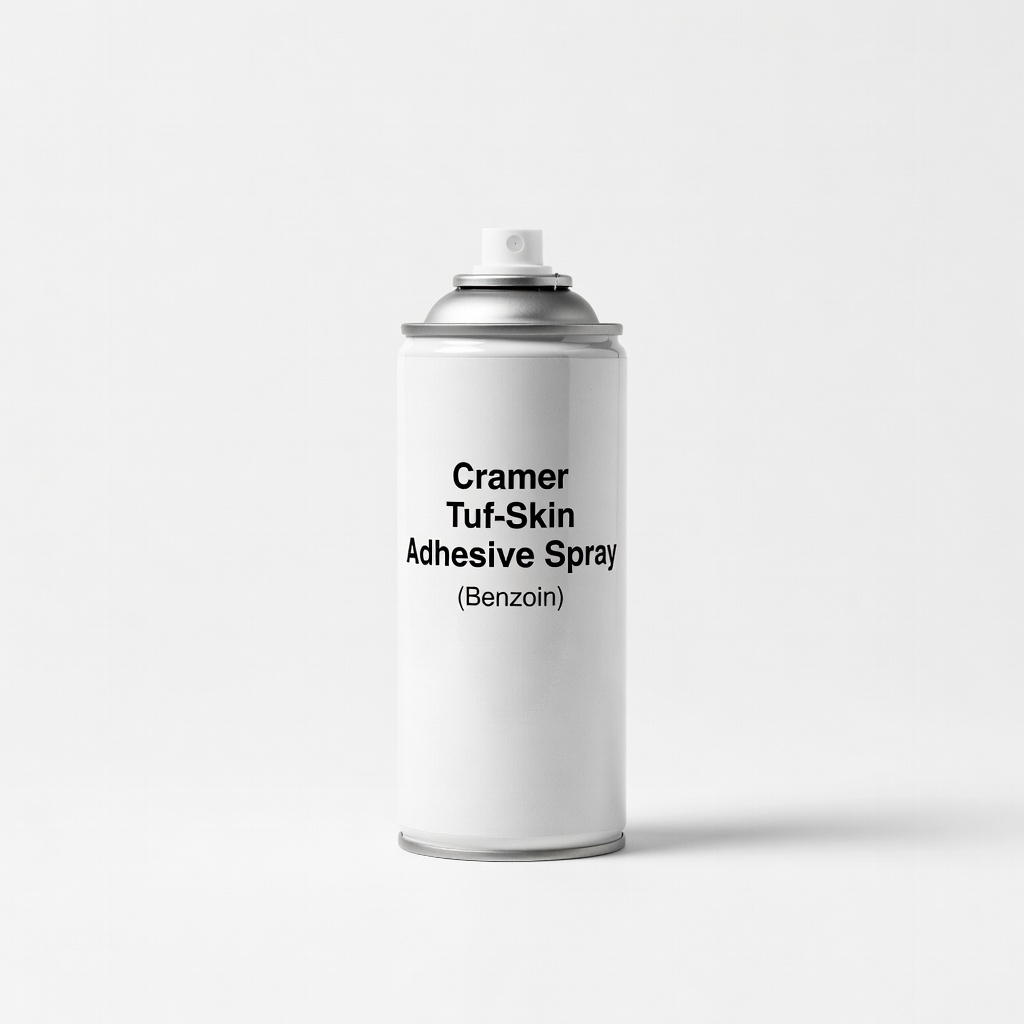
Non-aerosol spray for precise, mess-free application; enhances any bandage adhesion 300%.
Best for: Sweaty workouts, humid climates, or frequent reapplication.
Price Range: $9.99-$12.99
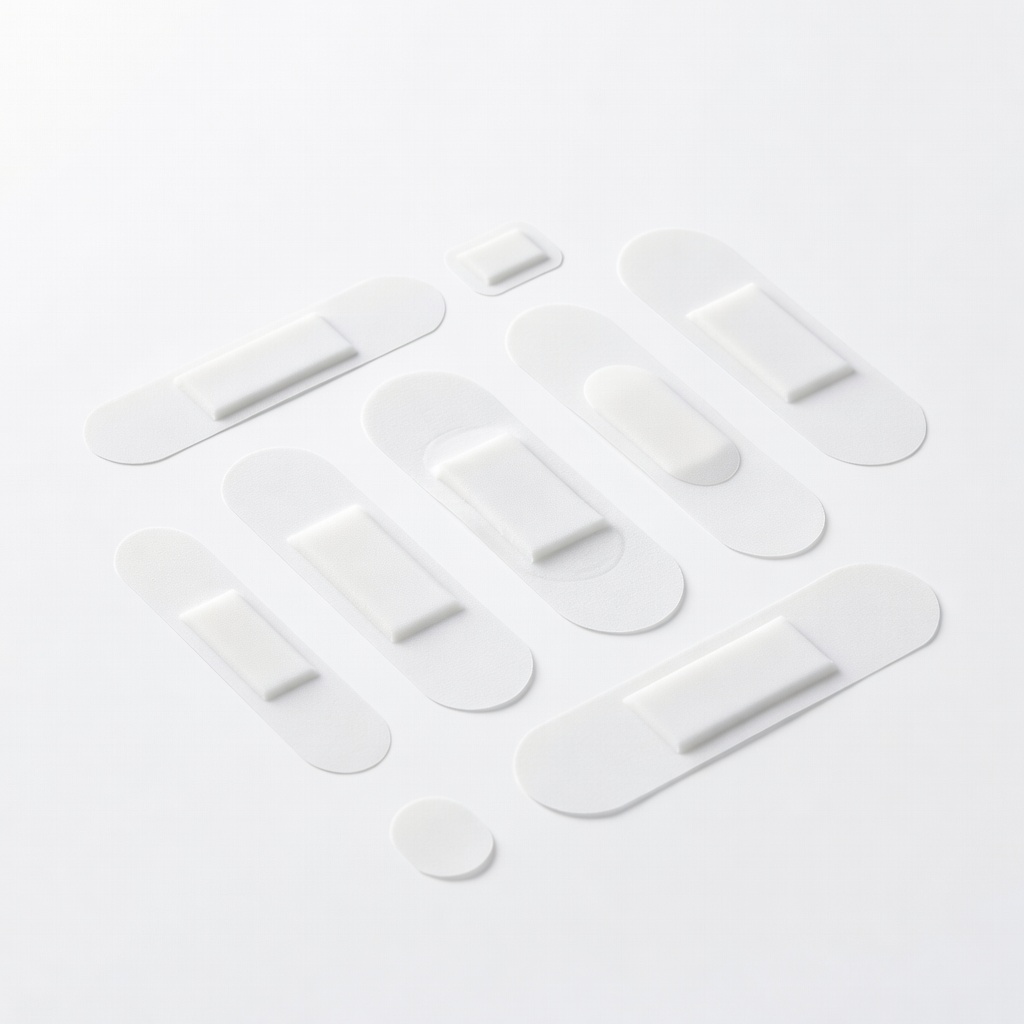
All-in-one gel lining absorbs moisture inside while blocking external water; no benzoin needed.
Best for: Beginners wanting simplicity for minor cuts in rain or baths.
Price Range: $5.49-$7.99
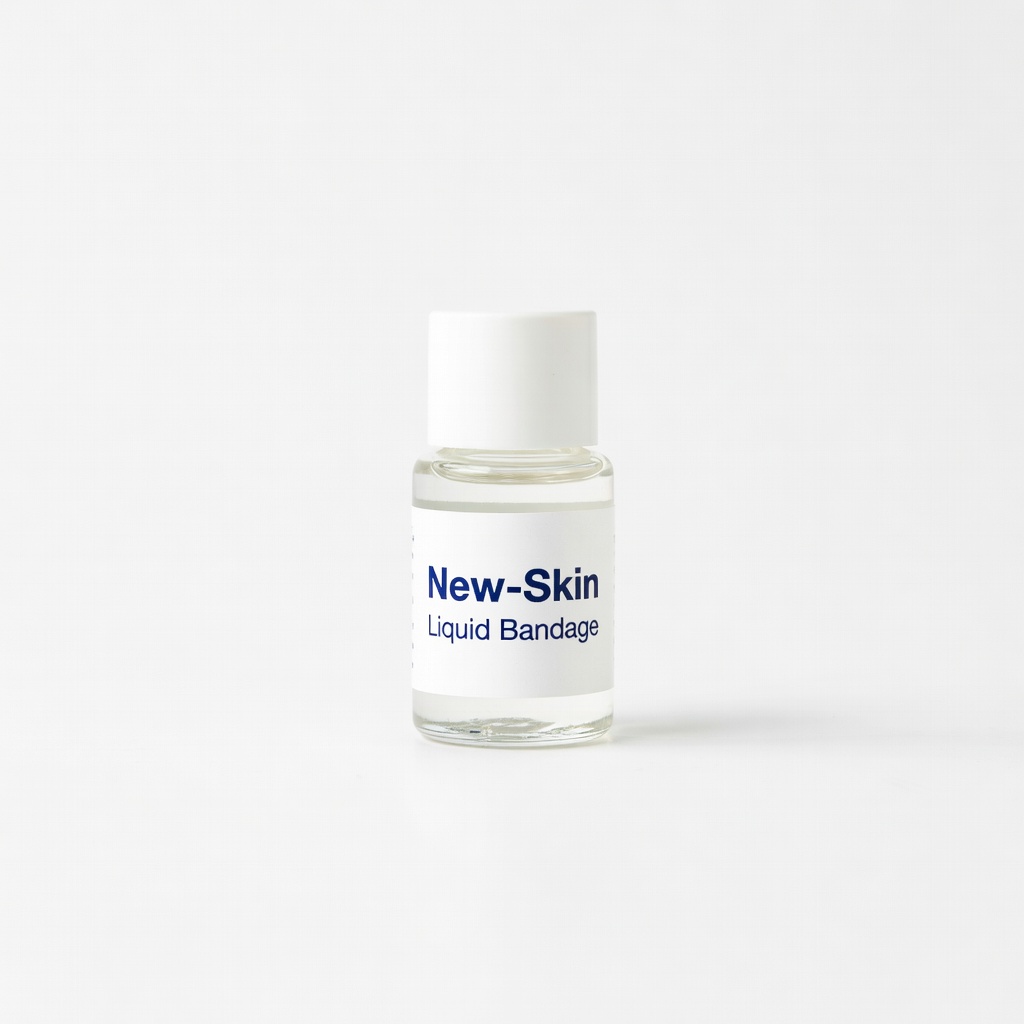
Forms flexible waterproof seal directly on skin; ideal for edge sealing or small wounds.
Best for: Fingers, knuckles, or as topcoat over fabric bandages.
Price Range: $7.99-$9.99
Breathable yet impermeable fabric for active use; budget-friendly bulk pack.
Best for: High-motion areas like knees/elbows during hiking.
Price Range: $4.99-$6.99
Daily showers, handwashing, light water sports.
Nexcare Absolute Waterproof Cushioned Bandages Hydrocolloid pad seals water out while cushioning; lab-tested to stay on during swimming.
Sweaty workouts, humid climates, or frequent reapplication.
Cramer Tuf-Skin Adhesive Spray (Benzoin) Non-aerosol spray for precise, mess-free application; enhances any bandage adhesion 300%.
Beginners wanting simplicity for minor cuts in rain or baths.
BAND-AID Brand HYDRO SEAL Waterproof Bandages All-in-one gel lining absorbs moisture inside while blocking external water; no benzoin needed.
Fingers, knuckles, or as topcoat over fabric bandages.
New-Skin Liquid Bandage Forms flexible waterproof seal directly on skin; ideal for edge sealing or small wounds.
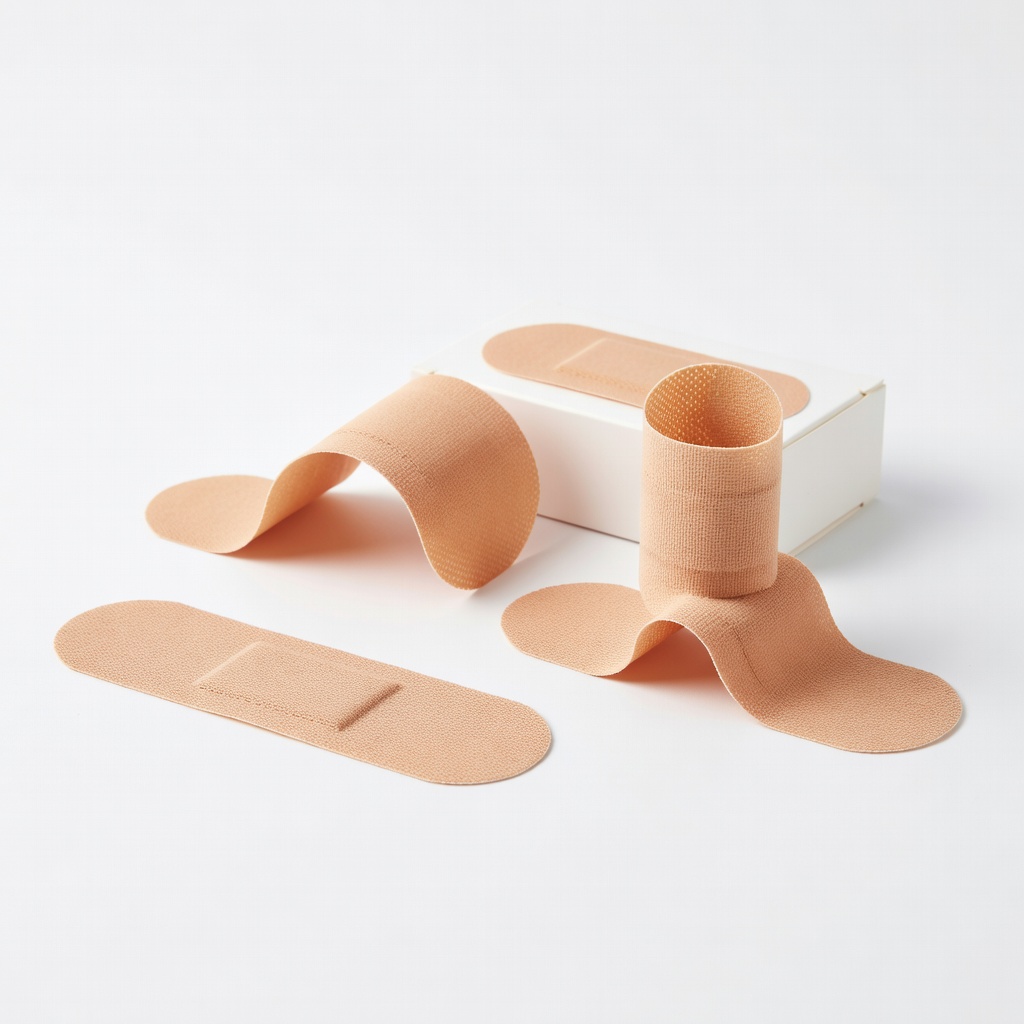
High-motion areas like knees/elbows during hiking.
Curad Waterproof Flex-Fabric Bandages Breathable yet impermeable fabric for active use; budget-friendly bulk pack.