
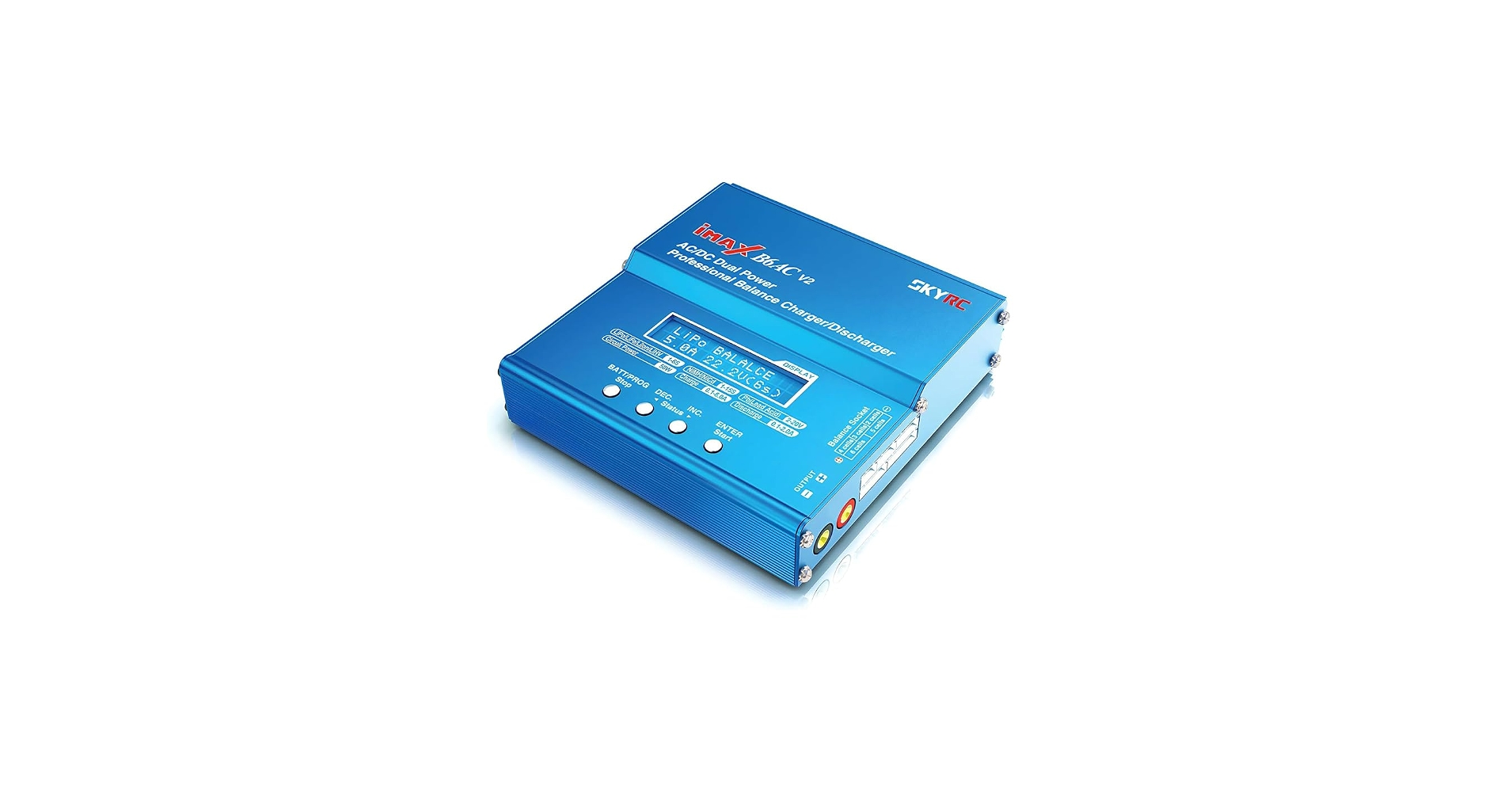
SkyRC iMAX B6AC V2 Charger
Main balancing station for multiple LiPo packs.
$55-$65
SkyRC iMAX B6AC V2 Charger Professional-grade balance charger with precise cell monitoring and storage modes, ideal for 12V drone packs.
Get the App
Better experience on mobile
Master advanced LiPo balancing techniques to maximize 12V battery lifespan, prevent cell damage, and ensure reliable drone flights in under 1 hour.
Uneven cell voltages in 12V (typically 3S LiPo) drone battery packs can lead to reduced flight times, premature failure, or even dangerous fires. For advanced drone pilots pushing FPV racing or long-range setups, proper balancing is non-negotiable to maintain internal resistance (IR) balance and cell health.
In this guide, you'll learn precise steps to balance your packs using a dedicated charger-balancer, measure cell voltages accurately, and verify results with a multimeter. Expect a hands-on process that's safe when done right.
Total time: 45-60 minutes per pack. Difficulty: advanced (requires electronics knowledge and safety protocols).
Estimated Time: 45-60 minutes per battery pack Difficulty: advanced
Choose a non-flammable surface like concrete or use a LiPo-safe bag. Wear safety glasses and ensure good ventilation—no smoking or open flames nearby.
Why it matters: LiPos can puff or ignite if mishandled; 12V packs store significant energy (~37Wh for 2200mAh). Place the battery in the safe bag immediately.
Success: Workspace prepped, battery isolated.
💡 Tips:
⚠️ Warnings:
Visually check the battery for swelling, tears, or heat damage. Use a multimeter set to DC volts (20V range) to probe each balance lead (white wires for 3S: ground, cell1, cell1+2, total).
Record voltages—healthy cells are 3.0-4.2V each, total 9.9-12.6V. Deviation >0.1V indicates imbalance.
What to expect: Uneven cells (e.g., 3.8V, 4.0V, 3.7V). Success: All data logged.
💡 Tips:
⚠️ Warnings:
Match balance lead (XH or bullet connector) to charger ports. Connect main power leads (XT60/JST). Set charger to 'Balance Charge' mode for LiPo, 3S (12V nominal), at 1C rate (e.g., 2.2A for 2200mAh).
Why: Charger bleeds excess voltage from high cells while charging lows.
Success: Charger recognizes pack, shows individual cell voltages.
💡 Tips:
⚠️ Warnings:
Start the balance charge. Watch cell voltages equalize (target 4.20V each). Process may take 20-45 min; high cells discharge slowly.
Monitor temp (<140°F/60°C) and IR if available. Pause if anomalies.
What to expect: Voltages converge within 0.01V. Success: Balance complete, pack at storage/full charge.
💡 Tips:
⚠️ Warnings:
Disconnect power first, then measure each cell again. All within 0.05V? Total ~12.6V full or 11.4V storage.
Test under light load with voltage checker if available.
Success: Perfect balance confirmed—no further action needed.
💡 Tips:
⚠️ Warnings:
If not using, discharge to 3.8V/cell storage. Clean connectors with isopropyl. Store in cool, dry place (40-80°F).
Success: Pack ready for next flight, lifespan extended.
💡 Tips:
⚠️ Warnings:
Problem: One cell won't balance (stuck high/low)
Solution: Isolate and cycle individually; if persistent, replace pack.
Problem: Charger alarms 'reverse polarity'
Solution: Check lead orientation; use universal adapter if mismatched.
Problem: Excessive heat during balance
Solution: Reduce charge rate to 0.5C; improve airflow. Vent if swollen.
Problem: Voltages drift post-balance
Solution: Self-discharge issue—use sooner or retire pack. Balance more frequently.
Professional-grade balance charger with precise cell monitoring and storage modes, ideal for 12V drone packs.
Best for: Main balancing station for multiple LiPo packs.
Price Range: $55-$65
Accurate voltage measurement down to 0.01V with data hold, essential for verifying balance.
Best for: Probing individual cells before/after balancing.
Price Range: $13-$15
UL94 V0 flame-retardant material contains potential fires during balancing.
Best for: Mandatory enclosure for all charging/balancing sessions.
Price Range: $10-$15
Real-time cell voltage and capacity display for quick checks.
Best for: Flight-line verification post-balance.
Price Range: $20-$25
Not direct, but pairs with balanced packs for low IR monitoring via telemetry.
Best for: Advanced setups tracking balance in-flight.
Price Range: $40-$50
Main balancing station for multiple LiPo packs.
SkyRC iMAX B6AC V2 Charger Professional-grade balance charger with precise cell monitoring and storage modes, ideal for 12V drone packs.
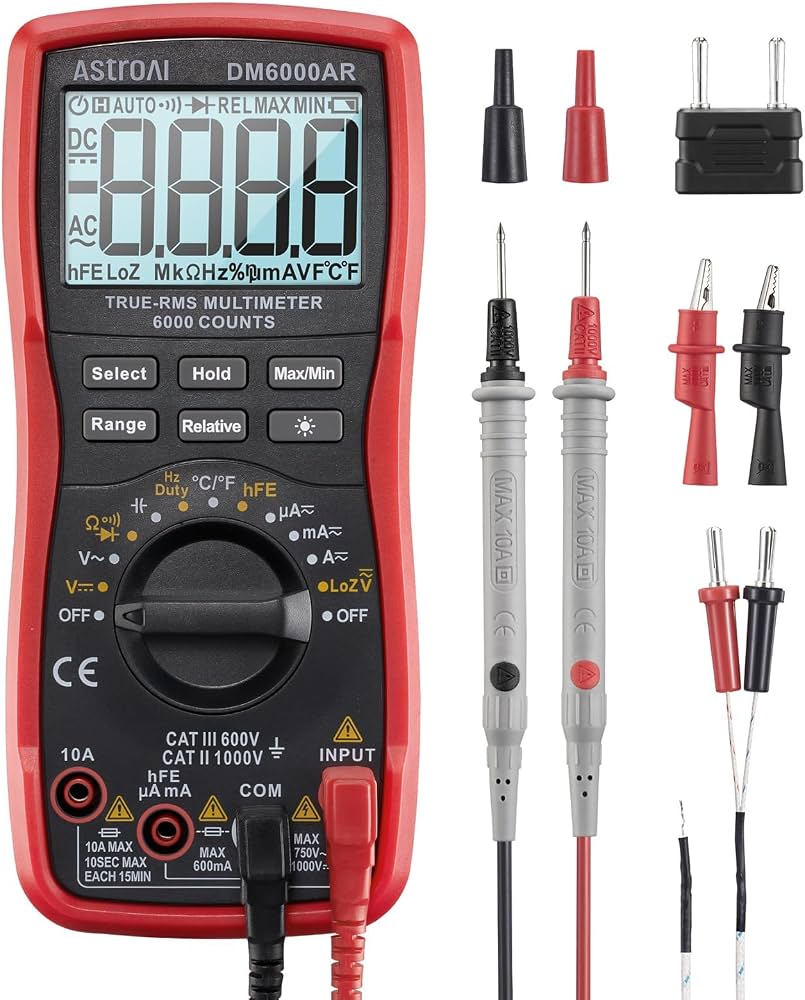
Probing individual cells before/after balancing.
AstroAI Digital Multimeter Accurate voltage measurement down to 0.01V with data hold, essential for verifying balance.
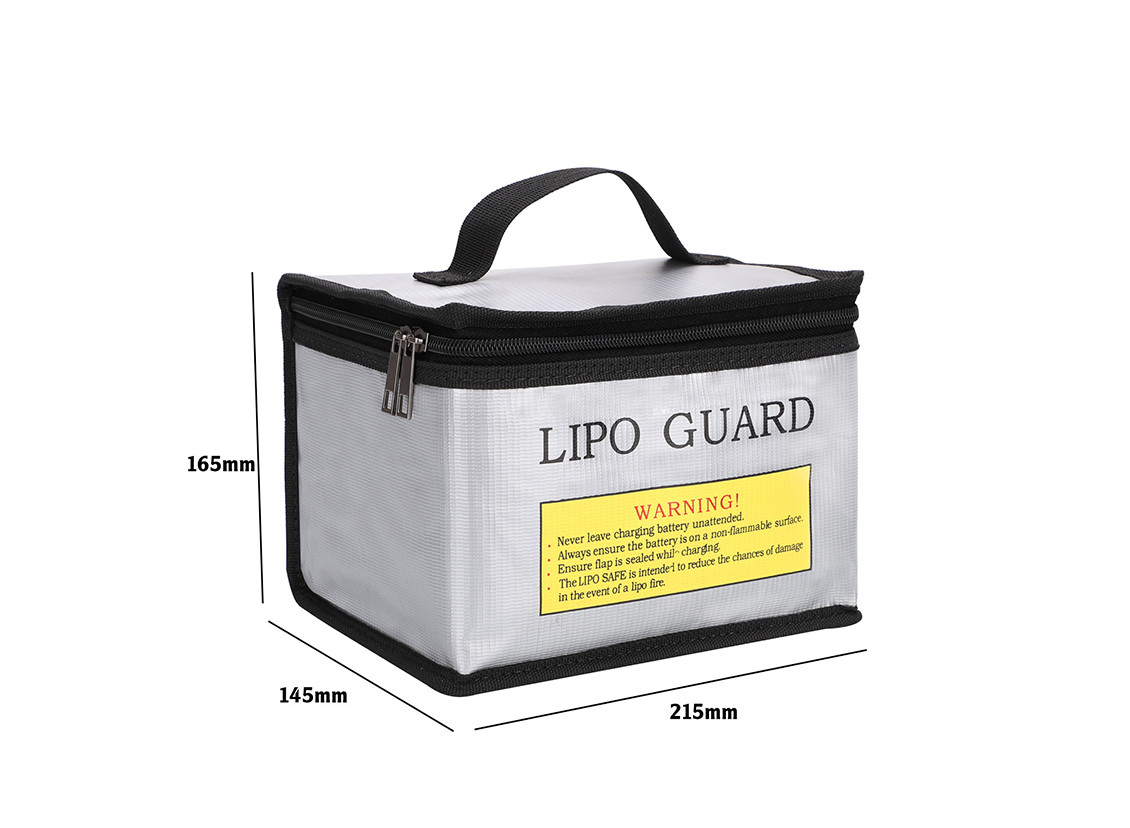
Mandatory enclosure for all charging/balancing sessions.
HobbyKing Fireproof LiPo Safe Bag UL94 V0 flame-retardant material contains potential fires during balancing.
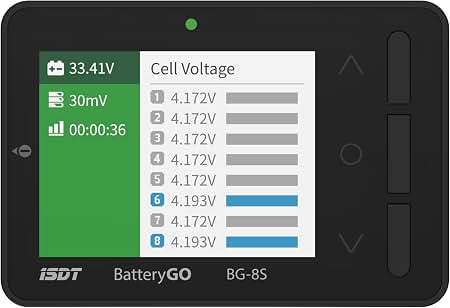
Flight-line verification post-balance.
ToolkitRC M4Q LCD LiPo Voltage Checker Real-time cell voltage and capacity display for quick checks.
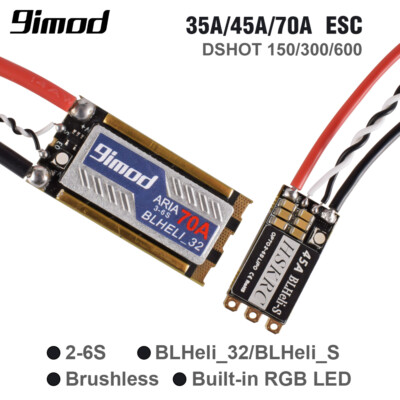
Advanced setups tracking balance in-flight.
ISDT BLHeli_32 AirBoss 155A ESC Not direct, but pairs with balanced packs for low IR monitoring via telemetry.