
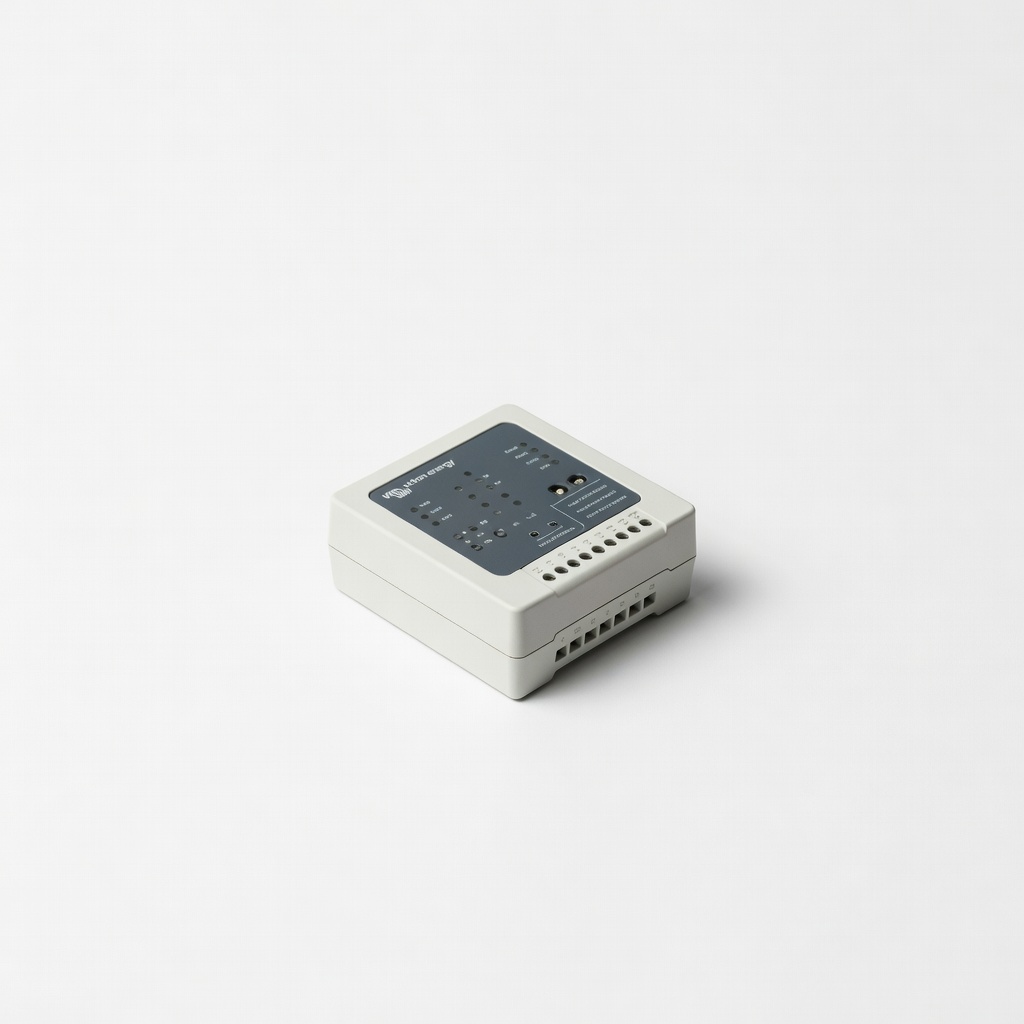
Victron Energy Battery Balancer
Ongoing balancing in solar/RV 12V LiFePO4 strings.
$39.99
Victron Energy Battery Balancer Automatically balances 12V-48V series banks by shunting excess from high cells—precise and reliable for lithium.
Get the App
Better experience on mobile
Master advanced techniques to equalize voltages in your 12V battery bank, extending life and maximizing performance for off-grid or RV use.
Uneven voltages in 12V battery banks—whether lead-acid, AGM, or LiFePO4—can lead to premature failure, reduced capacity, and safety risks like overcharging weaker cells. For advanced users managing solar setups, RVs, or marine systems, regular balancing ensures all batteries contribute equally, preventing sulfation in lead-acid or cell drift in lithium packs.
In this guide, you'll learn step-by-step methods for both passive and active balancing, including tools for precise voltage matching. Expect to spend 1-2 hours depending on bank size (e.g., 2-4 batteries in parallel or series strings), with advanced electrical knowledge assumed.
We'll cover safety, measurement, equalization, and verification, so your bank operates at peak efficiency.
Estimated Time: 1-2 hours (plus 4-12 hours charging time) Difficulty: advanced
Before touching any batteries, don insulated gloves and eye protection. Work in a well-ventilated area away from flames—batteries can vent hydrogen gas. Disconnect the battery bank from all loads and chargers using insulated wrenches to avoid sparks.
Label each battery (e.g., Batt 1, Batt 2) for tracking. Clean terminals with a wire brush and apply anti-corrosion spray. Success looks like a spark-free, organized setup with batteries isolated.
Why it matters: Prevents shocks, fires, or explosions from short circuits.
💡 Tips:
⚠️ Warnings:
Set multimeter to DC volts (20V range). Touch red probe to positive terminal, black to negative on each battery. Record open-circuit voltage (OCV) for each—aim for <0.05V difference in a healthy bank.
For series strings (e.g., 4x3.2V LiFePO4 cells), measure cell voltages too. Expect 12.0-12.8V per 12V battery (fully charged LiFePO4 ~13.6V). Log results in a table.
Success: All voltages noted; identify high/low batteries (e.g., one at 12.2V, others 12.6V).
💡 Tips:
⚠️ Warnings:
Compare voltages: Parallel banks need SOC matching; series needs cell balancing. For lead-acid, >0.1V spread indicates sulfation. Lithium >0.02V per cell is critical.
Calculate average voltage. Decide method: Passive (discharge highs) for small imbalances; active balancer for ongoing use.
Success: Clear plan—e.g., 'Battery 2 low, use individual charge.'
💡 Tips:
For batteries >0.05V above average, connect a 12V load (e.g., 10-20A bulb or resistor) for 30-60 mins until matched. Monitor voltage every 10 mins with multimeter.
Why: Brings highs down without overcharging lows. Cool batteries between sessions.
Success: Voltages within 0.02V; no heat buildup.
⚠️ Warnings:
Connect each low battery to a smart charger set to battery type (e.g., LiFePO4 profile). Charge to 100% SOC, monitoring for temp rise (<5°C/hour).
Cycle if needed: Discharge to 50% with load, recharge. For flooded lead-acid, top up water.
Success: All at full voltage (13.2-13.8V rested).
💡 Tips:
Wire balancer across series cells or parallel batteries per manual (e.g., Victron senses >10mV diff, shunts current). Test continuity.
Power on—LED indicates balancing active.
Success: Device hums/beeps, equalizes automatically.
⚠️ Warnings:
Reconnect positives/negatives in parallel/series. Measure total bank voltage and individual under light load (e.g., 1A draw).
Monitor 24-48 hours. Success: Stable voltages, no drift >0.01V/day.
💡 Tips:
Problem: Voltages won't equalize after charging
Solution: Check for bad cell (IR test >50mΩ diff)—replace battery. Desulfate lead-acid.
Problem: Balancer not activating
Solution: Verify >0.01V diff and wiring. Test with known imbalance.
Problem: Bank voltage drops fast post-balance
Solution: Parasitic drain—hunt with ammeter. Sulfated cells need equalizer.
Problem: Overheating during balance
Solution: Reduce load/charge rate. Seek pro if persistent—possible internal short.
Automatically balances 12V-48V series banks by shunting excess from high cells—precise and reliable for lithium.
Best for: Ongoing balancing in solar/RV 12V LiFePO4 strings.
Price Range: $39.99
True RMS, 0.1mV accuracy for precise cell voltage measurement—essential for advanced diagnostics.
Best for: Initial assessment and verification steps.
Price Range: $49.97
Multi-stage charging with repair mode desulfates lead-acid and balances lithium—handles 5A for quick individual charges.
Best for: Charging low batteries safely without overcharge.
Price Range: $69.95
Affordable active equalizer moves energy between cells bidirectionally—faster than passive for large imbalances.
Best for: DIY LiFePO4 12V packs needing quick top balancing.
Price Range: $25.99
Pulsing tech recovers sulfated lead-acid batteries during balance—extends life cost-effectively.
Best for: AGM/flooded 12V banks with chronic low voltage.
Price Range: $19.99
Ongoing balancing in solar/RV 12V LiFePO4 strings.
Victron Energy Battery Balancer Automatically balances 12V-48V series banks by shunting excess from high cells—precise and reliable for lithium.
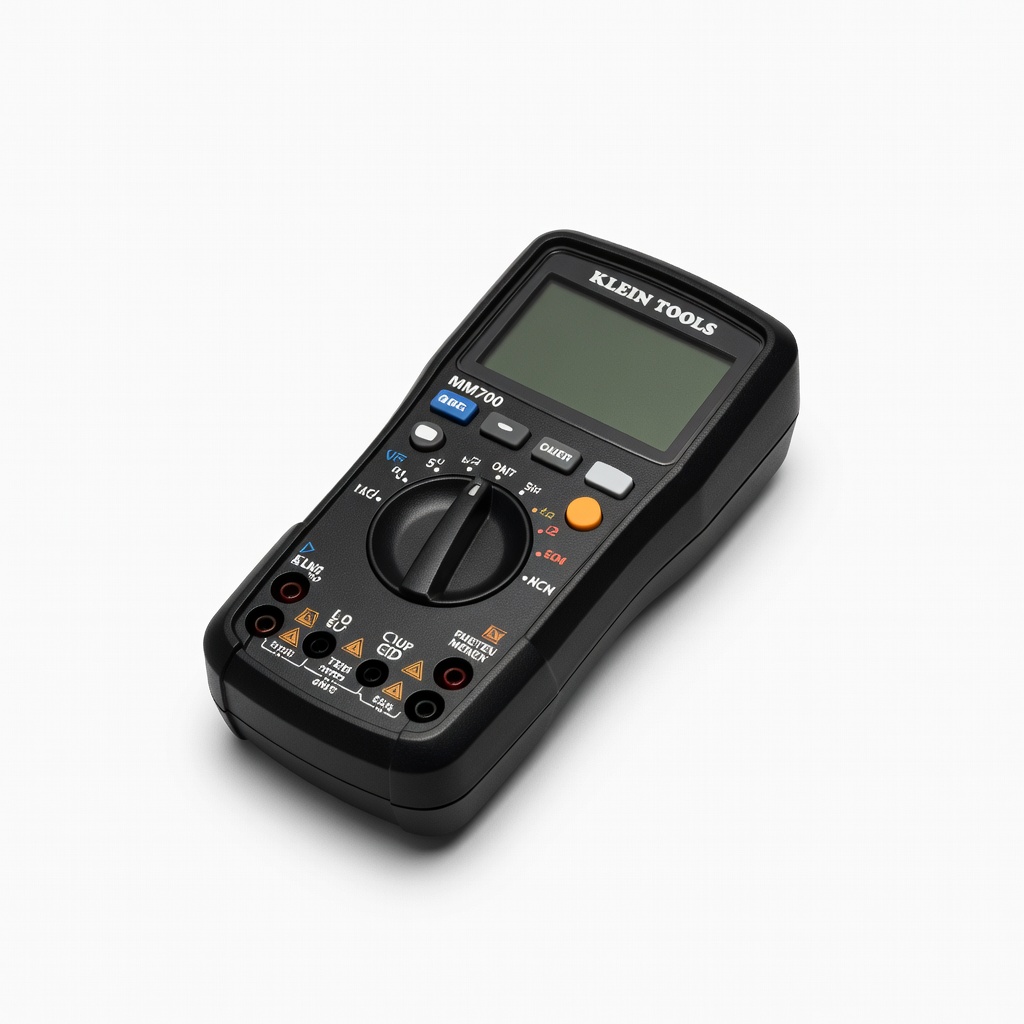
Initial assessment and verification steps.
Klein Tools MM700 Multimeter True RMS, 0.1mV accuracy for precise cell voltage measurement—essential for advanced diagnostics.
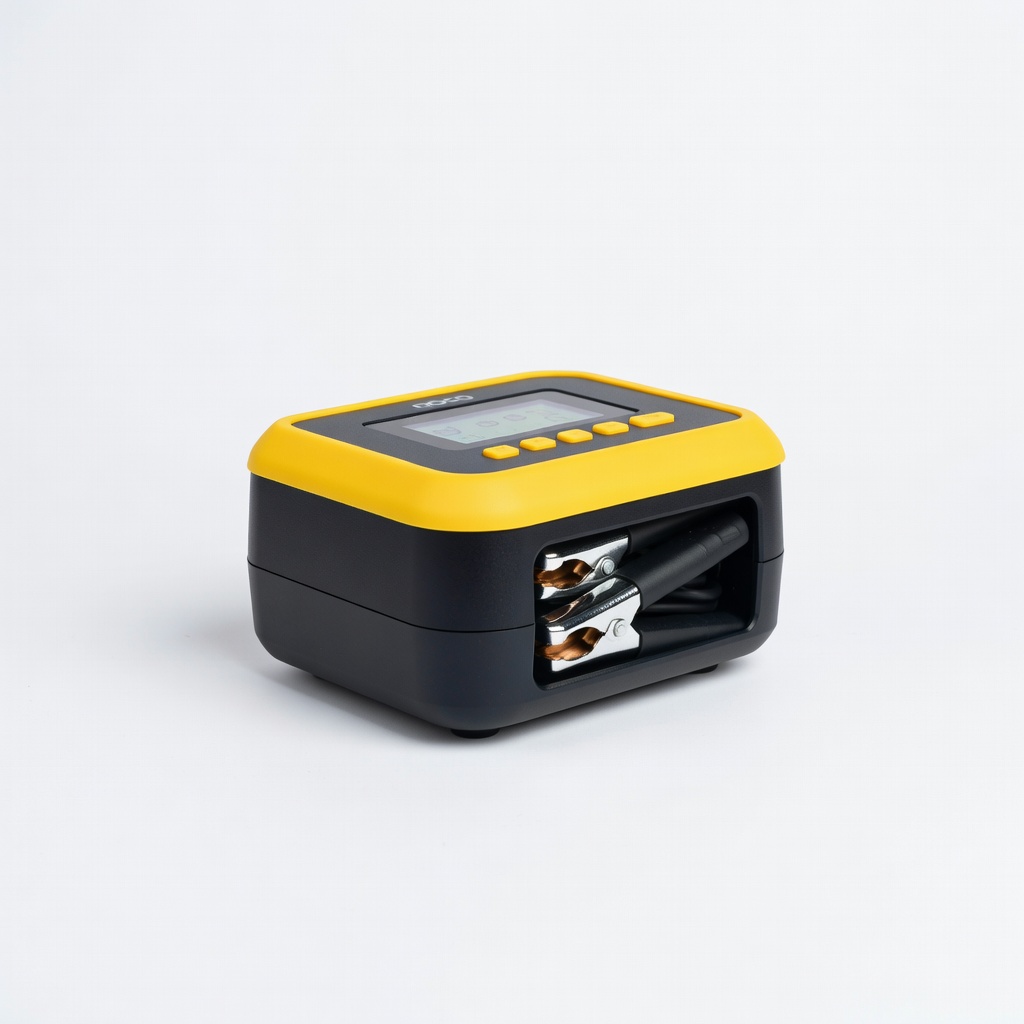
Charging low batteries safely without overcharge.
NOCO GENIUS5 12V Smart Charger Multi-stage charging with repair mode desulfates lead-acid and balances lithium—handles 5A for quick individual charges.
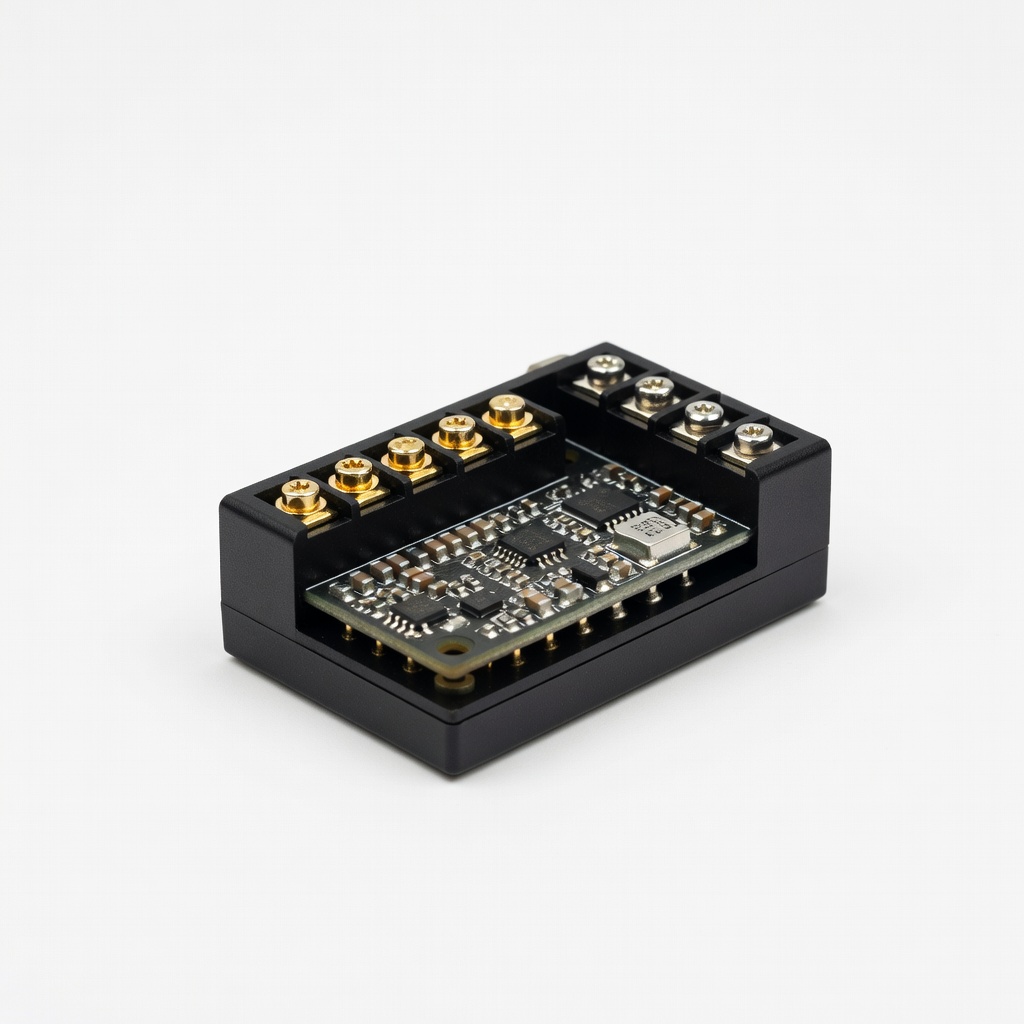
DIY LiFePO4 12V packs needing quick top balancing.
Heltec 4S 12V 10A Active Balancer Affordable active equalizer moves energy between cells bidirectionally—faster than passive for large imbalances.
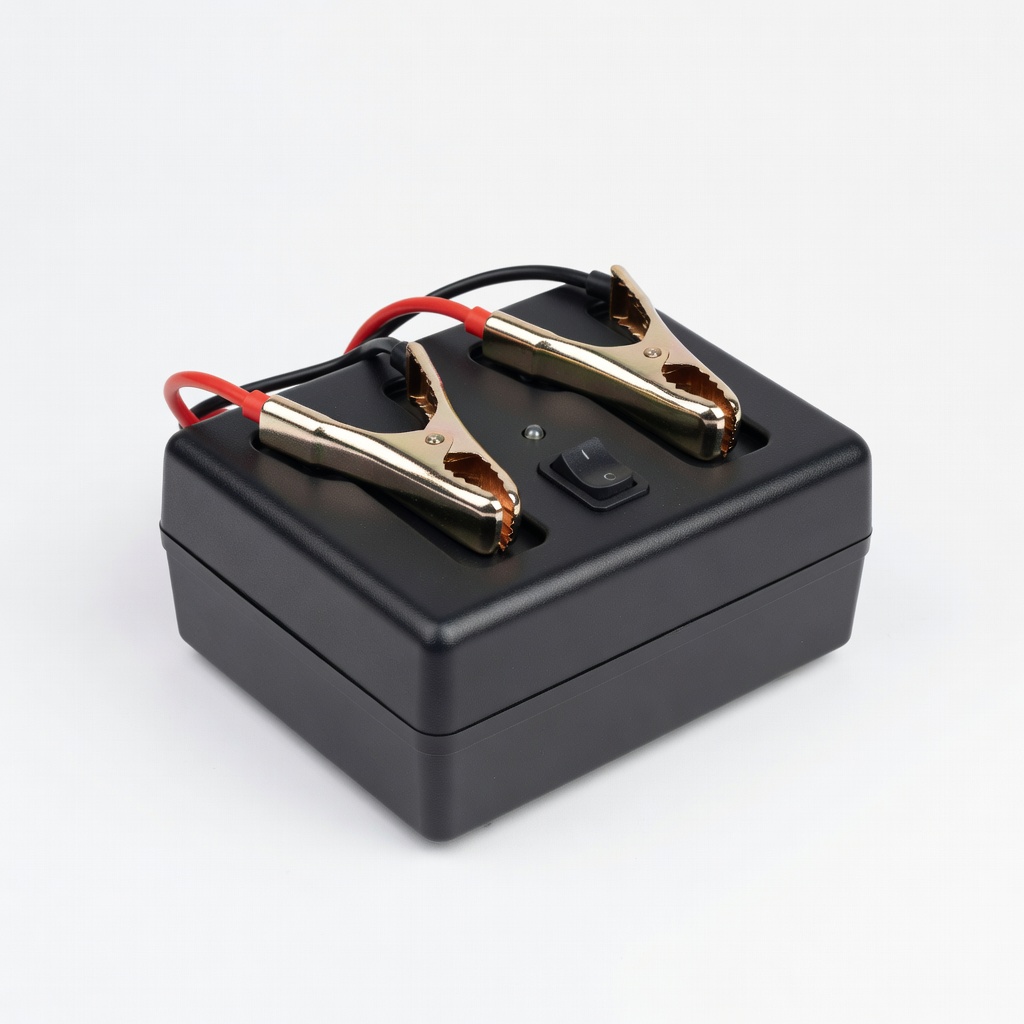
AGM/flooded 12V banks with chronic low voltage.
EverStart Maxx Lead Acid Desulfator Pulsing tech recovers sulfated lead-acid batteries during balance—extends life cost-effectively.