In parallel 12V battery setups, like those in solar, RV, or marine systems, uneven voltages can lead to one battery overworking others, causing sulfation, reduced capacity, and early failure. This imbalance drains the system prematurely and risks safety issues like overheating. Balancing ensures all batteries share the load equally, maximizing your investment.
This guide teaches advanced users how to safely measure, equalize, and monitor 12V batteries (lead-acid, AGM, or LiFePO4) in parallel. You'll learn precise voltage matching, desulfation if needed, and ongoing maintenance. Expect 1-2 hours of active work plus 4-24 hours for charging, depending on battery state.
No basic electrical knowledge assumed— you'll handle multimeters, chargers, and safety protocols like a pro.
▸What You'll Need
- •Digital multimeter (true RMS for accuracy)
- •Smart battery charger with desulfation/equalization mode (one per battery or multi-bank)
- •Wire brush or terminal cleaner
- •Battery post cleaner spray (optional)
- •Safety glasses and insulated gloves (required)
- •12V active/passive battery balancer (recommended for ongoing use)
- •Torque wrench for terminals (optional but best practice)
- •Distilled water (for flooded lead-acid batteries)
Estimated Time: 1-2 hours active + 4-24 hours charging
Difficulty: advanced
▸Step-by-Step Instructions
Step 1: Prepare Safety Gear and Workspace
Don safety glasses and insulated gloves. Work in a well-ventilated area away from flames or sparks—batteries can vent hydrogen gas. Disconnect all loads, chargers, and inverters from the battery bank. Label cables to avoid mix-ups.
This prevents shocks, burns, or explosions. Success: Secure, organized workspace with batteries isolated.
💡 Tips:
- •Use a battery blanket to catch spills.
- •Ground yourself to avoid static damage to electronics.
⚠️ Warnings:
- •Never smoke or use open flames near batteries.
Step 2: Disconnect and Clean Terminals
Fully disconnect batteries: positives first, then negatives. Remove inter-battery cables. Use a wire brush and cleaner spray to scrub corrosion from terminals and posts. For flooded lead-acid, check electrolyte levels and top with distilled water.
Clean terminals ensure accurate readings and good connections later. Expect white/green corrosion residue—rinse with baking soda water if needed. Success: Shiny, corrosion-free terminals.
💡 Tips:
- •Apply dielectric grease post-cleaning to prevent future corrosion.
⚠️ Warnings:
- •Avoid shorting terminals with tools.
Step 3: Measure Individual Open-Circuit Voltages
Set multimeter to DC volts (20V scale). Touch red probe to positive post, black to negative on each battery separately. Record voltages at rest (no load/charge for 4+ hours). Fully charged 12V lead-acid: ~12.6-12.8V; LiFePO4: ~13.6V.
This identifies imbalances (ideal <0.05V difference). Low voltage means undercharged/sulfated. Success: Voltage log showing variances.
💡 Tips:
- •Measure at room temp; adjust for temperature (0.003V/°C per cell).
⚠️ Warnings:
- •Probe firmly but don't pierce insulation.
Step 4: Charge Low-Voltage Batteries Individually
Connect the lowest voltage battery to a smart charger in desulfation/equalization mode (follow charger manual). Charge until it reaches the highest recorded voltage from others (e.g., 12.7V). Repeat for each undercharged battery.
Individual charging prevents cross-charging currents that worsen imbalance. Monitor temp (<125°F). Success: All batteries within 0.1V of each other.
💡 Tips:
- •Use AGM/Li mode on charger for specific types.
⚠️ Warnings:
- •Overcharging LiFePO4 >14.6V damages cells—use BMS.
Step 5: Verify Equalization and Install Balancer (Optional)
Re-measure voltages after resting 1 hour. If >0.1V difference, repeat charging. For ongoing balance, wire a 12V active balancer across the bank per manufacturer specs (connects to posts).
Balancers shunt excess from high to low cells. Success: Stable equal voltages.
💡 Tips:
- •Passive for occasional, active for solar/heavy use.
⚠️ Warnings:
- •Match balancer amp rating to bank size.
Step 6: Reconnect Batteries in Parallel
Reattach interlinks: Connect all positives together first (using cables same gauge as originals), then negatives. Torque to spec (usually 5-7 Nm). Reconnect to system: positive to load/charger, negative to ground last.
Positives first minimizes sparking. Success: No heat/smoke, multimeter shows bank voltage matching individuals.
💡 Tips:
- •Use star washers for vibration-prone setups (RV/boat).
⚠️ Warnings:
- •Reverse polarity fries electronics.
Step 7: Test Under Load and Monitor
Apply light load (e.g., 10A bulb) for 30 min, measure voltages—should stay equal. Cycle charge/discharge over 24 hours, logging every 4 hours.
Confirms balance holds. Success: <0.2V drift under load.
💡 Tips:
- •Install shunt monitor for real-time SOC.
⚠️ Warnings:
- •If one drops fast, isolate and test.
Step 8: Schedule Periodic Rebalancing
Equalize monthly (lead-acid) or per BMS (LiFePO4). Log maintenance.
Prevents drift. Success: Long-term bank health.
💡 Tips:
- •Automate with solar controller equalizer function.
▸Pro Tips
- •Always match battery type, age, and capacity before paralleling.
- •Use temperature-compensated chargers for accuracy.
- •For LiFePO4, top-balance at 3.65V per cell if accessible.
- •Monitor specific gravity for flooded lead-acid during equalize.
- •Fuse each positive leg to protect against shorts.
- •Upgrade to a battery management system (BMS) for auto-balancing.
- •Store data in app like VictronConnect for trends.
▸Common Mistakes to Avoid
- •Connecting unequal batteries directly—causes high currents, overheating; always pre-balance.
- •Ignoring terminal corrosion—leads to false readings, poor connections; clean first.
- •Overlooking battery temp—cold batteries read low; warm to 77°F for accuracy.
- •Skipping rest periods—surface charge masks true voltage; wait 4+ hours.
- •Wrong charger mode—damages Li vs. lead-acid; select type-specific.
▸Troubleshooting
Problem: Voltages drift after reconnecting
Solution: Check loose terminals or bad cable. Re-isolate and rebalance. Test each under load individually.
Problem: One battery gets hot
Solution: Disconnect immediately. It's sulfated or shorted—replace if capacity <80%.
Problem: Charger won't equalize
Solution: Verify mode selected and battery type matches. Clean terminals.
Problem: Bank voltage lower than individuals
Solution: Reverse polarity or poor parallel wiring—verify with continuity test. Seek pro if unsure.
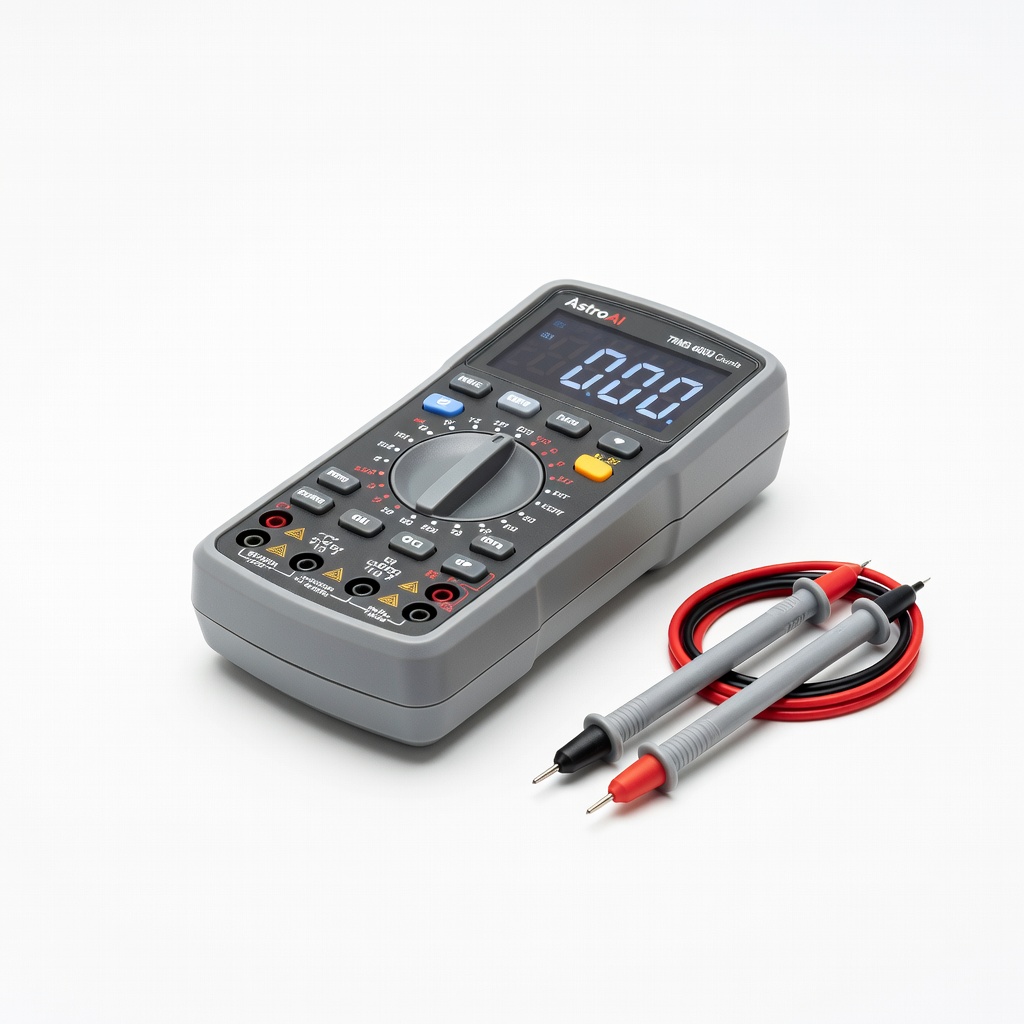
AstroAI Digital Multimeter TRMS 6000 Counts
Provides precise voltage, current, and resistance measurements essential for accurate battery assessment.
Best for: Measuring open-circuit voltages and monitoring during charge/load tests.
Price Range: $32.99
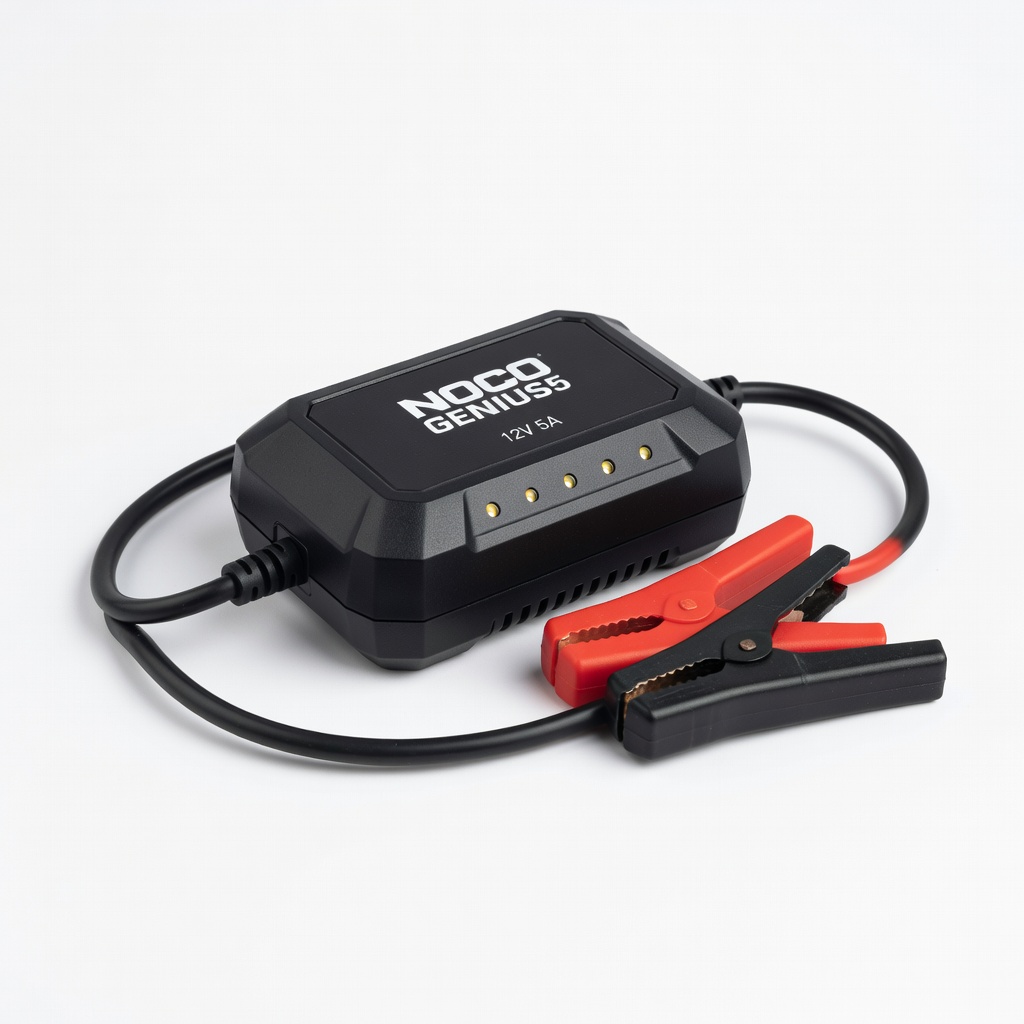
NOCO GENIUS5 12V 5A Battery Charger
Smart charger with repair/desulfation mode that automatically balances and restores lead-acid/AGM/LiFePO4 batteries.
Best for: Individual charging of low-voltage batteries to equalize the bank.
Price Range: $69.95
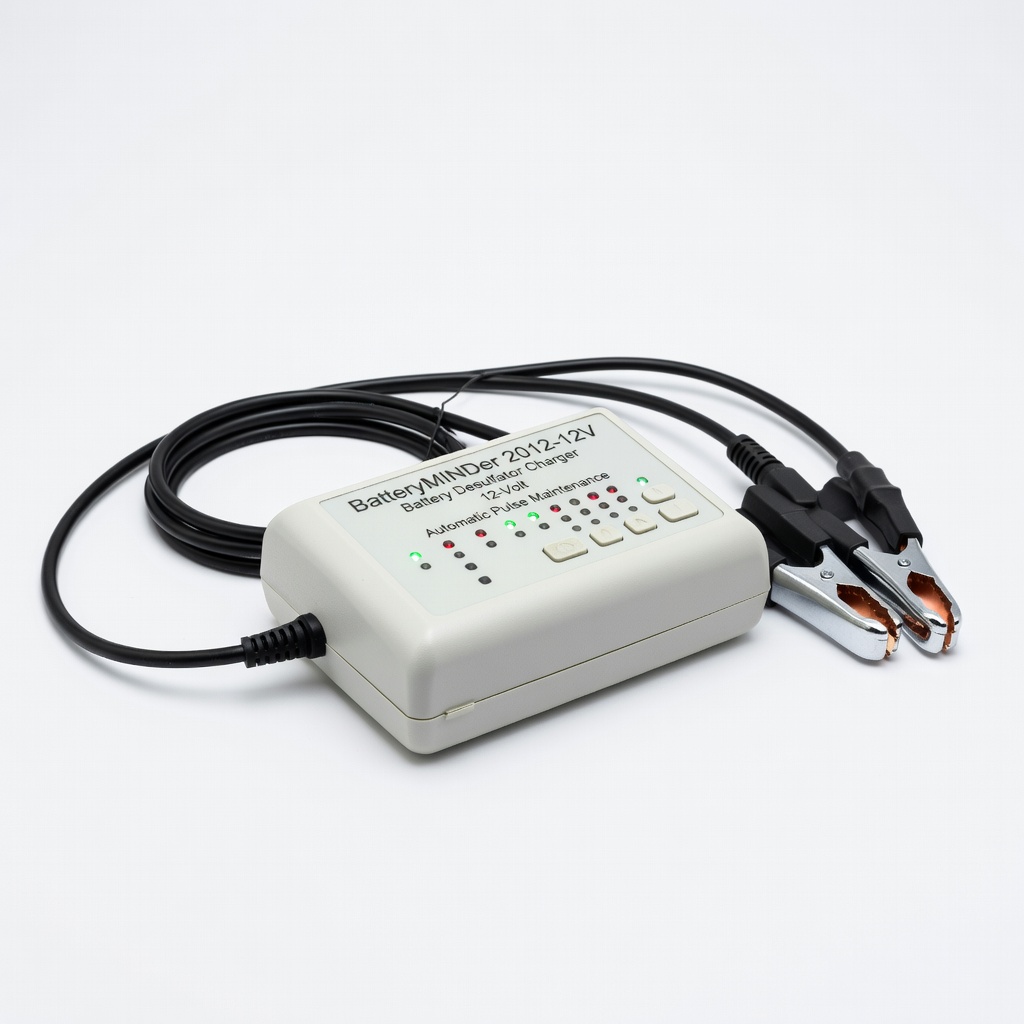
BatteryMINDer 2012-12V Battery Desulfator Charger
Combines charging with pulse desulfation to balance and revive sulfated 12V lead-acid batteries effectively.
Best for: Advanced equalization for parallel banks in solar/RV setups.
Price Range: $119.95
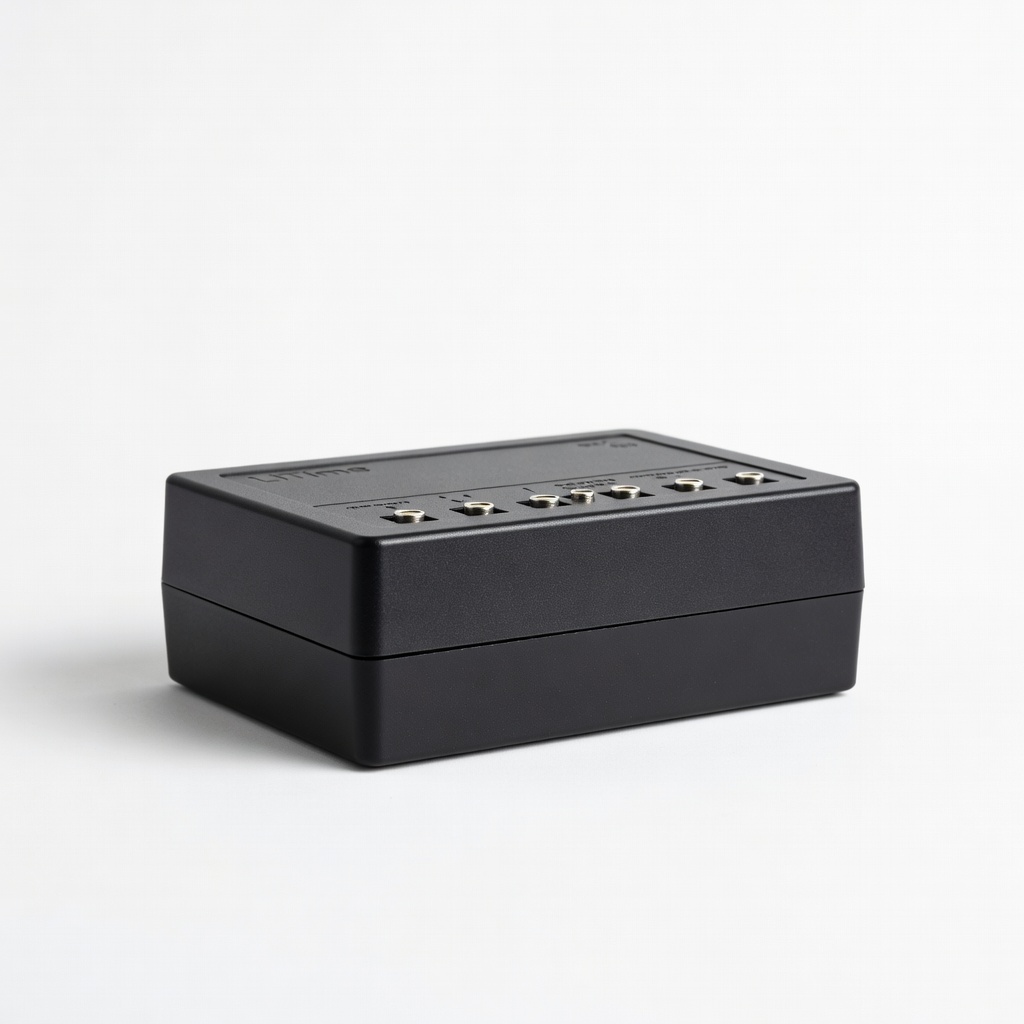
LiTime 12V 4A Active Battery Balancer
Automatically transfers energy between batteries to maintain balance in real-time, ideal for LiFePO4 parallels.
Best for: Permanent install for dynamic loads like off-grid solar.
Price Range: $29.99
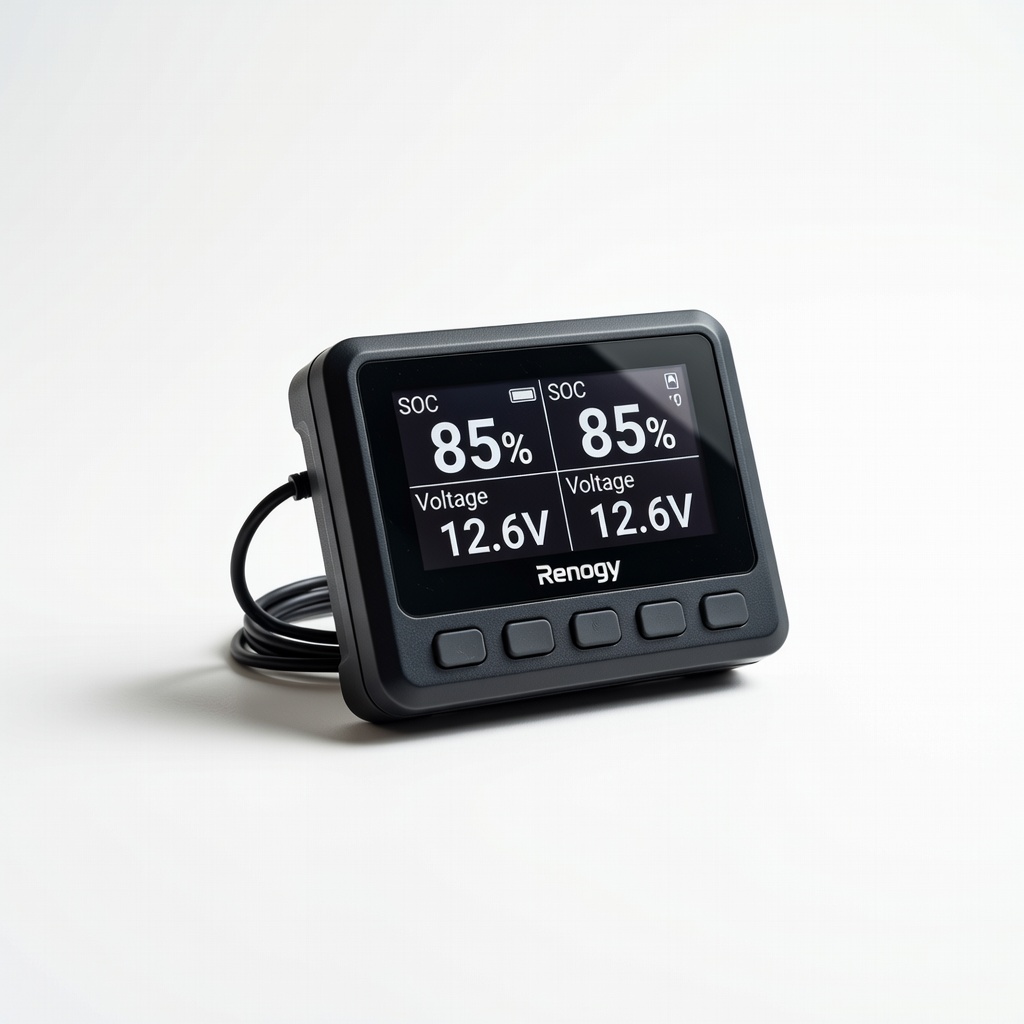
Renogy 500A Battery Monitor
Tracks voltage, current, and SOC across the bank for proactive balancing alerts.
Best for: Ongoing monitoring post-balancing.
Price Range: $69.99