Have you ever stumbled upon an old vase in your attic or inherited a vintage watch, wondering if it's worth a fortune or just sentimental value? Many beginners in the antiques world face this uncertainty, often overpaying at auctions or underselling family heirlooms due to lack of knowledge. Appraising antiques online demystifies this process, allowing you to research from home without the high costs of professional appraisers.
In this guide, you'll learn how to identify, document, and value your antiques using accessible online resources like databases, auction sites, and forums. Whether it's furniture, jewelry, or pottery, these steps will help you build confidence in estimating fair market value. The process is straightforward for beginners, focusing on observation and digital research.
Expect to spend 30-60 minutes per item, depending on complexity. No prior expertise is needed—just curiosity and a bit of patience. By the end, you'll have a solid valuation range and tips to refine your skills further.
▸What You'll Need
- •Computer or smartphone with reliable internet access (required)
- •High-resolution camera or smartphone camera for photos (required)
- •Measuring tape or ruler for dimensions (required)
- •Notebook and pen for notes (optional but recommended)
- •Magnifying glass or jeweler's loupe for close inspection (optional)
Estimated Time: 30-60 minutes per antique item
Difficulty: beginner
▸Step-by-Step Instructions
Step 1: Identify Basic Details of Your Antique
Start by examining your item closely to note key characteristics. Look for maker's marks, signatures, dates, materials (e.g., porcelain, wood, silver), and style (e.g., Victorian, Art Deco). This foundational step is crucial because online tools rely on specific descriptors to match your item accurately.
Why it matters: Without details like 'Wedgwood blue jasperware vase, 19th century,' searches will yield irrelevant results. Expect to spend 5-10 minutes observing; success looks like a list of 5-10 attributes, such as size, condition, and any engravings.
Take notes in your notebook to avoid forgetting details during research.
💡 Tips:
- •Use natural light to spot faint marks that might be missed in dim rooms.
⚠️ Warnings:
- •Avoid cleaning the item before inspection, as it could damage patina or remove identifiers.
Step 2: Take High-Quality Photos from Multiple Angles
Capture clear, well-lit images of the antique, including overall views, close-ups of marks, damage, and unique features. Use a plain background and ensure photos are at least 1000x1000 pixels for uploading to sites.
This step ensures accurate comparisons online, as visuals help tools like image recognition or forum users identify similarities. Success: 5-10 sharp photos that clearly show condition and details; poor photos lead to misguided valuations.
If using a smartphone, enable macro mode for tiny details like hallmarks.
💡 Tips:
- •Photograph in natural daylight to avoid color distortions.
⚠️ Warnings:
- •Don't use flash if it causes glare on reflective surfaces like silver.
Step 3: Measure and Assess Condition
Use your measuring tape to record dimensions (height, width, depth) in inches or centimeters. Rate the condition on a scale: excellent (no wear), good (minor flaws), fair (noticeable damage), or poor (major issues). Note any repairs, chips, or restorations.
Condition directly impacts value—pristine items fetch more. This data refines online searches. Expect a quick 5-minute assessment; success is a complete profile including measurements and a honest condition score.
Compare to reference photos online briefly if needed, but save full research for later.
💡 Tips:
- •Measure twice to ensure accuracy, especially for irregular shapes like vases.
⚠️ Warnings:
- •Overestimating condition can lead to inflated self-valuations; be objective.
Step 4: Search General Online Marketplaces
Head to sites like eBay, Etsy, or Google Images. Enter your detailed descriptors (e.g., 'Victorian silver spoon with engraved initials') and filter sold listings for recent sales data. Note average prices, but adjust for condition.
These platforms show real-market values from peer-to-peer sales. Why it matters: Auction houses might overvalue rarities. Success: A list of 3-5 comparable sold items with prices ranging $50-$500, giving a baseline estimate.
Use advanced search filters for location and date to get current trends.
💡 Tips:
- •Check 'sold' items only, not active listings, for true market value.
Step 5: Use Specialized Antique Databases and Apps
Visit free resources like the WorthPoint website (limited free searches) or apps such as Collectrium. For deeper dives, try Kovels.com or the Antique Trader database. Input your details and photos to find historical sales records.
Specialized tools provide expert-curated data, revealing rarity and provenance. Expect matches or similar items; success is a valuation range, e.g., $200-$400, backed by past auction results.
If free limits hit, note patterns for now.
💡 Tips:
- •Combine keywords like material + era + maker for precise results.
⚠️ Warnings:
- •Free databases may lack recent data; cross-reference with marketplaces.
Step 6: Check Auction Sites and Forums
Explore sites like LiveAuctioneers or Heritage Auctions for upcoming/past lots. Search your item and review estimates. Then, post photos and details on forums like Reddit's r/Antiques or Antiques Board for community input.
Auctions reflect professional valuations, while forums offer quick expert opinions. Why it matters: Diverse sources average out biases. Success: Additional data points confirming or adjusting your range, like forum consensus on $300 value.
Respond to forum feedback promptly for clarifications.
💡 Tips:
- •Join forums in advance to build credibility before posting.
⚠️ Warnings:
- •Forum advice varies; treat it as supplementary, not definitive.
Step 7: Compile and Estimate Value
Average prices from all sources, factoring in condition (deduct 20-50% for flaws). Consider market trends, like rising demand for mid-century modern. Write a final estimate range.
This synthesizes data into actionable insight. Success: A confident range, e.g., $150-$250, with sources noted for future reference.
If values vary widely, it may indicate rarity—consider professional help.
💡 Tips:
- •Use a spreadsheet to track sources and prices for easy averaging.
▸Pro Tips
- •Always cross-verify across 3+ sources to avoid outliers from fakes or one-off sales.
- •Track seasonal trends—holiday auctions often inflate prices for certain items like ornaments.
- •Use browser extensions like Google Lens for instant image-based searches to speed up identification.
- •Document everything with timestamps; values can change, so revisit annually.
- •Start with common antiques to build skills before tackling rare pieces.
- •Leverage free trials of paid databases for one-off deep dives without commitment.
- •Network on social media groups for antiques to get informal appraisals over time.
▸Common Mistakes to Avoid
- •Relying on a single source: This leads to skewed values; always diversify research to get a balanced estimate.
- •Ignoring condition details: Beginners often overlook wear, inflating perceived worth—assess honestly to avoid disappointment.
- •Using active listings instead of sold items: Current prices don't reflect what buyers actually pay; focus on completed sales.
- •Poor photo quality: Blurry images hinder accurate matches; invest time in good lighting for reliable results.
- •Forgetting provenance: Items with history (e.g., family story) can add value—note it but don't over-rely without proof.
▸Troubleshooting
Problem: No matches found in searches
Solution: Broaden keywords (e.g., try 'vintage' instead of specific era) or consult forums for alternative identifiers; if still stuck, seek a local antique shop for initial ID.
Problem: Conflicting value estimates from sources
Solution: Prioritize recent sales (within 1 year) and reputable auction houses; average the middle values and note the range in your appraisal.
Problem: Suspected fake or reproduction
Solution: Look for telltale signs like modern materials via loupe; cross-check with expert sites like the International Society of Appraisers, and consider professional authentication if high-value.
Problem: Online tools inaccessible or paywalled
Solution: Use library access for databases or free alternatives like WorthPoint's basic search; if persistent, budget for a one-month subscription.
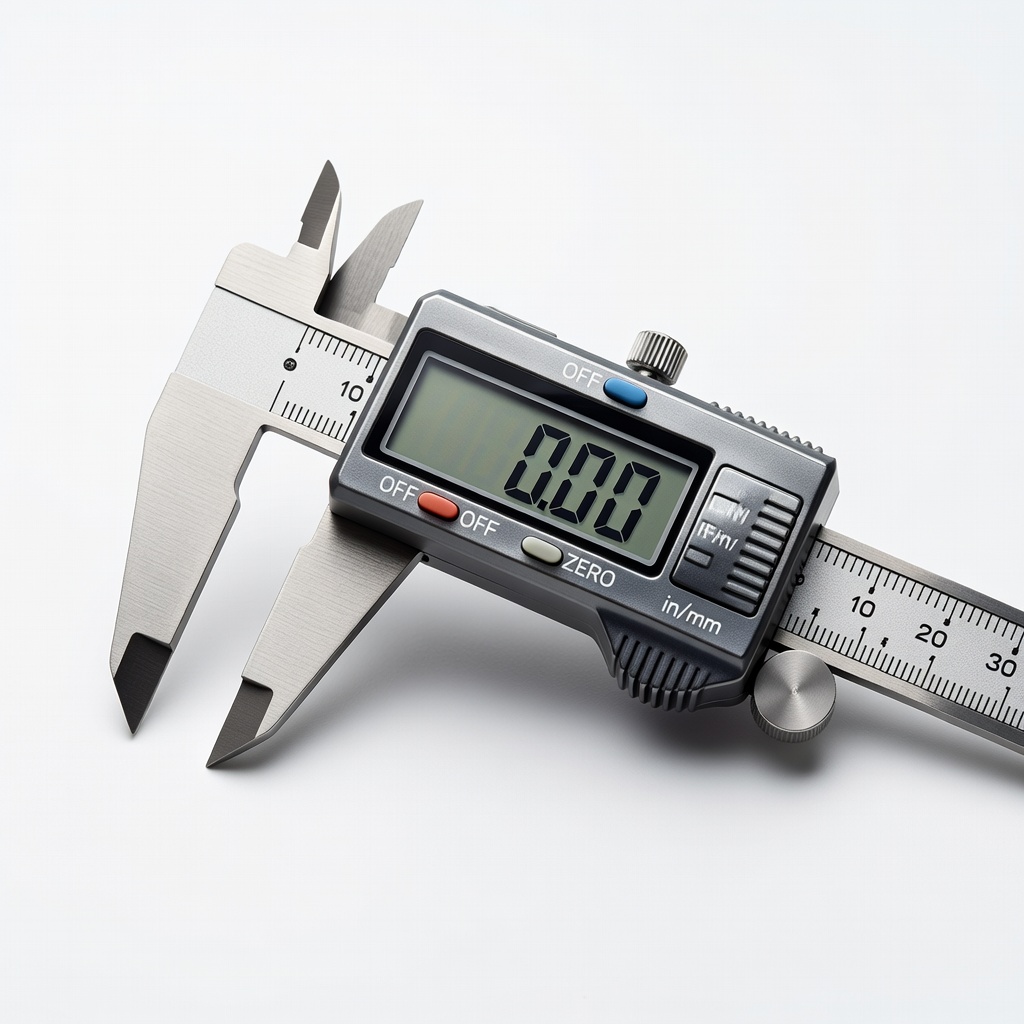
Neiko 01407A Electronic Digital Caliper
Precise measurements are essential for accurate antique identification and valuation comparisons.
Best for: Use it to measure small details like jewelry hallmarks or furniture dimensions quickly and accurately.
Price Range: $20-$25
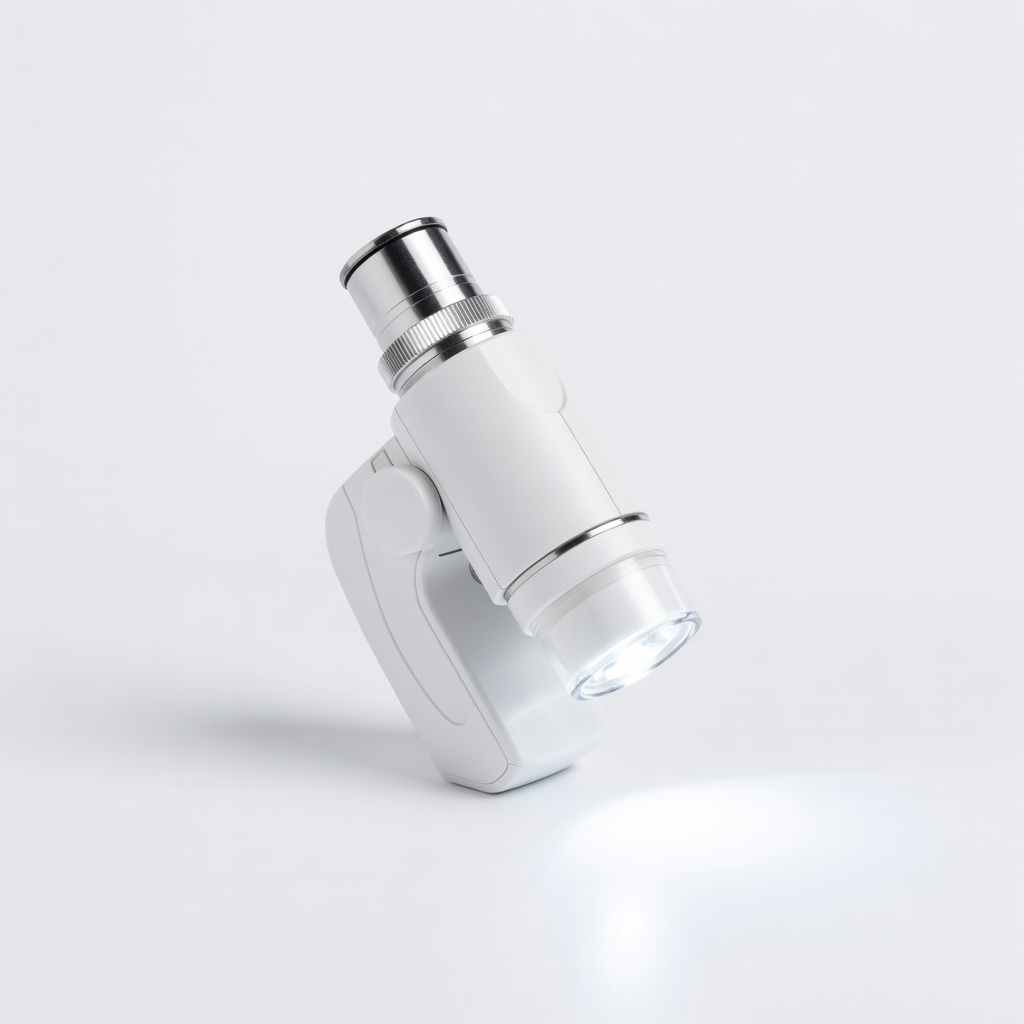
Carson MicroBrite Plus 120x LED Lighted Pocket Microscope
A compact loupe helps beginners inspect fine details like maker's marks without eye strain.
Best for: Ideal for close-up examination of engravings, stamps, or wear on coins, pottery, or silverware.
Price Range: $8-$12
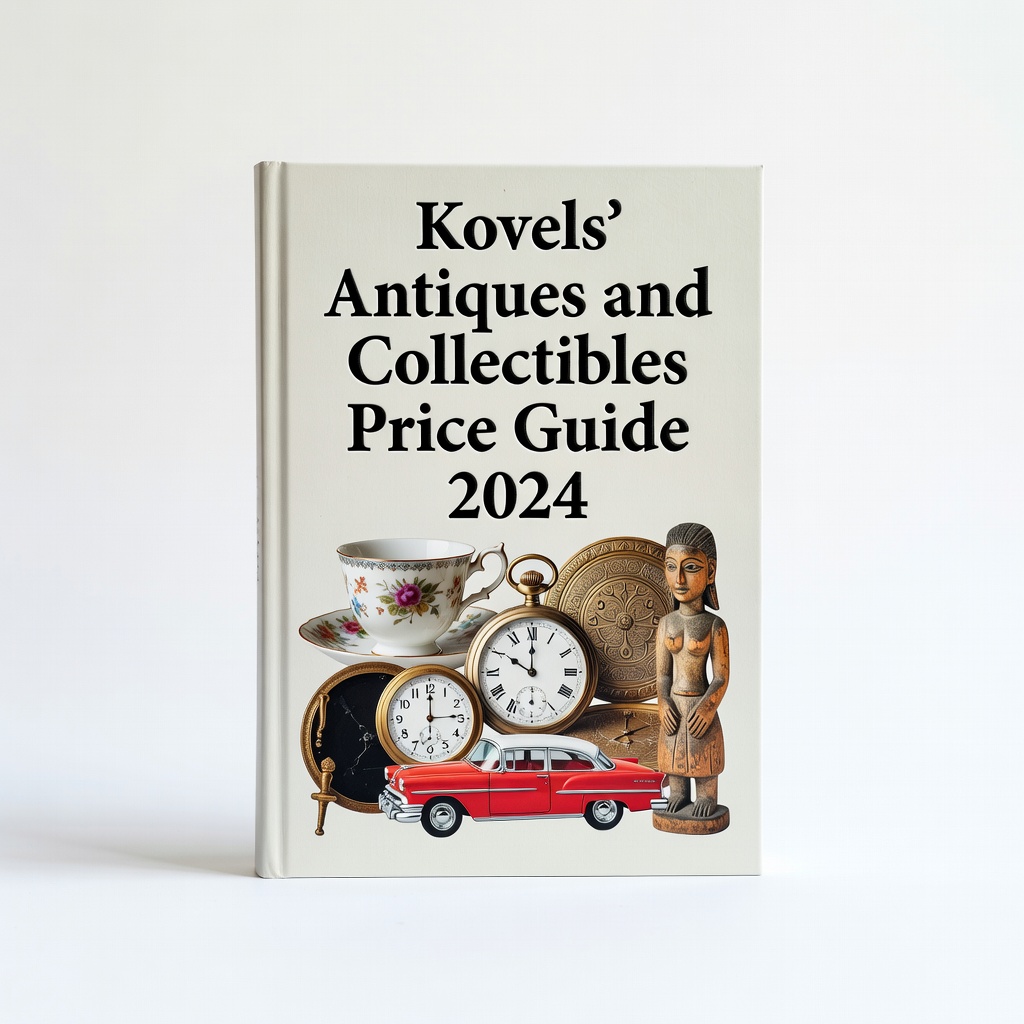
Kovels' Antiques and Collectibles Price Guide 2024
This annual guide provides baseline values and identification tips, complementing online tools for offline reference.
Best for: Flip through for quick checks on common items like glassware or furniture when internet is spotty.
Price Range: $25-$35
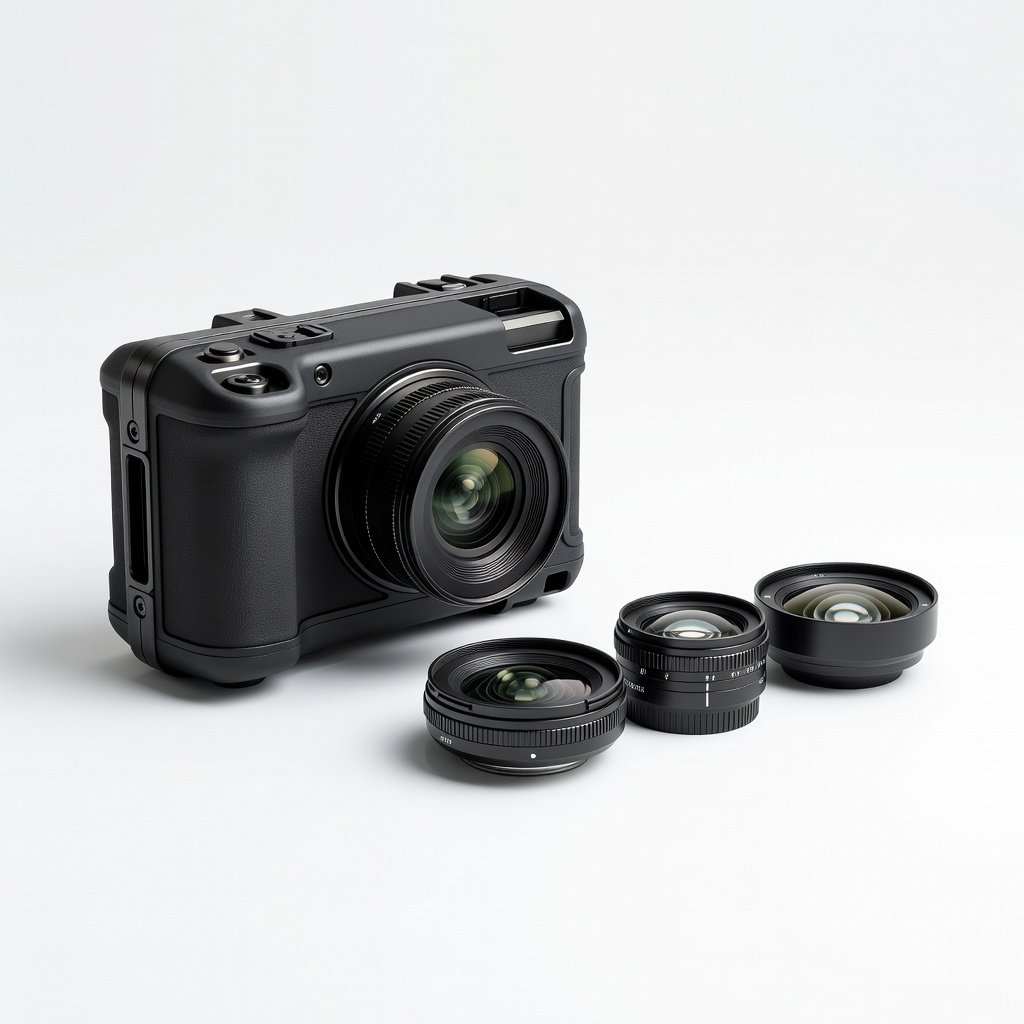
iOgrapher Pro Case with Essential Lenses
Enhances smartphone photography for clearer antique photos, improving online search accuracy.
Best for: Attach macro lens for detailed shots of tiny features during documentation.
Price Range: $50-$70
WorthPoint Membership (1-Year Subscription)
Unlimited access to 500+ million historical sales records for precise appraisals beyond free limits.
Best for: Subscribe for in-depth research on rare items; cancel after if not needed ongoing.
Price Range: $99-$150