
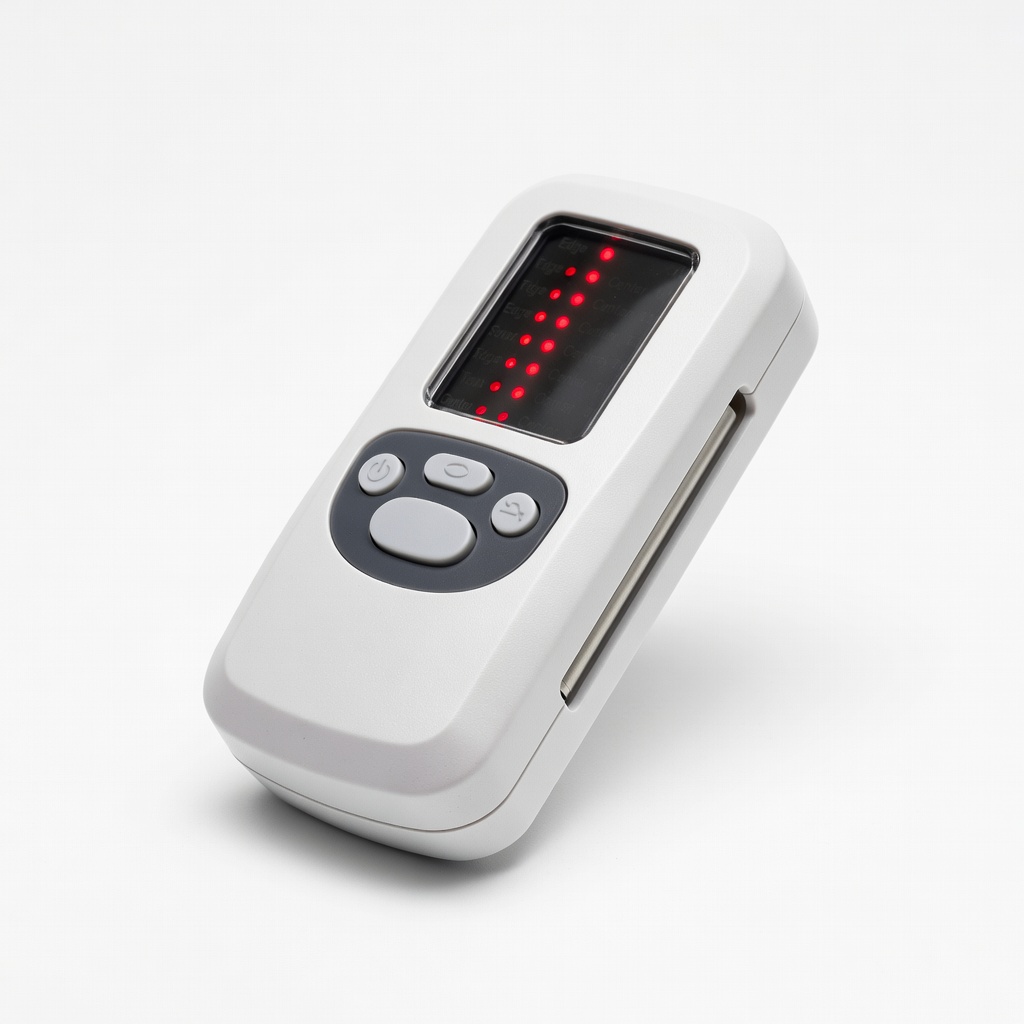
Zircon StudSensor e50 Electronic Stud Finder
Scanning walls before marking brackets.
$15-20
Zircon StudSensor e50 Electronic Stud Finder Accurate edge detection for quick stud location, essential for beginners.
Get the App
Better experience on mobile
Securely install heavy drapes that won't sag or fall by anchoring curtain rods directly to wall studs in under an hour.
Heavy drapes can transform your space, but nothing ruins the look faster than a sagging or crashing curtain rod. If you've dealt with flimsy drywall anchors failing under weight, anchoring to studs is the pro solution for lasting stability—essential for safety, especially in homes with kids or pets.
In this beginner-friendly guide, you'll learn to locate studs, mark positions, and mount brackets securely. No prior experience needed; we'll cover every detail. The process takes 30-60 minutes per window and ensures your heavy drapes (up to 50+ lbs) hang perfectly straight and strong.
Expect simple tools like a stud finder and drill. By the end, your curtains will glide smoothly without pulling away from the wall.
Estimated Time: 30-60 minutes per window Difficulty: beginner
Start by deciding curtain rod height—typically 4-6 inches above the window frame and 6-12 inches wider on each side for better light control. Measure the rod length and divide by the number of brackets (usually 2-3 for spans over 5 feet).
Mark the bracket positions lightly with pencil on the wall. Why? Precise planning prevents misalignment. Success looks like even spacing matching your rod's end brackets.
💡 Tips:
⚠️ Warnings:
Use a stud finder to scan the wall horizontally across your marks. Slide it slowly; lights or beeps indicate stud centers (usually 16 or 24 inches apart). Mark stud edges with pencil and find the center.
Why studs? Drywall alone can't hold heavy drapes—they provide solid wood backing. Expect 1-2 studs per bracket area; if none align perfectly, choose the closest or use two brackets per stud.
💡 Tips:
⚠️ Warnings:
Align bracket screw holes with stud centers using your level to ensure horizontal. Mark all holes with pencil through the bracket template holes.
Hold the bracket firm—what success is perfectly level marks on studs. This step ensures load-bearing strength.
💡 Tips:
Fit a 1/8-inch bit into your drill. Drill straight into each mark to 2 inches deep (matching screw length minus bracket thickness). Clear dust.
Pilot holes prevent wood splitting and make screwing easier. Expect clean, straight holes—if wobbly, realign.
💡 Tips:
⚠️ Warnings:
Position bracket over holes, insert screws, and drive them in firmly with drill (switch to screwdriver bit). Tighten until snug but not stripped.
Test by tugging—brackets should feel rock-solid. This anchors everything for heavy loads.
💡 Tips:
Slide rod into brackets and secure with any set screws or clips. Check level again and adjust if needed.
Success: Rod sits perfectly even and slides smoothly.
💡 Tips:
Loop drapes onto rod evenly. Pull and tug firmly to test stability—no movement means success!
Give it 24 hours to settle before final adjustments.
⚠️ Warnings:
Problem: No studs align with marks
Solution: Shift bracket 1-2 inches or use adjacent stud with longer rod ends.
Problem: Rod sags in middle
Solution: Add center bracket on stud; upgrade to heavier rod.
Problem: Screws spin without gripping
Solution: Drill larger pilot or use longer screws; fill hole with matchsticks.
Problem: Curtains uneven
Solution: Re-level brackets; adjust drape loops symmetrically.
Accurate edge detection for quick stud location, essential for beginners.
Best for: Scanning walls before marking brackets.
Price Range: $15-20
Lightweight, powerful for drilling into studs without fatigue.
Best for: Pilot holes and screw driving.
Price Range: $50-70
Perfect length and strength for secure stud anchoring.
Best for: Mounting heavy-duty brackets.
Price Range: $10-15
Affordable, precise for ensuring straight installation.
Best for: Checking bracket and rod alignment.
Price Range: $8-12
Supports 75+ lbs each, ideal for heavy drapes.
Best for: Primary brackets for spans up to 8 feet.
Price Range: $15-25
Scanning walls before marking brackets.
Zircon StudSensor e50 Electronic Stud Finder Accurate edge detection for quick stud location, essential for beginners.
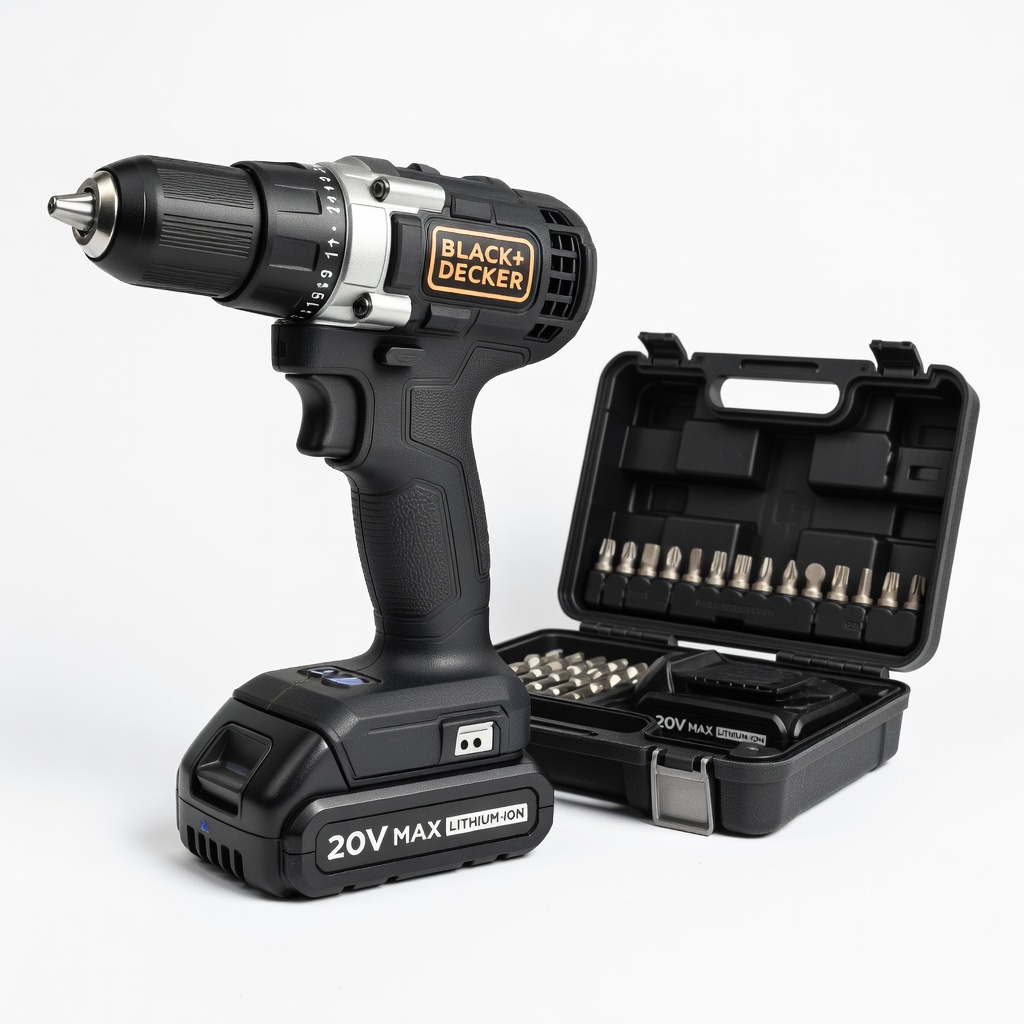
Pilot holes and screw driving.
BLACK+DECKER 20V MAX Cordless Drill/Driver Kit Lightweight, powerful for drilling into studs without fatigue.
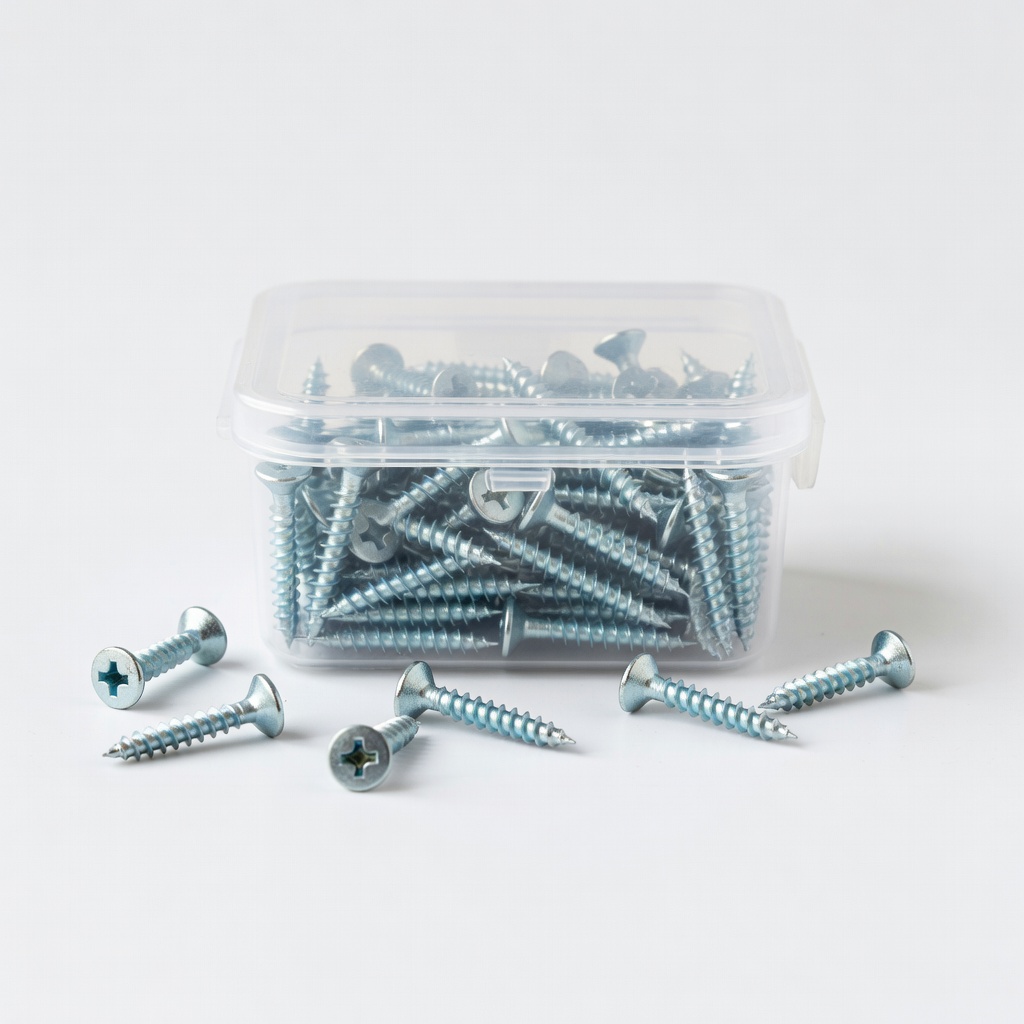
Mounting heavy-duty brackets.
Everbilt #10 x 2-1/2 in. Phillips Pan-Head Wood Screws (100-Pack) Perfect length and strength for secure stud anchoring.

Checking bracket and rod alignment.
Amazon Basics 24-Inch Torpedo Level Affordable, precise for ensuring straight installation.
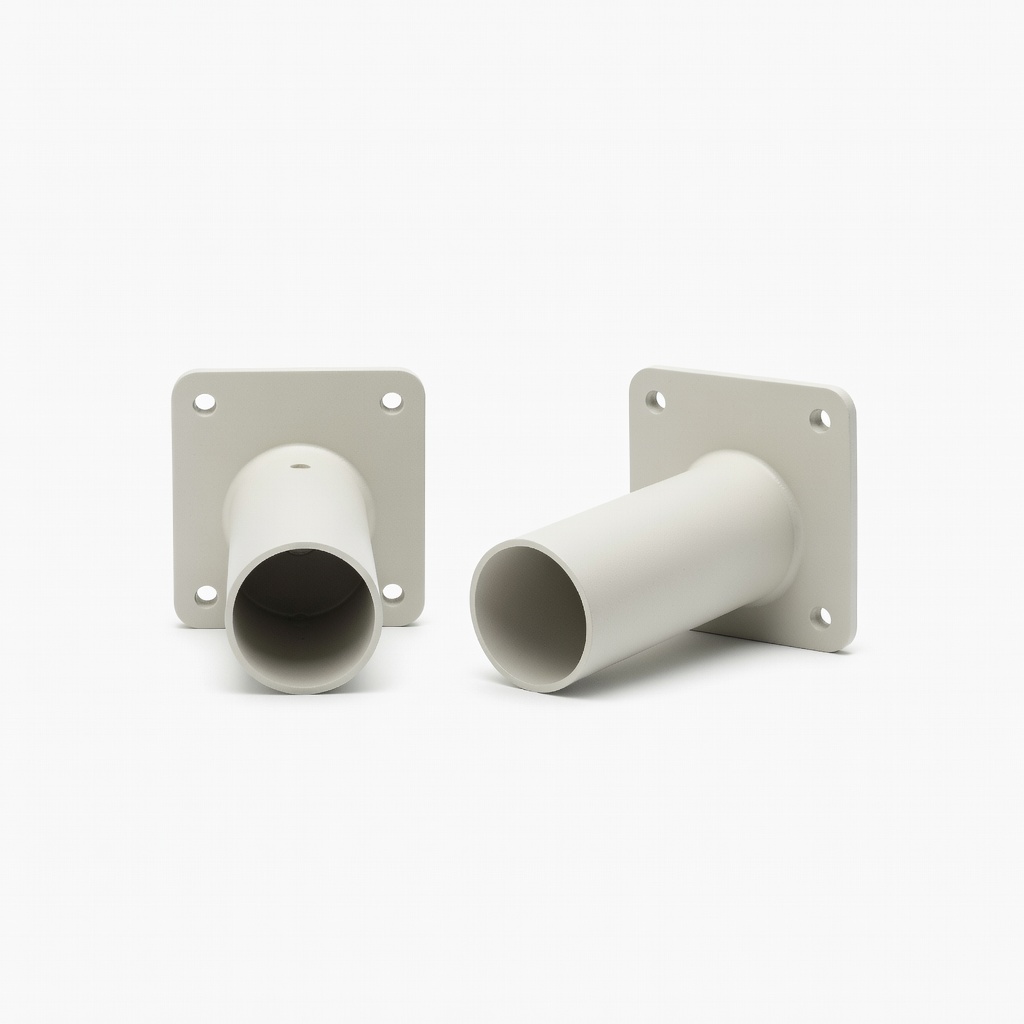
Primary brackets for spans up to 8 feet.
Rod Desyne Heavy Duty Curtain Rod Brackets (pair) Supports 75+ lbs each, ideal for heavy drapes.