
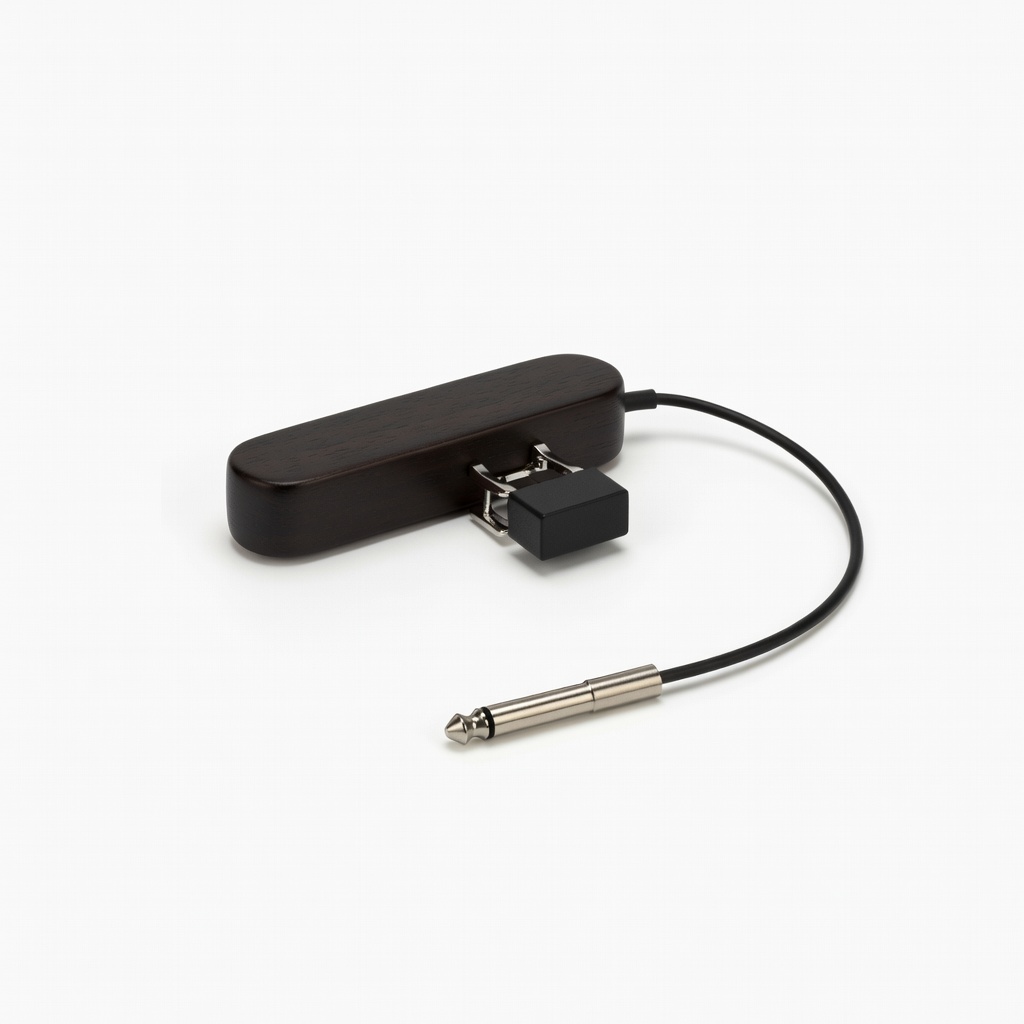
Fishman Classic 4T Violin Pickup
Ideal for high-volume gigs; blends seamlessly with EQ.
$150-$170
Fishman Classic 4T Violin Pickup Pro-grade piezo with passive design, natural response, easy bridge install—no batteries needed.
Get the App
Better experience on mobile
Master advanced pickup installation, EQ, and feedback control to deliver pro-level violin tone on stage without distortion or loss of acoustics.
Gigging violinists often struggle with feedback squeals, thin piezo quack, or muddy mic bleed that ruins the intimate acoustic vibe of their instrument. Whether you're playing folk festivals, classical ensembles, or rock sessions, proper amplification preserves your violin's natural warmth and projection while scaling to venue sizes.
In this advanced guide, you'll learn to choose, install, and optimize pickup systems or mics, integrate with PAs, and dial in gig-ready sound. We'll cover piezo bridges, contact mics, blended systems, and pro EQ techniques. Expect hands-on wiring, impedance matching, and live testing—no beginner fluff.
Total setup takes 1-2 hours initially, plus rehearsal time. Advanced skills in soldering, EQ, and acoustics assumed; perfect for pros upgrading rigs.
Estimated Time: 1-2 hours for initial setup and testing; 30 mins per gig tweak Difficulty: advanced
Decide between piezo contact pickups (low feedback, consistent), condenser clip mics (natural tone, proximity issues), or blended systems for ultimate fidelity. Piezo excels for loud gigs; mics for studios or quiet sets.
Piezo captures bridge vibrations directly; mics air-couple the body. For gigs, prioritize piezo if feedback-prone. Test in venue acoustics first.
Success: Method matches your style—e.g., classical favors mic blend, fiddle rock loves piezo punch.
💡 Tips:
⚠️ Warnings:
For piezo: Remove bridge, sand lightly, adhere transducer under bridge foot (violin side). Route wire along f-hole, secure internally. Clip-ons: Attach to bridge plate.
Mics: Clip DPA-style to bridge/shoulder, route cable out f-hole. Solder endpin jack if permanent (1/4" mono). Use non-permanent adhesive for rentals.
Success: Wires hidden, no rattles; tap bridge—clean signal via direct plug-in test.
💡 Tips:
⚠️ Warnings:
Connect pickup to active preamp (high-impedance >1MΩ for piezo brightness). Use buffered DI for long cable runs to PA. Match polarity.
Preamp buffers signal, adds EQ/gain. Plug into channel with instrument input.
Success: No signal drop; volume matches unamped playing at 10ft.
💡 Tips:
⚠️ Warnings:
XLR from DI to mixer channel. Set gain to unity (0dB peak). Pan center or stereo if multi-mic.
Use aux send for monitors. Position amp behind, elevated.
Success: Full band mix—violin cuts without masking.
💡 Tips:
Start flat. Boost 2-5kHz for bow attack, cut 200-500Hz mud, notch 1-3kHz feedback. Sweep with narrow Q to find rings.
Parametric EQ essential—graphic for quick gigs. Emulate room mic: +3dB 8kHz air, -4dB 300Hz boxiness.
Success: Sounds like your acoustic 20ft away; no harshness.
💡 Tips:
⚠️ Warnings:
Ring out: Play loud, slowly raise monitor volume until feedback, notch frequency. Repeat 3-5 bands. Position violin away from speakers.
Use dynamic mics sparingly; piezos resist better.
Success: Full volume, no howl even jumping.
💡 Tips:
⚠️ Warnings:
Full rehearsal: Scales, double-stops, pizz. Adjust for dynamics. Record mix, A/B unamped.
Tweak for genres—boost mids for bluegrass, lows for orchestral.
Success: Pro tone scales from coffeehouse to 500-seat hall.
💡 Tips:
⚠️ Warnings:
Problem: High-pitched feedback
Solution: Notch 1-4kHz with Q>10; reposition violin 45° off-axis from speakers.
Problem: Thin, quacky piezo tone
Solution: Add low-mid EQ boost (250Hz +3dB); blend with body mic.
Problem: Hum or buzz
Solution: Check ground loops—use DI with ground lift; shorten cables.
Problem: Weak output
Solution: Verify battery in preamp; test pickup resistance (>1MΩ).
Problem: Intermittent signal
Solution: Resolder joints; secure wires with hot glue.
Pro-grade piezo with passive design, natural response, easy bridge install—no batteries needed.
Best for: Ideal for high-volume gigs; blends seamlessly with EQ.
Price Range: $150-$170
Variable impedance matching kills piezo quack; notch filters tame feedback instantly.
Best for: Live DI direct to PA; perfect for variable venues.
Price Range: $220-$250
Supercardioid condenser captures full body resonance with minimal bleed.
Best for: Blended systems or quiet acoustic sets; rugged for touring.
Price Range: $550-$600
Affordable passive transducer; quiet, balanced output for small rigs.
Best for: Budget gigs or backups; no-preamp simplicity.
Price Range: $70-$90
Auto-detects/notches up to 24 bands; fixed rackmount for stage.
Best for: Large venues with persistent rings.
Price Range: $80-$100
Ideal for high-volume gigs; blends seamlessly with EQ.
Fishman Classic 4T Violin Pickup Pro-grade piezo with passive design, natural response, easy bridge install—no batteries needed.
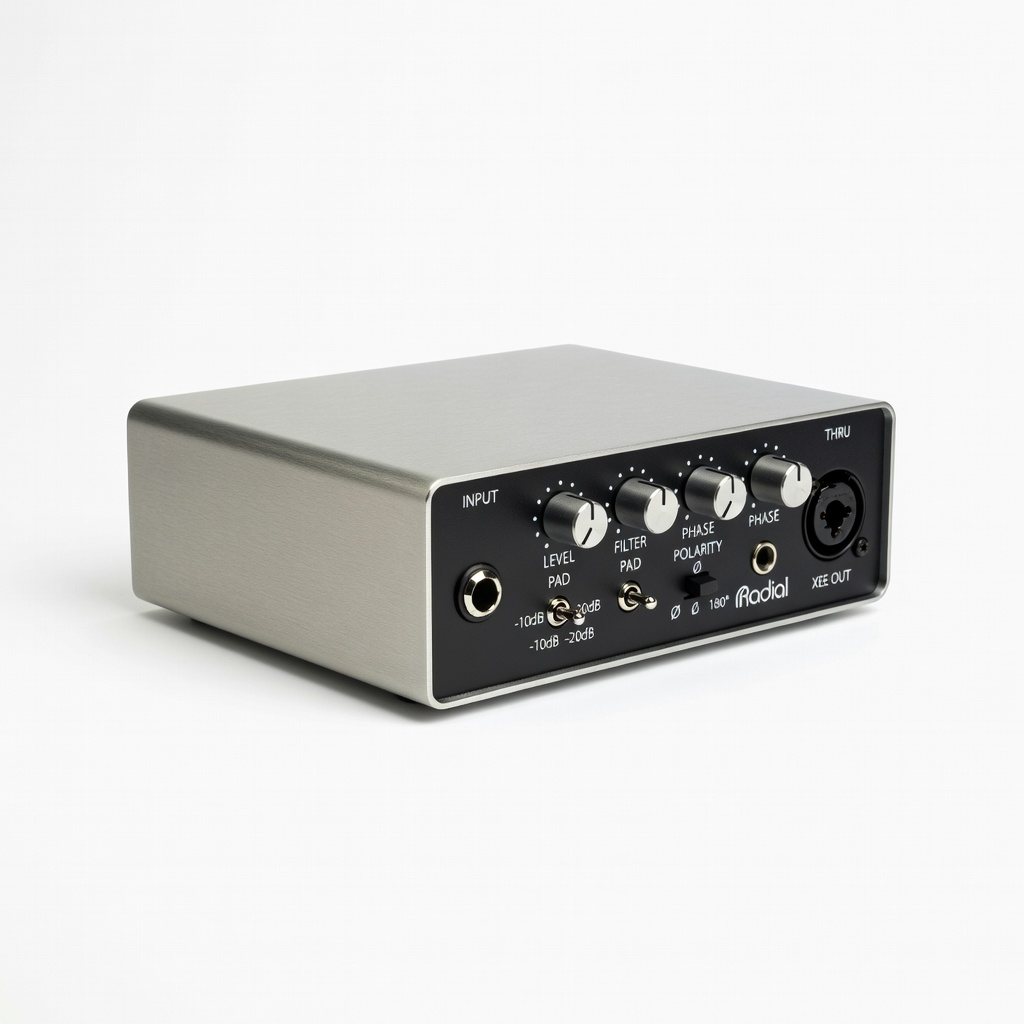
Live DI direct to PA; perfect for variable venues.
Radial PZ-DI Violin Preamp/DI Variable impedance matching kills piezo quack; notch filters tame feedback instantly.
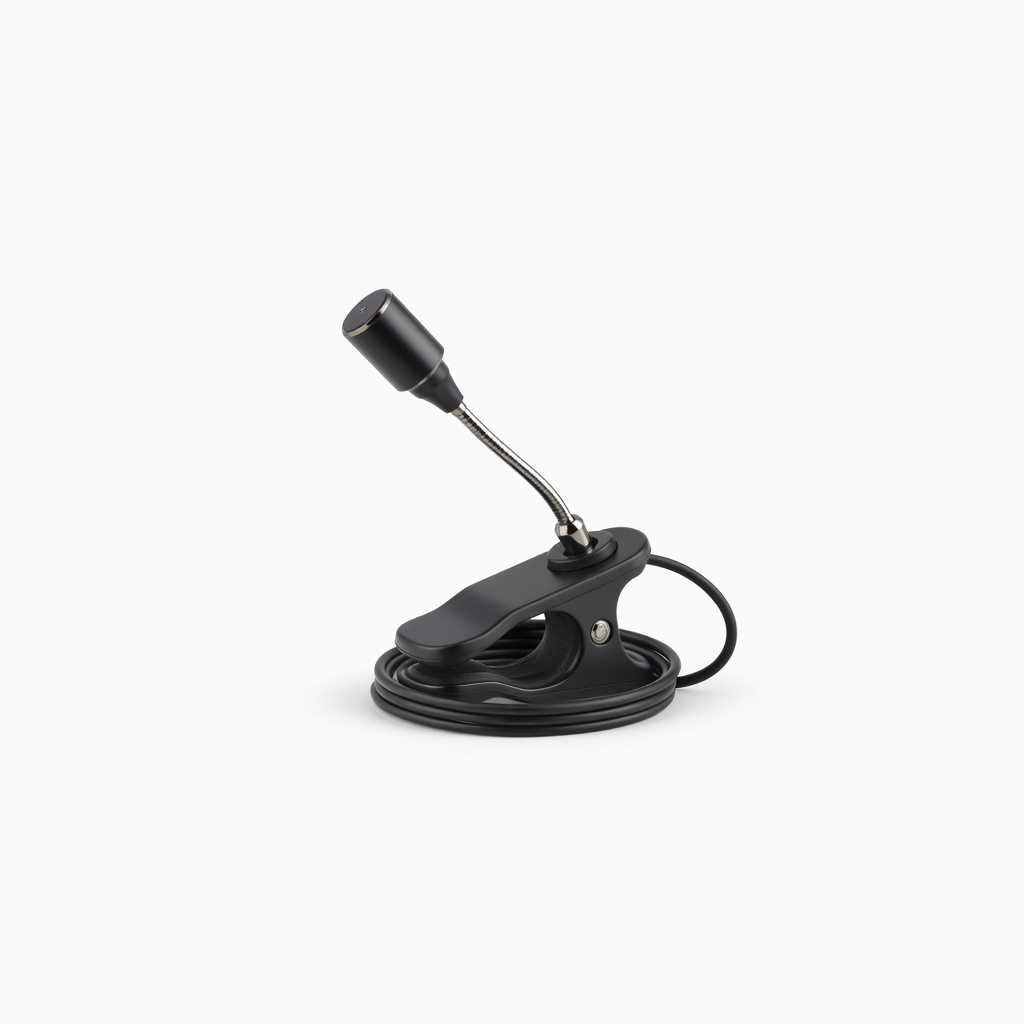
Blended systems or quiet acoustic sets; rugged for touring.
DPA 4099G Violin Clip Microphone Supercardioid condenser captures full body resonance with minimal bleed.
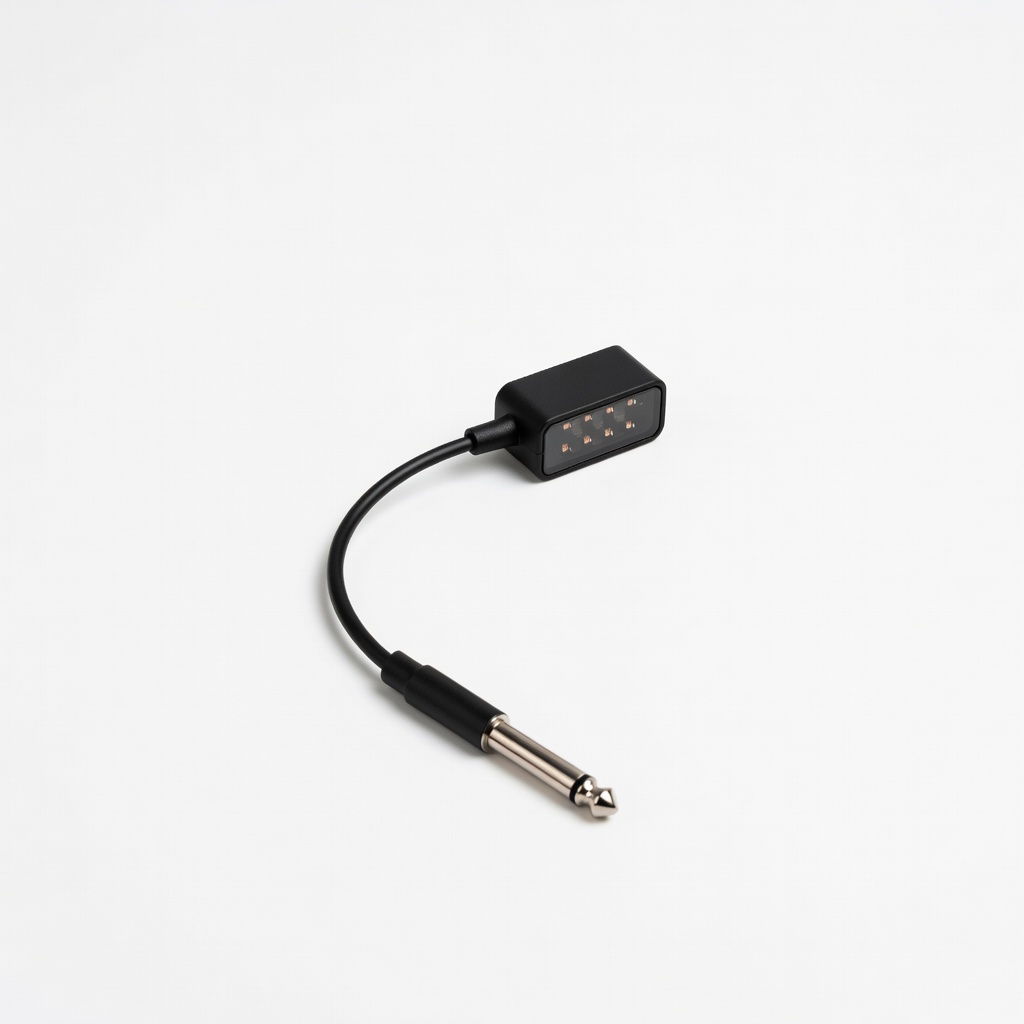
Budget gigs or backups; no-preamp simplicity.
K&K Sound Pure Mini Violin Pickup Affordable passive transducer; quiet, balanced output for small rigs.
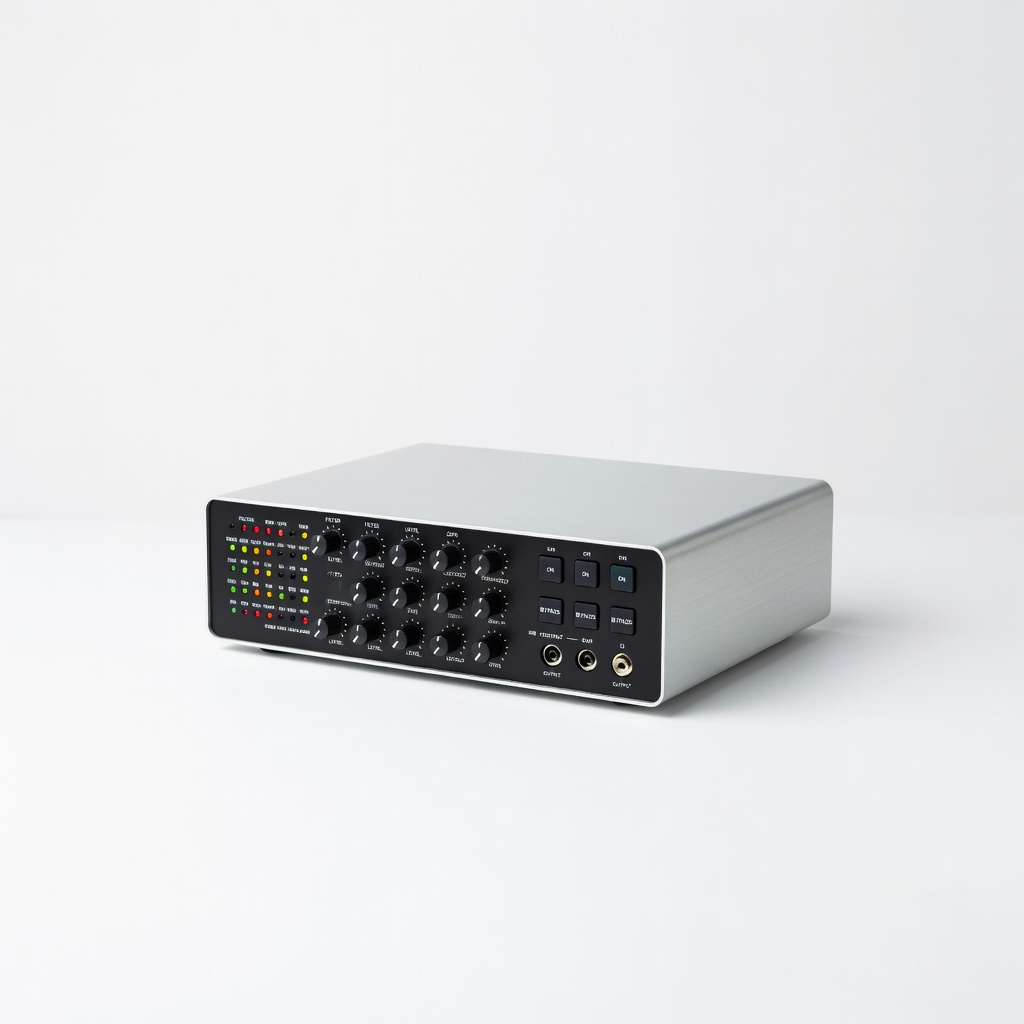
Large venues with persistent rings.
Behringer FBQ1000 Feedback Destroyer Auto-detects/notches up to 24 bands; fixed rackmount for stage.