
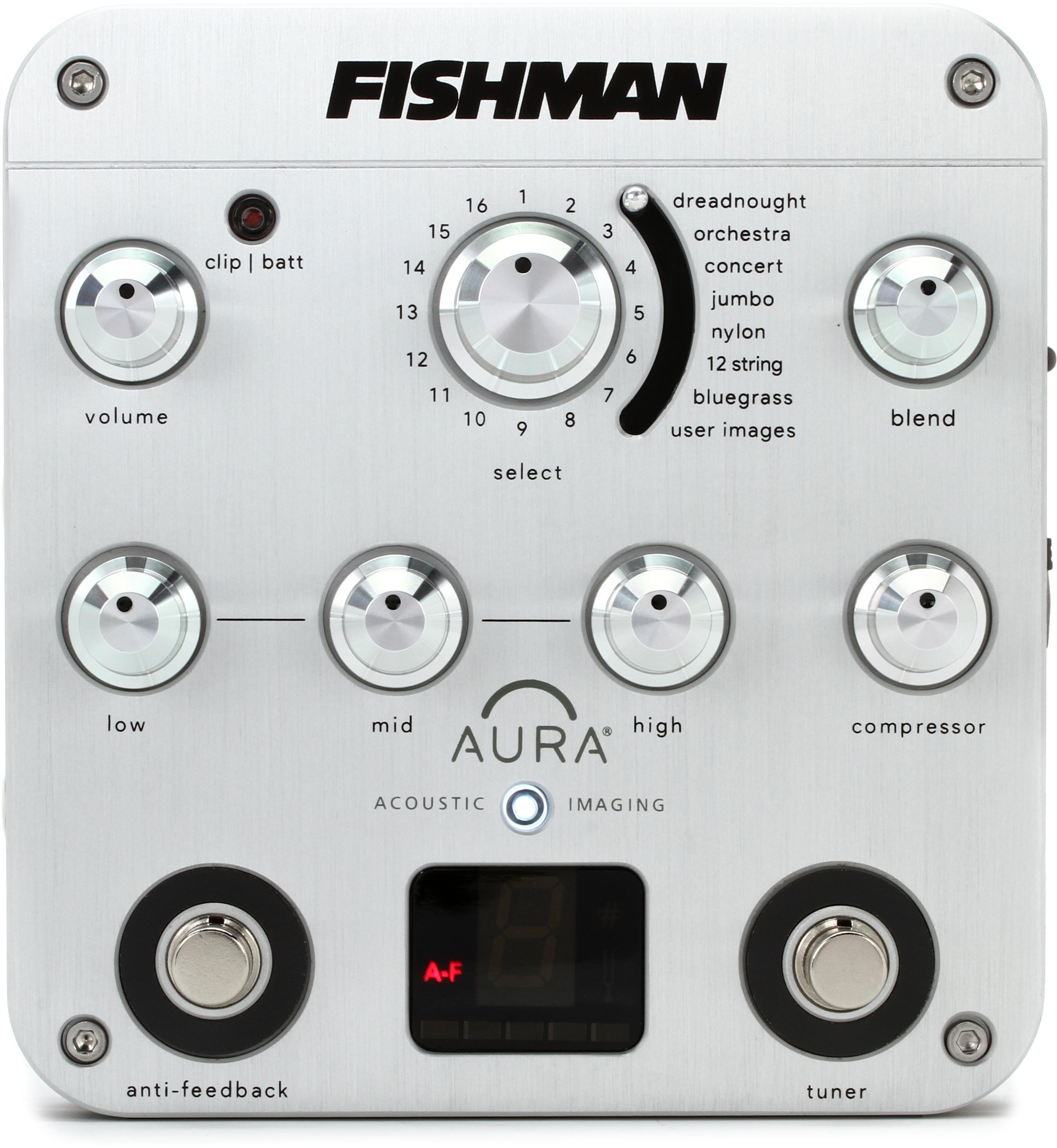
Fishman Aura Spectrum DI
Direct to PA for pro blend without mics.
$299-$350
Fishman Aura Spectrum DI Advanced imaging tech recreates studio mic'd tone from piezo, perfect for small venue natural sound.
Get the App
Better experience on mobile
Master pro setups for crystal-clear tone in intimate gigs, eliminating feedback and preserving natural acoustic sound.
Playing acoustic guitar in small venues like coffee shops or house concerts can be tricky—too much volume kills the intimacy, while under-amplification gets lost in chatter. Feedback squeals and muddy tone are common nightmares that ruin sets. This guide equips advanced players with techniques to amplify naturally and powerfully.
You'll learn step-by-step how to choose gear, position for optimal sound, dial in EQ, and troubleshoot live. Expect a setup that delivers balanced, feedback-free projection perfect for 50-100 person rooms. Total time: 30-60 minutes for initial rig, plus 10 minutes per gig tweak. Advanced skills in EQ and signal chain assumed.
By the end, your acoustic will cut through mix like a pro's, with warmth intact—no more 'quacky' piezo sound.
Estimated Time: 30-60 minutes for setup, 10 minutes per gig Difficulty: advanced
Walk the room to note reflective surfaces (walls, glass) that cause feedback and hot spots for low-end buildup. Decide on pickup-only (for reliability), mic-only (for purest tone), or blend (pro choice for small venues).
Pickups preserve reliability but need EQ to avoid 'piezo quack'; mics add airiness but risk feedback. For advanced users, blend 70% pickup/30% mic. Success: Venue map with amp/speaker positions marked.
Why it matters: Small venues amplify room flaws—get this right to avoid rework.
💡 Tips:
⚠️ Warnings:
Choose a compact acoustic amp (30-60W) angled 45° toward audience, 3-6ft from guitar, off-axis to player. Place guitar amp behind/behind you, never in front.
Connect guitar > tuner > preamp/DI > amp. For PA, DI XLR out to mixer. Success: Clean signal chain with no ground hum.
Positioning tip: Speaker at ear height, toed-in 30° to sweet spot.
💡 Tips:
⚠️ Warnings:
Tune to concert pitch (A=440Hz). Set guitar volume at 70%, preamp gain low. Bring amp/master to unity (0dB) while strumming open chords.
Play dynamically—soft fingerpicking to hard strums. Adjust so peaks hit yellow on meters, no red clip. Success: Balanced output matching venue volume (75-85dB SPL).
Why: Prevents distortion from the start.
💡 Tips:
⚠️ Warnings:
Start flat. Boost 80-120Hz for body (2-4dB), cut 200-400Hz mud (-3-6dB), boost 2-5kHz attack (3dB), high shelf 8kHz+ for shimmer (2dB). Sweep for resonances.
For piezo: Cut 1-2kHz quack. Mic: Roll off below 100Hz. Success: Strums ring naturally, no boom or honk.
Advanced: Use 31-band graphic EQ post-DI.
💡 Tips:
⚠️ Warnings:
Add light reverb (20-30% mix, 2s decay) for space. Compress lightly (4:1 ratio, -20dB threshold). Engage notch filter on feedback frequencies (sweep 100Hz-5kHz).
Success: Sustained notes without squeal, lush but natural.
Why small venues love this: Intimacy enhanced, not overwhelmed.
💡 Tips:
⚠️ Warnings:
Play full song range. Walk room checking evenness. Use in-ear monitors (IEMs) at low volume or floor wedge angled away.
Tweak EQ notches live. Success: Consistent tone from front row to bar—no dead spots.
Pro move: Record phone memo for post-set review.
💡 Tips:
⚠️ Warnings:
Problem: High-pitched feedback
Solution: Mute, sweep EQ for ringing freq (often 1-3kHz), notch 6-12dB. Reposition amp.
Problem: Muddy low-end
Solution: Cut 250-400Hz, engage HPF at 80-120Hz. Move amp off floor.
Problem: Weak projection
Solution: Boost 3-5kHz presence, check pickup battery, increase DI gain.
Problem: Hum or buzz
Solution: Ground lift on DI, swap cables, check amp power conditioner.
Problem: Uneven room coverage
Solution: Toe-in speakers, elevate, test from multiple spots.
Advanced imaging tech recreates studio mic'd tone from piezo, perfect for small venue natural sound.
Best for: Direct to PA for pro blend without mics.
Price Range: $299-$350
Built-in EQ, anti-feedback, reverb, and acoustic resonance modeling for feedback-free clarity.
Best for: Pedalboard essential for live tweaking.
Price Range: $380-$450
Ultra-compact 60W with digital effects/feedback killer, ideal for portable small gigs.
Best for: Solo/duo coffeehouse sets.
Price Range: $650-$750
Variable impedance tuner fixes piezo quack, phase invert for feedback control.
Best for: Budget pro DI for any acoustic-electric.
Price Range: $200-$250
Pure transducer sound, no battery, installs easily for natural amplification.
Best for: Upgrade non-equipped acoustics.
Price Range: $90-$120
Direct to PA for pro blend without mics.
Fishman Aura Spectrum DI Advanced imaging tech recreates studio mic'd tone from piezo, perfect for small venue natural sound.
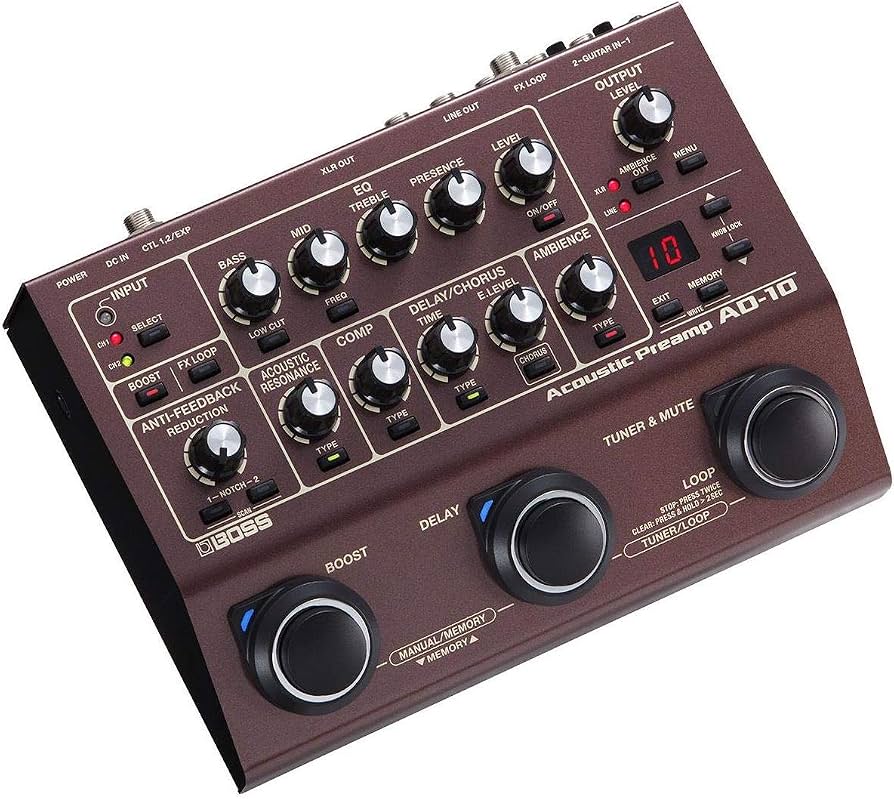
Pedalboard essential for live tweaking.
Boss AD-10 Acoustic Preamp Built-in EQ, anti-feedback, reverb, and acoustic resonance modeling for feedback-free clarity.
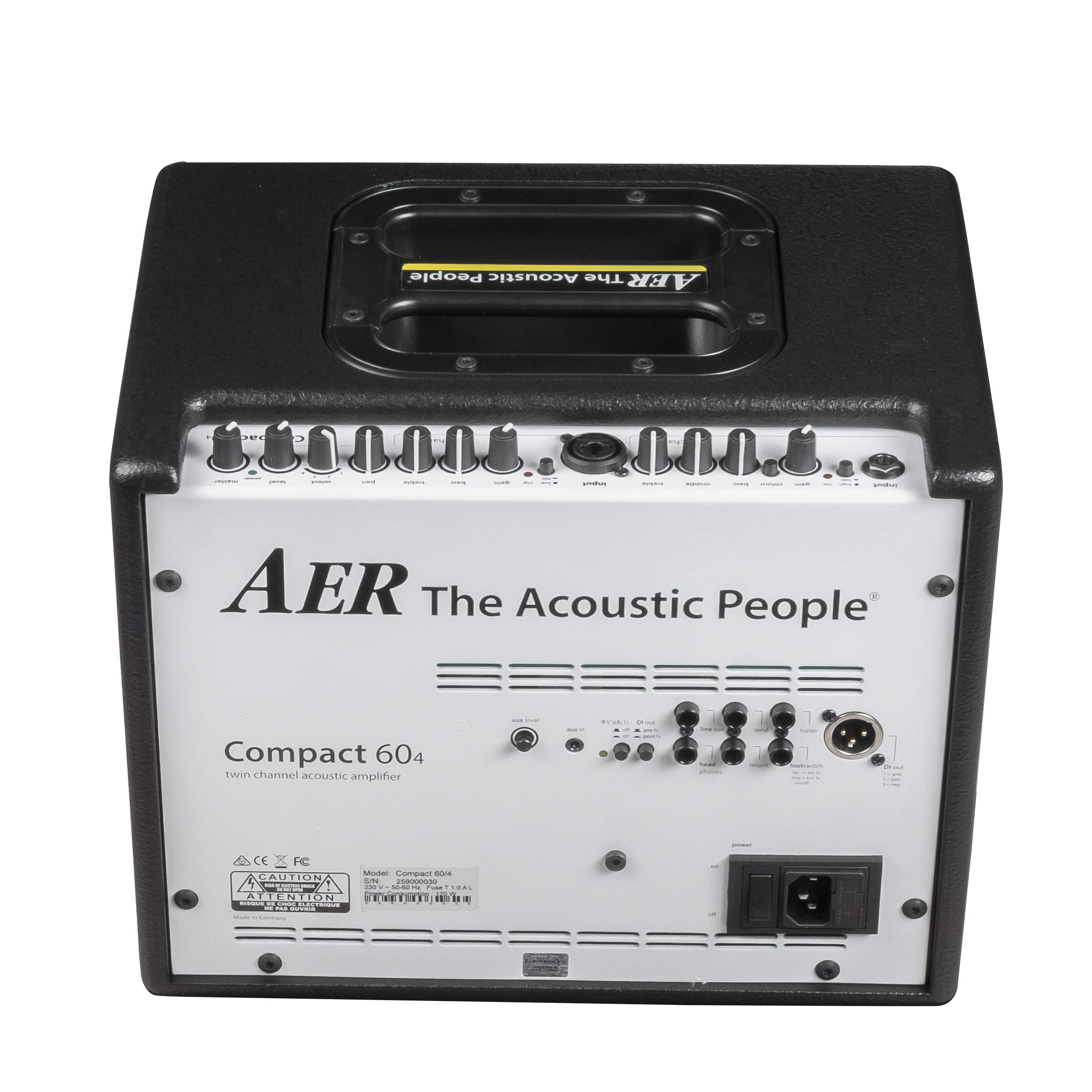
Solo/duo coffeehouse sets.
AER Compact 60/4 Acoustic Amp Ultra-compact 60W with digital effects/feedback killer, ideal for portable small gigs.
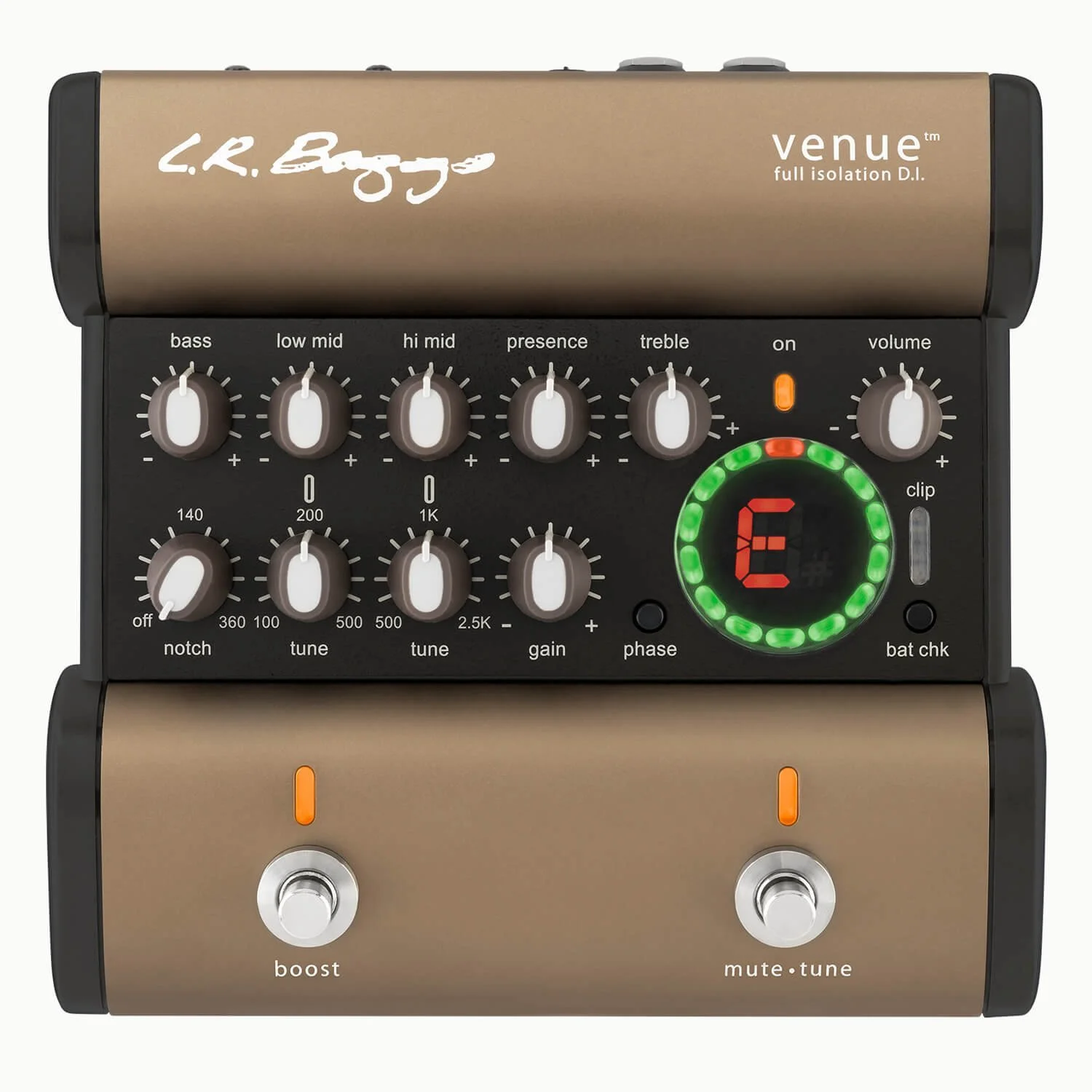
Budget pro DI for any acoustic-electric.
LR Baggs Venue DI Variable impedance tuner fixes piezo quack, phase invert for feedback control.
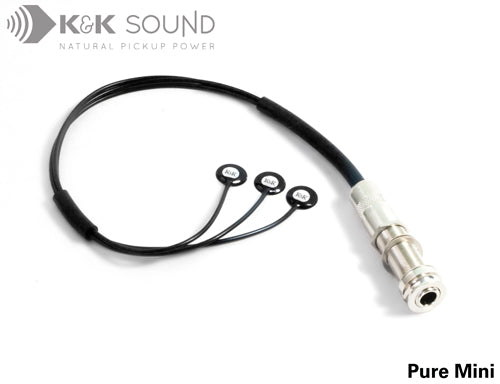
Upgrade non-equipped acoustics.
K&K Pure Mini Bridge Pickup Pure transducer sound, no battery, installs easily for natural amplification.