
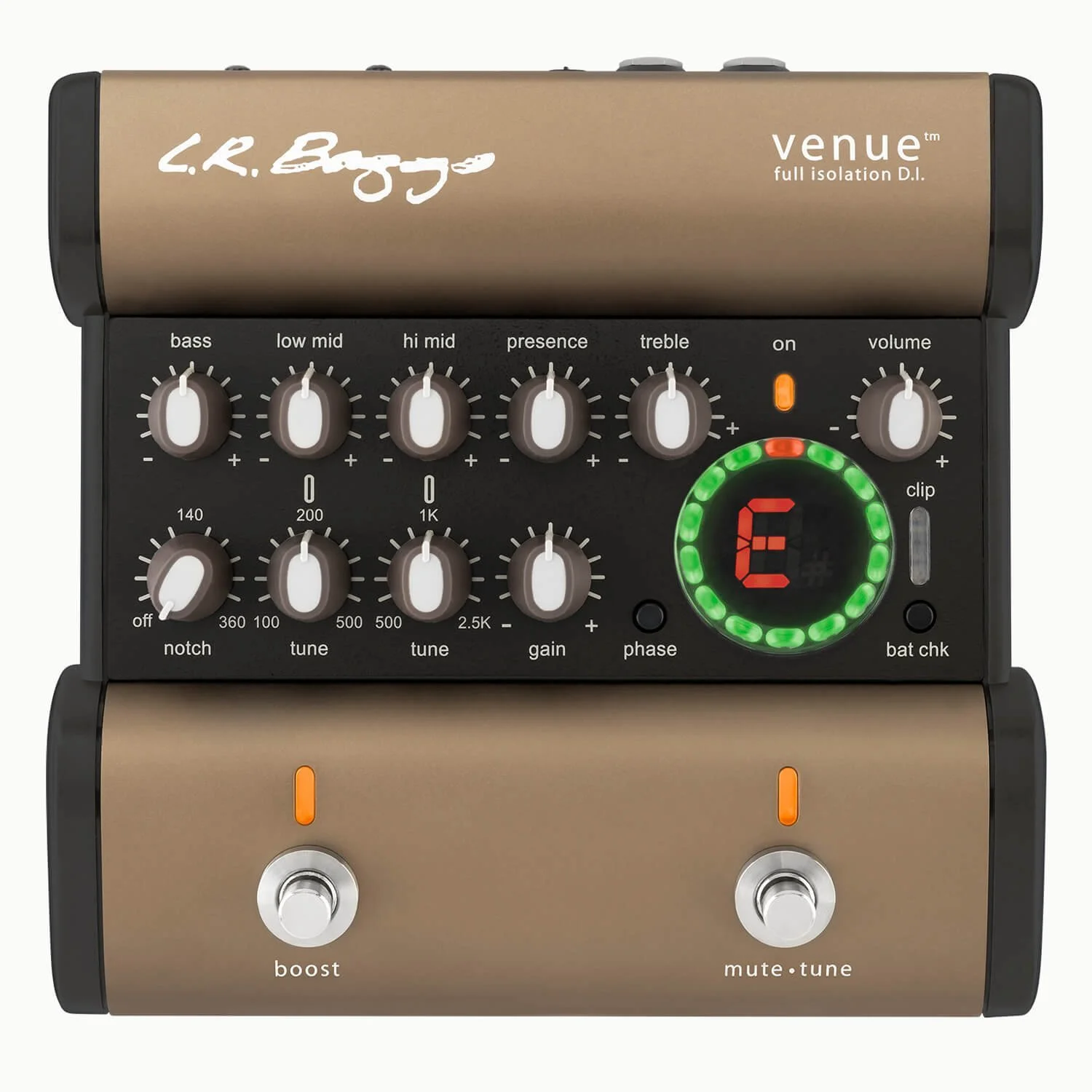
LR Baggs Venue DI
Live direct to PA; eliminates feedback with precise EQ.
$299.00
LR Baggs Venue DI Pro-grade acoustic DI with switchable impedance (1MΩ-10MΩ), notch filter, and tuner—perfect for piezo tweaking.
Get the App
Better experience on mobile
Achieve feedback-free, studio-quality tone on stage with advanced setup techniques for crystal-clear acoustic-electric guitar sound.
Live amplification of acoustic-electric guitars often results in feedback squeals, muddy tone, or unnatural quack—frustrating gigging musicians who want their guitar's natural voice to shine through the PA. Whether you're playing coffeehouse sets or festivals, poor setup kills the vibe and distracts from your performance.
In this advanced guide, you'll learn pro-level steps to amplify your acoustic-electric guitar live, from electronics checks to EQ sculpting and feedback management. We'll cover piezo vs. magnetic systems, impedance matching, and PA integration for balanced, dynamic sound.
Expect a 20-30 minute setup per gig (plus soundcheck), assuming intermediate electronics knowledge. Follow these steps sequentially for pro results—perfect for advanced players ready to level up their live rig.
Estimated Time: 20-30 minutes for setup + 10-minute soundcheck Difficulty: advanced
Start by inspecting your guitar's onboard electronics. Open the battery compartment and confirm the pickup type: piezo (under saddle, bright but quacky), magnetic (soundhole, warm but boomy), or blend. Test output by plugging into headphones—expect clean signal without hum.
Why it matters: Mismatched pickups lead to poor impedance and tone loss. For advanced setups, note preamp specs (e.g., 1MΩ input impedance ideal for piezo).
Success: Guitar outputs balanced volume across strings, no dropouts.
💡 Tips:
⚠️ Warnings:
Choose an acoustic-specific DI with variable impedance (e.g., 1MΩ-10MΩ), EQ sliders, and phase reverse. Power it on, set gain to unity (no clipping LED), and engage pad if hot signal.
Connect guitar to DI input via short cable. Why? DIs convert high-impedance signal to balanced low-Z XLR, preserving highs and rejecting noise over long runs.
Success: Clean, hum-free signal at DI output; meter shows green on strums.
💡 Tips:
⚠️ Warnings:
Use low-capacitance instrument cable (under 40pF/ft) guitar-to-DI, then balanced XLR DI-to-PA. Right-angle plugs prevent stage tugs.
Why essential: Capacitance rolls off highs; unbalanced cables pick up EMI. Test continuity by tapping—crisp response.
Success: No signal loss or buzz when moving 20ft.
💡 Tips:
Patch DI XLR to PA channel (channel strip with HPF). Set PA gain staging: +4dBu line level, HPF at 80-100Hz to cut rumble.
For amps like Fishman Loudbox, use direct XLR in. Blend with mic'd guitar body if natural reverb needed.
Success: Even PA coverage, no hot spots.
💡 Tips:
⚠️ Warnings:
Preamp EQ first: Boost 2-5kHz for string clarity, cut 200-400Hz boxiness, subtle 10kHz air. Use sweepable mid to notch feedback freqs (1-3kHz common).
PA EQ: Parametric cut problem freqs, graphic for broad shape. Reference: Smile curve—lows shelf -3dB, mids flat, highs +2dB.
Play arpeggios—success: Natural resonance, no honk.
💡 Tips:
⚠️ Warnings:
Position amp/PA behind you, guitar >45° from monitors. Start PA fader low, raise gradually while walking stage.
Why? Feedback path: speaker > mic/pickup > amp loop. Use soundhole plug if boomy.
Success: Full volume sans squeal.
💡 Tips:
⚠️ Warnings:
Solo channel, play dynamics. FOH engineer rings out: raise gain until feedback, notch freq, repeat 3x.
Test palm mutes/chords—adjust compression (4:1 ratio, fast attack).
Success: Headroom for peaks, consistent tone.
💡 Tips:
⚠️ Warnings:
Watch LEDs, listen for changes (humidity affects piezo). Tweak notches live if needed.
Advanced: IEMs with guitar blend for precision.
Success: Gig ends feedback-free, tone shines.
💡 Tips:
⚠️ Warnings:
Problem: Persistent feedback
Solution: Ring out again, reposition 10° away from speakers, add notch at exact freq (use phone mic app).
Problem: Quacky/weak lows
Solution: Lower DI impedance to 500kΩ-1MΩ, boost 80-150Hz gently, check pickup battery.
Problem: Hum or buzz
Solution: Balanced lines everywhere, ground lift on DI, separate power strips for guitar/PA.
Problem: Uneven string balance
Solution: Piezo needs height adjustment under saddle; magnetic—reposition soundhole coil.
Problem: Low output
Solution: Gain staging: guitar vol max, DI pad off, PA preamp +20dB.
Pro-grade acoustic DI with switchable impedance (1MΩ-10MΩ), notch filter, and tuner—perfect for piezo tweaking.
Best for: Live direct to PA; eliminates feedback with precise EQ.
Price Range: $299.00
Advanced EQ with low-peaking mids, phase, and blend—sculpts natural acoustic tone.
Best for: Gigging singer-songwriters needing onboard control.
Price Range: $369.99
Dual-channel with variable load (22kΩ-10MΩ), rugged for stage abuse.
Best for: Multi-instrument setups blending pickups.
Price Range: $219.99
Low capacitance, Neutrik connectors—retains highs over distance.
Best for: Stage cable from guitar to DI.
Price Range: $49.99
Always-on buffer preserves signal, accurate for low B strings.
Best for: Pre-DI tuning without tone suck.
Price Range: $99.99
Live direct to PA; eliminates feedback with precise EQ.
LR Baggs Venue DI Pro-grade acoustic DI with switchable impedance (1MΩ-10MΩ), notch filter, and tuner—perfect for piezo tweaking.
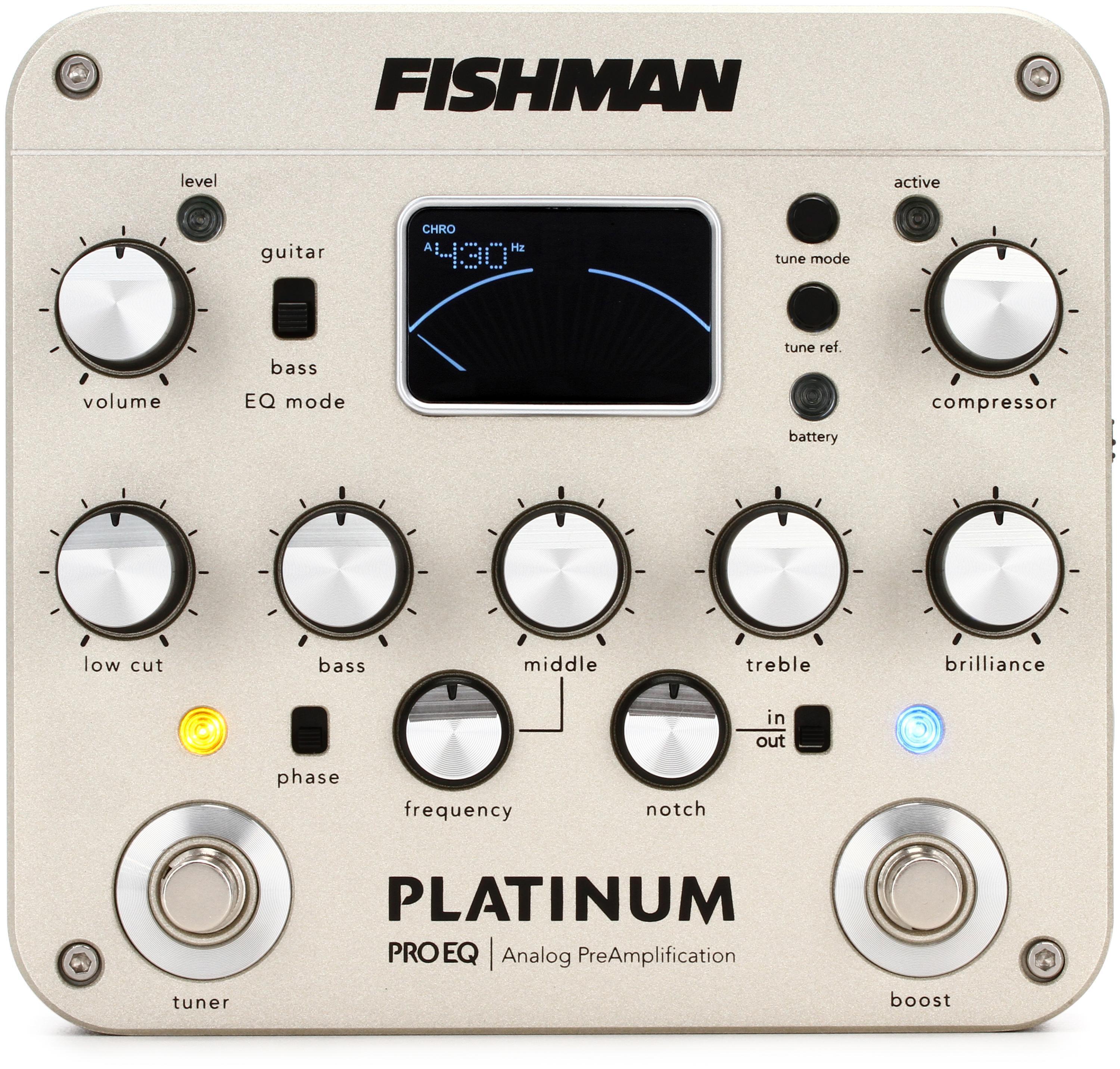
Gigging singer-songwriters needing onboard control.
Fishman Platinum Pro EQ DI Advanced EQ with low-peaking mids, phase, and blend—sculpts natural acoustic tone.
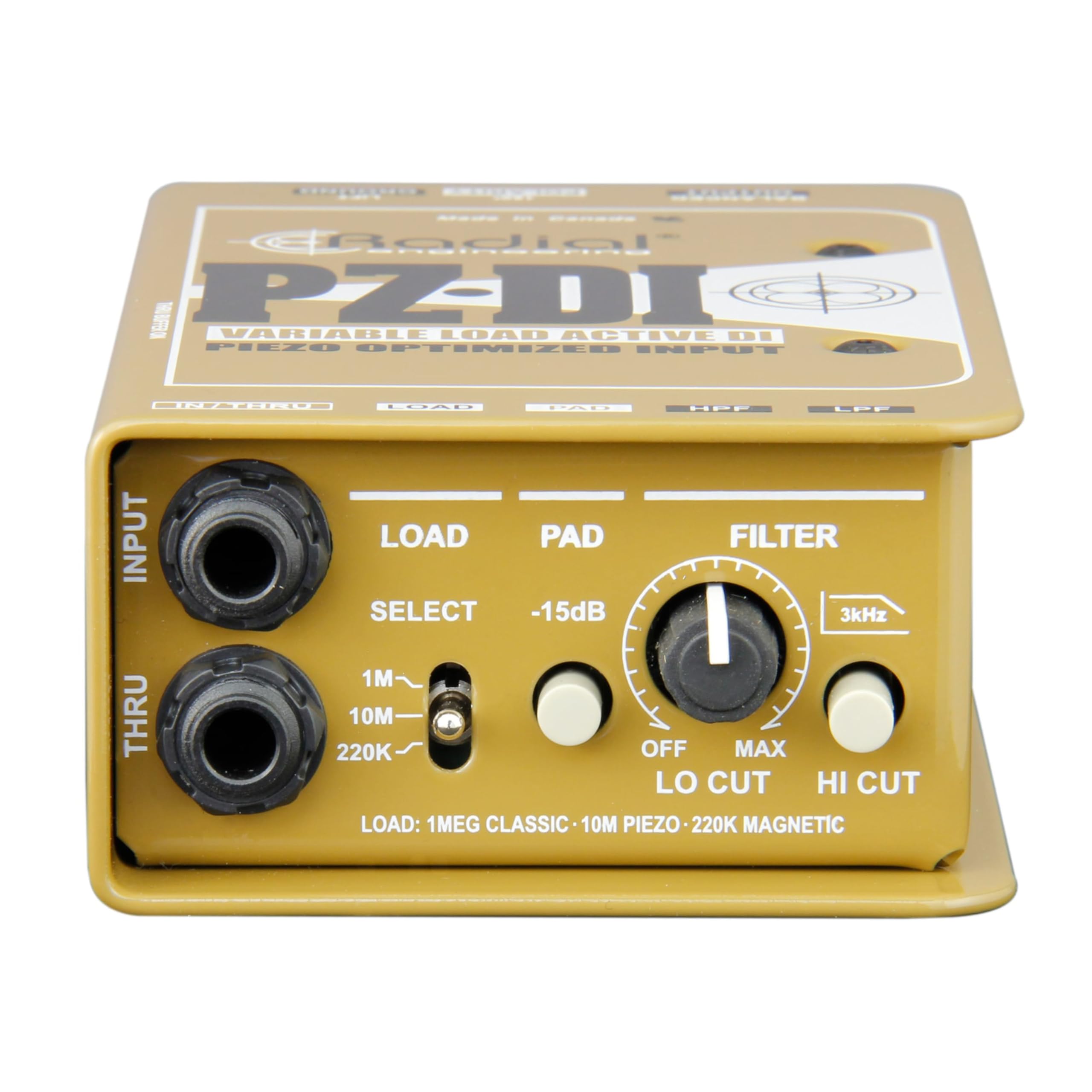
Multi-instrument setups blending pickups.
Radial PZ-DI Dual-channel with variable load (22kΩ-10MΩ), rugged for stage abuse.
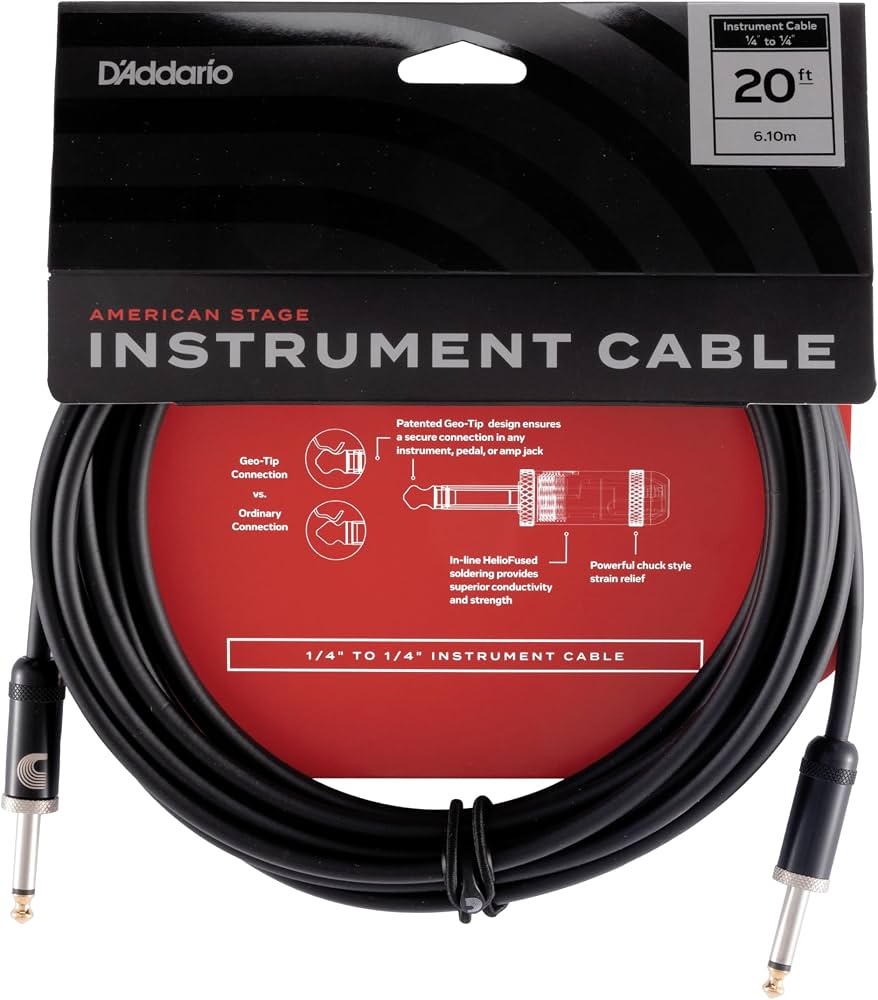
Stage cable from guitar to DI.
D'Addario Planet Waves American Stage Cable (20ft) Low capacitance, Neutrik connectors—retains highs over distance.
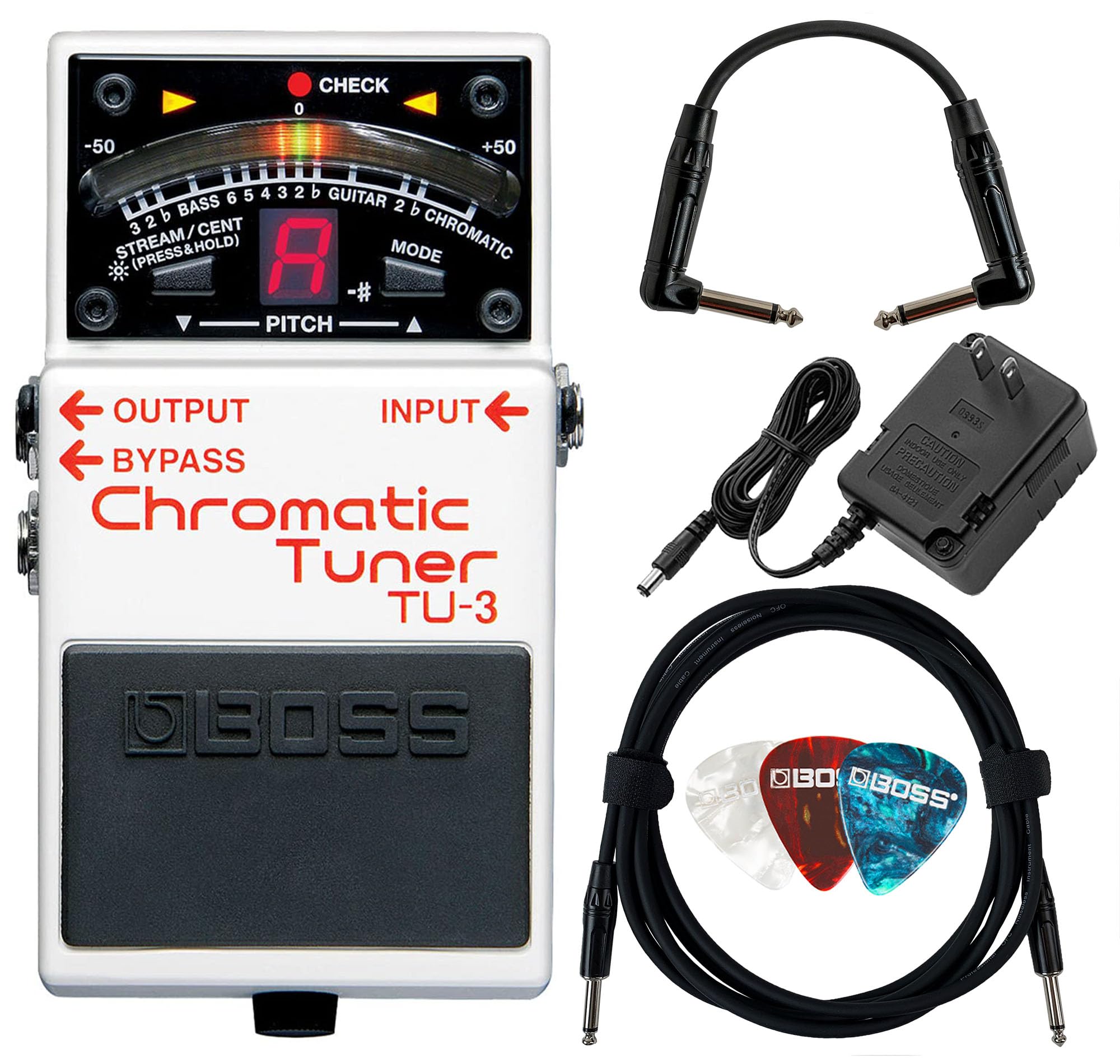
Pre-DI tuning without tone suck.
Boss TU-3 Chromatic Tuner Always-on buffer preserves signal, accurate for low B strings.