
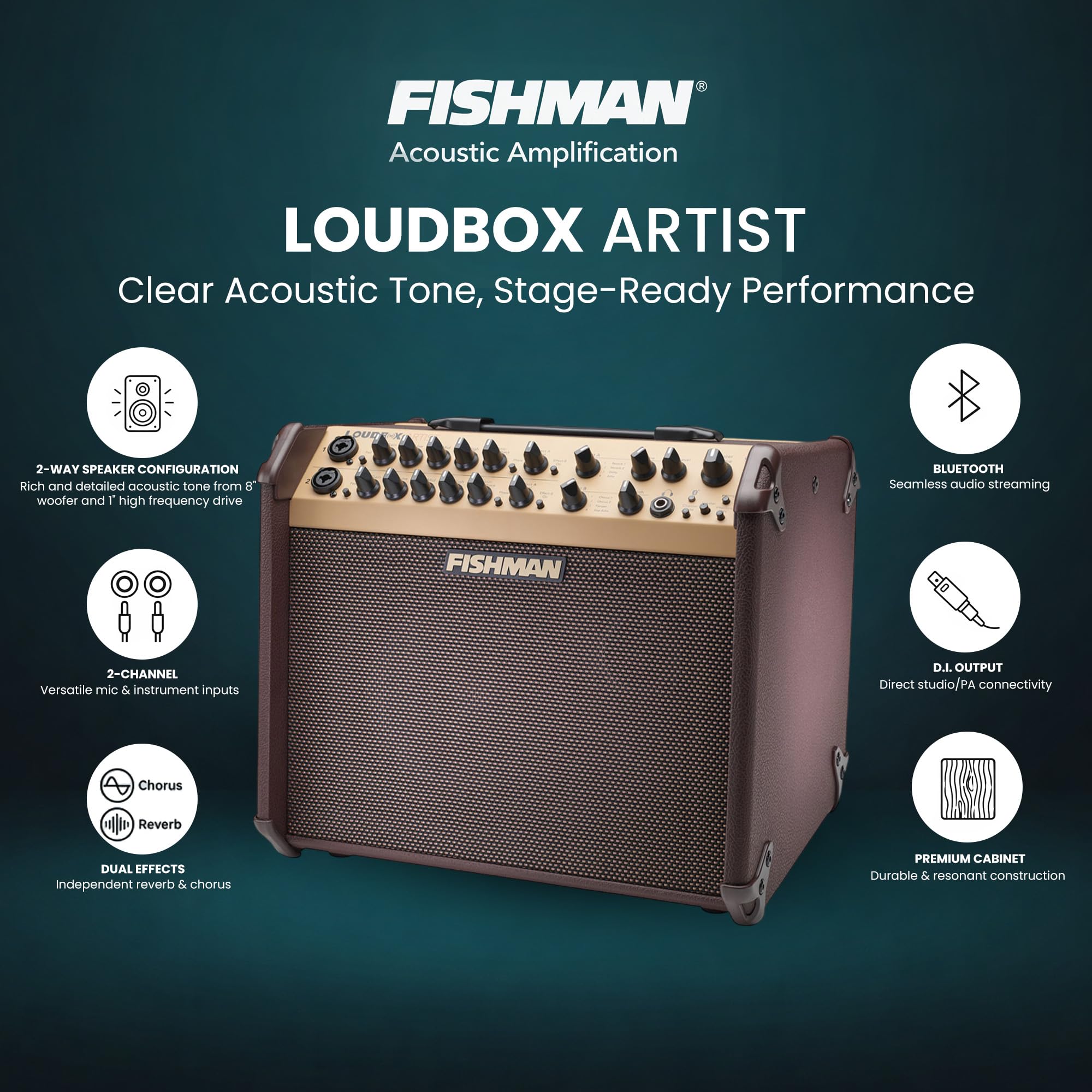
Fishman Loudbox Artist Acoustic Amp
Small to medium venues; plug-and-play for solo/duo.
$700-$750
Fishman Loudbox Artist Acoustic Amp Dual channels, anti-feedback, perfect natural tone for gigs.
Get the App
Better experience on mobile
Master amplifying your acoustic-electric guitar for gigs with pro-level sound—no feedback, crystal-clear tone in 30-45 minutes.
Playing gigs with an acoustic-electric guitar often means battling muddy sound, harsh feedback, or volume that gets lost in the mix. Whether you're busking, at a coffeehouse open mic, or headlining a small venue, proper amplification turns your guitar from a bedroom hero into a stage powerhouse. This guide solves those pain points with actionable steps.
You'll learn to select gear, connect everything flawlessly, dial in EQ, eliminate feedback, and soundcheck like a pro. By the end, your guitar will cut through the mix with natural acoustic sparkle. Expect intermediate skills like basic EQ knowledge; total setup time is 30-45 minutes, plus 15-20 minutes practice.
No more guesswork—follow these steps for gig-ready tone every time.
Estimated Time: 30-45 minutes for setup + 15-20 minutes soundcheck practice Difficulty: intermediate
Decide between a dedicated acoustic amp, PA system, or mixer. Acoustic amps like the Fishman Loudbox excel for natural tone with built-in feedback control. For larger gigs, plug into the PA via DI for house sound.
Why it matters: Wrong choice leads to unnatural sound or low volume. Success: Your setup matches venue size (small gig: 60-100W amp; large: PA).
Image description: Side-by-side comparison of acoustic amp on stage vs. PA mixer connection.
💡 Tips:
⚠️ Warnings:
Use shielded 1/4" instrument cables (10-20 ft) to minimize noise. Check for damage—frayed ends cause hum. If using PA, get an active DI box for balanced XLR output.
Why: Bad cables = buzz, dropouts. Success: Clean signal path confirmed by plugging in briefly (no hum).
Test connection: Guitar out to amp input.
💡 Tips:
Plug guitar's 1/4" output (preamp/mix out) into amp's instrument input. Set guitar volume to 50%, phase to normal, and pickup blend (if piezo/mag) to taste.
Why: Direct connection captures full preamp tone. Expect balanced volume without clipping. Power on amp first, then guitar to avoid pops.
💡 Tips:
⚠️ Warnings:
On guitar preamp: Boost mids slightly (2-5kHz), cut bass (<100Hz) to prevent boominess. Engage notch filter if feedback-prone.
Why: Preamp shapes tone before amp. Success: Natural projection without mud—strumming sounds full but tight.
💡 Tips:
Low: -6dB (cut boom), Mid: 0 to +3dB (presence), High: +3dB (sparkle). Start volume low, play open chords, raise until balanced with vocals/drums.
Why: Acoustic EQ emphasizes attack/clarity. Success: Guitar sits in mix, no harshness—test at gig volume.
💡 Tips:
⚠️ Warnings:
Crank volume, play loud—walk mic positions. Use feedback buster or amp's notch to kill rings (usually 200-400Hz). Ring out 3-5 frequencies.
Why: Feedback kills gigs. Success: Max volume with no squeal, even moving.
💡 Tips:
Full band check: Balance levels, listen from audience spot. Tweak EQ for room acoustics.
Why: Venue changes everything. Success: Pro mix—guitar audible, natural.
💡 Tips:
Problem: Hum or buzz
Solution: Check grounds, use DI, shorten cable runs. Lift ground if safe.
Problem: Feedback squeals
Solution: Notch filter, reposition amp/mic, cut offending freq.
Problem: Low volume
Solution: Check battery in preamp, boost mids/highs, use PA.
Problem: Muddy tone
Solution: Cut bass <150Hz, boost 2-5kHz, check pickup blend.
Dual channels, anti-feedback, perfect natural tone for gigs.
Best for: Small to medium venues; plug-and-play for solo/duo.
Price Range: $700-$750
Pro DI with EQ/notch tuner for clean PA feed.
Best for: Direct to house PA at larger gigs.
Price Range: $200-$250
Low-noise, durable for stage abuse.
Best for: Reliable signal from guitar to amp/PA.
Price Range: $35-$45
Accurate, always-on tuner essential for live tuning.
Best for: Quick onstage adjustments.
Price Range: $90-$110
Small to medium venues; plug-and-play for solo/duo.
Fishman Loudbox Artist Acoustic Amp Dual channels, anti-feedback, perfect natural tone for gigs.
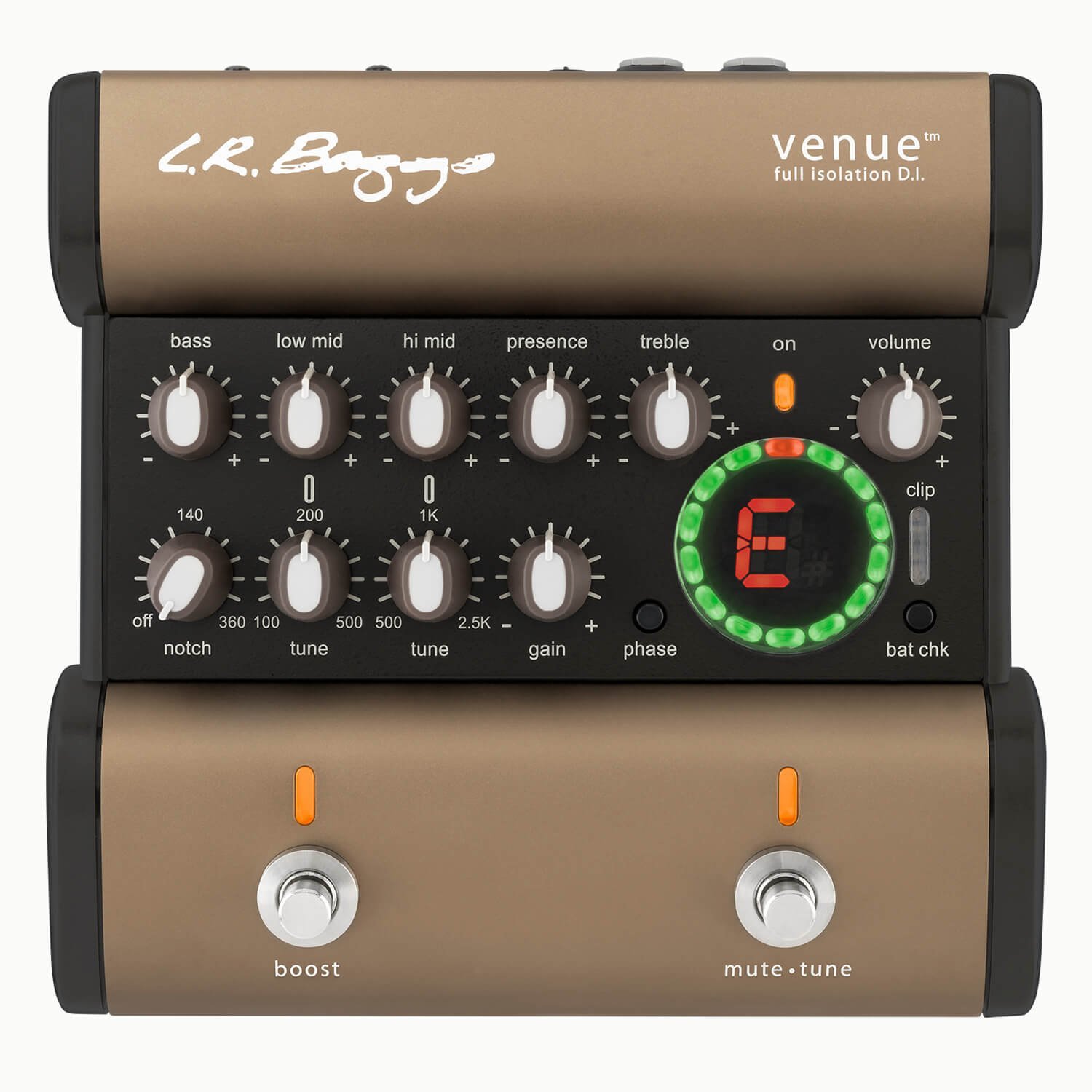
Direct to house PA at larger gigs.
LR Baggs Venue DI Pro DI with EQ/notch tuner for clean PA feed.
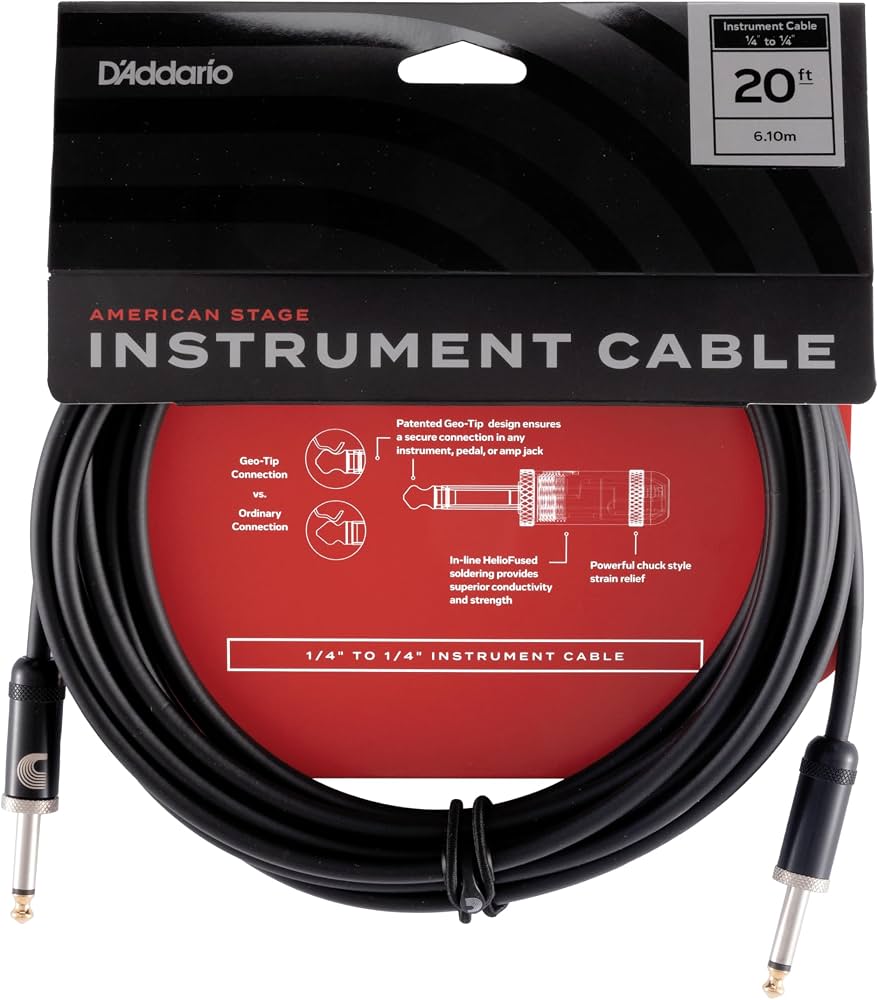
Reliable signal from guitar to amp/PA.
Planet Waves American Stage Instrument Cable 20ft Low-noise, durable for stage abuse.
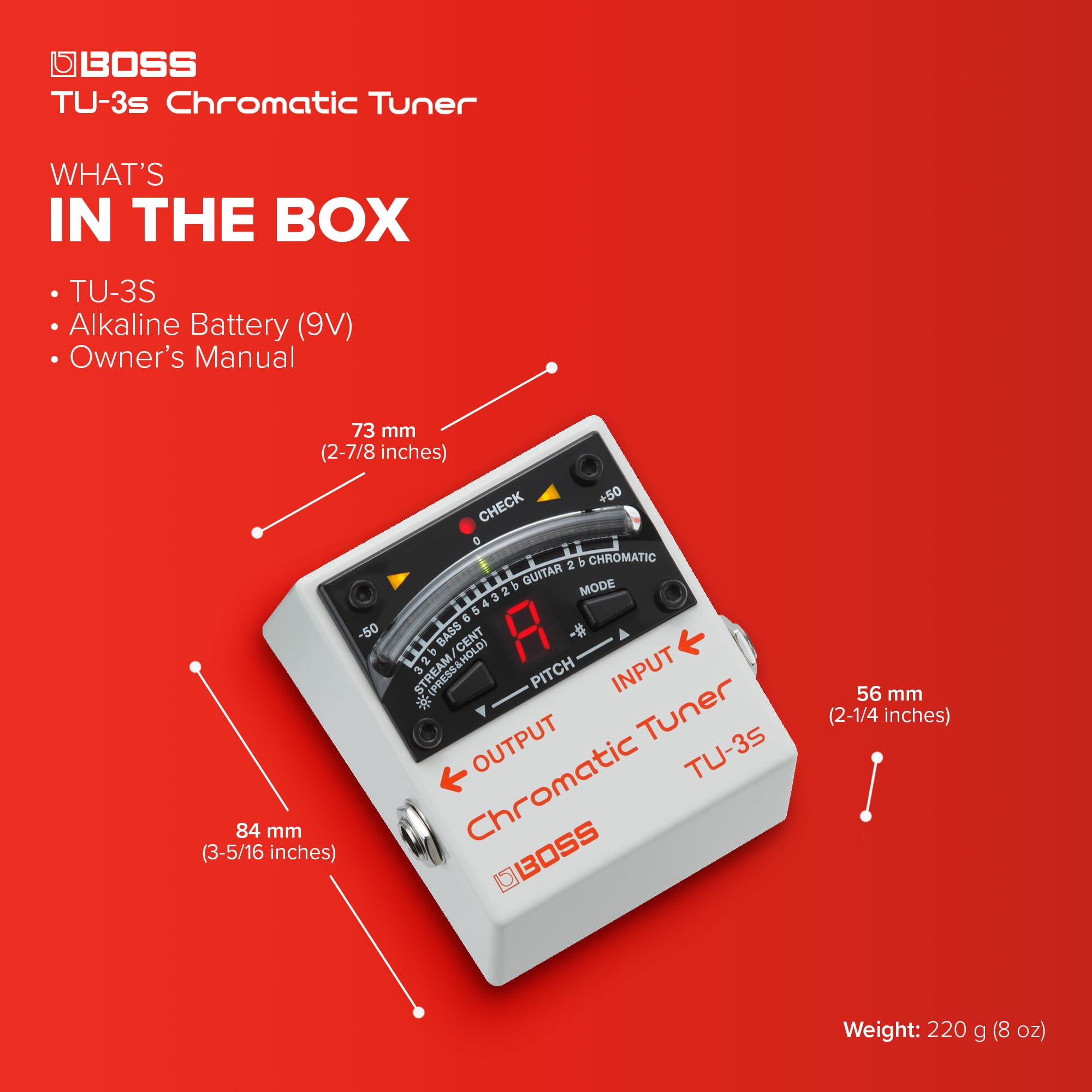
Quick onstage adjustments.
Boss TU-3 Chromatic Tuner Accurate, always-on tuner essential for live tuning.