
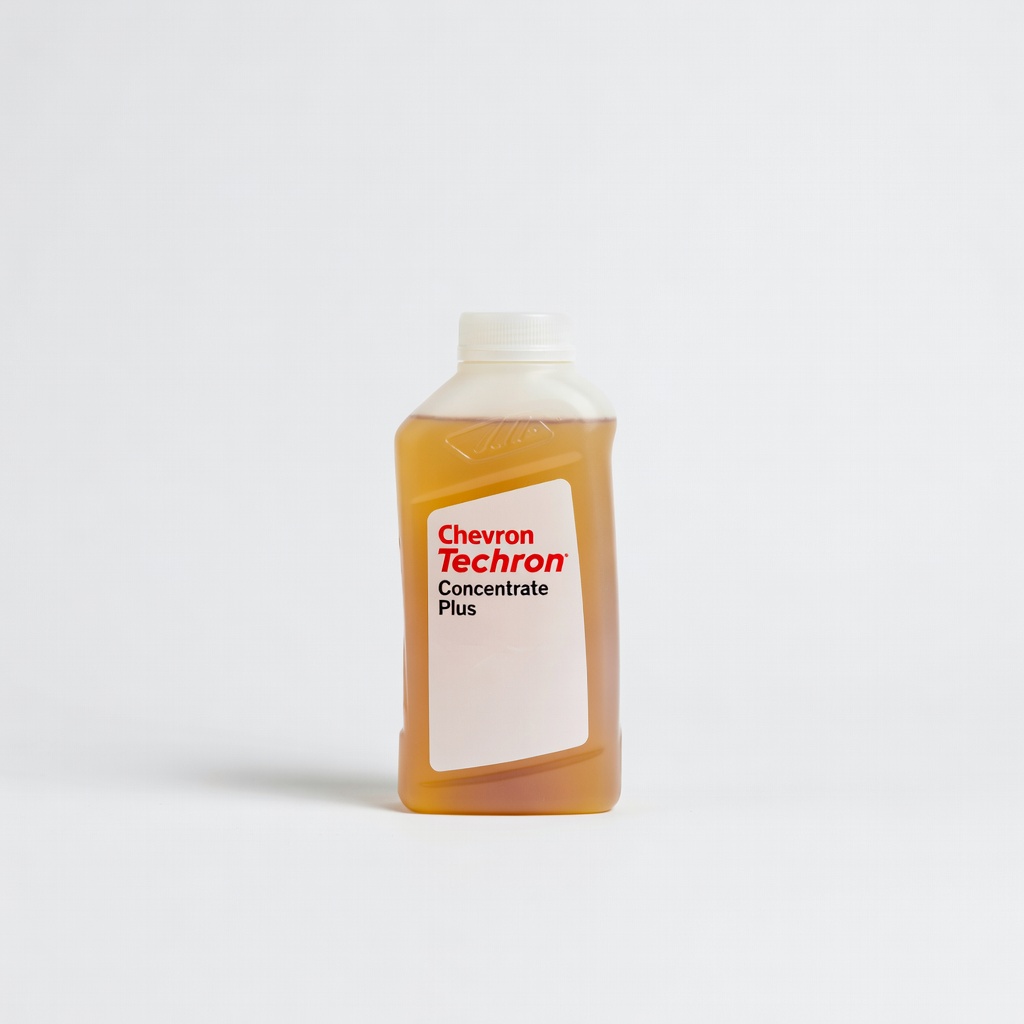
Chevron Techron Concentrate Plus
Every 3,000 miles for high-mileage cars.
$9.99
Chevron Techron Concentrate Plus Polyether amine cleans injectors/carbon for 4-8% MPG boost in cold weather.
Get the App
Better experience on mobile
Learn how fuel additives combat winter fuel woes to improve MPG—step-by-step guide for intermediate drivers to save on gas.
Winter driving can slash your gas mileage by 10-20% due to cold starts, denser air, moisture in fuel from ethanol blends, and gelling risks. If you're tired of watching the fuel gauge drop faster in freezing temps, fuel additives offer a simple fix by cleaning injectors, removing water, stabilizing fuel, and enhancing combustion.
In this guide, you'll learn exactly how additives improve winter MPG and get actionable steps to select, apply, and track results. Expect 10-15% MPG gains with consistent use. The process takes 15-20 minutes per treatment and is perfect for intermediate DIYers comfortable with basic car maintenance.
We'll cover the science briefly, then walk through usage—no advanced tools needed.
Estimated Time: 15-20 minutes per treatment; 1-2 weeks to see MPG improvements Difficulty: intermediate
Before adding anything, measure your current winter MPG to set a benchmark. Fill your tank completely, reset your trip odometer, drive normally for 100-200 miles, then refill and note gallons used. Divide miles driven by gallons for MPG.
This matters because additives target specific issues like dirty injectors—knowing your starting point proves their impact. Expect winter baselines 2-5 MPG lower than summer.
Success looks like: A logged number, e.g., '18.2 MPG highway.'
💡 Tips:
⚠️ Warnings:
Winter challenges include water contamination from condensation (ethanol attracts moisture), injector buildup from summer, and poor combustion in cold air. Additives improve mileage by dispersing water, dissolving carbon deposits, and lubricating for efficient burn—boosting MPG via better atomization and fewer misfires.
Review your driving: Hesitation or hard starts? That's a sign. This step ensures you pick the right additive type.
💡 Tips:
Select a gasoline additive rated for winter: cleaners for injectors, water removers, or stabilizers. Look for labels like 'improves MPG,' 'anti-gel for gas,' or 'ethanol treatment.' Treat every 3,000 miles or tank.
Why? Clean systems = 5-10% efficiency gain. Match to your needs—e.g., water issues get Iso-HEET.
💡 Tips:
⚠️ Warnings:
Park safely, engine off and cool. Ensure tank is 1/4 to 1/2 full (check via gauge). Consult manual for tank size to dose correctly.
Low fuel maximizes mixing; too full wastes additive.
💡 Tips:
Shake bottle, pour full dose into tank via gas cap (use funnel to avoid spills). Start engine briefly to circulate.
This disperses the treatment immediately. Expect a slight fuel smell—normal.
💡 Tips:
⚠️ Warnings:
Top off with 5-10 gallons of quality gas (87+ octane, top-tier brands like Shell). Drive 50+ miles mixed city/highway to circulate.
Fresh gas dilutes and activates the additive for peak cleaning.
💡 Tips:
After 200 miles or next fill-up, recalculate MPG as in Step 1. Track over 2-3 tanks.
Success: 1-3 MPG gain initially, up to 10% long-term. No change? Retry or check other factors.
💡 Tips:
Re-treat every 3rd tank or 3,000 miles. Combine with tire pressure checks for compounded gains.
Consistency keeps systems clean year-round.
💡 Tips:
Problem: No MPG improvement after one tank
Solution: Retreat next tank; check air filter, tires, or spark plugs. Allow 300 miles.
Problem: Engine hesitation post-additive
Solution: Rare overdose—dilute with fresh gas and drive 50 miles. Switch products.
Problem: Fuel smell lingers
Solution: Normal for 1-2 days; ventilate. If strong, check for spills.
Problem: Worsening mileage
Solution: Wrong product or bad gas—drain tank if severe, seek mechanic.
Polyether amine cleans injectors/carbon for 4-8% MPG boost in cold weather.
Best for: Every 3,000 miles for high-mileage cars.
Price Range: $9.99
Stabilizes fuel, removes moisture, lubricates—ideal for winter ethanol issues.
Best for: Monthly winter treatment for storage or daily drivers.
Price Range: $11.49
Enzymes prevent phase separation in E10 gas, improving combustion efficiency.
Best for: High-ethanol regions or boats/cars in storage.
Price Range: $10.49
Absorbs up to 3x fuel volume in water—prevents winter freeze-ups.
Best for: Humid climates or after rain exposure.
Price Range: $4.99
Boosts cetane-like for gas, cleans + lubricates for smoother cold starts.
Best for: Budget option for everyday MPG gains.
Price Range: $12.99
Every 3,000 miles for high-mileage cars.
Chevron Techron Concentrate Plus Polyether amine cleans injectors/carbon for 4-8% MPG boost in cold weather.
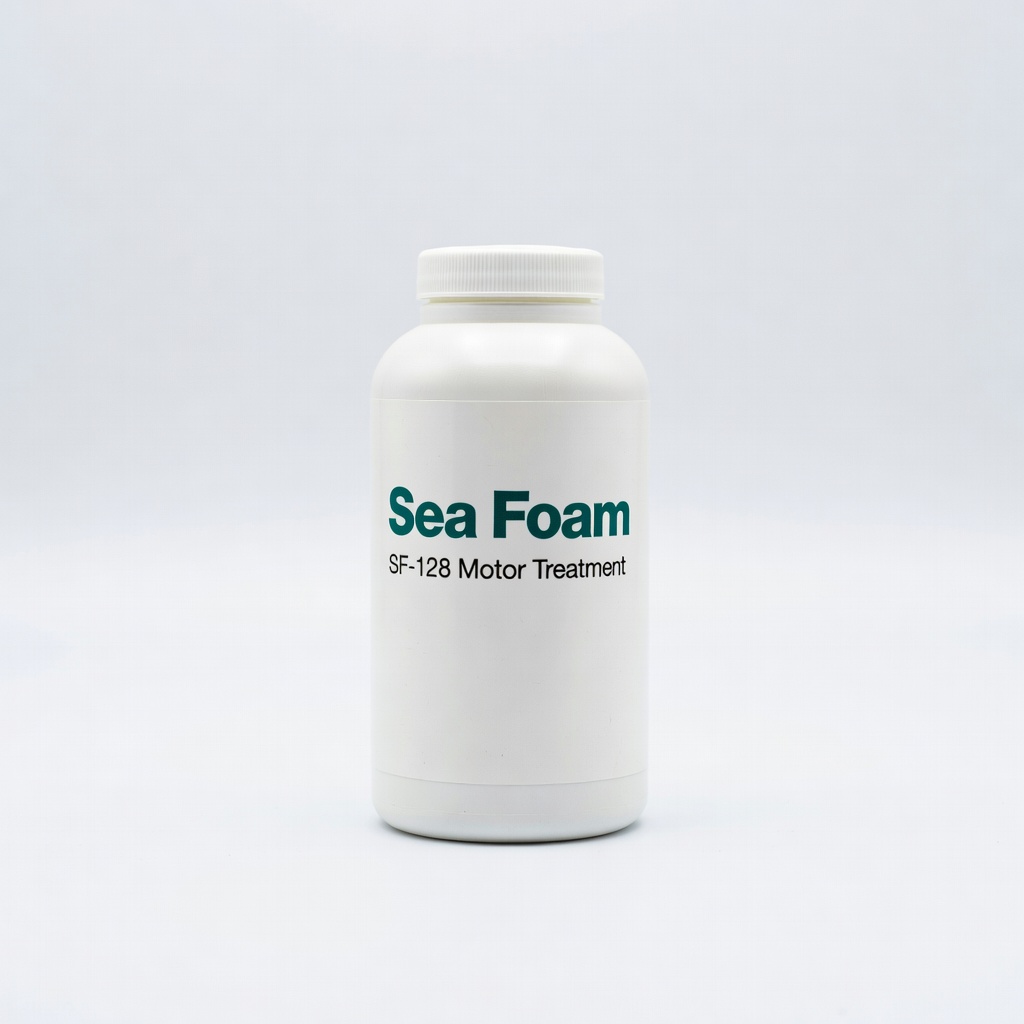
Monthly winter treatment for storage or daily drivers.
Sea Foam SF-128 Motor Treatment Stabilizes fuel, removes moisture, lubricates—ideal for winter ethanol issues.
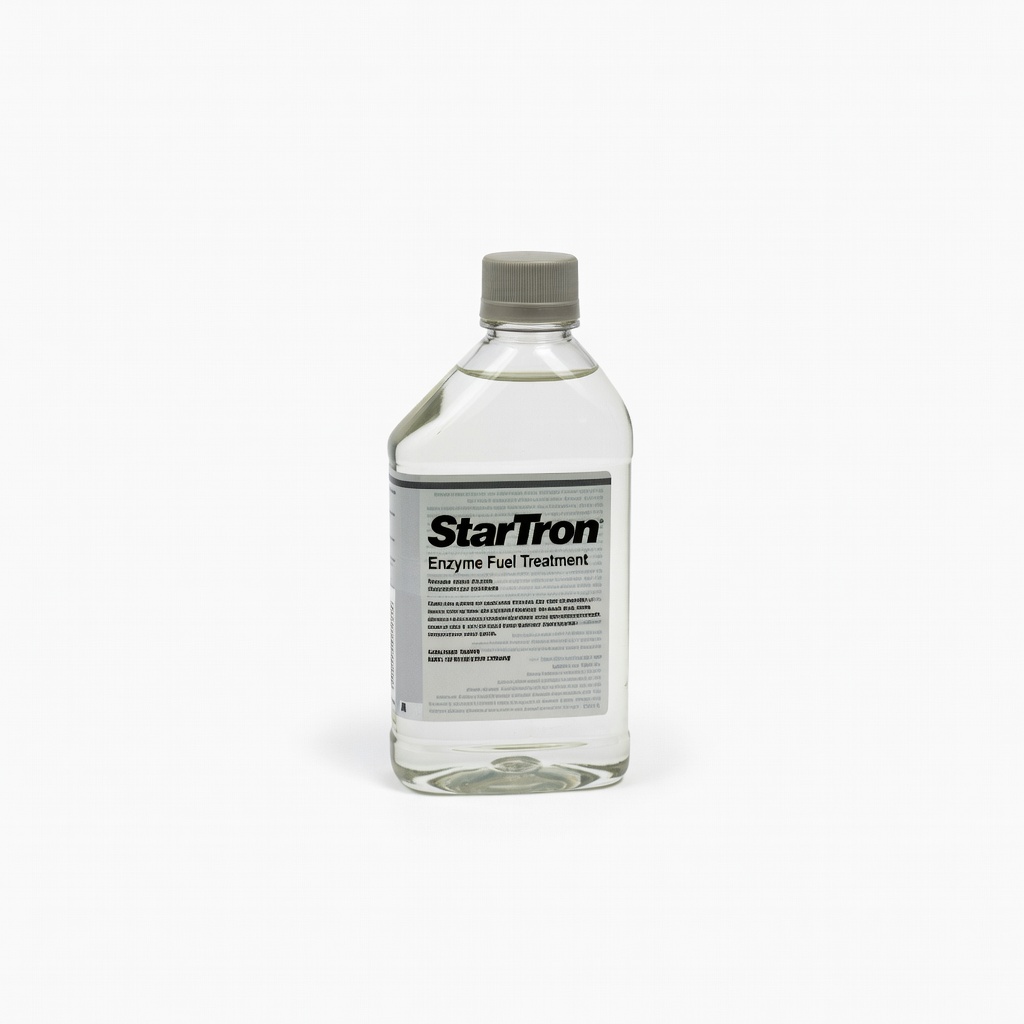
High-ethanol regions or boats/cars in storage.
Star Tron Enzyme Fuel Treatment Enzymes prevent phase separation in E10 gas, improving combustion efficiency.
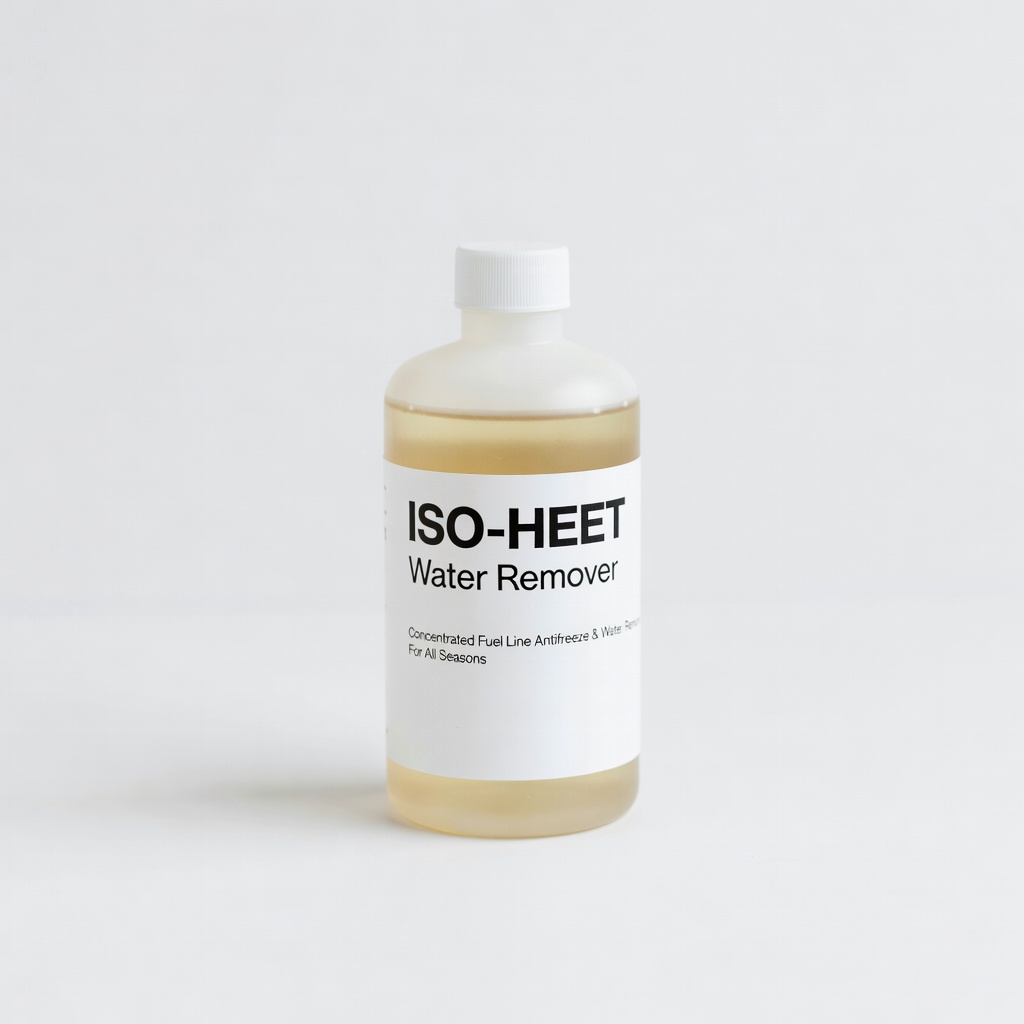
Humid climates or after rain exposure.
ISO-HEET Water Remover Absorbs up to 3x fuel volume in water—prevents winter freeze-ups.
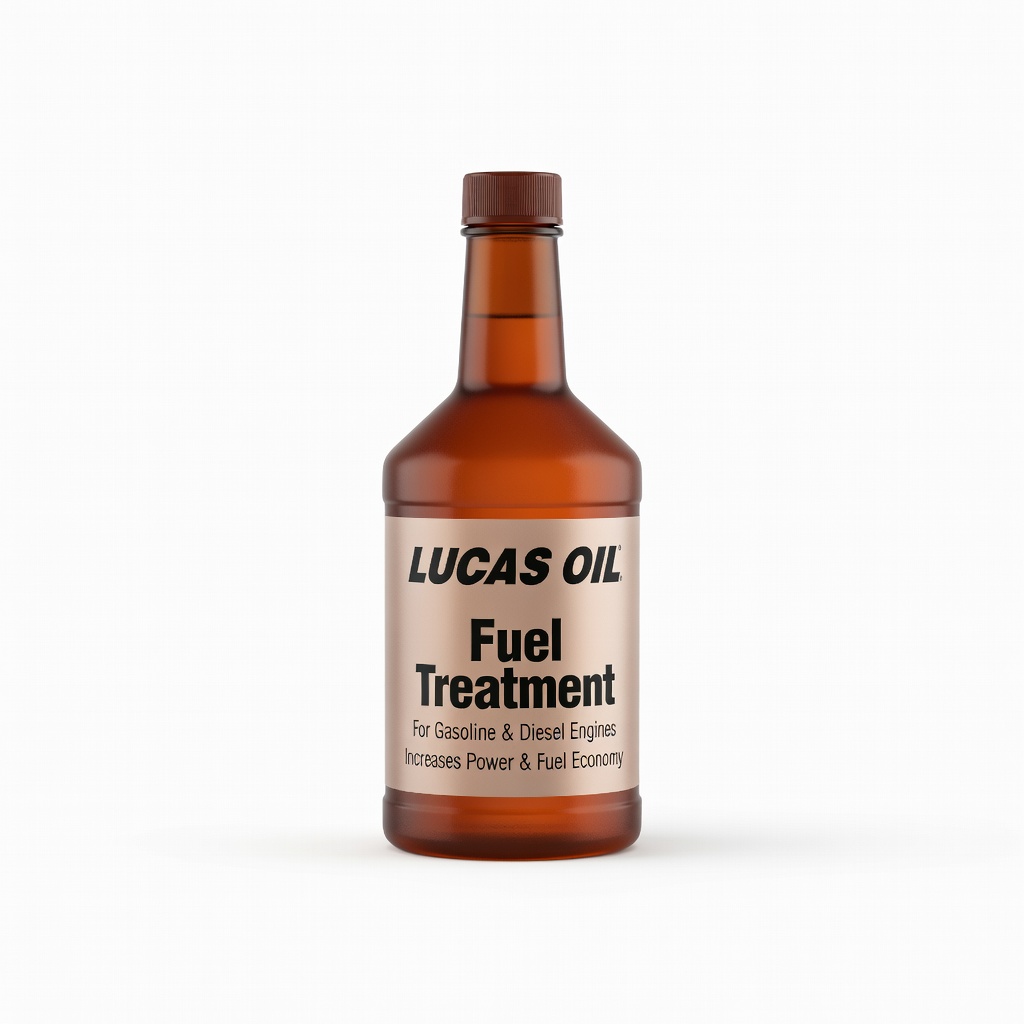
Budget option for everyday MPG gains.
Lucas Oil Fuel Treatment Boosts cetane-like for gas, cleans + lubricates for smoother cold starts.