
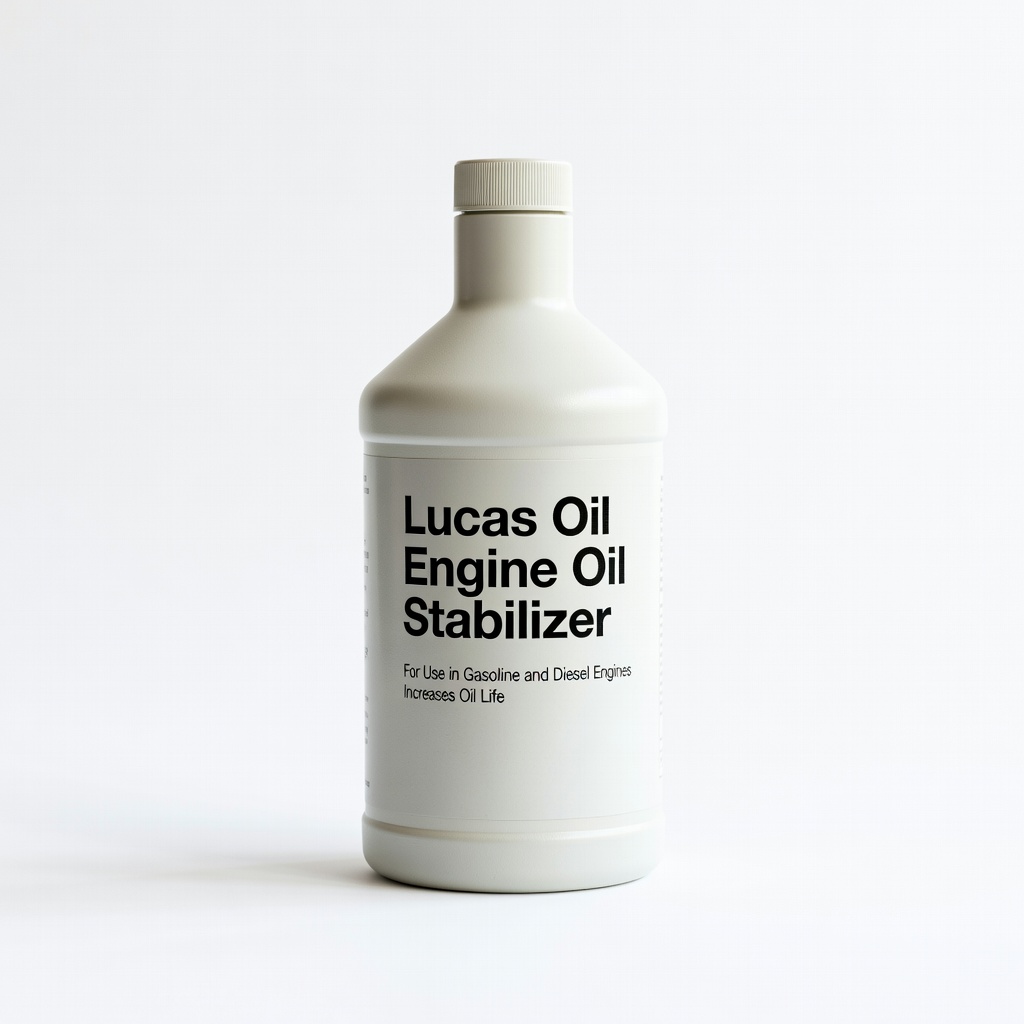
Lucas Oil Engine Oil Stabilizer
Ideal for older engines (100k+ miles) needing wear protection.
$12-18
Lucas Oil Engine Oil Stabilizer Reduces friction and stabilizes viscosity for high-mileage engines, proven to quiet valvetrain noise.
Get the App
Better experience on mobile
Boost your engine's performance and longevity with this step-by-step guide to safely adding oil additives—achieve smoother operation in under 45 minutes.
Engine oil is the lifeblood of your car's motor, but standard oil can sometimes fall short on extreme performance, fuel efficiency, or cleaning power. Many drivers notice reduced mileage, noisy valves, or sluggish acceleration over time. Adding high-quality engine oil additives addresses these issues by reducing friction, cleaning deposits, and stabilizing viscosity—potentially extending engine life by 20-30% with regular use.
In this guide, you'll learn how to select, add, and verify engine oil additives for optimal results. We'll cover everything from compatibility checks to post-addition monitoring, tailored for intermediate DIYers with basic wrenching experience. The process is straightforward and takes 30-45 minutes, mostly hands-on with your hood up—no full oil change required unless specified.
Expect improved throttle response, quieter operation, and better protection against wear. Always prioritize safety and your vehicle's manual to avoid warranty issues.
Estimated Time: 30-45 minutes Difficulty: intermediate
Before adding any additive, open your vehicle's owner's manual and search for 'engine oil additives' or 'recommended lubricants.' Note your engine's oil capacity, viscosity (e.g., 5W-30), and any warnings against additives. This ensures compatibility and avoids voiding warranties.
Why it matters: Manufacturers like Toyota or Ford may specify additive restrictions. Expect to find dosage guidelines (e.g., one bottle per 5 quarts).
Success looks like confirming no prohibitions and noting exact oil specs.
💡 Tips:
⚠️ Warnings:
Select an additive based on your needs: friction reducers for performance, cleaners for sludge, or stabilizers for high-mileage engines. Match it to your oil type (conventional, synthetic, diesel). Read labels for API ratings (e.g., SN or SP).
Why it matters: Wrong type can cause foaming or seal damage. For better performance, opt for zinc-based (ZDDP) for older engines or nano-tech for modern ones.
Success: Additive bottle in hand, confirmed compatible via product specs.
💡 Tips:
Park on level ground, engage parking brake, and let the engine idle for 10-15 minutes to warm oil (ideal 100-120°F). Shut off engine and pop the hood.
Why it matters: Warm oil mixes additives evenly; cold oil leads to poor dispersion.
Success: Engine warm, hood propped securely, workspace lit.
💡 Tips:
⚠️ Warnings:
Pull the dipstick, wipe clean, reinsert fully, and check level. It should be between min/max marks. If low, top up with fresh oil first (don't exceed max).
Why it matters: Additives dilute oil; overfull causes foaming and leaks.
Success: Oil at proper level, dipstick clean.
💡 Tips:
Remove oil filler cap (twist counterclockwise). Insert funnel, pour exact dosage (shake bottle first). Replace cap securely.
Why it matters: Precise amount prevents imbalance; funnel avoids spills on paint.
Success: Additive fully added, no spills, cap tight.
💡 Tips:
⚠️ Warnings:
Start engine, idle 5-10 minutes at 2000 RPM if safe. Shut off, wait 5 minutes, recheck dipstick.
Why it matters: Circulates additive for even mixing.
Success: Engine runs smooth, level stable.
⚠️ Warnings:
Drive 50-100 miles normally. Recheck oil weekly first month. Note improvements in noise/fuel economy.
Why it matters: Verifies blend and effects.
Success: Consistent levels, performance gains evident.
💡 Tips:
Problem: Oil level rises after adding
Solution: Drain excess via dipstick tube or plug; use syringe if needed.
Problem: Smoke or burning smell post-add
Solution: Stop driving; check for leaks. Flush with oil change if persists.
Problem: No performance improvement
Solution: Wait 500 miles or switch additive type; consider full flush.
Problem: Leaking seals
Solution: Wrong additive; stop use and consult mechanic for seal replacement.
Reduces friction and stabilizes viscosity for high-mileage engines, proven to quiet valvetrain noise.
Best for: Ideal for older engines (100k+ miles) needing wear protection.
Price Range: $12-18
Cleans injectors, pistons, and oil passages without harming seals.
Best for: Sludgy engines or maintenance boosts every 3k miles.
Price Range: $10-15
Ceramic nano-particles reduce wear by 30% in dyno tests; synthetic compatible.
Best for: Performance tuning or racing engines for max power retention.
Price Range: $20-28
Budget-friendly friction modifier with anti-wear additives; quick results.
Best for: Daily drivers wanting simple MPG/performance bump.
Price Range: $4-7
Ideal for older engines (100k+ miles) needing wear protection.
Lucas Oil Engine Oil Stabilizer Reduces friction and stabilizes viscosity for high-mileage engines, proven to quiet valvetrain noise.
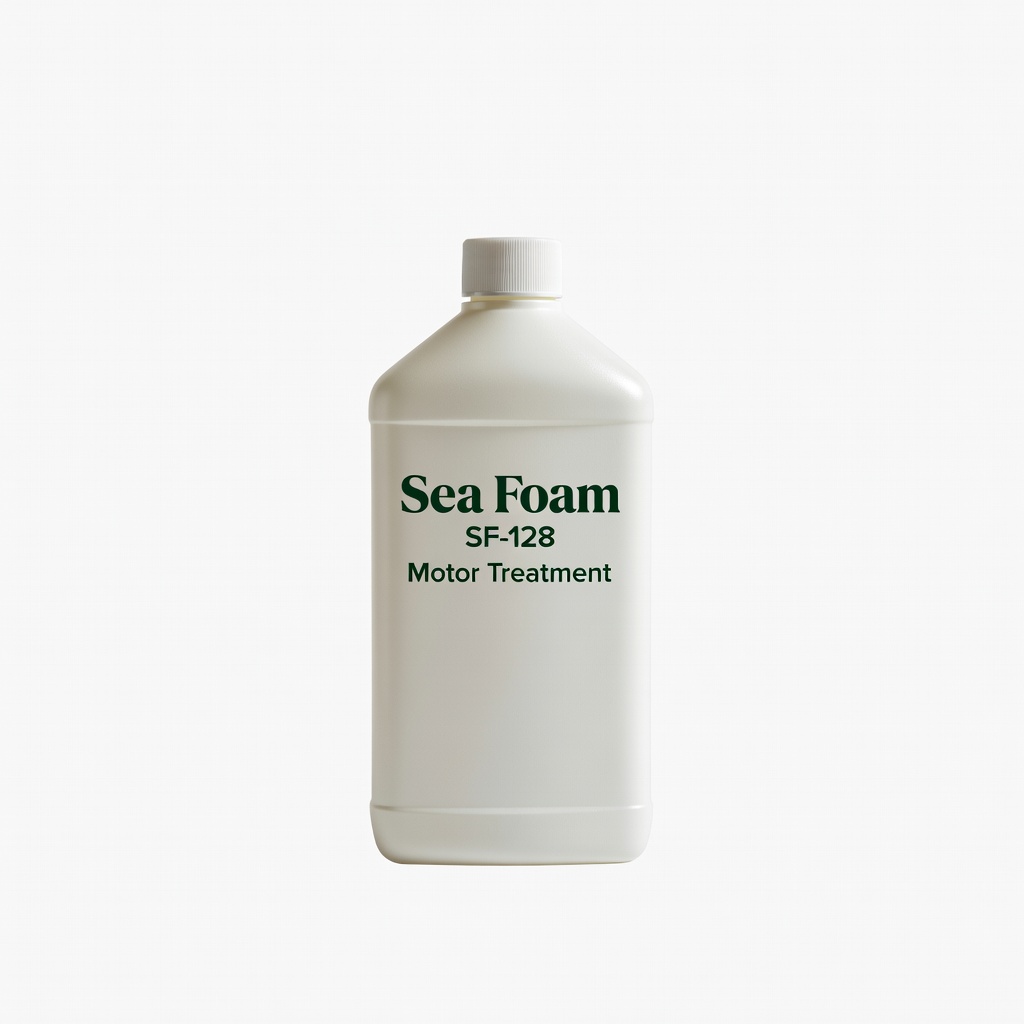
Sludgy engines or maintenance boosts every 3k miles.
Sea Foam SF-128 Motor Treatment Cleans injectors, pistons, and oil passages without harming seals.
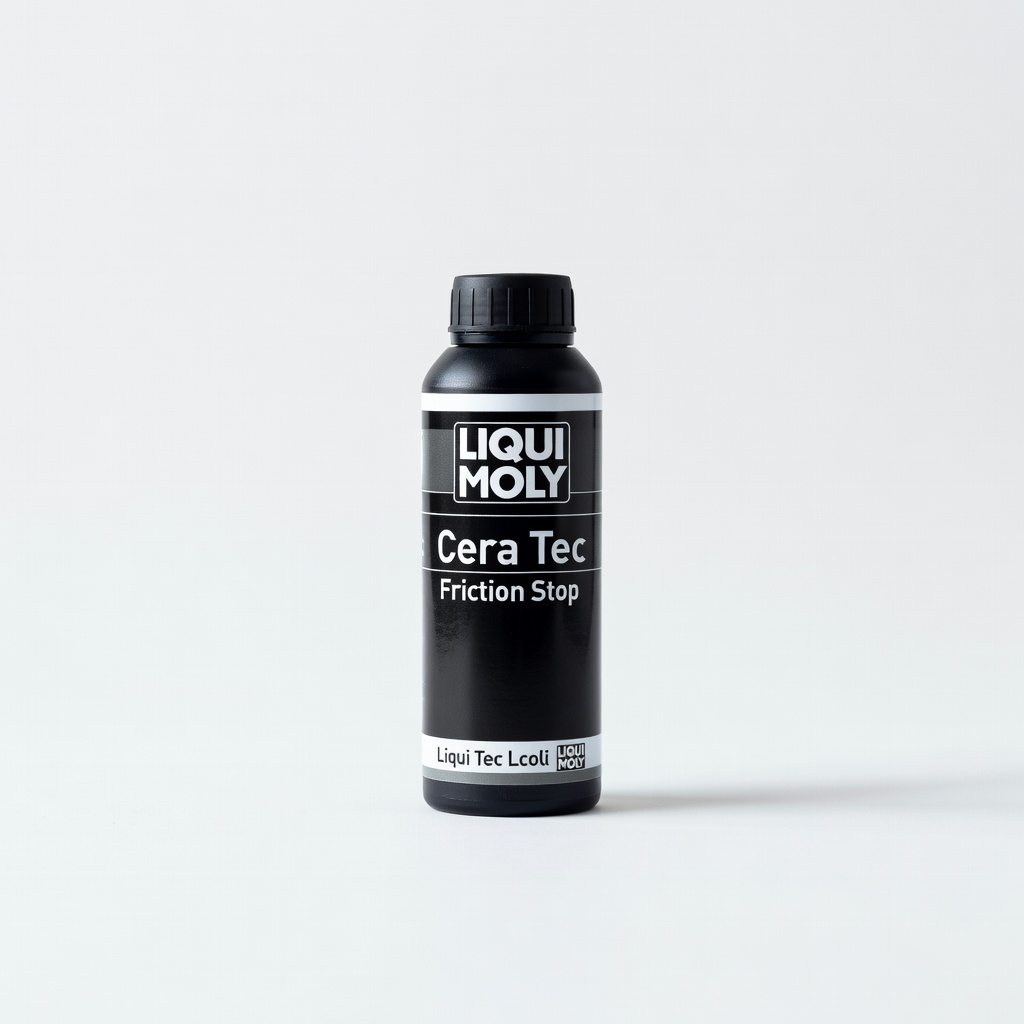
Performance tuning or racing engines for max power retention.
Liqui Moly Cera Tec Friction Stop Ceramic nano-particles reduce wear by 30% in dyno tests; synthetic compatible.
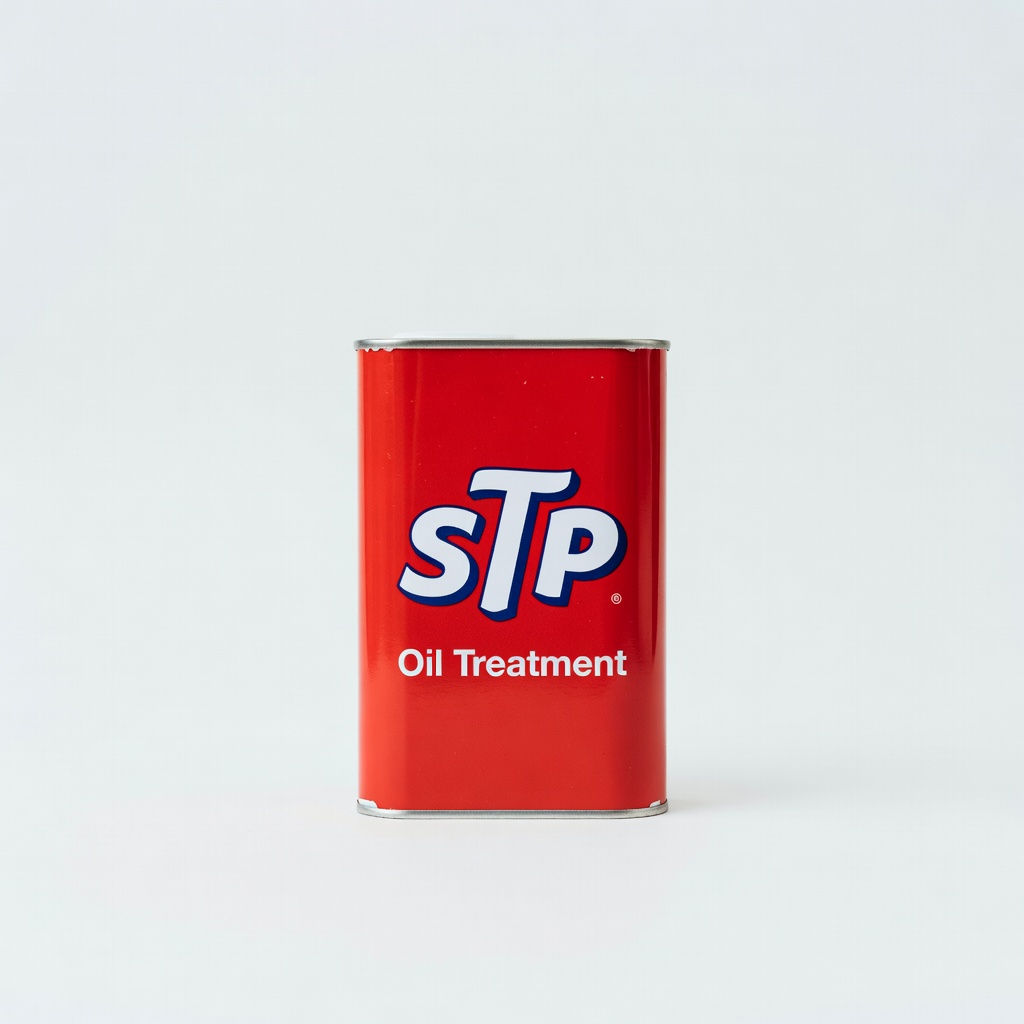
Daily drivers wanting simple MPG/performance bump.
STP Oil Treatment Budget-friendly friction modifier with anti-wear additives; quick results.