Struggling with skyrocketing gas prices and disappointing fuel economy? Many drivers overlook engine oil additives, which can reduce internal friction, clean deposits, and improve lubrication for noticeable mileage gains. Whether your car has 100k+ miles or just needs a tune-up, additives like friction modifiers offer a simple, cost-effective fix.
In this guide, you'll learn how to choose compatible additives, add them correctly during an oil top-up or change, and monitor results. The process is straightforward for intermediate DIYers familiar with basic engine maintenance—no full oil change required unless desired. Expect 20-30 minutes total, with improvements visible after 100-200 miles of driving.
We'll cover everything from safety checks to pro tips, ensuring you avoid pitfalls like overfilling or incompatibility that could harm your engine.
▸What You'll Need
- •Engine oil additive (friction reducer or stabilizer, compatible with your engine)
- •Funnel (long-neck plastic or metal, 4-6 inch spout)
- •Nitrile or latex gloves
- •Clean rags or paper towels
- •Vehicle owner's manual
- •Oil dipstick
- •Optional: Engine oil for top-up if low
- •Optional: Jack and jack stands for under-vehicle access (rarely needed)
Estimated Time: 20-30 minutes
Difficulty: intermediate
▸Step-by-Step Instructions
Step 1: Verify Compatibility with Your Vehicle
Start by consulting your owner's manual for oil specifications (e.g., 5W-30 synthetic) and any warnings on additives. Research your engine type—gasoline, diesel, high-mileage?—online or via manufacturer sites. Not all additives suit modern engines with variable valve timing; stick to reputable brands like Lucas or Archoil.
Why it matters: Incompatible additives can cause sludge, foaming, or warranty issues. Success looks like confirming 'yes' for your model (e.g., most Honda/Toyota accept friction modifiers).
Tip: Use forums like Reddit's r/MechanicAdvice for real-user experiences with your car model.
💡 Tips:
- •Cross-reference with additive label claims.
⚠️ Warnings:
- •Avoid 'miracle' additives promising 20%+ MPG gains—they're often scams.
Step 2: Check Current Oil Level and Condition
Park on level ground, engine off and cool. Pull the dipstick, wipe clean, reinsert, and check level—should be between marks. Inspect oil color: black/sludgy means change first; additives work best on decent oil.
Top up with fresh oil if low (half-quart max). Why? Additives dilute in low oil, reducing effectiveness; overfull oil causes foaming. Success: Oil at full mark, no metal shavings.
Let engine sit 5 minutes post-check for accurate reading.
💡 Tips:
- •Take 'before' mileage photo for tracking.
⚠️ Warnings:
- •Never add to severely low oil—fix leaks first.
Step 3: Warm Up the Engine
Drive 10-15 minutes or idle until oil is warm (thinner for better mixing). Park safely, turn off engine, and wait 2-5 minutes to avoid burns.
Why it matters: Warm oil circulates additives evenly, maximizing contact with internals. Expect slight ticking quieting post-warmup. This preps for optimal blending without shocking cold components.
💡 Tips:
- •Use an OBD2 scanner for oil temp if available (aim 180-220°F).
Step 4: Prepare the Addition Area
Pop the hood, prop securely. Locate oil filler cap (yellow/black twist-off on valve cover). Clean around cap with rag to prevent dirt ingress. Wear gloves.
Why? Contaminants worsen sludge. Success: Sparkling clean cap area, funnel ready nearby.
💡 Tips:
- •Work in well-lit garage; use flashlight for tight engines.
⚠️ Warnings:
- •Hot parts burn—use rag as insulator.
Step 5: Add the Oil Additive
Shake bottle well. Remove cap slowly (pressure release). Insert funnel, pour exact dose per label (e.g., one 16oz bottle per 4-6 quarts oil). Go slow to avoid spills.
Why? Precise dosing prevents imbalance. Expect bubbly mix initially. Replace cap tightly.
Pro note: Add during oil change for best results, but top-up works fine.
💡 Tips:
- •Measure with syringe for partial bottles.
⚠️ Warnings:
- •Don't exceed dose—can thicken oil too much, straining pump.
Step 6: Run and Circulate the Additive
Start engine, idle 5-10 minutes (or per label). Rev gently to 2000 RPM briefly for circulation. Shut off, wait 5 minutes, recheck dipstick level.
Why? Ensures even distribution. Success: Smooth idle, no smoke, level stable or slightly up.
💡 Tips:
- •Listen for changes—quieter valvetrain indicates friction reduction.
⚠️ Warnings:
- •Blue smoke? Stop immediately, wrong additive.
Step 7: Test Drive and Monitor Results
Drive normally 100+ miles. Track MPG via app/tank math. Recheck oil weekly first month.
Why? Real-world validation. Expect 1-3 MPG gain in 1-2 tanks if effective. Log symptoms.
Continue monthly or per oil change for sustained benefits.
💡 Tips:
- •Reset trip odometer pre-drive.
⚠️ Warnings:
- •No gain after 500 miles? Drain and flush.
▸Pro Tips
- •Add during every other oil change for cumulative cleaning.
- •Combine with fuel additives for 5%+ total MPG boost.
- •Use synthetic oil base for best additive synergy.
- •Track via fuelly.com app for precise before/after data.
- •Winter tip: Warm additive bottle in hot water first.
- •For diesels, prioritize cetane-boosting additives too.
- •Budget saver: Buy bulk bottles for multiple vehicles.
▸Common Mistakes to Avoid
- •Overdosing: Thickens oil, drops pressure—measure precisely.
- •Adding to cold oil: Poor mixing leads to uneven wear—always warm up.
- •Ignoring compatibility: Damages seals in Euro cars—read manual.
- •Expecting instant MPG: Takes 200+ miles—be patient.
- •Skipping level checks: Foaming causes bearing failure.
▸Troubleshooting
Problem: Oil level rises too high or foams
Solution: Drive 50 miles to burn off excess; if persists, drain partial oil. Avoid future overfill.
Problem: No MPG improvement after 300 miles
Solution: Underlying issue like dirty filter—check [How to Change Air Filter]. Switch additive brand.
Problem: Engine noise increases or smoke
Solution: Flush with engine cleaner additive, change oil. Seek mechanic if damage suspected.
Problem: Leaks appear post-add
Solution: Wipe clean, monitor. Additives soften seals temporarily—tighten fittings.
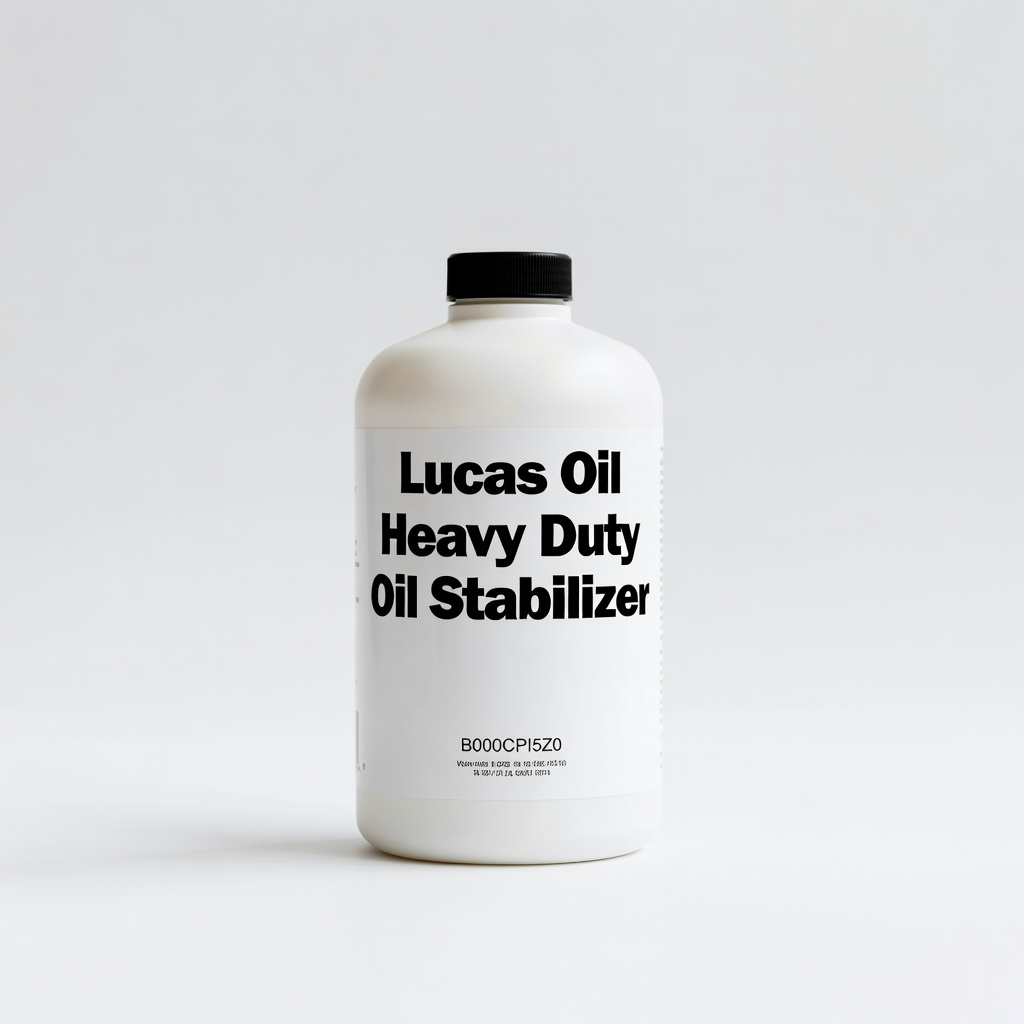
Lucas Oil Heavy Duty Oil Stabilizer (ASIN: B000CPI5Z0)
Reduces friction by 20-40%, quiets noisy engines, proven 2-4 MPG gains in tests.
Best for: High-mileage gas engines (100k+ miles) needing stabilization.
Price Range: $10-$15
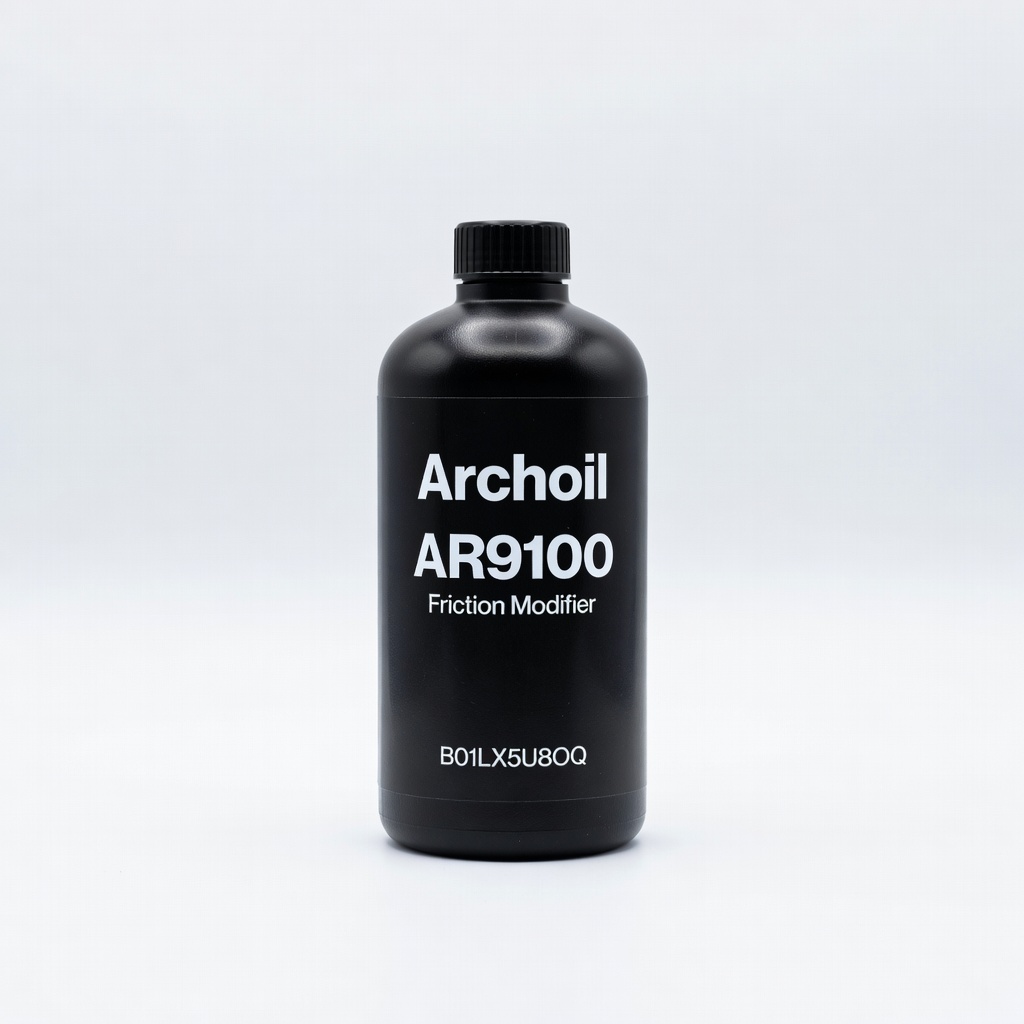
Archoil AR9100 Friction Modifier (ASIN: B01LX5U8OQ)
Nanoborate tech cuts wear 50%, cleans injectors for optimal combustion and MPG.
Best for: Modern synthetics in sedans/SUVs seeking max efficiency.
Price Range: $25-$35
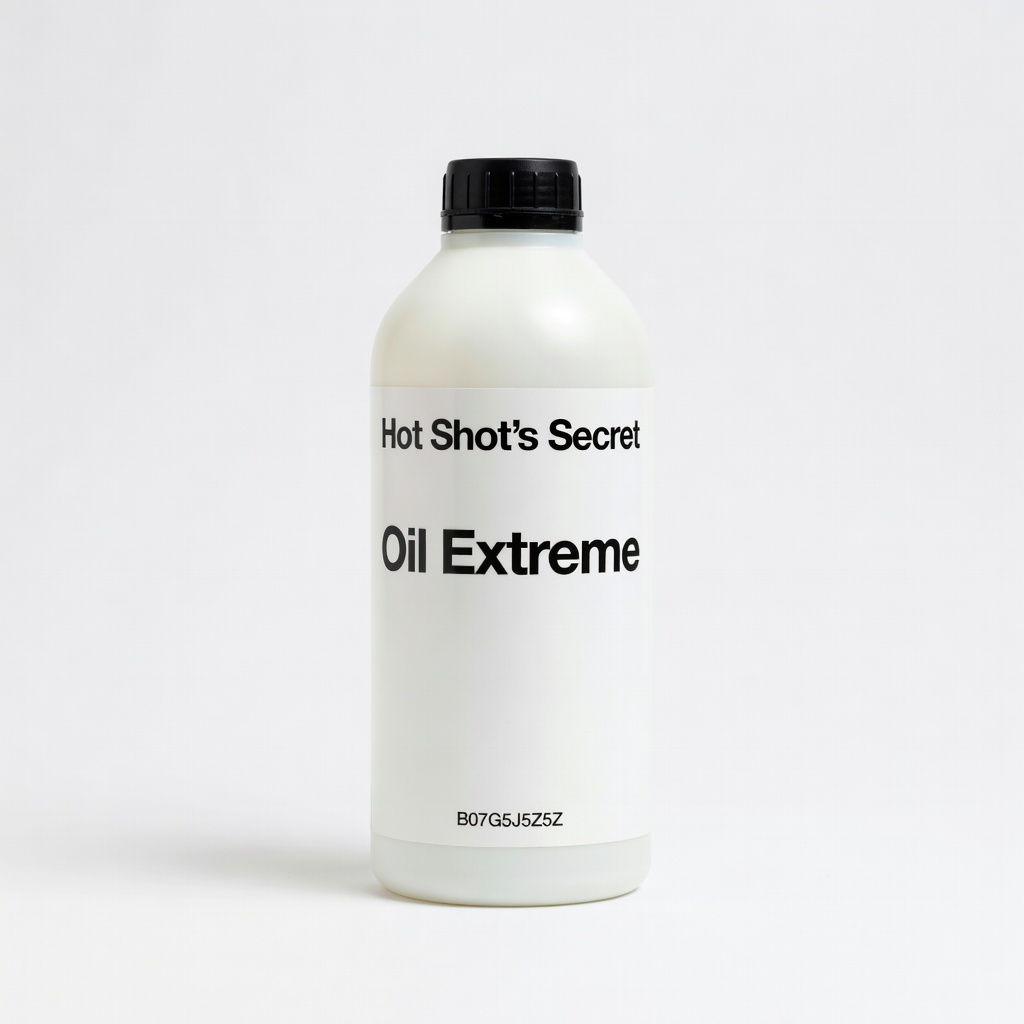
Hot Shot's Secret Oil Extreme (ASIN: B07G5J5Z5Z)
Eliminates varnish/oxidation, boosts lubricity for 1-3 MPG in fleet tests.
Best for: Diesel or turbo engines under heavy load.
Price Range: $20-$30
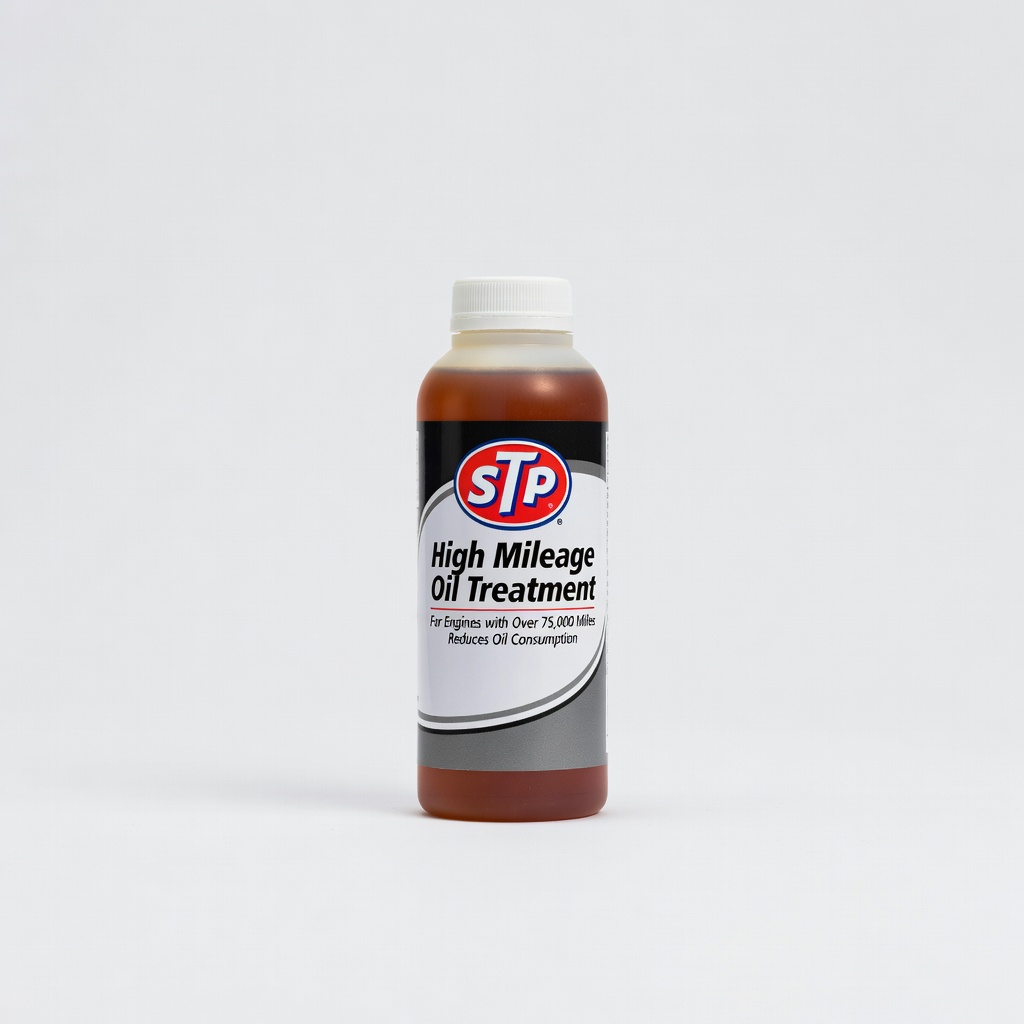
STP High Mileage Oil Treatment (ASIN: B000M5EJY4)
Affordable regenerator for seals, reduces leaks contributing to poor MPG.
Best for: Budget fix for older vehicles.
Price Range: $4-$7