
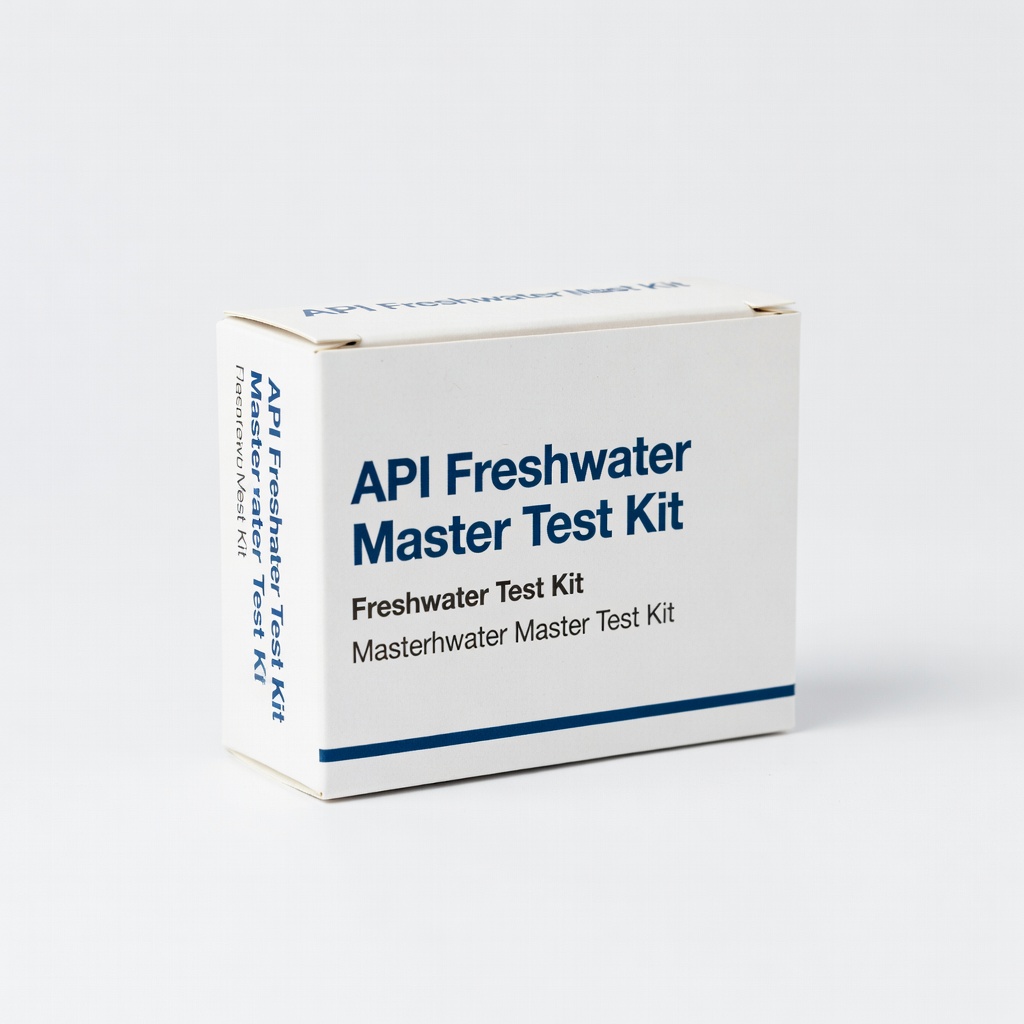
API Freshwater Master Test Kit
Use before and after adding fish to monitor pH, ammonia, and nitrite levels.
$25-35
API Freshwater Master Test Kit Essential for accurate water parameter testing to ensure safe acclimation without guesswork.
Get the App
Better experience on mobile
Master the gentle introduction process to keep your new fish healthy, stress-free, and thriving in their new home without shocking their system.
Bringing home new fish is exciting, but one common mistake beginners make is dumping them straight into the tank. This can cause temperature shock, pH imbalances, or even introduce diseases, leading to stressed or dying fish. Proper acclimation helps your aquatic pets adjust gradually to your aquarium's conditions, boosting their survival rate and long-term health.
In this guide, you'll learn a simple, step-by-step method to acclimate fish safely, whether they're from a pet store bag or a breeder. We'll cover the floating and drip acclimation techniques, which are beginner-friendly and take about 45-60 minutes. No advanced equipment needed—just patience and care. By the end, your fish will swim happily, and you'll avoid costly setbacks like fish loss.
This process is straightforward for novices, but always monitor your tank's water parameters first. Expect visible signs of success, like active swimming once introduced.
Estimated Time: 45-60 minutes Difficulty: beginner
Before adding new fish, ensure your tank is ready. Test the water parameters using a kit to confirm temperature (75-82°F for most tropical fish), pH (6.5-7.5), ammonia (0 ppm), and nitrite (0 ppm). This prevents shocking the fish with mismatched conditions.
Why it matters: New fish are sensitive; sudden changes can stress their osmoregulation. Turn off aquarium lights and filters to reduce stress during transfer. What to expect: Stable readings mean you're good to go; if not, wait or adjust (e.g., add conditioner).
Float a small cup of tank water in the bag briefly to preview compatibility.
💡 Tips:
⚠️ Warnings:
Place the unopened bag containing your new fish on the water surface inside the aquarium. Ensure it's floating and not sinking. Secure it if needed with a clip or by folding the top.
This step equalizes temperature between the bag water (often cooler from the store) and your tank. Why it matters: A 5-10°F difference can cause shock, leading to illness. Let it float for 15-20 minutes. What to expect: The bag water should match tank temp; fish may look calm or slightly active.
Avoid direct sunlight to prevent algae growth in the bag.
💡 Tips:
⚠️ Warnings:
After floating, carefully cut open the bag with scissors, ideally at the top to avoid spilling. Gently roll down the edges to increase air exposure without letting fish jump out.
Now, add about 1/2 cup of aquarium water to the bag every 5 minutes for 15 minutes. This dilutes the bag water gradually, acclimating fish to your tank's chemistry (pH, salinity). Why it matters: Store water often has different parameters; abrupt mixing stresses gills. What to expect: Water volume in bag doubles; fish may swim more as they adjust.
Stir gently if needed, but don't shake.
💡 Tips:
⚠️ Warnings:
For better results, transfer the bag contents to a clean bucket. Set up airline tubing: tie a knot to create a slow drip (1-2 drops per second) from the tank to the bucket via siphon or air pump.
Continue until the bucket water volume doubles the original bag amount (about 20-30 minutes). Why it matters: This slow method matches parameters precisely, reducing osmotic shock. What to expect: Clearer water in bucket; fish becoming more active and responsive.
Adjust drip speed if too fast—aim for gradual change.
💡 Tips:
⚠️ Warnings:
Once acclimated, use a soft net to gently scoop the fish from the bucket, avoiding the water. Dip the net briefly in tank water to rinse if needed.
Why it matters: This discards old water, preventing disease introduction. Place fish directly into the aquarium. What to expect: Fish swims away quickly if healthy; monitor for 15 minutes post-transfer.
Turn lights back on dimly at first.
💡 Tips:
⚠️ Warnings:
Restart your filter and observe the fish for 30 minutes. Look for normal swimming, feeding interest, and no gasping.
Dispose of bag/bucket water down the drain with dechlorinator if needed—never into the tank. Why it matters: Post-acclimation monitoring catches issues early. What to expect: Settled fish integrating with tank mates.
Quarantine new fish in a separate tank for 2-4 weeks if possible for safety.
💡 Tips:
⚠️ Warnings:
Problem: Fish gasping or lethargic after transfer
Solution: Check oxygen levels—increase aeration with an air stone. Add stress coat conditioner and monitor parameters; if persists beyond 1 hour, consider vet.
Problem: White spots or flashing behavior
Solution: Likely ich from stress; treat with aquarium salt (1 tsp/gallon) or medication like Ich-X. Isolate if possible and improve water quality.
Problem: Temperature won't equalize
Solution: Warm the bag gently with a hairdryer on low (from below) or move to warmer spot. Retest after 10 minutes; seek pro help if tank heater is faulty.
Problem: Drip too fast or slow
Solution: Adjust knot or add air pump valve for control. Aim for doubling volume in 30 minutes; restart if needed.
Essential for accurate water parameter testing to ensure safe acclimation without guesswork.
Best for: Use before and after adding fish to monitor pH, ammonia, and nitrite levels.
Price Range: $25-35
Removes chlorine and detoxifies heavy metals, making tank water safer during gradual additions.
Best for: Add a few drops to bucket water if store transport used tap water.
Price Range: $10-20
Precise, easy-to-read temp monitoring prevents shock by confirming equalization.
Best for: Attach to tank and insert probe in bag for real-time checks.
Price Range: $10-15
Gentle on fins, reduces injury during transfer compared to metal nets.
Best for: For netting delicate new fish from bucket to tank.
Price Range: $5-10
Advanced tool for drip-free acclimation in small spaces, ideal for beginners with multiple fish.
Best for: Hang in tank for isolated dripping if tubing setup is tricky.
Price Range: $15-25
Use before and after adding fish to monitor pH, ammonia, and nitrite levels.
API Freshwater Master Test Kit Essential for accurate water parameter testing to ensure safe acclimation without guesswork.
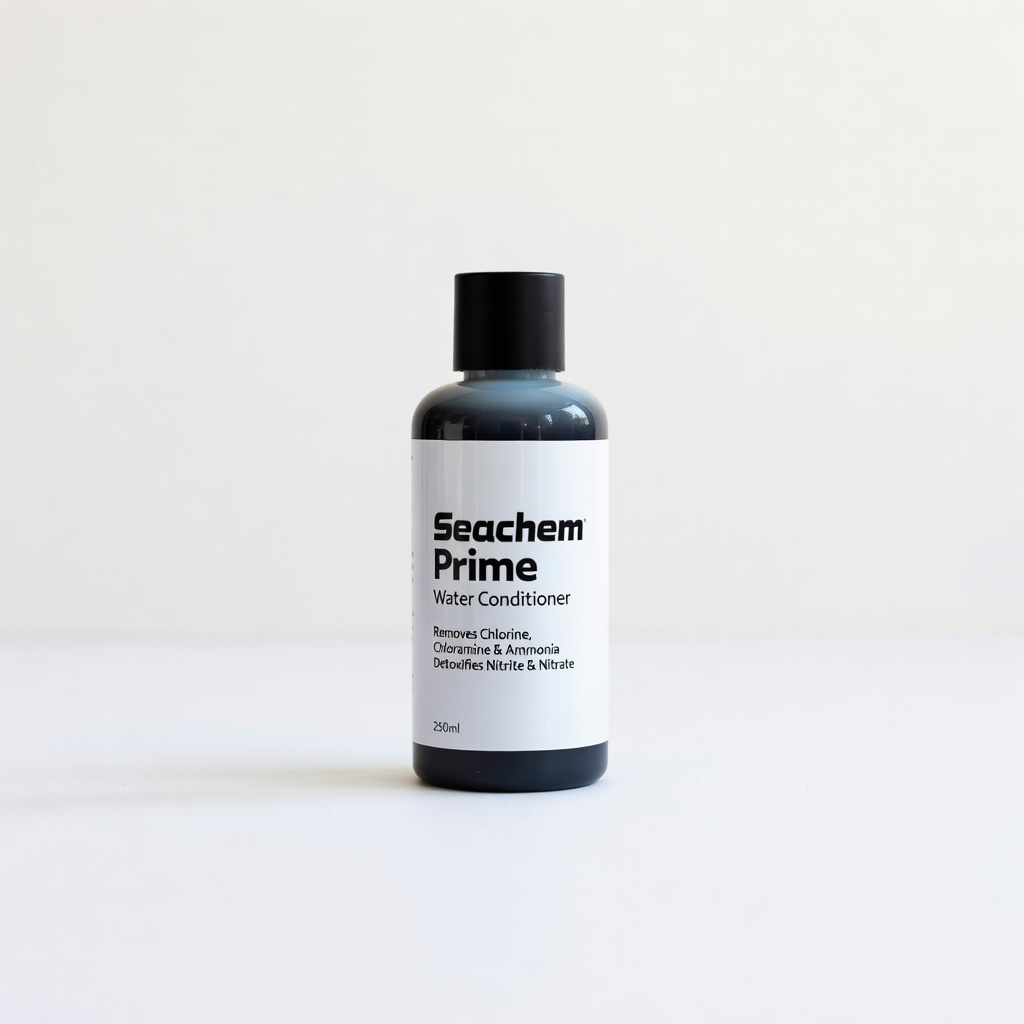
Add a few drops to bucket water if store transport used tap water.
Seachem Prime Water Conditioner Removes chlorine and detoxifies heavy metals, making tank water safer during gradual additions.
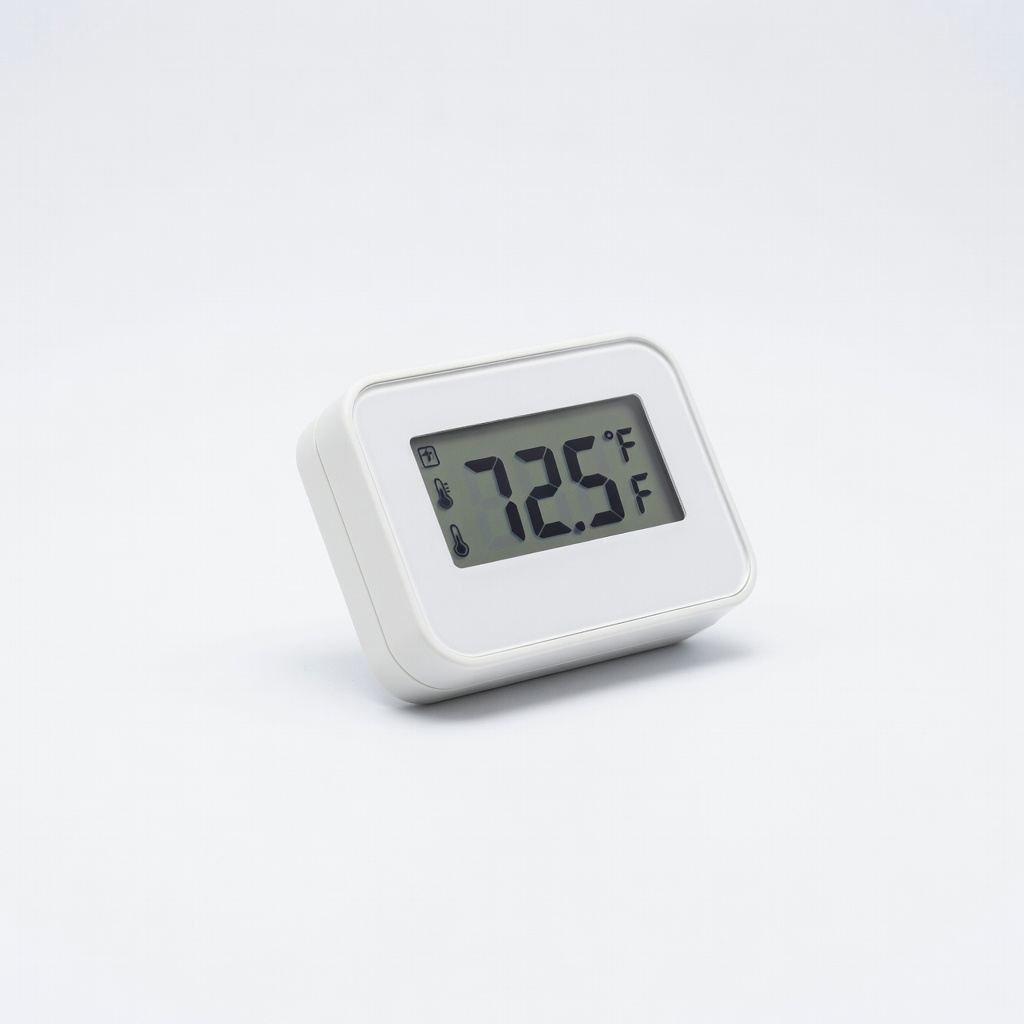
Attach to tank and insert probe in bag for real-time checks.
Marina Digital Aquarium Thermometer Precise, easy-to-read temp monitoring prevents shock by confirming equalization.
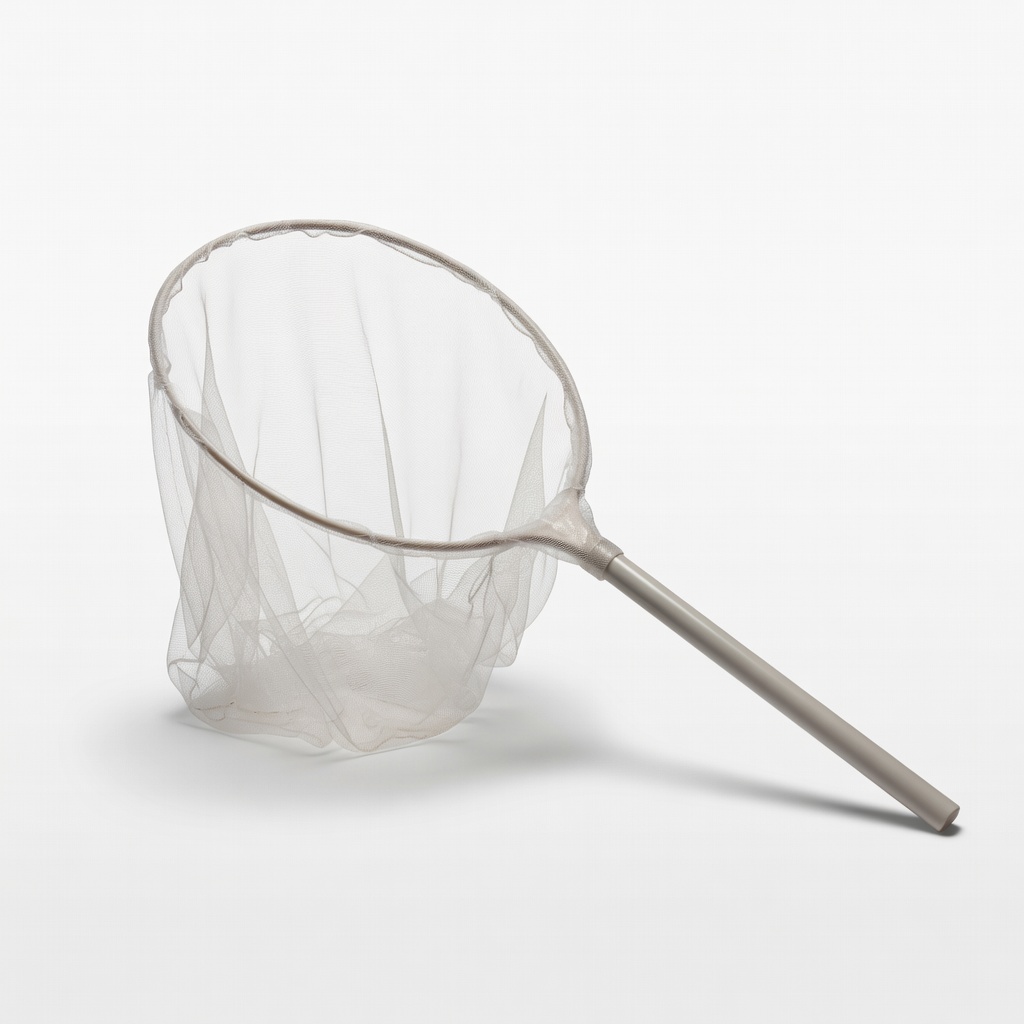
For netting delicate new fish from bucket to tank.
Aqueon Soft Mesh Fish Net Gentle on fins, reduces injury during transfer compared to metal nets.
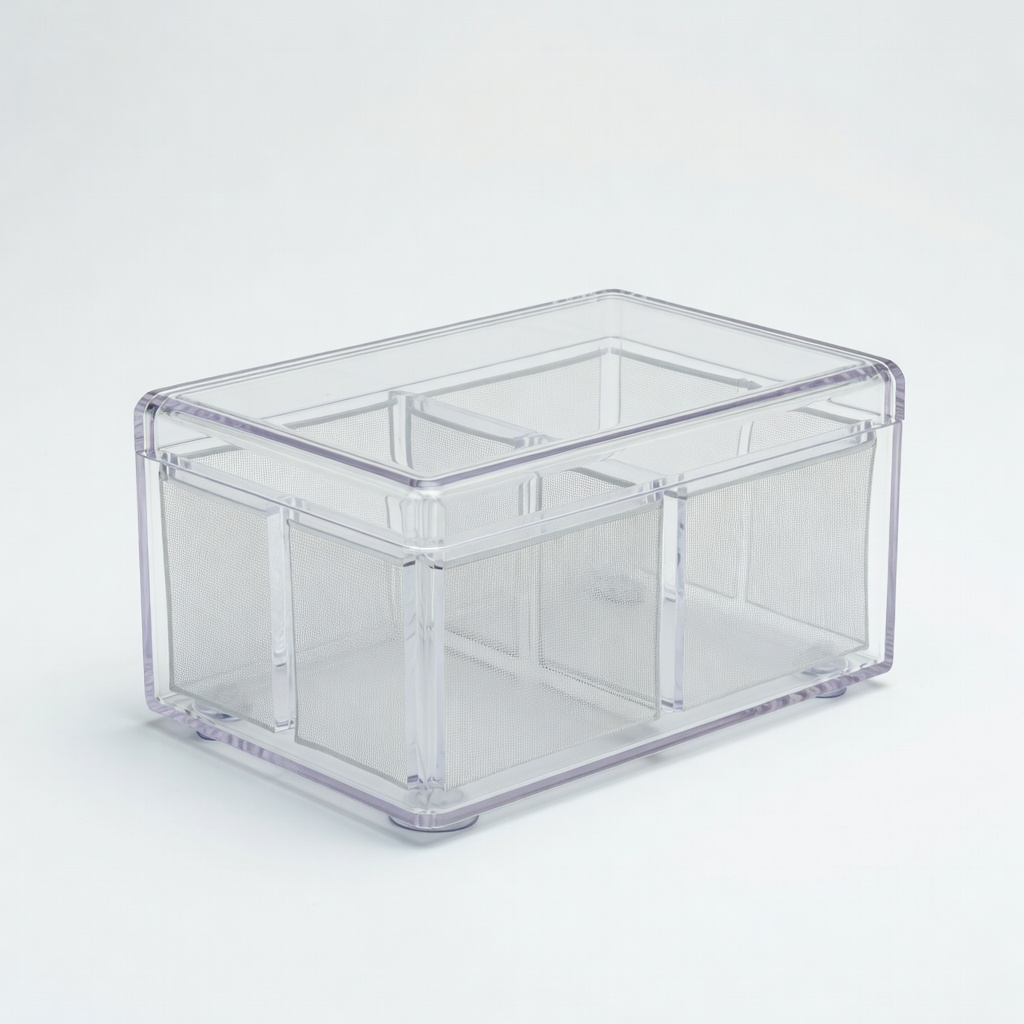
Hang in tank for isolated dripping if tubing setup is tricky.
Fluval Acclimation Box Advanced tool for drip-free acclimation in small spaces, ideal for beginners with multiple fish.