
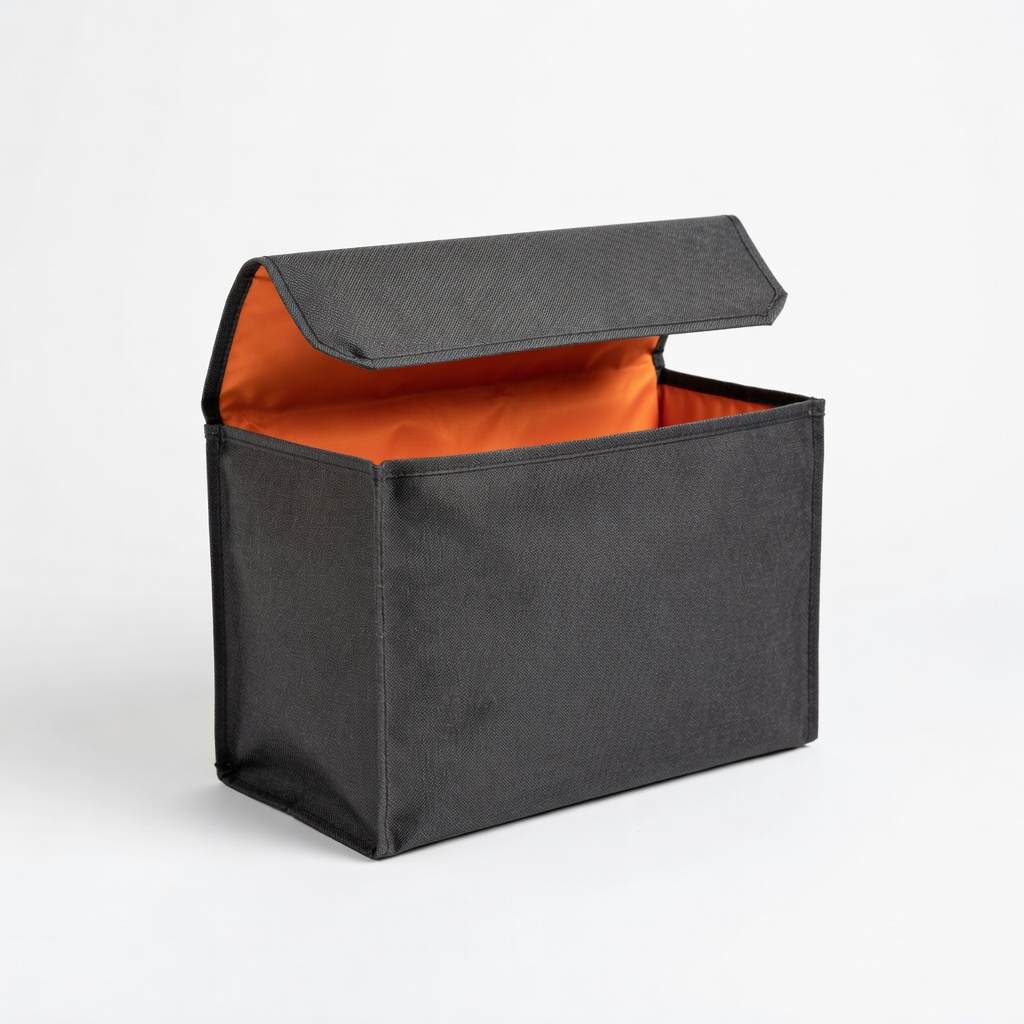
Zeee Fireproof Lipo Bag (Large 8.3"x6.7")
Individual battery isolation during long-term storage.
$12.99
Zeee Fireproof Lipo Bag (Large 8.3"x6.7") Contains potential fires from Li-ion failure, essential for safe storage.
Get the App
Better experience on mobile
Master best practices to extend battery life, prevent fires, and ensure safe long-term storage of your 5V USB power banks.
Storing 5V USB batteries (like portable power banks) incorrectly can lead to reduced capacity, swelling, or even fire risks from lithium-ion degradation. Whether you're prepping for off-season use or decluttering gadgets, poor storage shortens lifespan and poses safety hazards—common issues for hikers, travelers, and tech enthusiasts.
In this guide, you'll learn proven best practices to store them safely, from optimal charge levels to ideal environments. Expect to spend 15-20 minutes assessing and setting up storage, with intermediate knowledge of batteries assumed (e.g., understanding Li-ion chemistry basics).
We'll break it down into actionable steps, tips, and tools to keep your batteries at peak performance for years.
Estimated Time: 15-20 minutes Difficulty: intermediate
Before storing, inspect each 5V USB battery for physical damage like dents, swelling, or leaks. Use a multimeter to check voltage—fully charged Li-ion cells read ~4.2V per cell (typically 3.7V nominal for 5V output packs).
Why it matters: Damaged batteries can degrade faster or pose fire risks during storage. Expect healthy ones to hold steady voltage; discard or recycle any below 3.0V per cell or showing pouch bulging.
Image description: Close-up of a multimeter probing a power bank USB port, with voltage reading displayed.
💡 Tips:
⚠️ Warnings:
Discharge or top up batteries to 40-60% capacity (around 3.8-3.9V per cell). Avoid full charge (100%) or deep discharge (0%), as both accelerate chemical degradation.
Analogy: Think of it like Goldilocks—not too hot, not too cold. Full charge stresses the anode; zero charge allows copper dissolution. Use your device's app or LED indicators to gauge; confirm with multimeter.
This prevents capacity loss over months—expect 80-90% retention after 6 months.
💡 Tips:
⚠️ Warnings:
Wipe exteriors with a microfiber cloth and isopropyl alcohol (90%+). Ensure ports are dust-free and completely dry. Remove any cables or cases that trap moisture.
Moisture promotes corrosion; dirt insulates heat. Dry fully (air dry 30 mins) to mimic ideal low-humidity conditions.
💡 Tips:
Store at 15-25°C (59-77°F) in a dark, dry spot away from direct sunlight, heaters, or humidity >60%. Avoid garages, attics, or cars where temps fluctuate.
Why? Extreme heat (>35°C) speeds self-discharge and dendrite growth; cold (<0°C) can crack cases. Analogy: Like wine cellars—cool, stable, consistent.
Pro tip: Basement shelves or closets work well.
⚠️ Warnings:
Place each battery in a fireproof bag or padded divider in a plastic bin. Prevent metal-to-metal contact (e.g., no loose coins) to avoid shorts.
Fireproof bags contain potential thermal runaway. Stack loosely; add silica packets for humidity.
💡 Tips:
Mark each with storage date, charge %, and model. Group by size/type.
Tracks age—Li-ion self-discharges 2-5%/month; check every 3-6 months.
💡 Tips:
Every 3 months, verify voltage hasn't dropped below 3.6V; top up if needed. Inspect for swelling.
Prevents surprise failures. Repeats the process from Step 1.
⚠️ Warnings:
Problem: Battery swells during storage
Solution: Stop using immediately; place in fireproof container outdoors and recycle at e-waste center. Do not puncture.
Problem: Voltage drops too fast (>10%/month)
Solution: Battery is faulty—test individual cells if modular; replace. Improve temp/humidity control.
Problem: No power on retrieval
Solution: Trickle charge at 0.5C rate (e.g., 0.5A for 1000mAh); if fails after 24h, dispose.
Problem: Overheating in storage
Solution: Relocate to cooler area; inspect for shorts. Seek pro if recurs.
Contains potential fires from Li-ion failure, essential for safe storage.
Best for: Individual battery isolation during long-term storage.
Price Range: $12.99
Accurate voltage checks ensure optimal 40-60% storage charge.
Best for: Periodic health assessments for intermediate users.
Price Range: $12.99
Maintains low humidity (<50%) to prevent corrosion in storage bins.
Best for: Enclosed spaces like closets or boxes.
Price Range: $18.99
Absorbs moisture affordably for any storage setup.
Best for: Add to bags/bins for humidity spikes.
Price Range: $10.99
Organizes smaller 5V batteries safely with dividers.
Best for: Multiple small power banks; budget option.
Price Range: $9.99
Individual battery isolation during long-term storage.
Zeee Fireproof Lipo Bag (Large 8.3"x6.7") Contains potential fires from Li-ion failure, essential for safe storage.
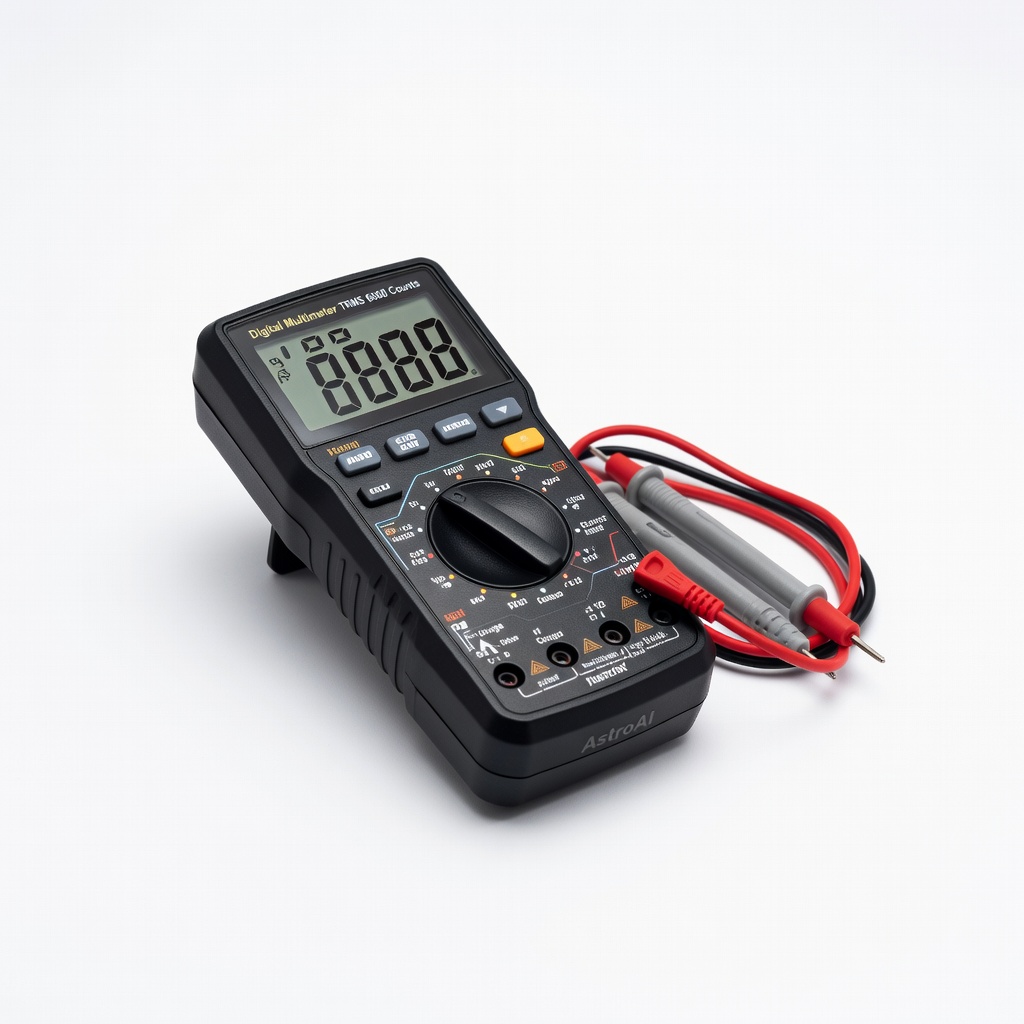
Periodic health assessments for intermediate users.
AstroAI Digital Multimeter TRMS 6000 Counts Accurate voltage checks ensure optimal 40-60% storage charge.
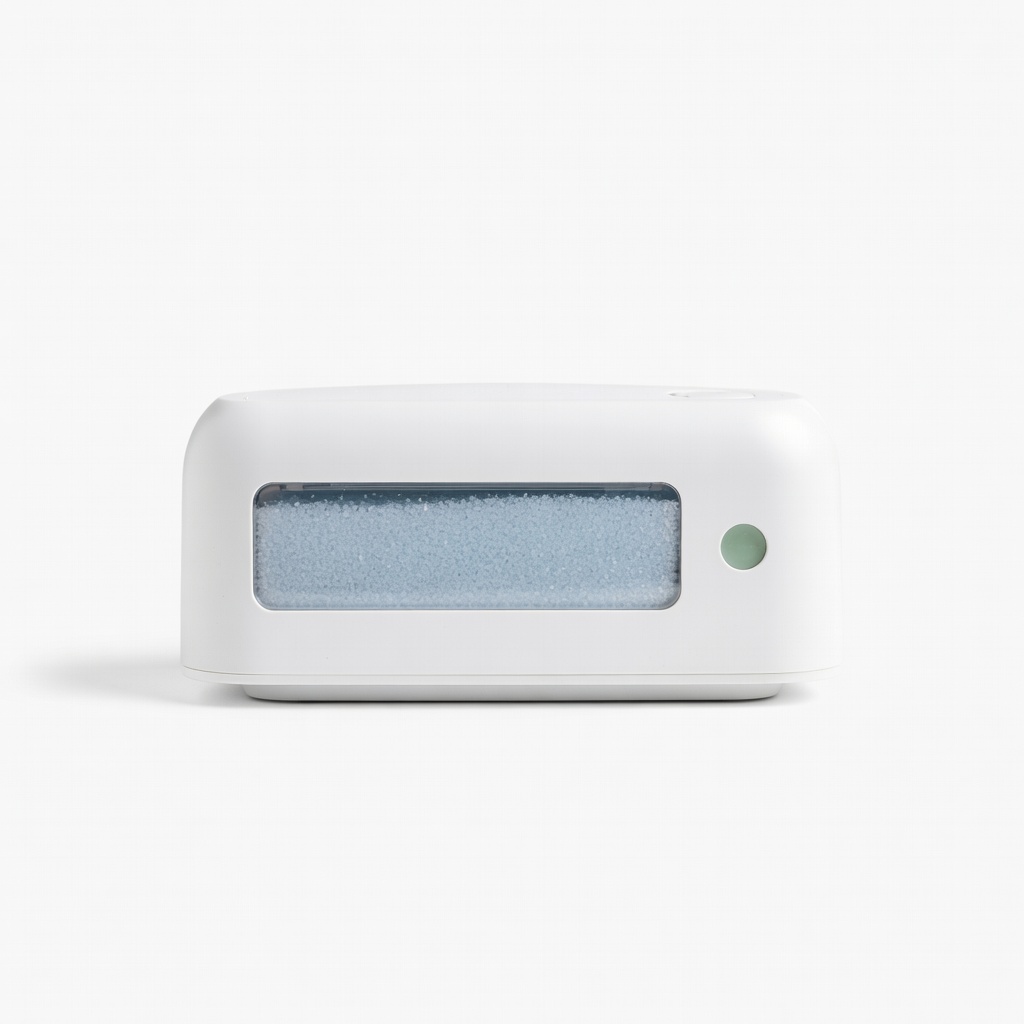
Enclosed spaces like closets or boxes.
Eva-Dry Wireless Mini Dehumidifier (EDV-1100) Maintains low humidity (<50%) to prevent corrosion in storage bins.
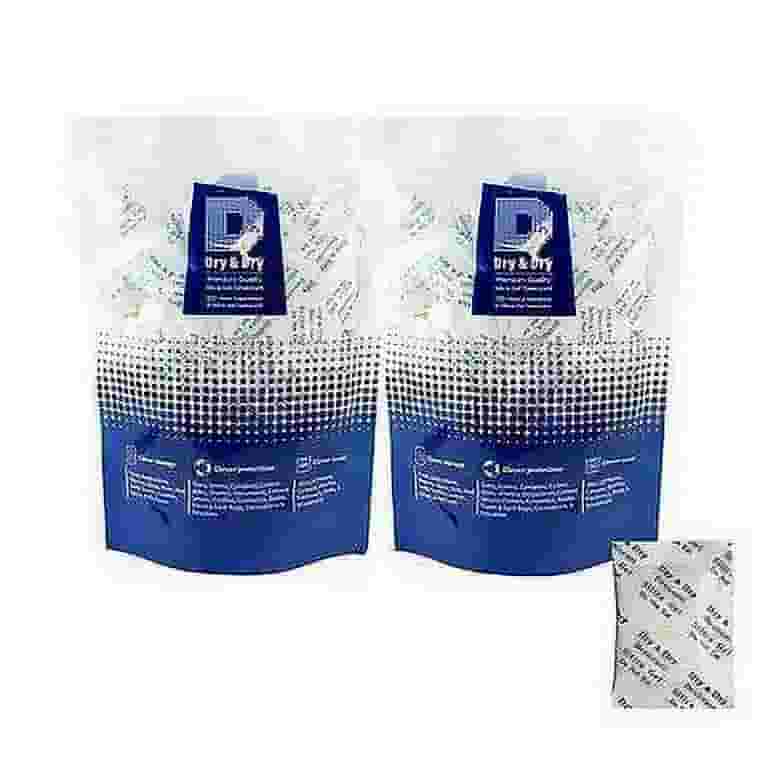
Add to bags/bins for humidity spikes.
Dry-Packs 5 Gram Silica Gel Packets (100 Pack) Absorbs moisture affordably for any storage setup.

Multiple small power banks; budget option.
Portooth Battery Organizer Storage Case (72 Slots) Organizes smaller 5V batteries safely with dividers.