If your acoustic guitar sounds muddy or lacks sparkle, the strings might be the culprit. Phosphor bronze strings are a favorite for their warm yet projecting tone, but selecting the right ones unlocks true brightness without sacrificing durability. Intermediate players often overlook how alloy blends, gauge, and coatings influence clarity and attack.
In this guide, you'll discover what makes phosphor bronze ideal for bright tones, break down selection factors, and get recommendations for the best sets. By the end, you'll know how to choose and install strings that make your guitar sing with crisp highs and balanced warmth. Expect 15-20 minutes to read and apply these insights—no advanced luthier skills needed.
▸What You'll Need
- •Acoustic guitar (steel-string)
- •String winder and clippers (optional but recommended for changes)
- •Electronic tuner
- •Basic knowledge of guitar setup and string gauges (intermediate level)
Estimated Time: 15-20 minutes
Difficulty: intermediate
▸Step-by-Step Instructions
Step 1: Understand Phosphor Bronze Composition
Phosphor bronze is an alloy of 92% copper, 8% tin, and a trace of phosphorus (about 0.5-1%). The phosphorus strengthens the metal and resists corrosion, while the tin adds resilience for longer life.
Unlike 80/20 bronze (brighter but shorter-lasting), phosphor bronze offers a balanced tone: warm mids, controlled bass, and clear highs. For brightness, the alloy's density provides quick response and projection. Expect a 'bell-like' attack that cuts through in strumming or fingerpicking.
Analogy: Think of it as a seasoned chef's sauce—richer than plain bronze but with sparkling top notes.
💡 Tips:
- •Compare to your current strings by noting material on the package.
Step 2: Define 'Bright' Acoustic Tone
Bright tone means crisp highs (2-5kHz range), fast attack, and good note separation—ideal for bluegrass, folk, or recording. Phosphor bronze isn't the brightest (that's 80/20), but premium sets emphasize treble sparkle via lighter gauges or silk underwinds.
Why it matters: Dull strings mute harmonics; bright ones enhance projection on stage. Test by playing open chords—bright sets ring longer with shimmer.
⚠️ Warnings:
- •Avoid confusing 'bright' with 'thin'—true brightness retains body.
Step 3: Evaluate Gauge for Brightness
Gauge (thickness) controls tension and tone. Lighter gauges (.011-.052 or .012-.053) vibrate more freely for brighter highs; heavier (.013-.056) add warmth but can dull sparkle.
For bright phosphor bronze, start with lights or customs. Expect easier playability and faster break-in (1-2 hours). Heavier suits dreadnoughts for volume.
💡 Tips:
- •Match your guitar: parlor guitars love lights for brightness.
Step 4: Assess Winding and Coating Types
Roundwound is standard for projection; flatwound dulls tone. Coatings like Nanoweb or XS preserve brightness longer by reducing oxidation.
Silk-and-steel (underwound B/G strings) adds subtle chime. Why matters: Uncoated strings brighten fast but die quicker; coated maintain tone 3-5x longer.
Step 5: Compare Top Brands for Bright Phosphor
Brands tweak alloys for tone: D'Addario for balanced clarity, Elixir for coated sustain, Martin for authentic projection. Focus on lights with thin cores for max brightness.
Playtest if possible—bright sets emphasize E and B string chime.
💡 Tips:
- •Read reviews for 'sparkle' or 'bell-like' descriptors.
Step 6: Install and Break-In New Strings
Remove old strings, clean fretboard, install new ones stretching 2-3 times per string. Tune to pitch, play aggressively 10-15 mins.
Expect initial brightness to settle; full tone in 24 hours. This confirms your choice.
⚠️ Warnings:
- •Don't overtighten—risk truss rod damage.
Step 7: Test and Fine-Tune Tone
Record open chords/melody lines pre/post-change. Adjust via setup (action, saddle) if needed. Bright tone shines in mids-highs without harshness.
▸Pro Tips
- •Choose .011-.052 lights for fingerstyle brightness on smaller bodies.
- •Buy coated for humid climates—preserves sparkle 4x longer.
- •Stretch strings diagonally while tuning to seat faster.
- •Mix gauges (hybrid lights) for custom brightness without floppiness.
- •Store extras in anti-corrosion bags; change every 1-3 months.
- •Pair with fresh setup for 20% tone boost.
- •Test in your playing style—strum vs. pick affects perceived brightness.
▸Common Mistakes to Avoid
- •Choosing heavy gauges for brightness: They warm up too much; opt for lights.
- •Ignoring guitar body size: Oversized strings dull small guitars.
- •Skipping break-in: Raw strings sound metallic; play them in.
- •Buying cheap generics: Inferior alloys lack true phosphor sparkle.
- •Not cleaning before install: Old gunk transfers, muting new tone.
▸Troubleshooting
Problem: Strings sound dull after a week
Solution: Switch to coated set or lighter gauge; check humidity.
Problem: High E buzzes or lacks chime
Solution: Ensure proper seating at nut/bridge; use fresh string.
Problem: Tone too tinny, not balanced
Solution: Try medium gauge or silk-and-steel; lower action.
Problem: Strings corrode fast
Solution: Go coated (Nanoweb/XS); wash hands before playing.
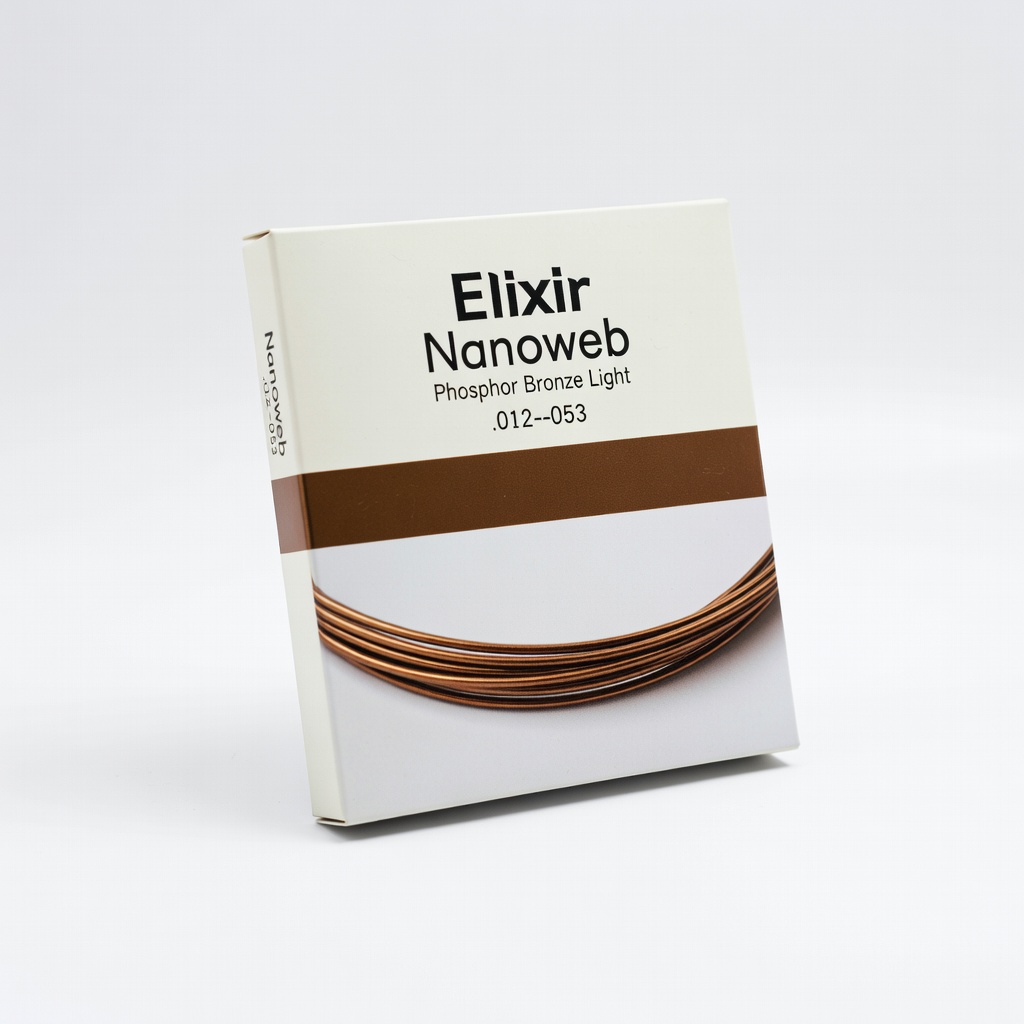
Elixir Nanoweb Phosphor Bronze Light .012-.053
Ultra-thin coating preserves bright attack and clarity 3-5x longer than uncoated.
Best for: Daily players wanting low-maintenance sparkle in fingerpicking or strumming.
Price Range: $15-$17
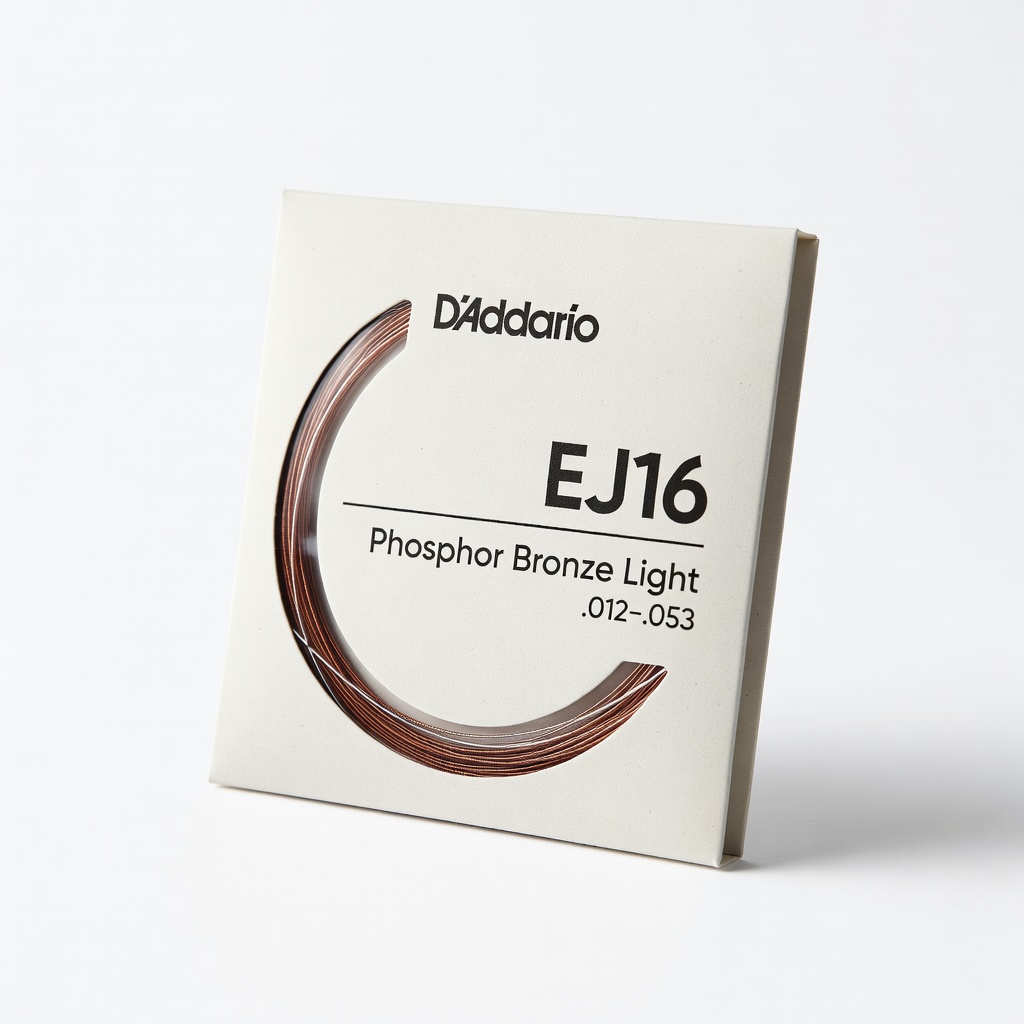
D'Addario EJ16 Phosphor Bronze Light
Affordable, responsive alloy with excellent treble projection and quick break-in.
Best for: Budget-conscious intermediates seeking pure phosphor brightness.
Price Range: $6-$8
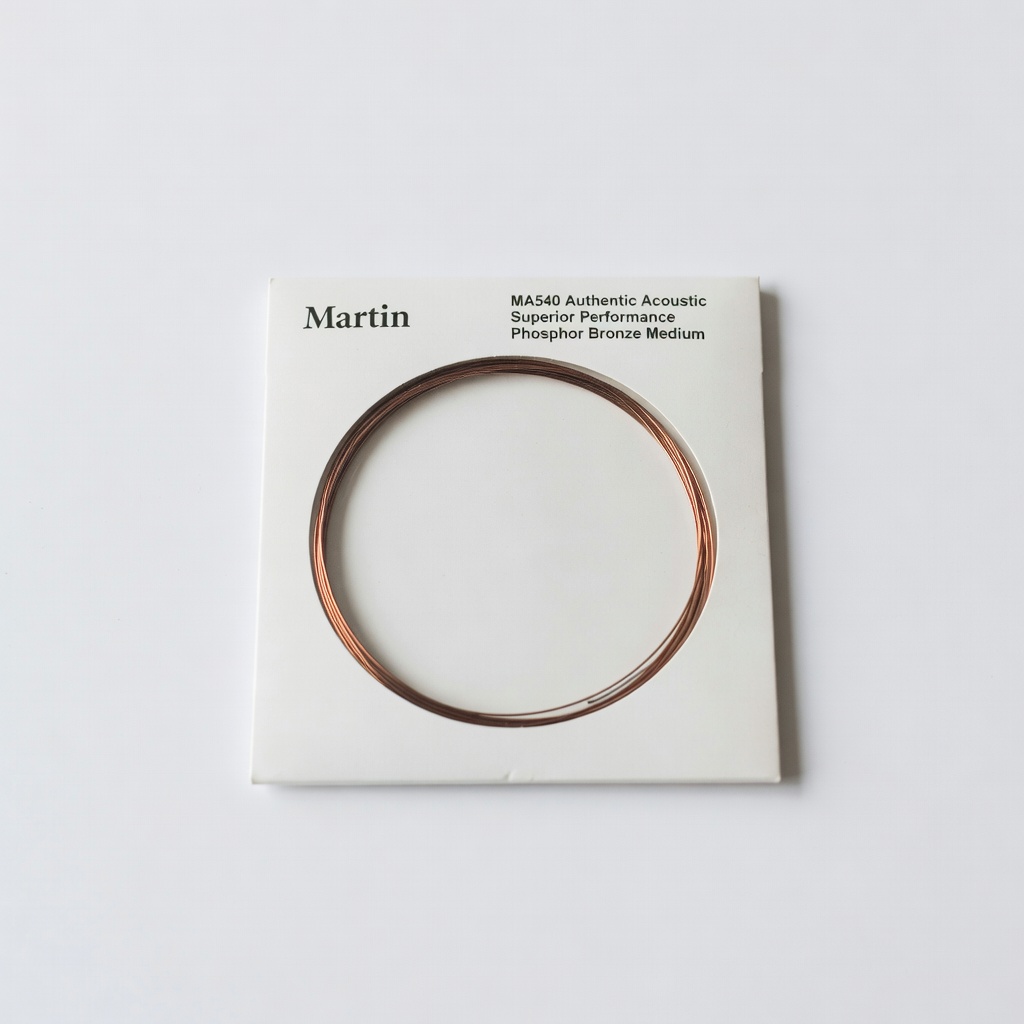
Martin MA540 Authentic Acoustic Superior Performance Phosphor Bronze Medium
Lifespan-treated for extended brightness and Martin-approved projection.
Best for: Martin owners or dreadnoughts needing stage-ready chime.
Price Range: $7-$9
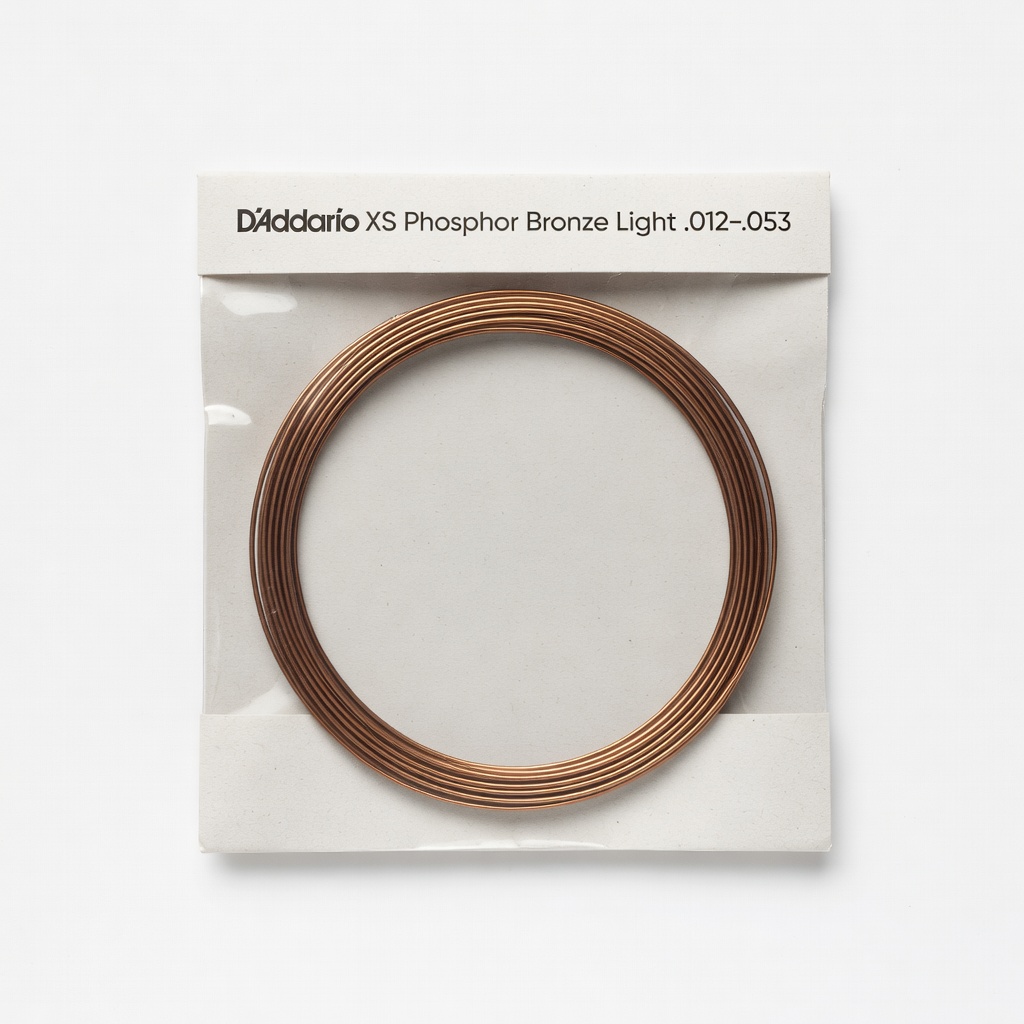
D'Addario XS Phosphor Bronze Light .012-.053
Advanced coating extends tone life while enhancing high-end sparkle.
Best for: Gigging pros in sweaty environments for consistent brightness.
Price Range: $18-$20