
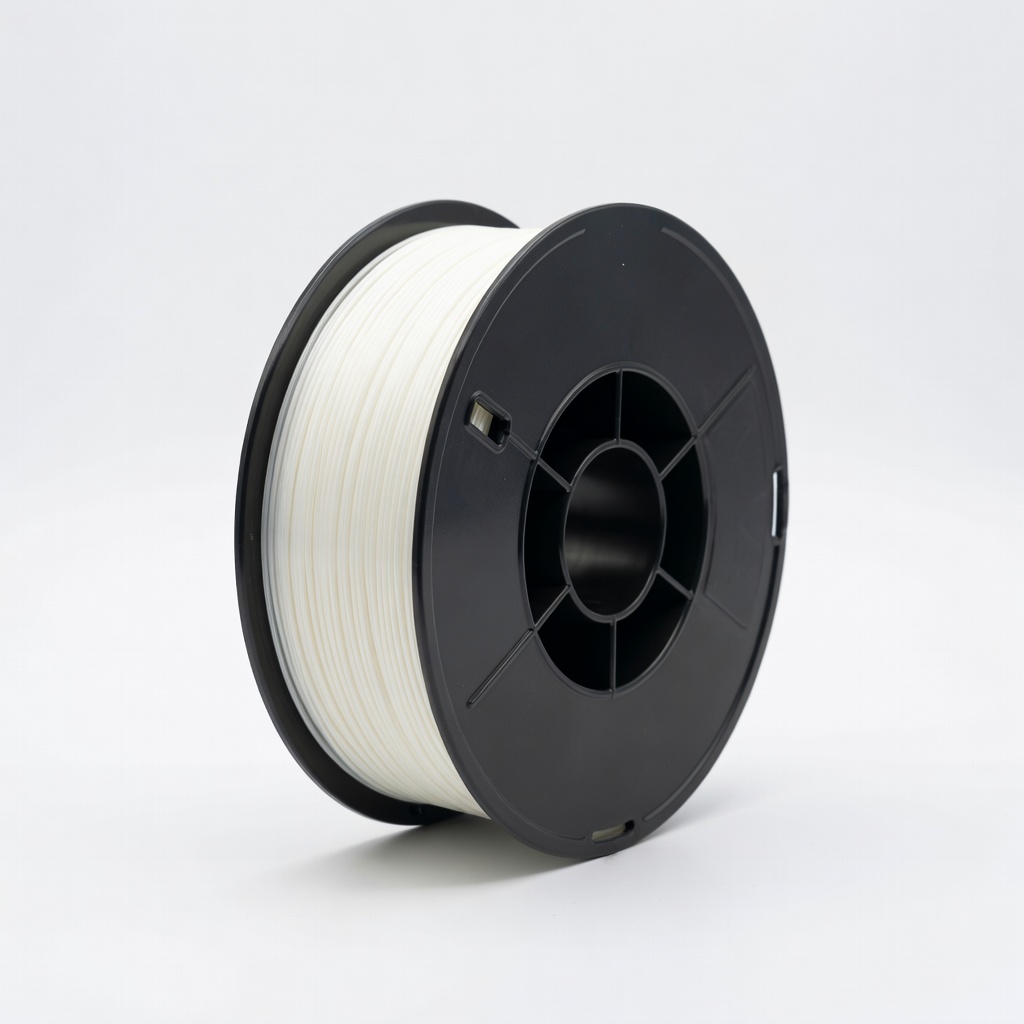
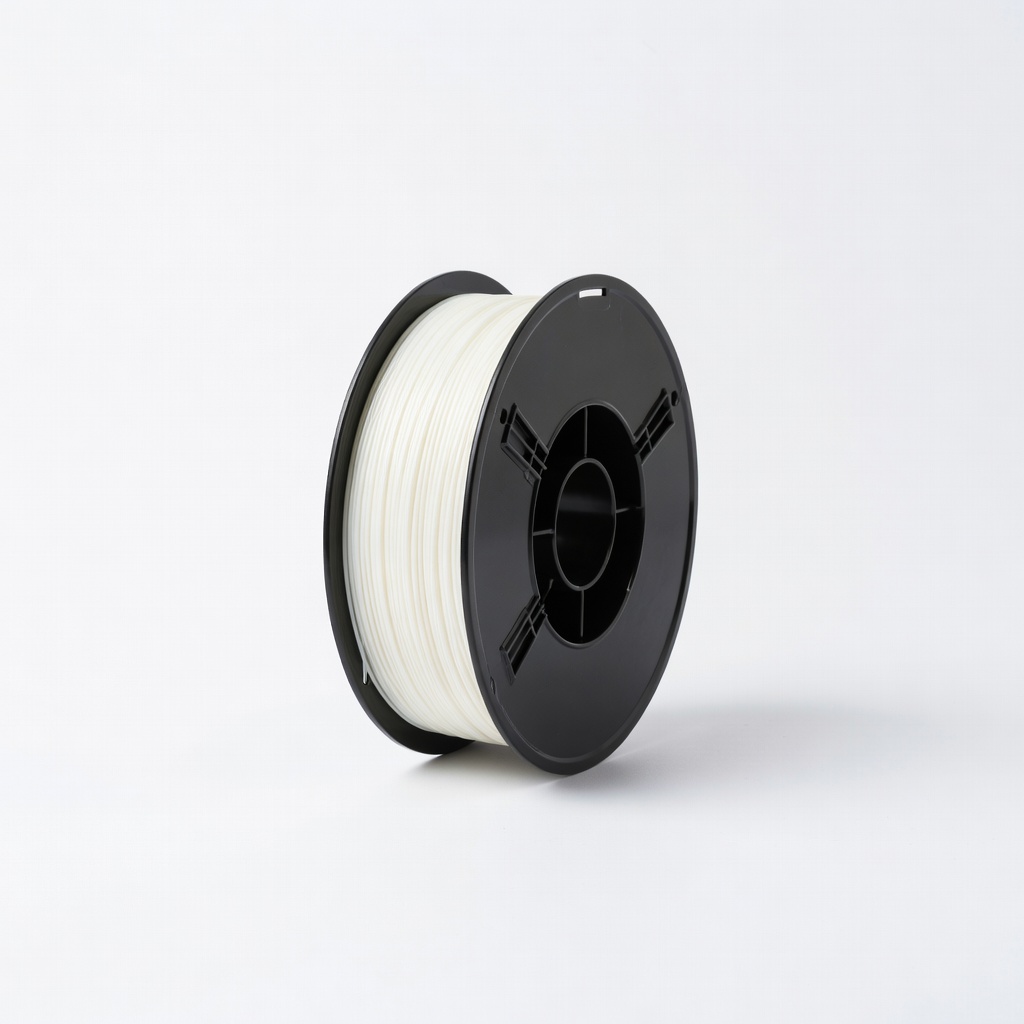
NinjaTek Cheetah TPU 95A 1.75mm 0.5kg
Functional prototypes needing max durability.
$39.99-$45
NinjaTek Cheetah TPU 95A 1.75mm 0.5kg Superior flow and elasticity for high-speed, jam-free prints.
Get the App
Better experience on mobile
Learn top TPU brands, key properties, printing tips, and comparisons to achieve flawless flexible prints without jams or stringing.
Printing with flexible TPU filament can be frustrating for even advanced users—common issues like nozzle jams, stringing, and poor bed adhesion often ruin prints. Yet, TPU excels for gaskets, phone cases, wearables, and seals where rigidity fails.
In this guide, you'll discover the best TPU filament brands in 2025, ranked by elasticity, print reliability, and value. We'll break down Shore hardness ratings, material science behind flexibility, printer mods needed, and head-to-head comparisons. Expect to gain actionable insights to select and print TPU like a pro.
This advanced explainer takes 20-30 minutes to read, assuming you know basic 3D printing. No hands-on printing required, but you'll be ready to test recommendations immediately.
Estimated Time: 20-30 minutes Difficulty: advanced
TPU (Thermoplastic Polyurethane) is a rubber-like filament prized for elasticity, measured in Shore A hardness (e.g., 85A softer, 95A firmer). Lower numbers mean more stretch (up to 660% elongation), ideal for flexible parts, but harder to print due to compressibility.
Why it matters: Mismatched hardness leads to failures—too soft jams Bowden tubes; too hard lacks flex. Expect prints like seals or tires to rebound without cracking.
Analogy: Think TPU as a rubber band vs. PLA's plastic ruler—TPU bends, PLA snaps.
💡 Tips:
Top TPUs feature low moisture absorption, consistent diameter (±0.02mm tolerance), high abrasion resistance, and additives for UV/chemical stability. Look for 'HF' (high flow) variants for faster prints.
Why evaluate: Poor quality causes oozing or inconsistent layers. Expect melt temps 210-230°C, bed 40-60°C, speeds 15-30mm/s.
Real-world: Premium TPUs reduce waste by 50% via better layer bonding.
⚠️ Warnings:
TPU demands direct drive (pusher extruder) to prevent buckling. Use 0.4mm hardened nozzle, PTFE-lined hotend, and enclosure for temp stability.
Tune slicer: 0.2-0.5mm retraction (wet), 100% extrusion width, no combing. Why? TPU 'squishes' under pressure, causing under-extrusion.
Expect first layers to stick via glue stick or PEI sheet.
💡 Tips:
NinjaTek's Cheetah TPU-95A excels with 580% elongation, print speeds up to 60mm/s, and minimal stringing thanks to proprietary plasticizers.
Ideal for functional prototypes; abrasion-resistant for belts/gears. Pricey but zero waste in tests.
User data: 4.8/5 stars, consistent 1.75mm diameter.
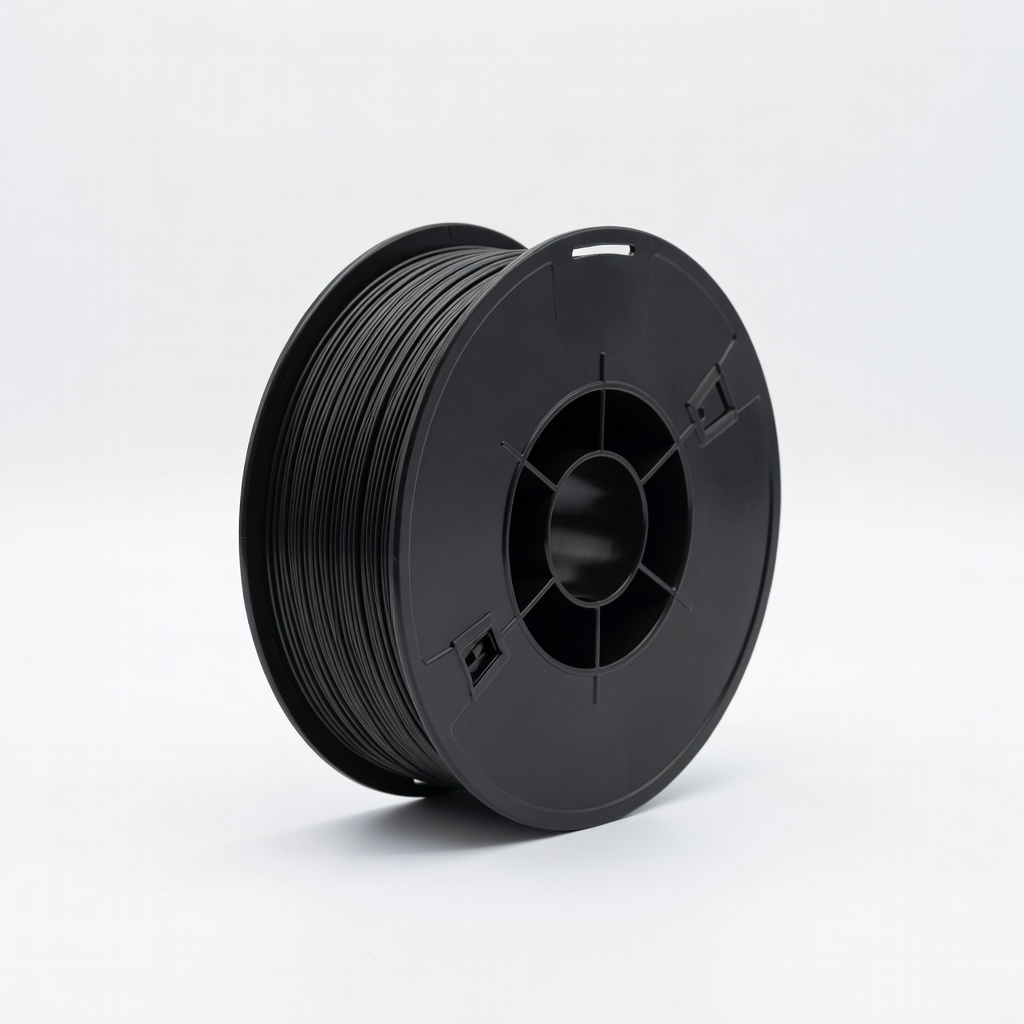
SainSmart offers reliable 95A TPU with good flexibility (500% stretch), low odor, and compatibility across printers. Diameter tolerance ±0.03mm.
Great for beginners-to-advanced; seals/phone cases shine. Budget-friendly without sacrificing quality.
Pro: Spools vacuum-sealed for freshness.
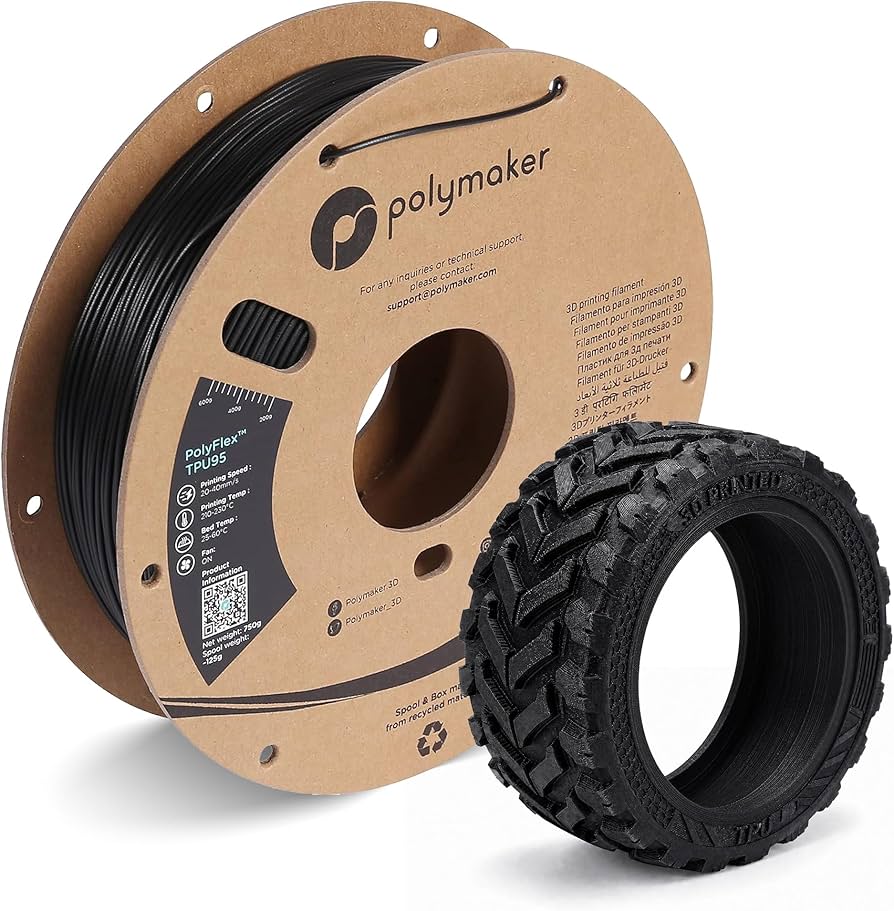
PolyFlex TPU95-HF prints 2x faster (40mm/s) with excellent layer adhesion and 600% elongation. Nano-reinforcements reduce jamming.
Use for production runs or large parts. Stiffer feel suits semi-flex needs.
Advanced edge: Compatible with AMS systems.
💡 Tips:
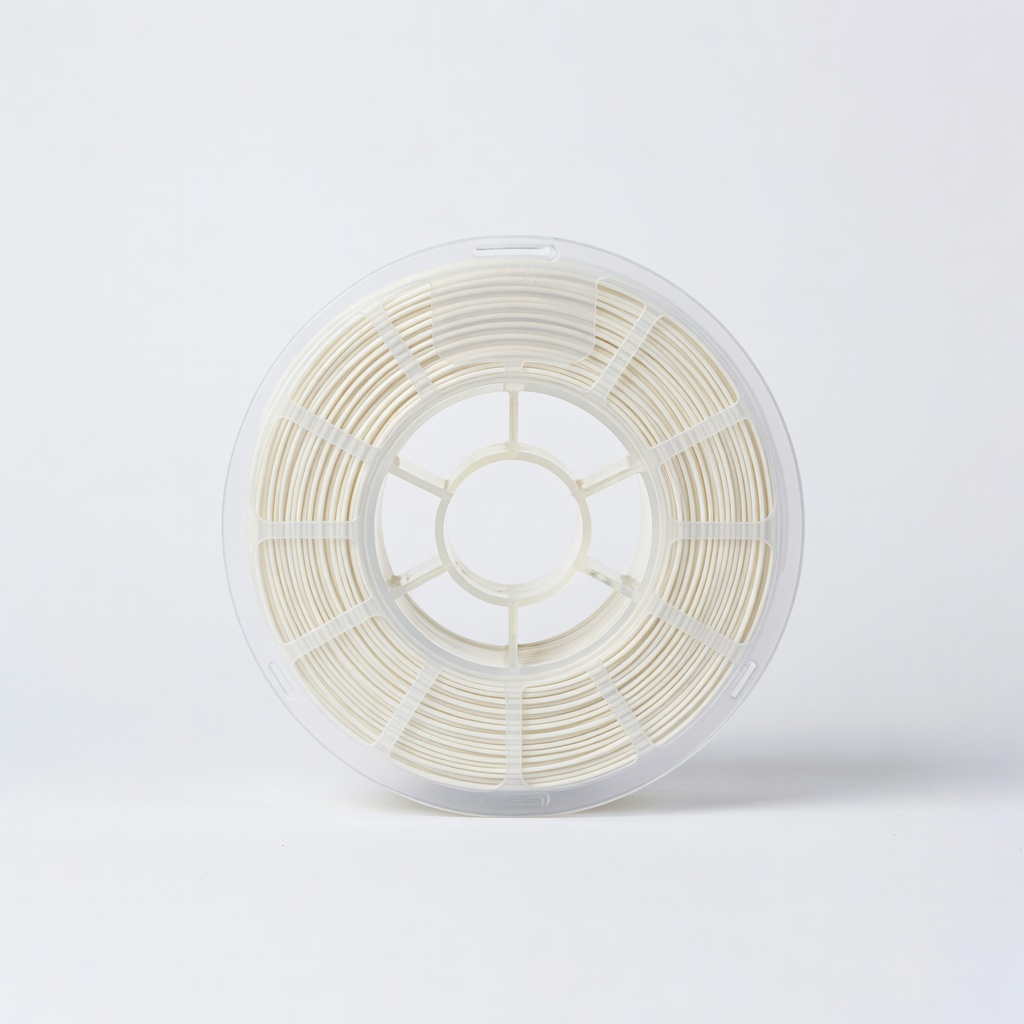
eSun's matte-finish TPU-95A provides 450% stretch, good UV resistance, and easy printing at 210°C. Affordable for testing.
Best for hobbyists; phone grips, toys. Minor stringing manageable with tuning.
Value king: Often under $25/kg.
⚠️ Warnings:
Rank: NinjaTek (performance), Polymaker (speed), SainSmart (value), eSun (budget). Test with flex modulus charts and print a calibration model (e.g., TPU bend test on Thingiverse).
Choose by need: Soft 85A for max flex, 95A for ease. Track spool consistency over 10 prints.
Outcome: 90% success rate with right brand.
💡 Tips:
Problem: Nozzle jamming
Solution: Cold pull with cleaning filament; ensure direct drive and hardened nozzle.
Problem: Stringing everywhere
Solution: Increase retraction to 1-2mm at 25mm/s; lower temp 5°C.
Problem: Poor bed adhesion
Solution: Clean bed with IPA; add glue stick, raise bed temp to 50°C.
Problem: Brittle prints
Solution: Dry filament longer; check for moisture hydrolysis.
Superior flow and elasticity for high-speed, jam-free prints.
Best for: Functional prototypes needing max durability.
Price Range: $39.99-$45
Consistent diameter and value; minimal stringing out-of-box.
Best for: Everyday flexible parts like cases or gaskets.
Price Range: $25-$30
High-flow formula doubles print speed with strong layers.
Best for: Production or large flexible models.
Price Range: $35-$40
Affordable with good UV resistance and matte finish.
Best for: Budget testing or outdoor flex parts.
Price Range: $22-$28
Vacuum-sealed for freshness; reliable for beginners in TPU.
Best for: High-volume hobby printing.
Price Range: $20-$25
Functional prototypes needing max durability.
NinjaTek Cheetah TPU 95A 1.75mm 0.5kg Superior flow and elasticity for high-speed, jam-free prints.
Everyday flexible parts like cases or gaskets.
SainSmart TPU 95A 1.75mm 1kg Black Consistent diameter and value; minimal stringing out-of-box.
Production or large flexible models.
Polymaker PolyFlex TPU95 1.75mm 1kg High-flow formula doubles print speed with strong layers.
Budget testing or outdoor flex parts.
eSUN TPU-95 1.75mm 1kg Affordable with good UV resistance and matte finish.
High-volume hobby printing.
Overture TPU 95A 1.75mm 1kg Vacuum-sealed for freshness; reliable for beginners in TPU.