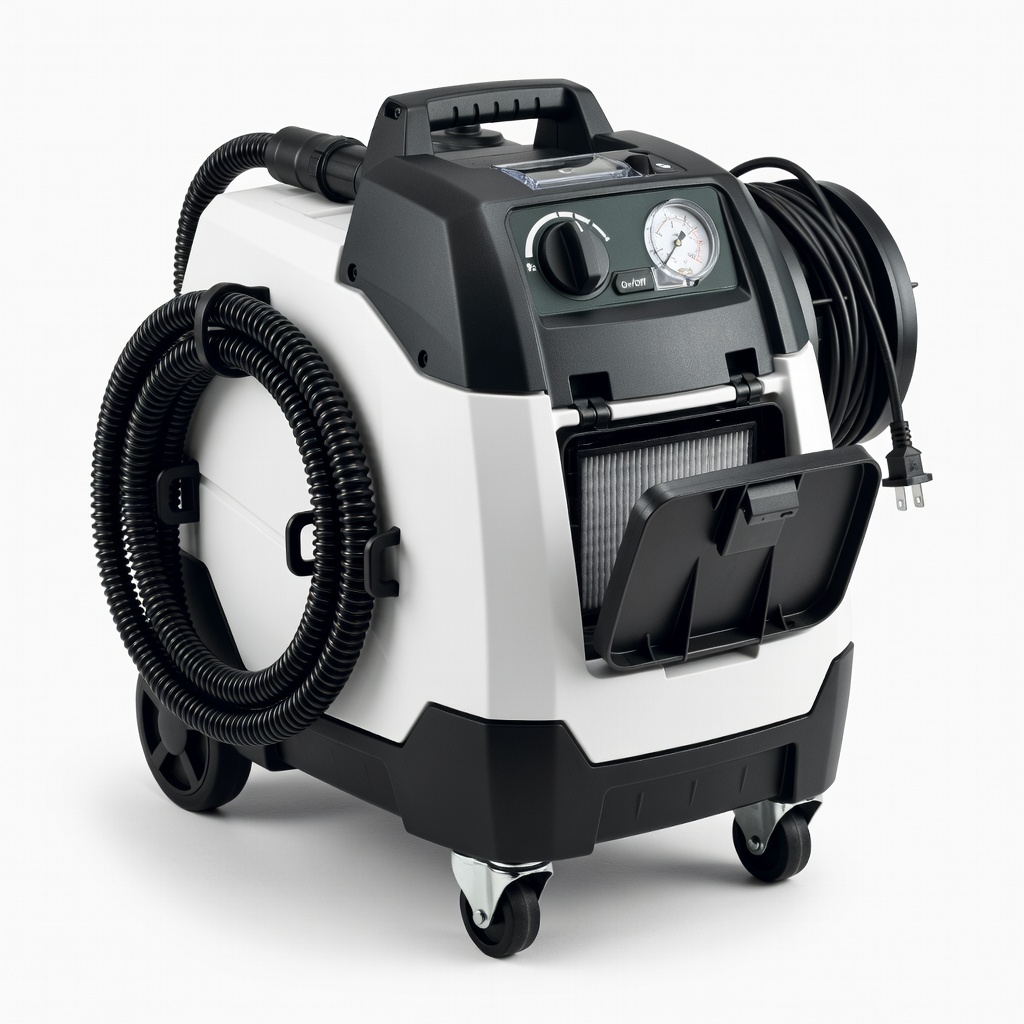
▸Why Dust Extraction Matters in Abrasive Work
Abrasive tasks like sanding wood, grinding metal, or polishing stone generate fine, hazardous dust particles that can cause respiratory issues, silicosis, or long-term health problems. For advanced users, poor dust management leads to messy shops, reduced tool life, and OSHA violations. The right system captures 99%+ of dust at the source.
In this guide, you'll understand dust types, key specs like CFM and HEPA filtration, system types, and how to choose based on your workflow. Expect to gain expertise in matching extractors to tools like random orbital sanders or angle grinders.
This explainer takes 20-30 minutes to master concepts applicable to professional setups—no hands-on work required.
▸What You'll Need
- •Basic knowledge of abrasive tools (e.g., sanders, grinders)
- •Understanding of your workspace size and power tool compatibility
- •Access to measure airflow needs (CFM calculator or app optional)
- •PPE like N95 masks for any testing (recommended)
Estimated Time: 20-30 minutes
Difficulty: advanced
▸Step-by-Step Instructions
Step 1: Understand Dust Hazards in Abrasive Work
Abrasive dust varies: wood dust is combustible and allergenic; silica from concrete is carcinogenic; metal dust causes pneumoconiosis. Fine particles (<5 microns) stay airborne longest, penetrating HEPA filters only.
Why it matters: Advanced users handle high-volume dust daily. OSHA limits exposure to 5mg/m³ for wood, 0.1mg/m³ for silica—extraction prevents fines.
Expect health benefits and cleaner air post-setup.
💡 Tips:
- •Test dust type with a particle counter for precise needs.
Step 2: Key Metrics: CFM, FPM, and Filtration Efficiency
CFM (cubic feet per minute) measures suction volume—need 100+ CFM for 5" sanders. FPM (feet per minute) ensures 3,500+ velocity at hoods to capture dust.
HEPA filters capture 99.97% at 0.3 microns; M-Class for wood, H-Class for hazards. Static pressure (SP) >80" water lift for hoses.
Analogy: CFM is engine power, SP is vacuum strength—both needed for abrasives.
⚠️ Warnings:
- •Undersized CFM causes clogs; ignore for portable tools.
Step 3: Types of Dust Extraction Systems
Mobile extractors (e.g., vacs with auto-start) for portability. Cyclones pre-separate 99% chips, extending filter life. Stationary collectors for shops >500 sq ft.
Hybrid: Dust deputy kits upgrade shop vacs. Self-cleaning filters pulse to maintain suction.
Choose based on mobility: bench grinders need stationary, on-tool sanding needs mobile.
💡 Tips:
- •Pair cyclones with HEPA vacs for 95% less filter changes.
Step 4: Power Tool Integration Features
Look for tool-triggered start (1.5s response), anti-static hoses to prevent shocks, and bayonet fittings for Festool/Mirka sanders.
Bluetooth apps monitor filters. Variable speed matches tool RPM.
Why critical: Seamless sync prevents dust escape during 8-hour shifts.
Step 5: Portability vs Capacity Trade-offs
Mobile: 5-15 gal, 20-50 lbs, for job sites. Stationary: 50+ gal, unlimited runtime.
Balance: 10-gal HEPA vacs handle most abrasive pros. Capacity formula: gal = CFM x hours/10.
Pro tip: Wheels and stackable designs save space.
⚠️ Warnings:
- •Over-portable units clog fast on fine dust.
Step 6: Maintenance and Filter Longevity
Self-clean every 15min; replace HEPA yearly ($50-100). PTFE-coated filters resist abrasives.
Monitor pressure gauges—red zone means change.
Extends life 5x vs basic vacs.
💡 Tips:
- •Use compressed air pre-clean; log usage.
Step 7: Sizing and Cost Analysis
$300-800 mobile, $1k+ stationary. ROI: Saves $500/year in health/cleanup.
Size via: total hood area x 400 FPM = CFM need.
Compare TCO: initial + filters + energy.
▸Pro Tips
- •Use blast gates for multi-tool setups to maximize CFM.
- •Add secondary HEPA for ultra-fine dust like MDF.
- •Position extractor low for better airflow in tight spaces.
- •Upgrade to 36mm hoses for 20% more suction.
- •Test capture with smoke pencil before full use.
- •Integrate with downdraft tables for flatwork.
- •Buy L-class starters, upgrade to H-class later.
▸Common Mistakes to Avoid
- •Ignoring FPM velocity—dust billows despite high CFM; measure hood speeds.
- •Skipping anti-static hoses—sparks ignite wood dust; always use blue ESD hoses.
- •Cheap filters without HEPA—health risks and fines; verify certifications.
- •Oversizing for portability—wheelbarrow vacs tip; match to workflow.
- •No auto-clean—clogs mid-job; prioritize pulse systems.
▸Troubleshooting
Problem: Loss of suction mid-job
Solution: Pulse clean filter or check hose clogs; replace if gauge > green zone.
Problem: Tool doesn't trigger extractor
Solution: Verify 120V outlet shared; clean contacts or use relay adapter.
Problem: Excessive fine dust escape
Solution: Upgrade to H-HEPA; seal hoods with tape test.
Problem: Static buildup shocks
Solution: Switch to anti-static hose; ground unit.
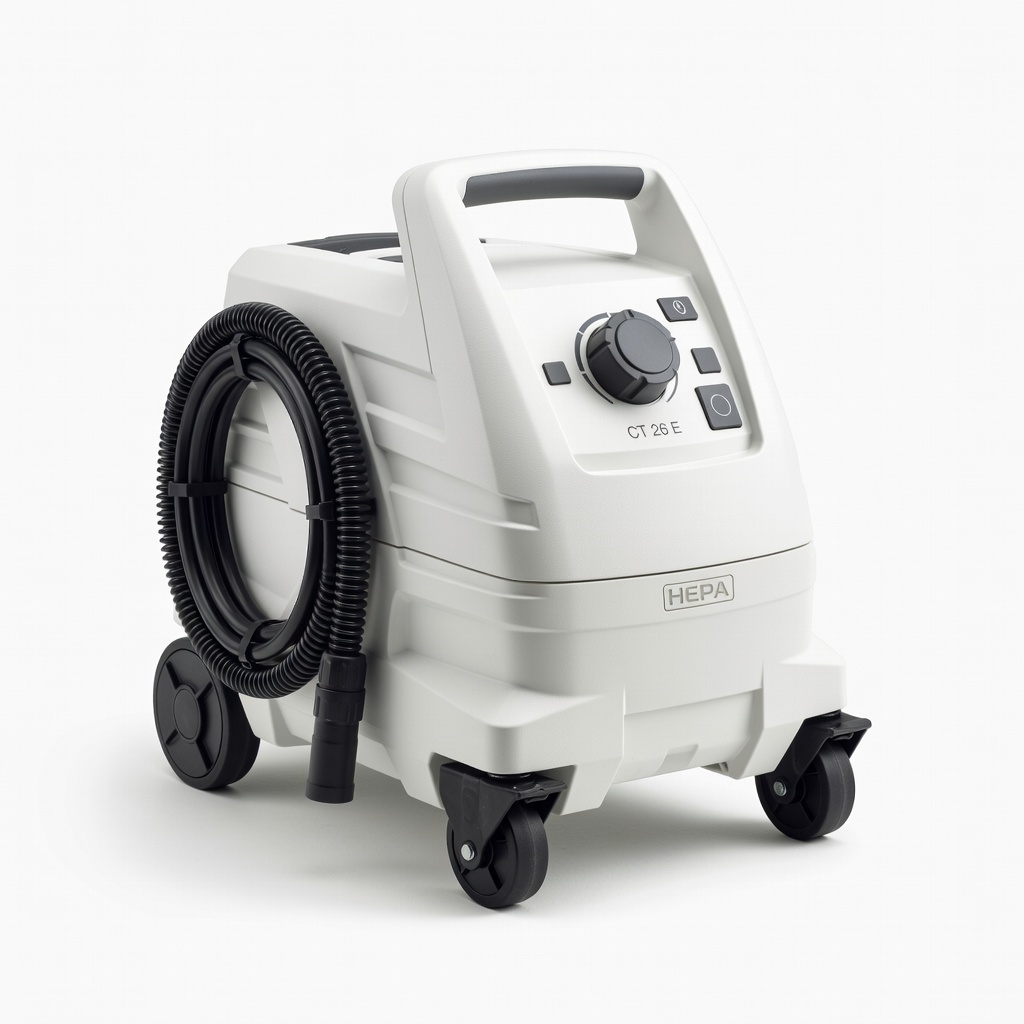
Festool CT 26 E HEPA Dust Extractor
Industry gold standard for abrasive pros: 120 CFM, auto-start, tool-triggered, H-Class HEPA for hazardous dust.
Best for: Mobile sanding/grinding on job sites or shops; integrates with Festool/Mirka sanders.
Price Range: $650-$700
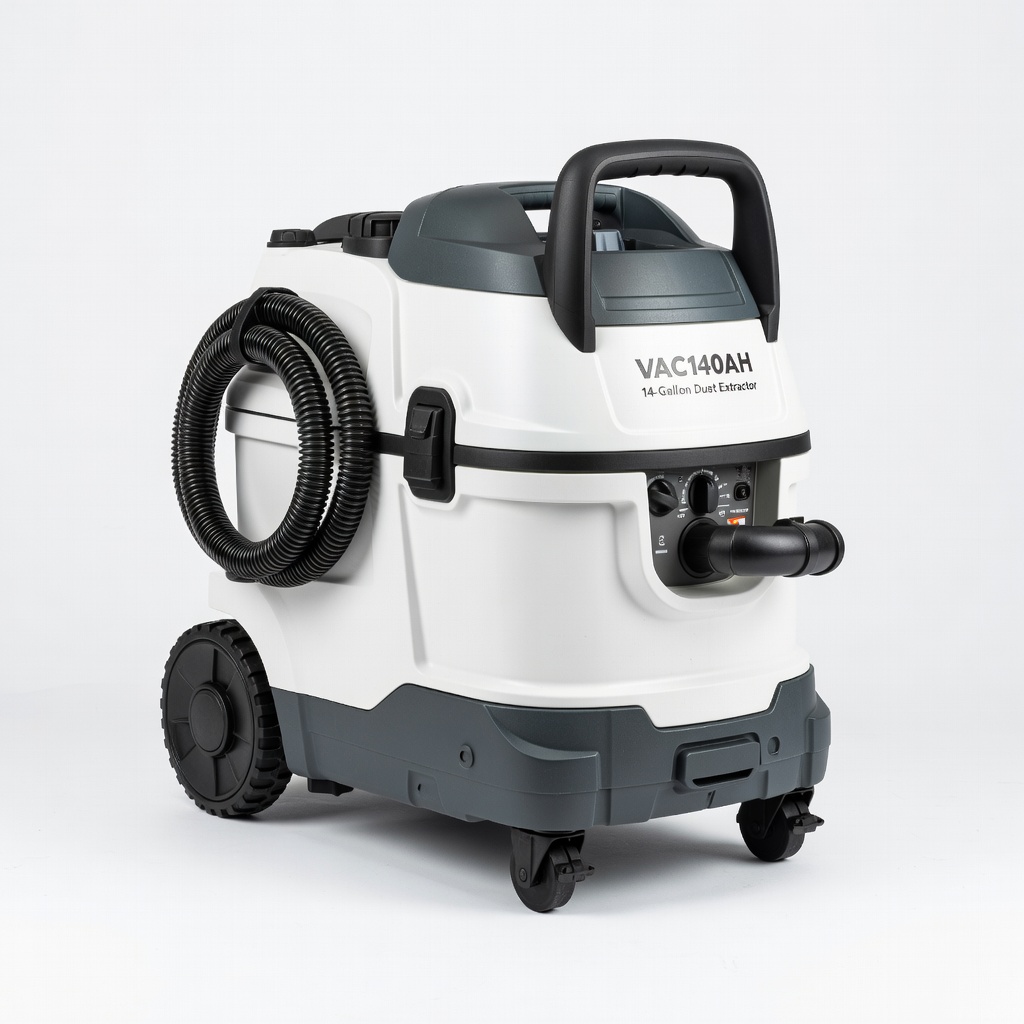
Bosch VAC140AH 14-Gallon Dust Extractor
High SP (98"), power take-off for tools, HEPA filter; durable for daily metal grinding.
Best for: Heavy-duty abrasives in garages; 150 CFM handles angle grinders.
Price Range: $450-$500
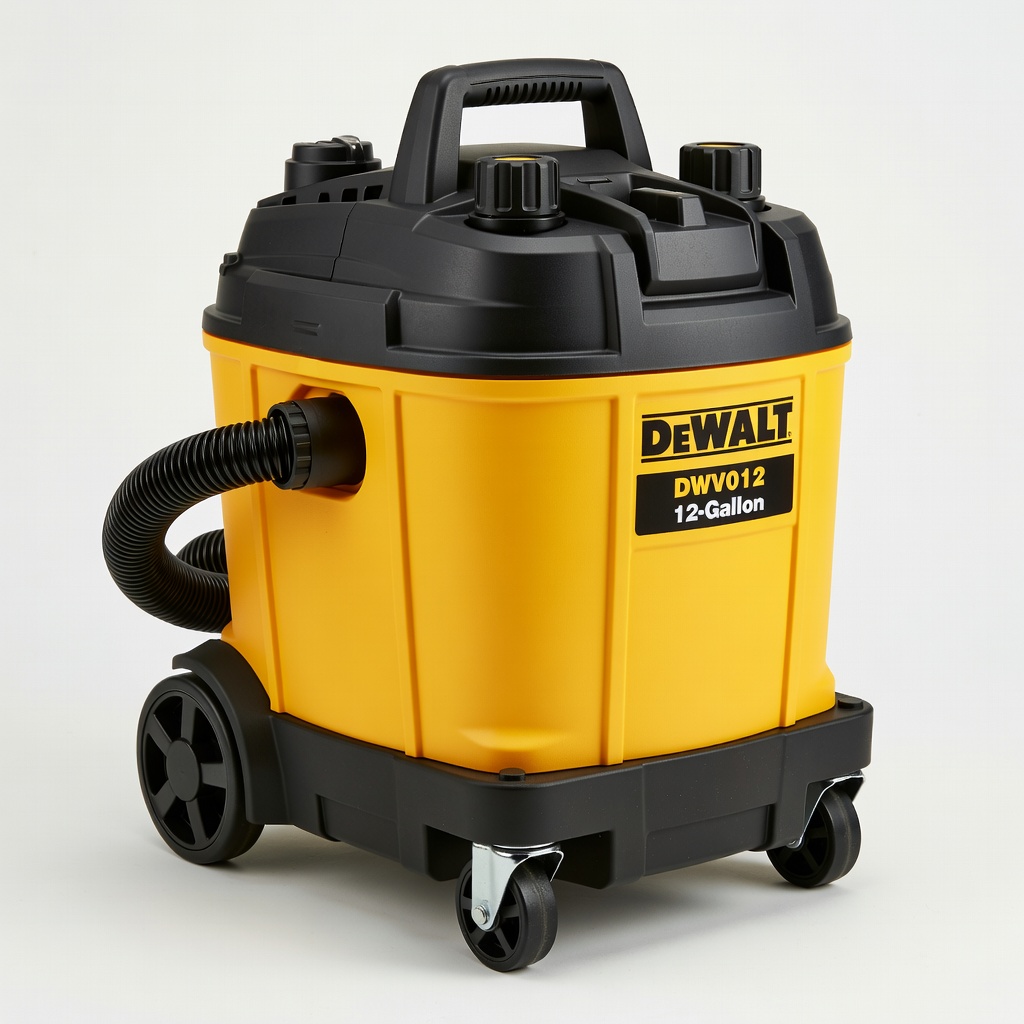
DeWalt DWV012 12-Gallon Dust Extractor
Compact, 136 CFM, fleece bags for easy disposal; auto-filter clean for non-stop sanding.
Best for: Pro woodworkers needing portability without Festool premium.
Price Range: $350-$400
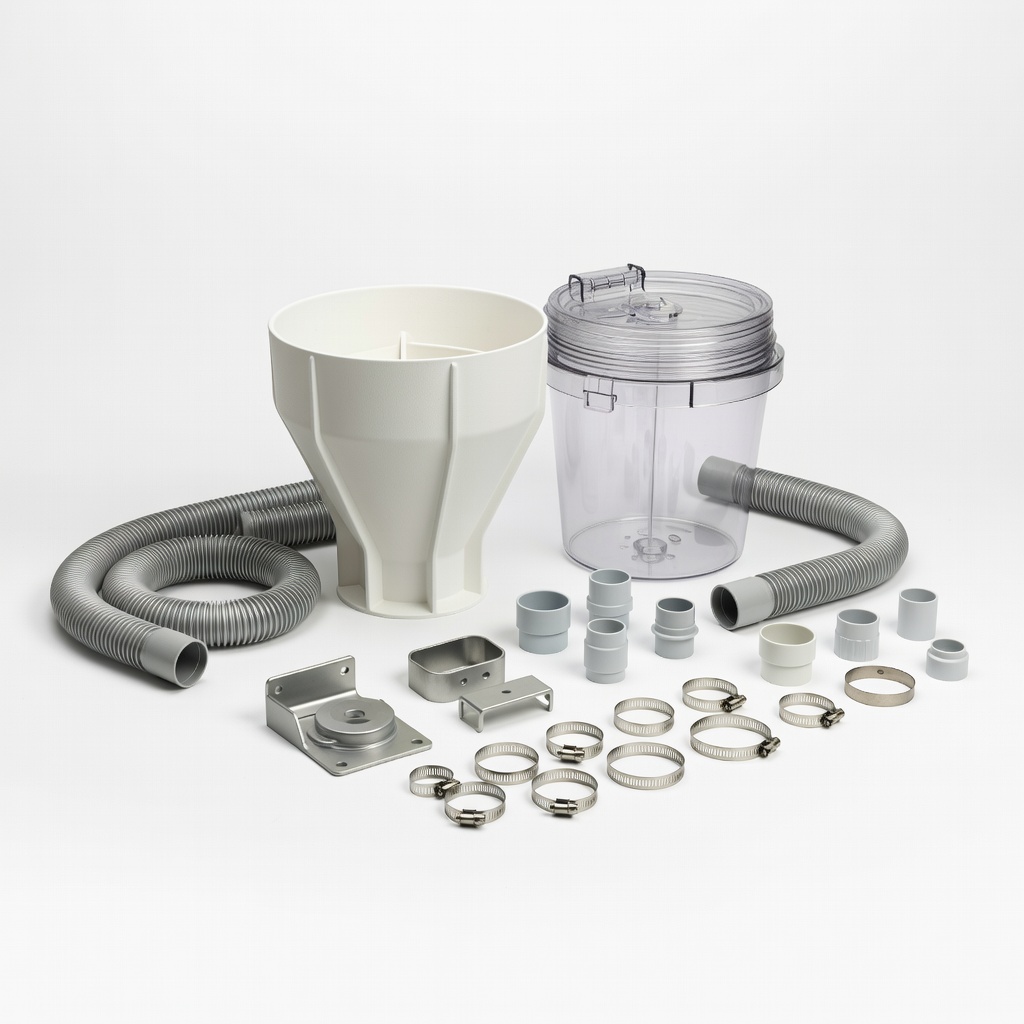
Oneida Air Systems Dust Deputy Deluxe Kit
Cyclone separator captures 99% debris before vac filter; extends life 5x.
Best for: Budget upgrade for any shop vac in high-volume abrasive chipping.
Price Range: $100-$120
Metabo ASR 25 L SC Dust Extractor
Self-cleaning, 150 CFM, M-Class for wood/metal; robust build.
Best for: European tool users (Festool-compatible) for long sessions.
Price Range: $500-$550