
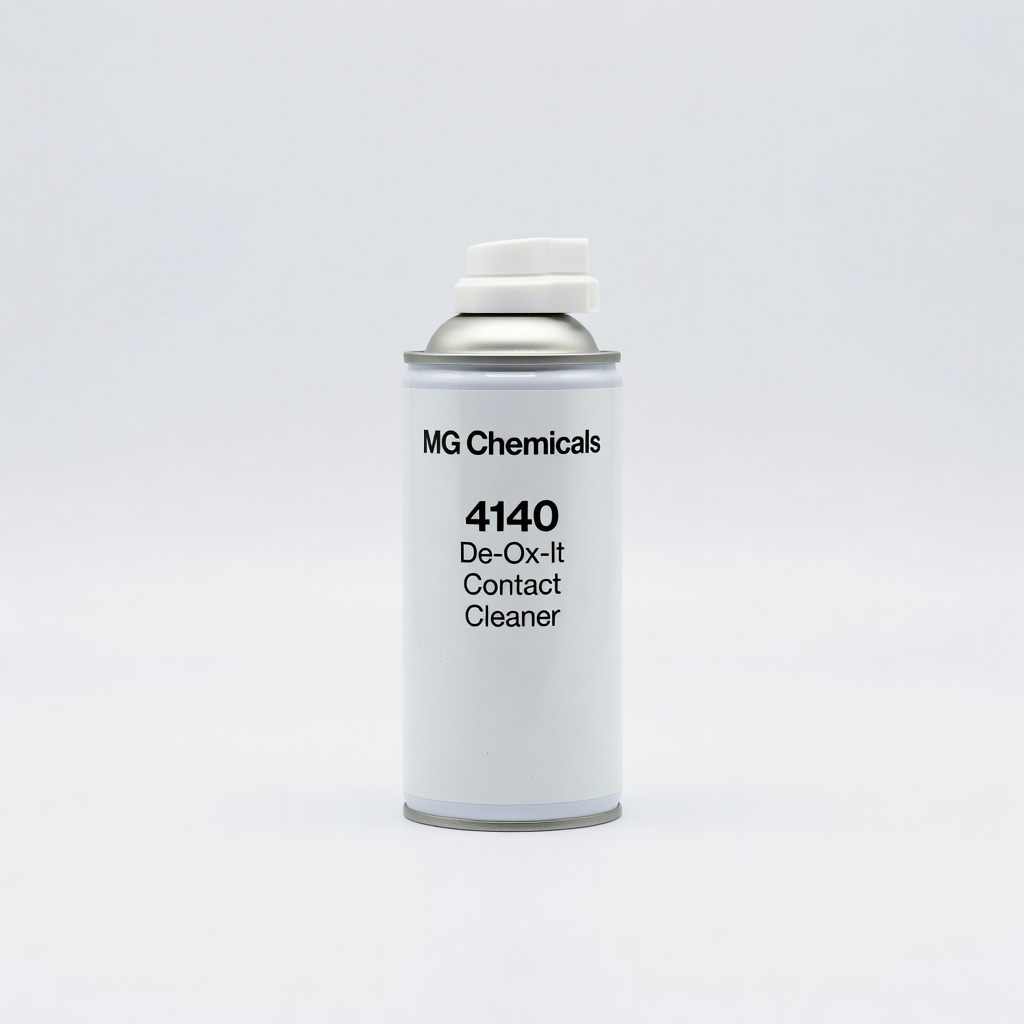
MG Chemicals 4140 De-Ox-It Contact Cleaner
Acrylic labels and light greases on circuit boards.
$20-$25
MG Chemicals 4140 De-Ox-It Contact Cleaner Hydrocarbon-based with superior low-residue and high dielectric strength; safe for plastics/PCBs.
Get the App
Better experience on mobile
Learn the top safe adhesive removers for delicate electronics, with advanced comparisons, safety protocols, and pro application techniques to avoid damage.
Removing adhesive residue from electronics—like old thermal pads, stickers on phone cases, or glue from laptop repairs—can be a nightmare for advanced tinkerers. Harsh solvents risk etching plastics, corroding circuits, or leaving conductive residues that cause shorts. One wrong choice, and your prized circuit board becomes a paperweight.
This guide breaks down the best adhesive removers for electronics in 2025, comparing chemical compositions, safety profiles, and real-world performance. You'll learn to identify adhesive types, evaluate removers for compatibility, and apply them flawlessly. Expect advanced insights into solvents like citrus terpenes vs. hydrocarbon blends, with step-by-step protocols taking 30-45 minutes to master.
By the end, you'll confidently strip adhesives without risking ESD, corrosion, or material degradation—perfect for PCB repairs, vintage gear restoration, or custom mods.
Estimated Time: 30-45 minutes to read and test concepts Difficulty: advanced
Electronics adhesives range from acrylic pressure-sensitives (stickers/labels) to epoxies (component mounts) and silicones (thermal pads). Use a magnifying glass or loupe to inspect: acrylics are tacky and stringy when pulled; epoxies harden brittle; silicones stay gummy.
Why it matters: Wrong remover chemistry fails or damages—e.g., water-based removers swell silicones. Test a small area: scrape gently; if it balls up, it's acrylic.
Expect residue samples for later matching.
💡 Tips:
⚠️ Warnings:
Electronics use polycarbonates, ABS plastics, FR4 PCBs, and soldermasks. Check datasheets or use solvent compatibility charts (e.g., Cole-Parmer). Key risks: solvents like acetone dissolve ABS; aromatics attack polycarbonates.
Advanced metric: Surface energy test—apply drop of remover; if it beads >90°, safe; spreads flat, risky.
This prevents crazing (micro-cracks) or delamination.
💡 Tips:
Top categories: Hydrocarbons (fast-evap, non-residue like heptane blends), citrus terpenes (d-limonene dissolves resins gently), polar aprotic (NMP/DMF for epoxies, but toxic), and IPA blends (99% for mild acrylics).
Analogies: Hydrocarbons = surgical spirit (quick clean); terpenes = orange oil (natural bite); NMP = industrial stripper (powerful but hazardous).
Choose based on adhesive: acrylic=hydrocarbon/IPA; silicone=terpene.
⚠️ Warnings:
Evaluate by evap rate (seconds), residue (mg/cm²), dielectric strength (kV), and solvency power (Hansen parameters). E.g., hydrocarbons excel in low-residue (<0.1mg); terpenes in silicone solvency.
Lab analogy: Like matching paint thinner to oil type—mismatch leaves haze.
Prioritize dielectric-safe (>20kV) for live circuits.
💡 Tips:
Select scrap PCB/plastic matching your device. Apply remover via swab, wait 30s, wipe, inspect under UV for residue (fluoresces).
Measure success: No haze, no swelling, conductivity <1nA leak.
Iterate 2-3 removers.
⚠️ Warnings:
Why sequential: Evaporation traps residue if rushed.
Pro: Ultrasonic for batches.
💡 Tips:
Multimeter continuity test all traces; visual/UV inspect. Final IPA or distilled water rinse, bake at 60°C/30min if hygroscopic.
Ensures no shorts or corrosion starters.
Problem: Residue haze remains
Solution: Escalate to NMP-based (ventilated), then ultrasonic IPA.
Problem: Plastic fogging/crazing
Solution: Switch to hydrocarbon only; polish with Novus 2.
Problem: Conductive residue post-clean
Solution: Full IPA soak + bake; test with ohmmeter.
Problem: ESD damage during process
Solution: Use grounded mat/wrist strap; humidity >40%.
Hydrocarbon-based with superior low-residue and high dielectric strength; safe for plastics/PCBs.
Best for: Acrylic labels and light greases on circuit boards.
Price Range: $20-$25
Penetrates deeply without harming soldermask; enhances conductivity post-clean.
Best for: Stubborn oxidized adhesives on connectors/switches.
Price Range: $18-$22
Citrus-safe formula non-corrosive to plastics; quick evap.
Best for: Silicone thermal pads and stickers on cases.
Price Range: $8-$12
Pure polar solvent for mild residues; ultimate rinse agent.
Best for: Final cleanup after aggressive removers.
Price Range: $15-$20
Solvent-free, safe for all plastics; no fumes.
Best for: Labels on vintage electronics or displays.
Price Range: $10-$15
Acrylic labels and light greases on circuit boards.
MG Chemicals 4140 De-Ox-It Contact Cleaner Hydrocarbon-based with superior low-residue and high dielectric strength; safe for plastics/PCBs.
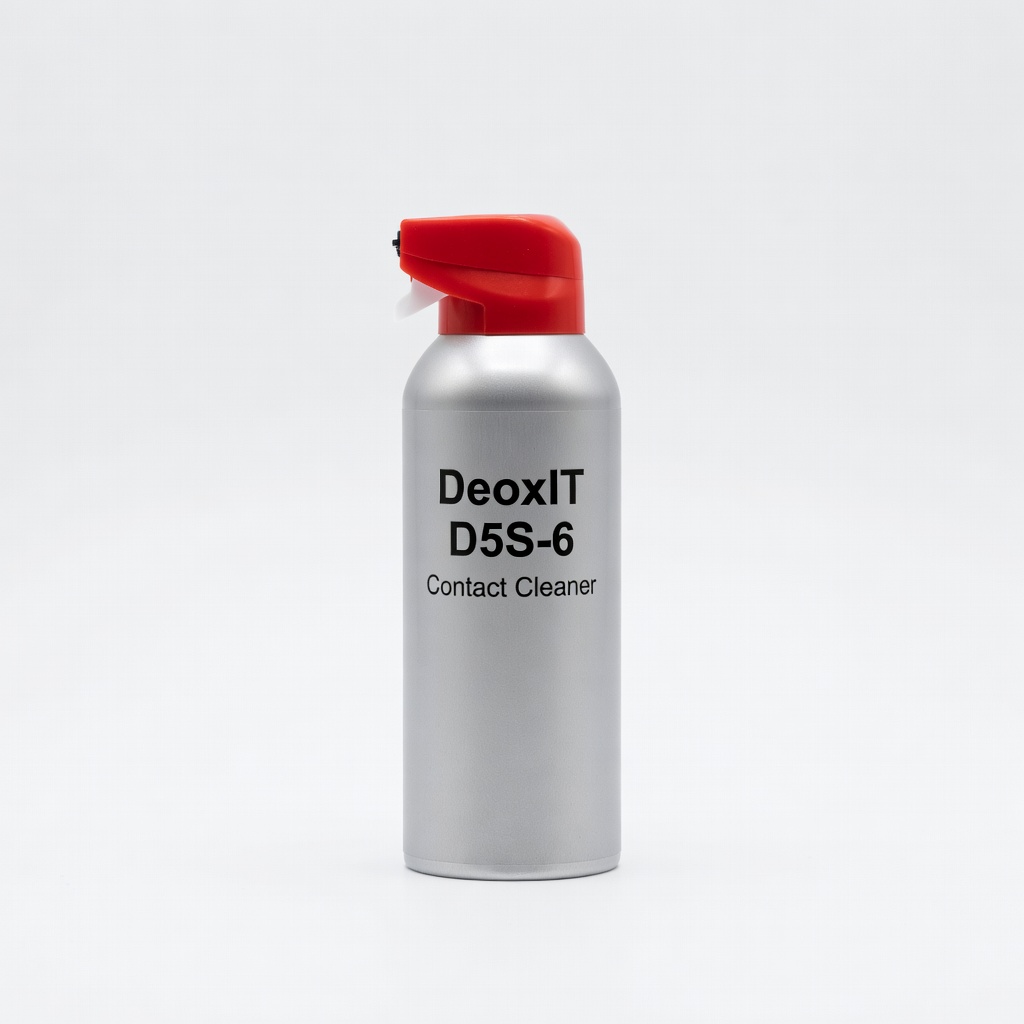
Stubborn oxidized adhesives on connectors/switches.
DeoxIT D5S-6 Contact Cleaner Penetrates deeply without harming soldermask; enhances conductivity post-clean.
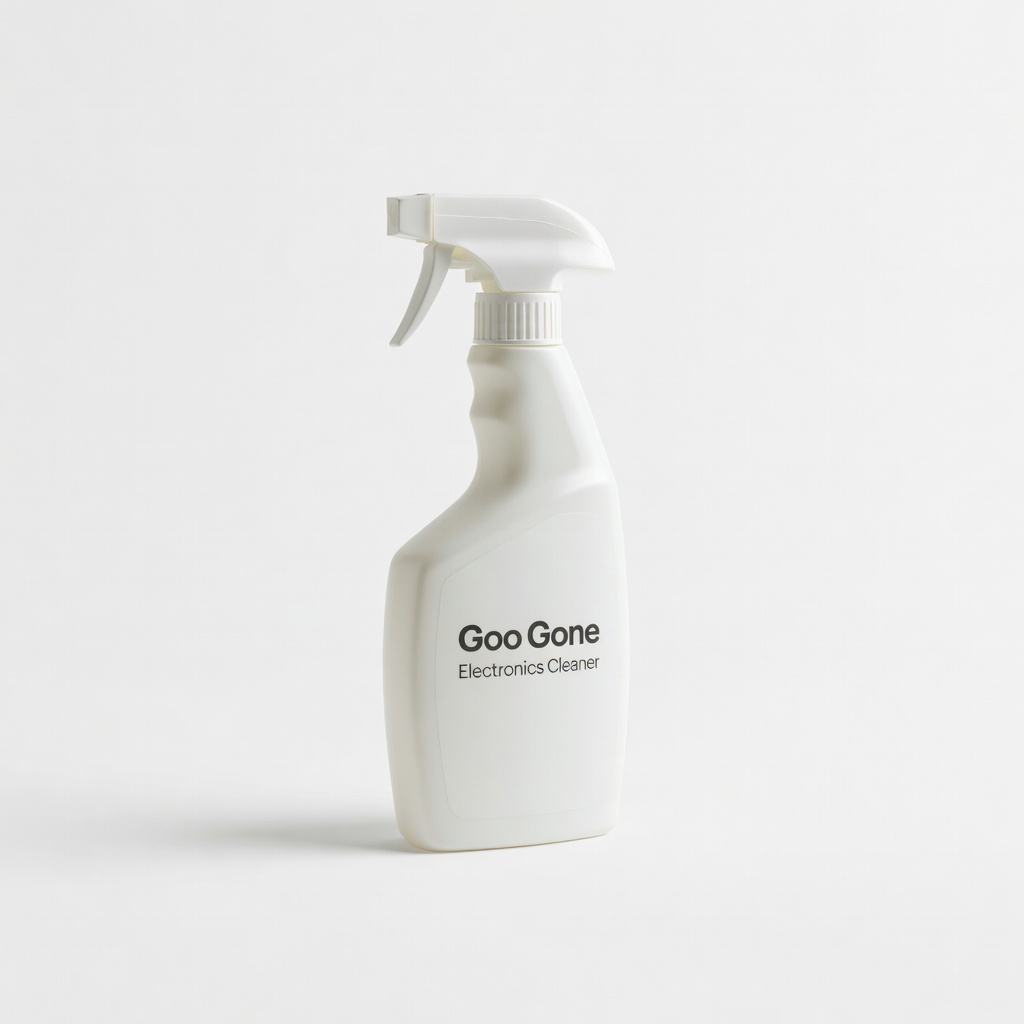
Silicone thermal pads and stickers on cases.
Goo Gone Electronics Cleaner Citrus-safe formula non-corrosive to plastics; quick evap.
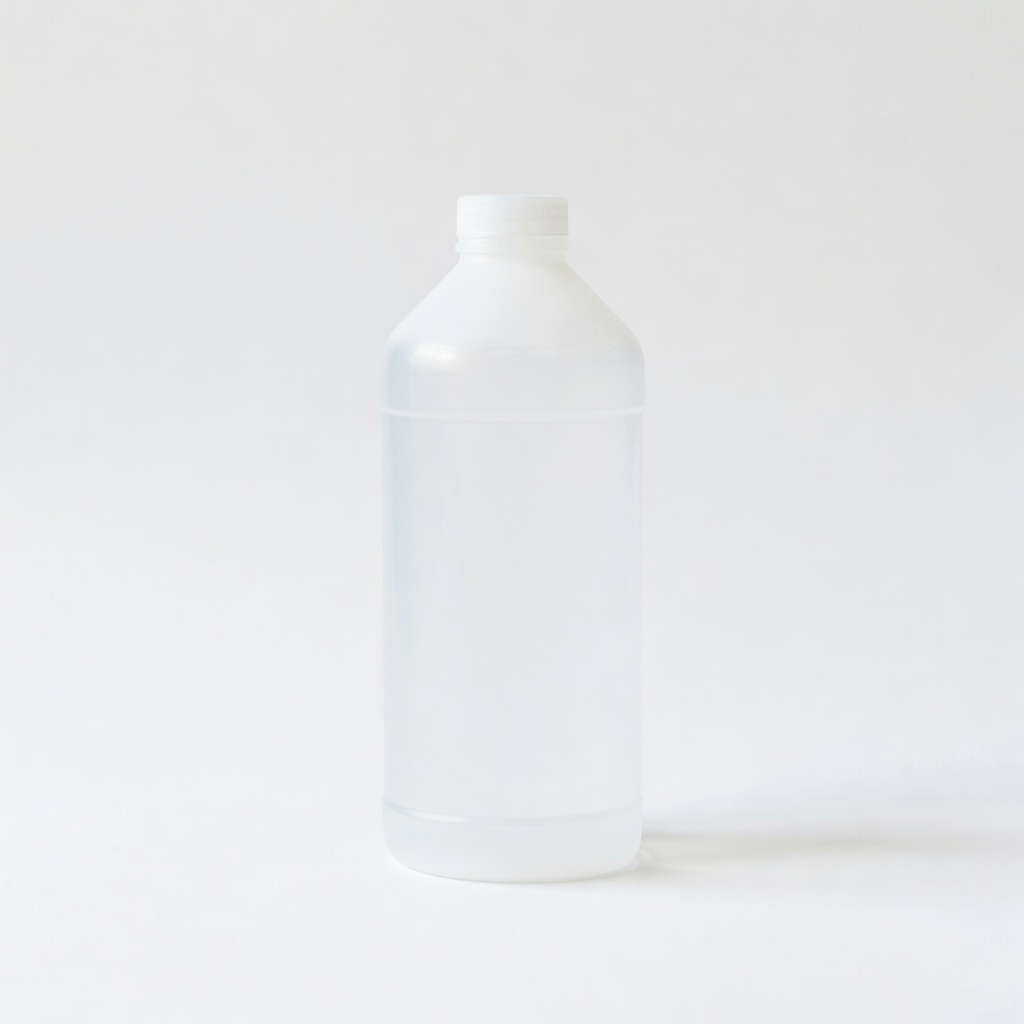
Final cleanup after aggressive removers.
MG Chemicals 99.9% Isopropyl Alcohol Pure polar solvent for mild residues; ultimate rinse agent.
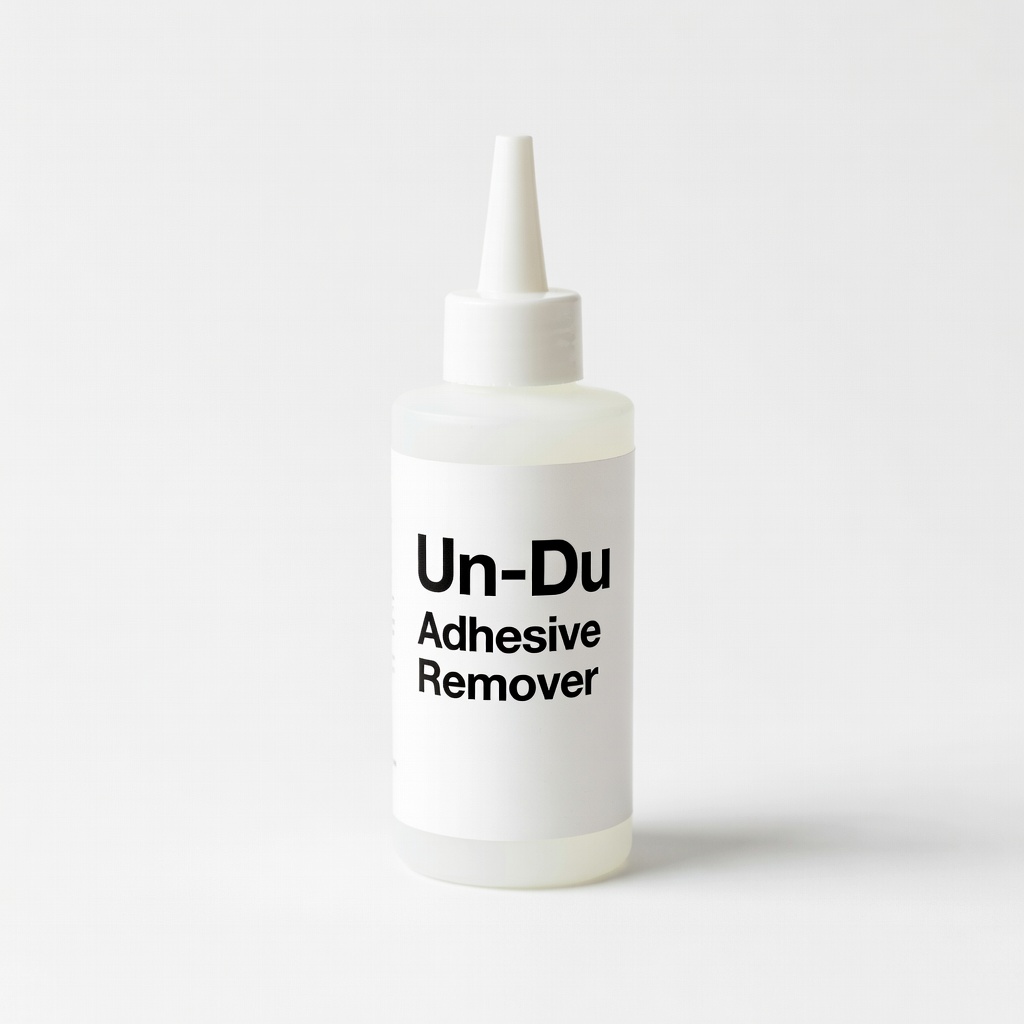
Labels on vintage electronics or displays.
Un-Du Adhesive Remover Solvent-free, safe for all plastics; no fumes.