
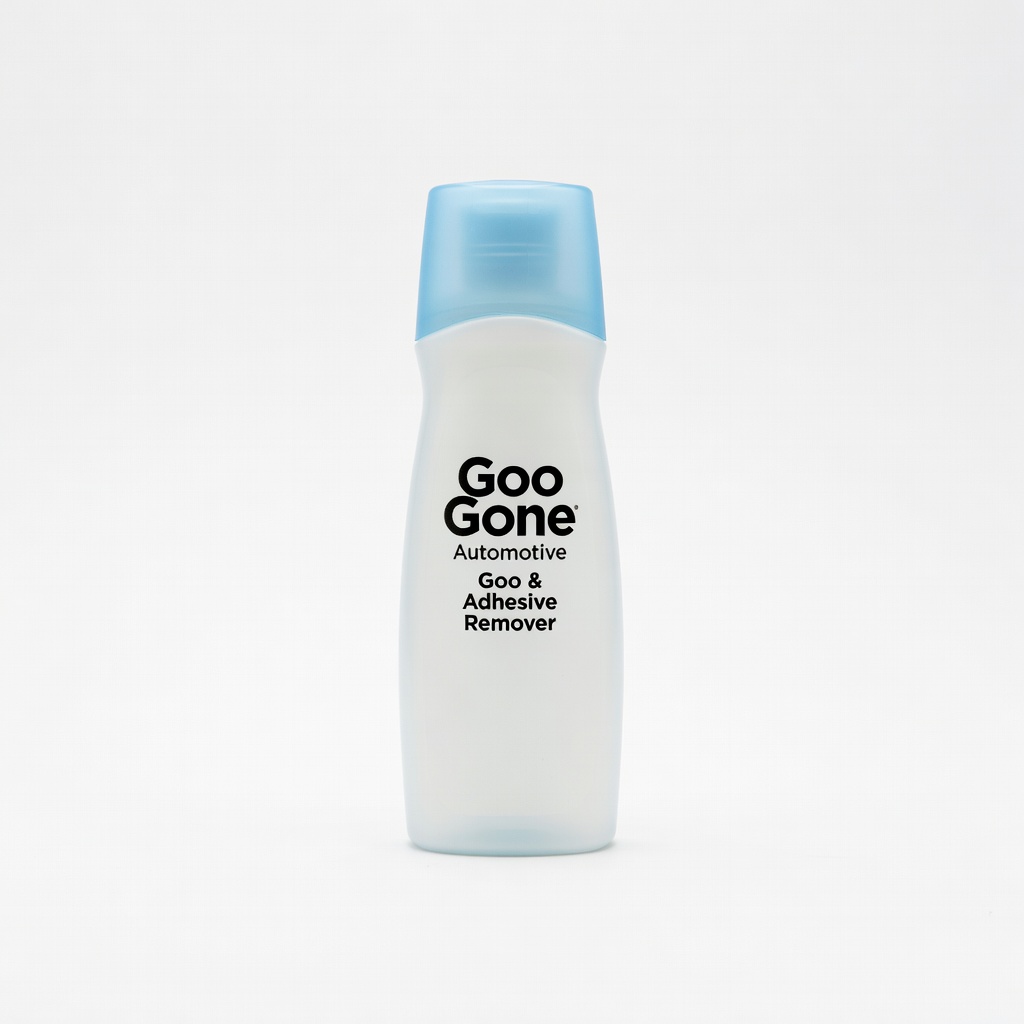
Goo Gone Automotive Goo & Adhesive Remover
Everyday stickers, tape on bumpers/doors.
$8-12
Goo Gone Automotive Goo & Adhesive Remover Citrus-based formula safe on clear coat, fast-acting on stickers without oily residue.
Get the App
Better experience on mobile
Learn the safest adhesive removers that protect car paint, with step-by-step use guide to remove stickers and residue without damage.
Sticky residues from stickers, tape, or decals can mar your car's pristine paint job, leading to frustration during removal attempts that risk scratching or dulling the finish. Whether it's old parking permits, dealer badges, or road debris, choosing the wrong remover can etch into clear coat or strip wax protection.
In this guide, you'll discover the best adhesive removers proven safe for automotive paint, understand why they work, and master a foolproof application process. Expect clear comparisons, real-world examples, and pro tips to achieve spotless results in under 30 minutes per area—perfect for intermediate DIYers who want professional outcomes without a trip to the detailer.
We'll cover types of removers, safety testing, precise steps, and aftercare to restore shine, ensuring your car looks showroom-ready.
Estimated Time: 20-30 minutes per adhesive spot Difficulty: intermediate
Start by identifying the adhesive: rubber-based (from stickers), acrylic (double-sided tape), or tar-like residue. Check your car's paint condition—clear-coated modern paints are resilient, but older single-stage paints are more vulnerable. This step prevents mismatched removers that could react poorly.
Why it matters: Aggressive solvents dissolve some adhesives but attack paint bonds. Expect to spend 2-3 minutes inspecting; use good lighting to spot edges.
💡 Tips:
⚠️ Warnings:
Clean the spot with car wash soap and water to remove dirt, wax buildup, or contaminants. Dry completely with a microfiber cloth. This creates a clean baseline, ensuring the remover targets only adhesive without grinding in grit.
💡 Tips:
Apply a small dab of remover to an inconspicuous area (like inside door jamb) and wait 1-2 minutes. Wipe off and check for dulling, hazing, or color change. Automotive-safe removers like citrus-based ones evaporate cleanly without residue.
Analogy: Like patch-testing shampoo on skin—better safe than repainting.
⚠️ Warnings:
Spray or dab remover onto the residue, letting it dwell 1-5 minutes (per product instructions). It penetrates the adhesive polymer chains, breaking bonds without solvents eating paint. Soften stubborn spots by covering with plastic wrap.
💡 Tips:
Use a plastic scraper at a 45-degree angle to lift softened adhesive. Wipe residue onto a cloth—never rub, as friction generates heat that can burn paint. Repeat if needed; most lift 90% on first pass.
⚠️ Warnings:
Buff with a fresh microfiber cloth dampened in water or alcohol. Inspect under light for haze. This neutralizes any leftover chemicals.
💡 Tips:
Apply car wax or sealant to restore protection and enhance gloss. Buff to a shine. This seals micro-abrasions and prevents future adhesion.
Problem: Residue won't lift after multiple tries
Solution: Switch to a stronger option like 3M remover or add heat; reapply and dwell longer.
Problem: Paint appears hazy post-wipe
Solution: Polish with rubbing compound (e.g., Meguiar's), then wax; if etched, seek pro buffing.
Problem: Remover streaks or smells linger
Solution: Clay bar with lubricant, then detailer spray; ventilate car.
Problem: Damage to trim or rubber
Solution: Use dedicated plastic safe cleaners; pros for severe cases.
Citrus-based formula safe on clear coat, fast-acting on stickers without oily residue.
Best for: Everyday stickers, tape on bumpers/doors.
Price Range: $8-12
Industrial-grade yet paint-safe, evaporates cleanly for pro results on tough residues.
Best for: Commercial tape, vinyl graphics removal.
Price Range: $20-25
Non-toxic, water-based with pleasant scent; gentle on all automotive surfaces.
Best for: Light residues on show cars or daily drivers.
Price Range: $15-20
Emulsifies sticky tar/adhesives safely, rinses easily without dulling.
Best for: Road tar mixed with adhesive.
Price Range: $10-15
Cheap, effective final wipe for residue traces; evaporates instantly.
Best for: Spot-cleaning after primary remover.
Price Range: $15-20
Everyday stickers, tape on bumpers/doors.
Goo Gone Automotive Goo & Adhesive Remover Citrus-based formula safe on clear coat, fast-acting on stickers without oily residue.
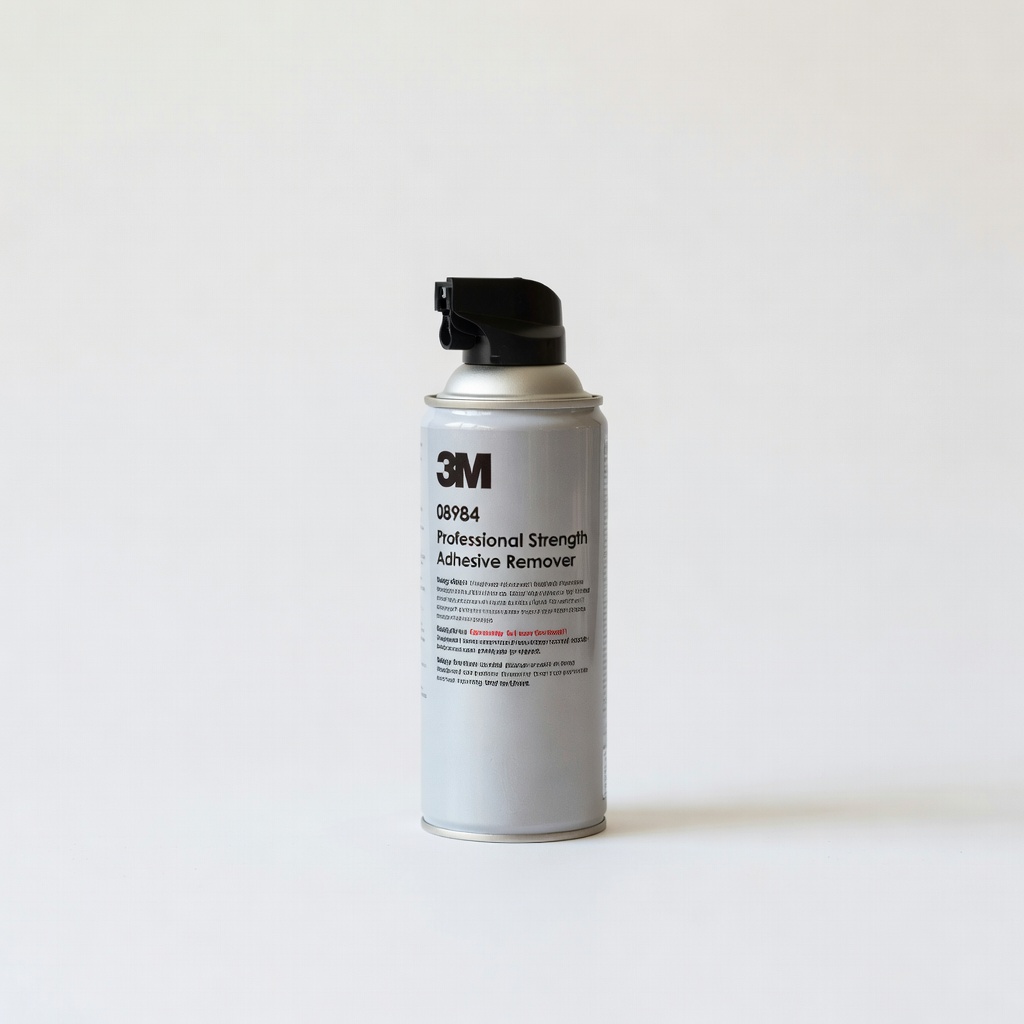
Commercial tape, vinyl graphics removal.
3M 08984 Professional Strength Adhesive Remover Industrial-grade yet paint-safe, evaporates cleanly for pro results on tough residues.
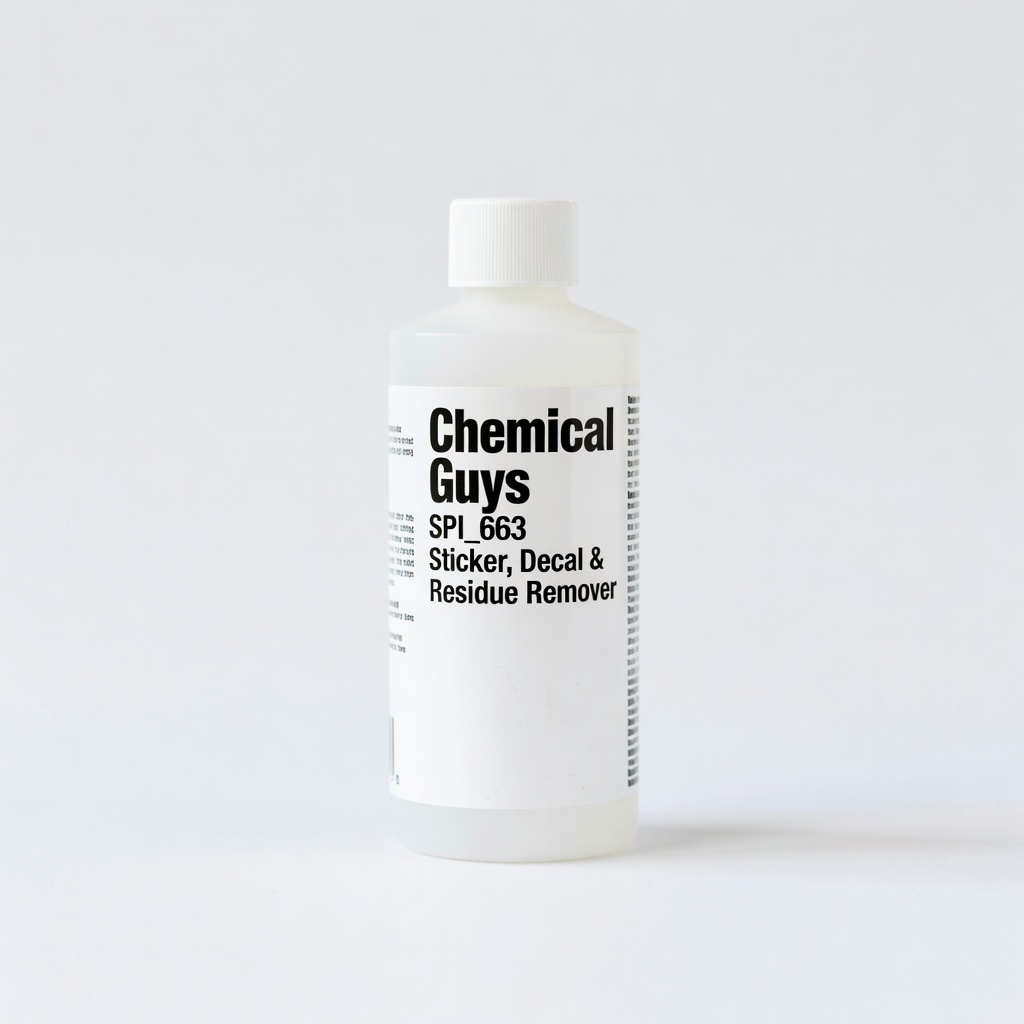
Light residues on show cars or daily drivers.
Chemical Guys SPI_663 Sticker, Decal & Residue Remover Non-toxic, water-based with pleasant scent; gentle on all automotive surfaces.
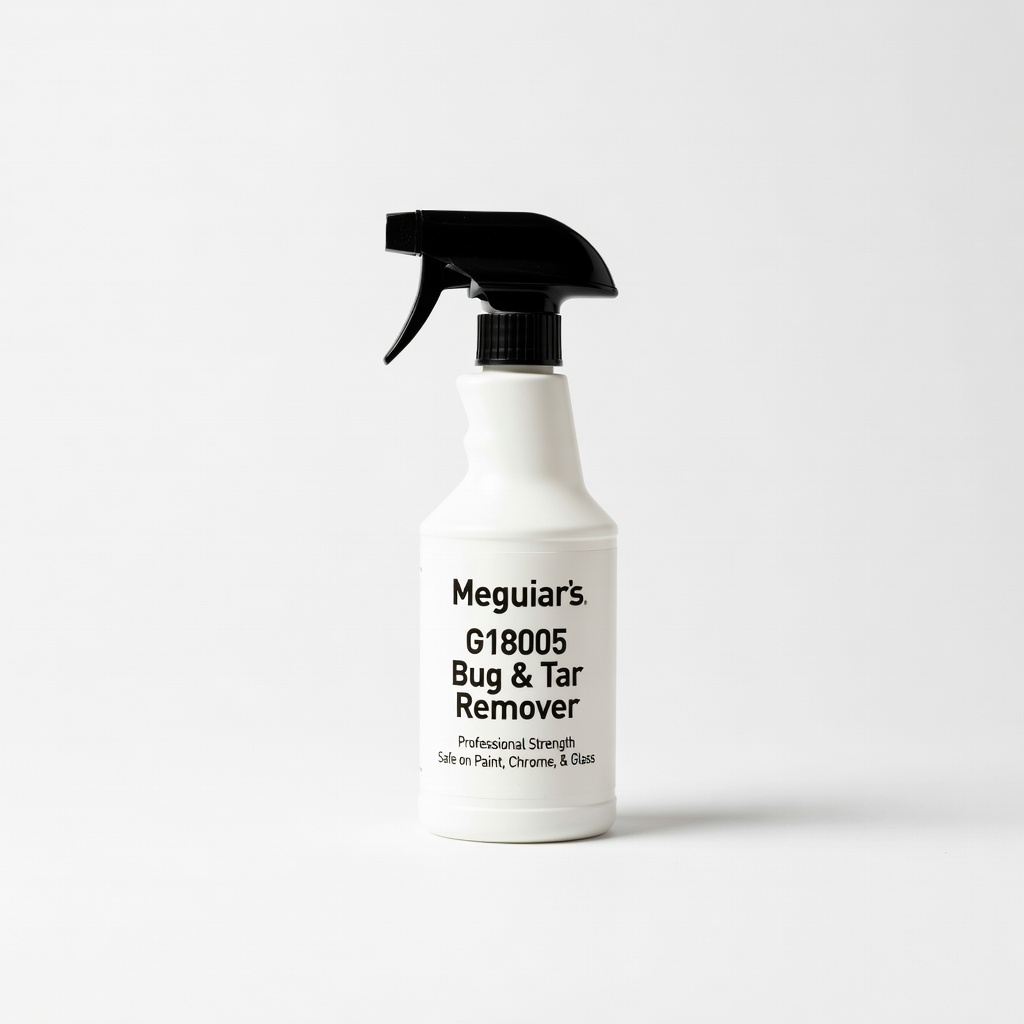
Road tar mixed with adhesive.
Meguiar's G18005 Bug & Tar Remover Emulsifies sticky tar/adhesives safely, rinses easily without dulling.
Spot-cleaning after primary remover.
Isopropyl Alcohol 99% (TechGrade) Cheap, effective final wipe for residue traces; evaporates instantly.