

3M 94 EZ Primer
DIY auto trim, signage on polyolefins.
$25-$30
3M 94 EZ Primer Universal for plastics/rubber; aerosol ease, bonds PE/PP to adhesives instantly.
Get the App
Better experience on mobile
Master selecting and applying top adhesive primers for unbreakable bonds on plastics, metals, and low-energy surfaces in under an hour.
Struggling with adhesives that peel off slick plastics like polyethylene (PE), polypropylene (PP), or PTFE? These hard-to-bond surfaces resist standard glues due to low surface energy, leading to failed projects in automotive, DIY, or industrial repairs. Without the right primer, you're wasting time and money on rework.
This guide teaches you how to identify tricky surfaces, choose the best adhesive primers, and apply them step-by-step for 5x stronger bonds. Expect pro-level results with intermediate skills—no chemistry degree needed. Total process: 45-60 minutes per bond.
By the end, you'll confidently tackle 'impossible' bonds, saving hours on fixes.
Estimated Time: 45-60 minutes per application (prep: 15 min, priming: 5 min, bonding: 20-40 min) Difficulty: intermediate
Examine the material: Common culprits include polyolefins (PE/PP), PTFE (Teflon), powder-coated metals, silicone, or oily steels. Test by water break: Water beads up on low-energy surfaces—needs primer.
Why it matters: Wrong primer wastes product. Success: Label surface type (e.g., 'PP plastic').
Image description: Close-up of water beading on glossy plastic vs. wetting on primed metal.
💡 Tips:
⚠️ Warnings:
Lay out all items from 'What You Need'. Check primer expiration (most last 6-12 months opened).
Success: Workspace ready, no mid-step hunting. Why: Contamination ruins bonds.
Wipe with isopropyl alcohol-soaked cloth in one direction. Let dry 1-2 min. Repeat twice.
Removes oils, mold release agents. Expect: Surface feels dry, no residue. Why: 80% of failures from contamination.
💡 Tips:
⚠️ Warnings:
For smooth plastics/metals, scuff with 220-grit sandpaper in crosshatch pattern. Wipe clean again.
Creates mechanical keying. Skip for porous surfaces. Success: Dull matte finish without gouging.
Match to surface: Polyolefins → POP or 94; PTFE → specialized like Tech-Bond. See recommendations.
Shake aerosol 1 min or stir liquid. Success: Primer suited (e.g., clear liquid ready). Why: Chemical etching enables wetting.
💡 Tips:
Brush/swab thin layer (0.1-0.5 mil) or spray 6-8" away. Cover 1-2" beyond bond area. Let flash off 1-5 min (per label).
Expect tacky feel. Why: Too thick peels; too thin ineffective. Success: Uniform sheen, no runs.
⚠️ Warnings:
Within open time (5-30 min), add adhesive per instructions. Mate parts firmly.
Clamp 4-24 hrs. Success: No gaps, excess squeeze-out.
💡 Tips:
Allow full cure (check adhesive specs). Test with twist/pull—should fail substrate first.
Success: Rock-solid hold. Why: Validates process.
Problem: Bond fails after 24 hrs
Solution: Recheck cleaning/abrasion; contamination likely. Re-prime with fresh batch.
Problem: Primer won't adhere/wets unevenly
Solution: Surface too oily—degrease with acetone first, then alcohol.
Problem: White residue or crazing
Solution: Primer incompatibility—switch to recommended product; test small area.
Problem: Slow cure
Solution: Warm parts to 75°F; ensure ventilation isn't excessive.
Universal for plastics/rubber; aerosol ease, bonds PE/PP to adhesives instantly.
Best for: DIY auto trim, signage on polyolefins.
Price Range: $25-$30
Top for polyolefins; fast-evaporating solvent activates surface energy.
Best for: Industrial PP/PE bonding with cyanoacrylates.
Price Range: $35-$45
Excellent for PTFE/low-energy plastics; promotes instant cyanoacrylate grab.
Best for: Electronics, medical devices on slick surfaces.
Price Range: $28-$35
Versatile for 20+ plastics including nylon/PTFE; no harsh solvents.
Best for: Home repairs on mixed plastics.
Price Range: $15-$20
Budget aerosol for metals/plastics; quick-dry for high-volume use.
Best for: Workshop metal-to-plastic bonds.
Price Range: $12-$18
DIY auto trim, signage on polyolefins.
3M 94 EZ Primer Universal for plastics/rubber; aerosol ease, bonds PE/PP to adhesives instantly.
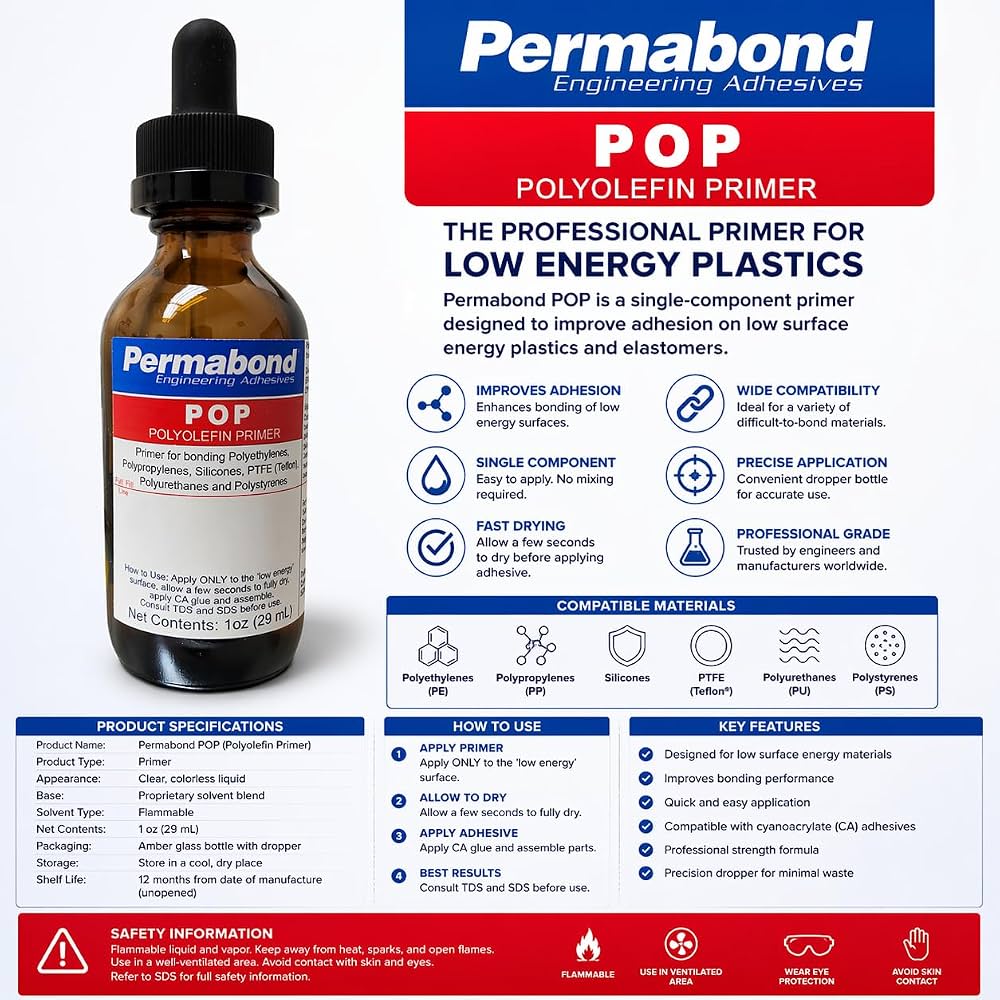
Industrial PP/PE bonding with cyanoacrylates.
Permabond POP Primer Top for polyolefins; fast-evaporating solvent activates surface energy.
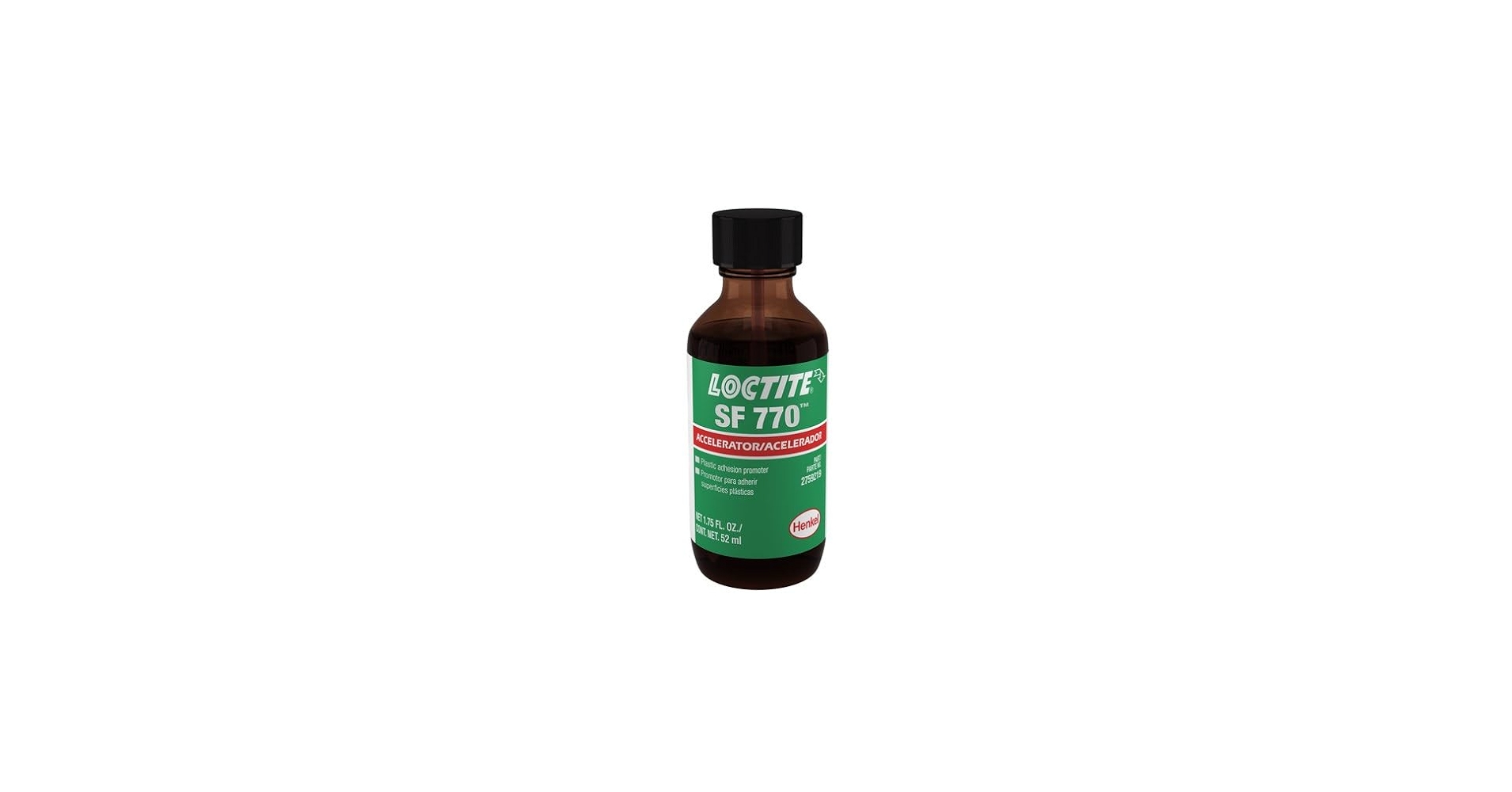
Electronics, medical devices on slick surfaces.
Loctite SF 770 Primer Excellent for PTFE/low-energy plastics; promotes instant cyanoacrylate grab.
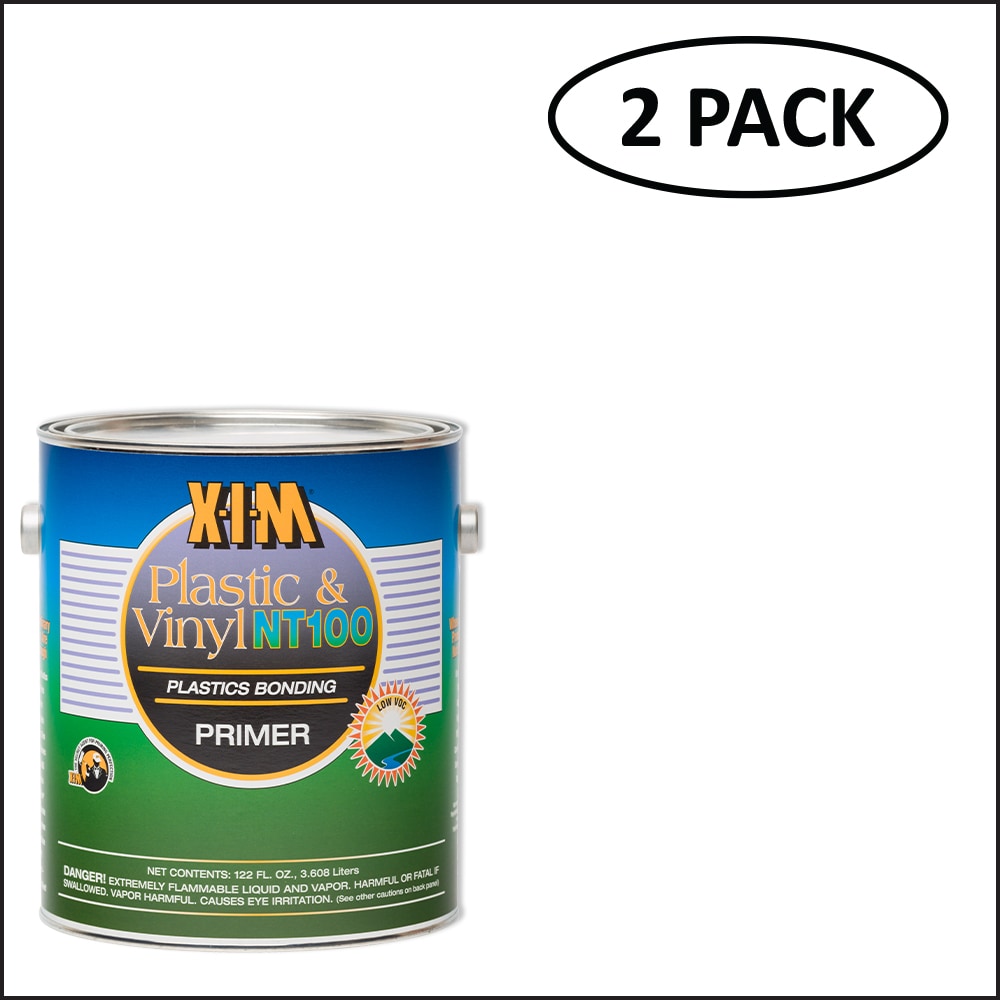
Home repairs on mixed plastics.
Tech-Bond TB1004 Plastic Primer Versatile for 20+ plastics including nylon/PTFE; no harsh solvents.
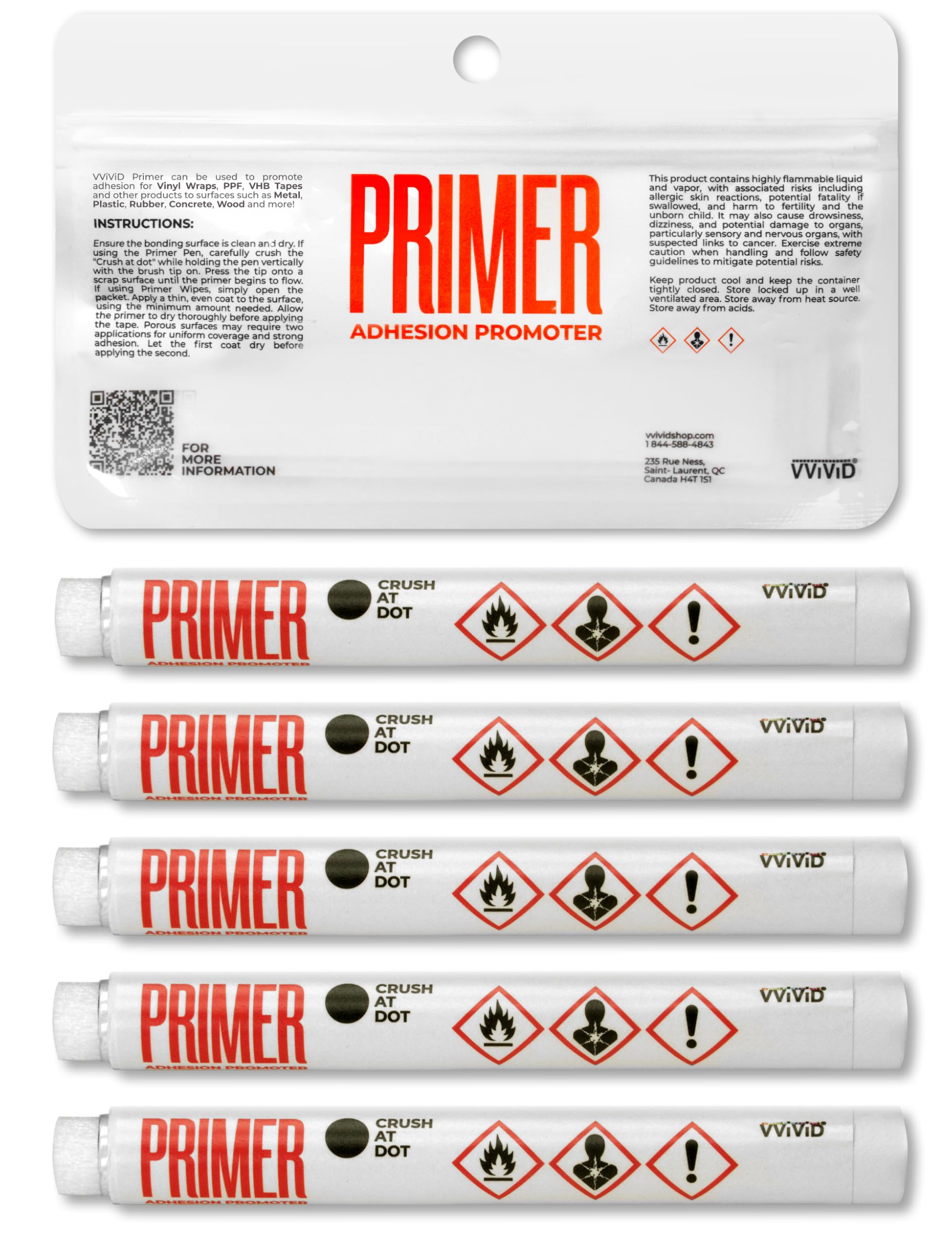
Workshop metal-to-plastic bonds.
IP INST-PRMR Adhesive Primer Budget aerosol for metals/plastics; quick-dry for high-volume use.