Diesel fuel prices are soaring, and if you're driving a truck, SUV, or heavy-duty vehicle, poor fuel efficiency can drain your wallet fast. Many diesel owners report 10-20% MPG losses from dirty injectors, low cetane, or poor lubricity. The good news? Fuel additives can restore efficiency, reduce emissions, and extend engine life without a mechanic visit.
In this guide, you'll learn how diesel additives work, the best types for efficiency gains, top product recommendations, and step-by-step usage. Expect to understand concepts like cetane boosting and detergency, plus real-world tips for measuring results. It's intermediate-level—no advanced chem knowledge needed, just 15 minutes to read and apply.
By the end, you'll confidently select and use additives to save $200+ yearly on fuel.
▸What You'll Need
- •Diesel-powered vehicle (truck, car, or equipment)
- •Fuel additive product (see recommendations)
- •Measuring cup or dispenser for precise dosing
- •Fuel log app or notebook to track MPG
- •Prerequisite: Basic knowledge of your vehicle's fuel system (e.g., tank capacity from manual)
Estimated Time: 15-20 minutes to read + 5 minutes per tank to apply
Difficulty: intermediate
▸Step-by-Step Instructions
Step 1: Understand Diesel Fuel Basics
Diesel fuel is a hydrocarbon mix with cetane (ignition quality), lubricity (to protect pumps), and detergents (to clean). Low-quality fuel from pumps leads to incomplete combustion, carbon buildup, and 5-10% efficiency loss.
Efficiency drops from injectors clogged by asphaltenes or water contamination. Additives counteract this by boosting key properties. Expect smoother running and better economy after consistent use.
Analogy: Think of diesel as soup—additives are spices that enhance flavor (combustion) without changing the base.
💡 Tips:
- •Check your manual for fuel specs (e.g., ultra-low sulfur diesel).
Step 2: Learn How Additives Boost Efficiency
Additives improve atomization, combustion speed, and reduce friction. Cetane boosters raise ignition delay by 2-8 points for quicker burns. Detergents dissolve deposits, restoring 4-7% MPG.
Why it matters: Better combustion = more energy from each gallon, fewer emissions, less regen cycles in DPF-equipped engines.
Studies (e.g., ASTM) show 2-10% gains in lab tests; real-world averages 3-5% with proper use.
⚠️ Warnings:
- •Not magic—combine with maintenance like filter changes.
Step 3: Evaluate Cetane Boosters
Cetane boosters like 2-EHN increase fuel's ignition quality (aim for 45-55 cetane). Ideal for off-road or winter diesel (often 40-42 cetane).
Benefits: Smoother starts, more power, 2-5% MPG gain. Use in high-mileage engines.
Example: Low cetane causes white smoke and lag—boosters fix it.
💡 Tips:
- •Test cetane with apps or kits for baseline.
Step 4: Prioritize Detergent Additives
Detergents (polyether amines) clean injectors and combustion chambers. Top for efficiency as dirty injectors spray poorly, wasting 5%+ fuel.
Real-world: Fleet tests show 7% MPG recovery after one tank. Polyisobutylene succinimides excel here.
Step 5: Consider Lubricity Enhancers
Ultra-low sulfur diesel (ULSD) strips lubricity, wearing high-pressure pumps. Additives like fatty esters restore it, preventing 1-3% efficiency loss from friction.
Use case: Common in Cummins or Duramax engines. Reduces wear, indirectly boosts MPG.
⚠️ Warnings:
- •Avoid over-lubricating—follow treat rates.
Step 6: Explore Multi-Functional Blends
Best efficiency from all-in-one: cetane + detergent + lubricity + anti-foam. These tackle multiple issues for 5-8% gains.
Why top-rated: Convenience and synergy. Examples stabilize fuel up to 2 years.
💡 Tips:
- •Choose diesel-specific; gas additives damage pumps.
Step 7: Select the Best Additive for Your Needs
Match to issues: MPG drop? Detergents. Hard starts? Cetane. Match treat rate to tank size (e.g., 1 oz/10 gal).
Prioritize OEM-approved (e.g., API-rated) for warranties.
Step 8: Apply Additives Correctly
Add to empty tank, then fill with 20-100 gal diesel. Shake bottle first. Use every tank or per label (e.g., 2x/year shock treatment).
Expect: Noticeable idle smoothness in 100 miles; MPG up in 300.
💡 Tips:
- •Log pre/post MPG: miles driven ÷ gallons used.
Step 9: Measure and Optimize Results
Track MPG over 3 tanks. Adjust based on conditions (towing cuts gains). Combine with air filter cleans for 10%+ total boost.
Pro metric: Use OBD scanner for fuel trims.
⚠️ Warnings:
- •Ignore one tank—averages matter.
▸Pro Tips
- •Buy in bulk for year-round use to save 20%.
- •Winter: Add anti-gel early (down to -10°F).
- •Shock treat quarterly: Double dose for deep clean.
- •Pair with biodiesel (B5-B20) for natural lubricity.
- •Use apps like Fuelly for precise MPG tracking.
- •Store additives in cool, dry place—shelf life 2+ years.
- •Test small: One bottle before committing.
▸Common Mistakes to Avoid
- •Overdosing: Causes smoking or filter clogs—stick to ratios.
- •Using gas additives: Damages diesel pumps permanently.
- •Expecting instant MPG: Needs 200+ miles and clean filters.
- •Ignoring fuel quality: Additives can't fix contaminated fuel.
- •Skipping logs: Can't verify gains without data.
▸Troubleshooting
Problem: No MPG improvement after one tank
Solution: Run 2-3 tanks; check tires, filters, driving habits. Retest.
Problem: Engine smokes or knocks
Solution: Wrong dose or bad batch—dilute with fresh diesel, consult mechanic.
Problem: Fuel filter clogs faster
Solution: Water in fuel—drain separator; use water dispersants.
Problem: Warranty concerns
Solution: Choose API/Cummins-approved; keep receipts. Seek pro if unsure.
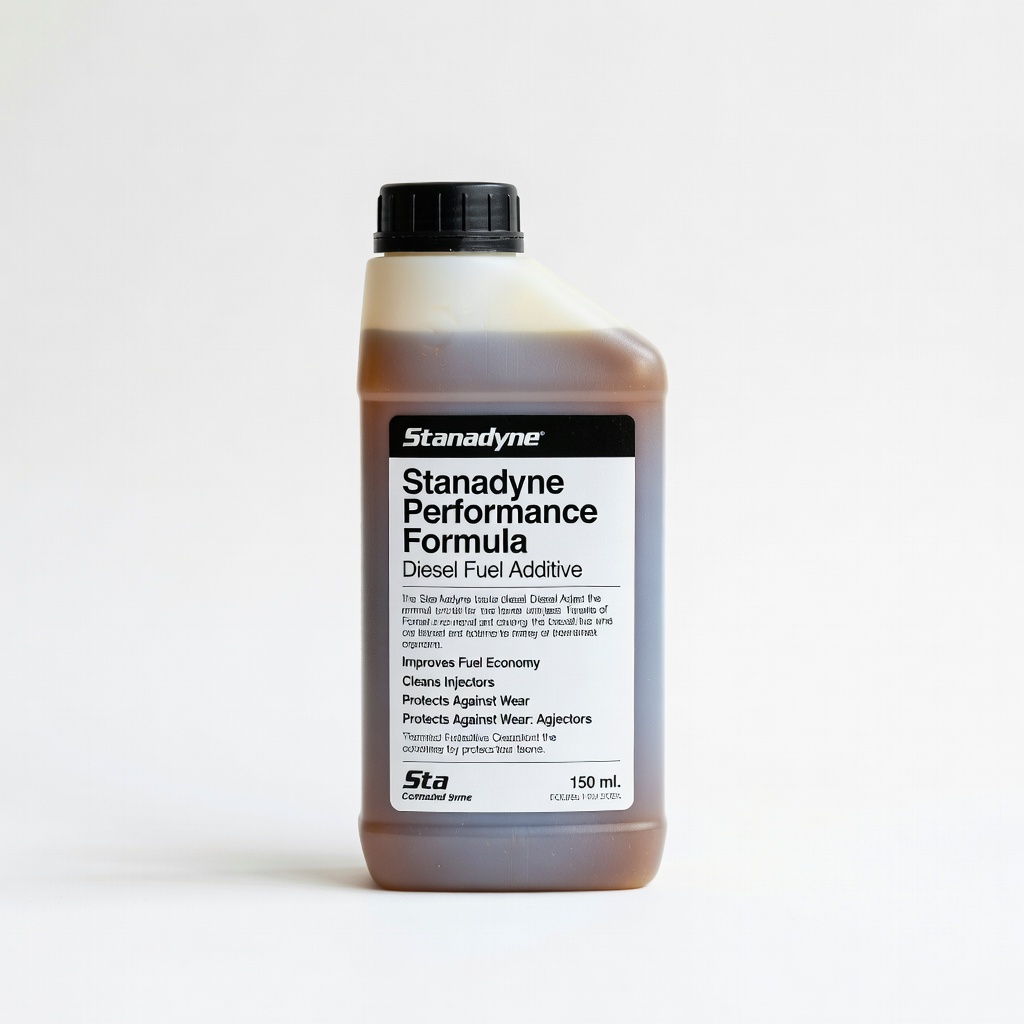
Stanadyne Performance Formula Diesel Fuel Additive
All-in-one: boosts cetane 6 pts, cleans injectors, restores lubricity—proven 4-7% MPG in fleet tests.
Best for: Daily drivers/high-mileage trucks for maintenance.
Price Range: $15-20
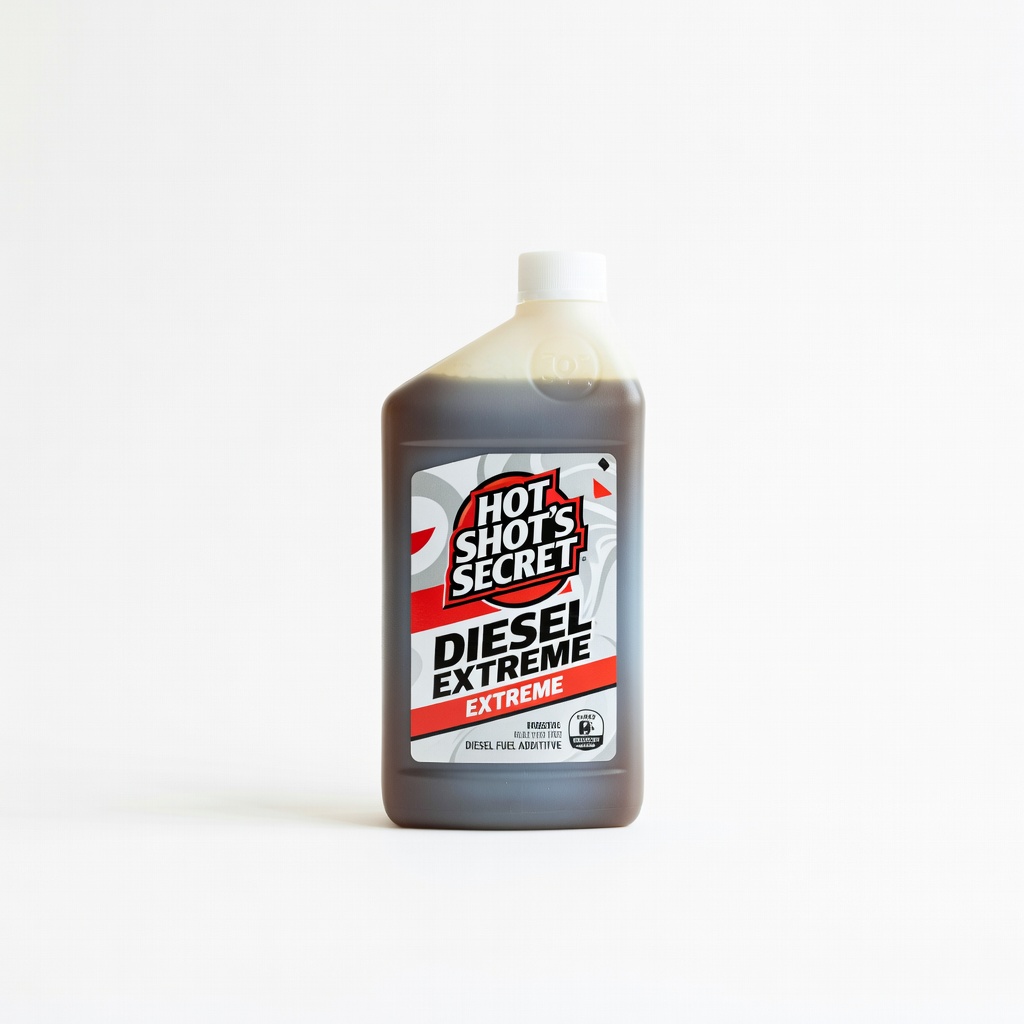
Hot Shot's Secret Diesel Extreme
Powerful cleaner dissolves asphaltenes; users report 5-8% MPG + longer DPF life.
Best for: Shock treatment every 6k miles for clogged systems.
Price Range: $25-35
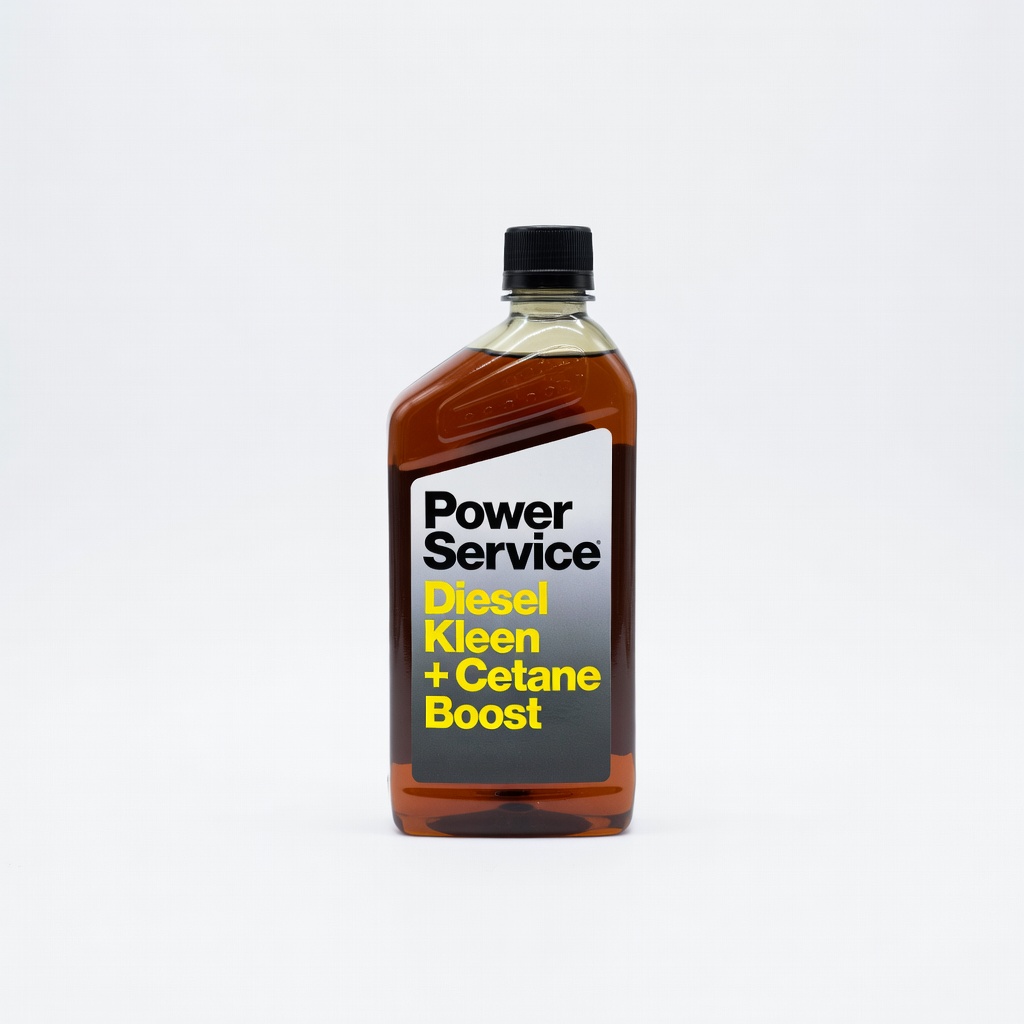
Power Service Diesel Kleen + Cetane Boost
Affordable cetane boost to 6 pts + detergents; budget pick for 3-5% gains.
Best for: Every tank in winter or low-cetane areas.
Price Range: $15-25
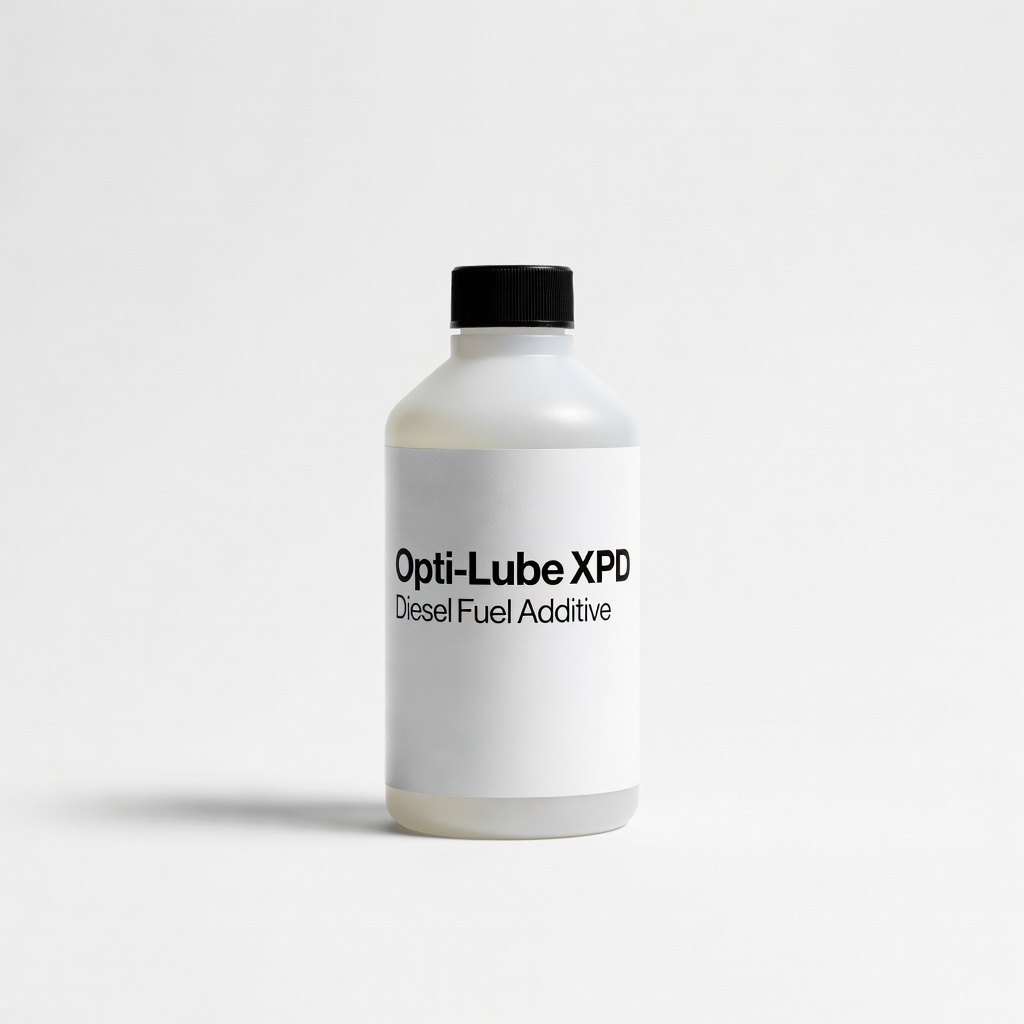
Opti-Lube XPD Diesel Fuel Additive
Superior lubricity (600% boost); ideal for modern common-rail engines.
Best for: Pump protection + efficiency in Duramax/Power Stroke.
Price Range: $35-45
Lucas Diesel Fuel Treatment
Multi-functional with anti-gel; great value for all-season use.
Best for: Cold weather + lubricity for pickups.
Price Range: $12-18