
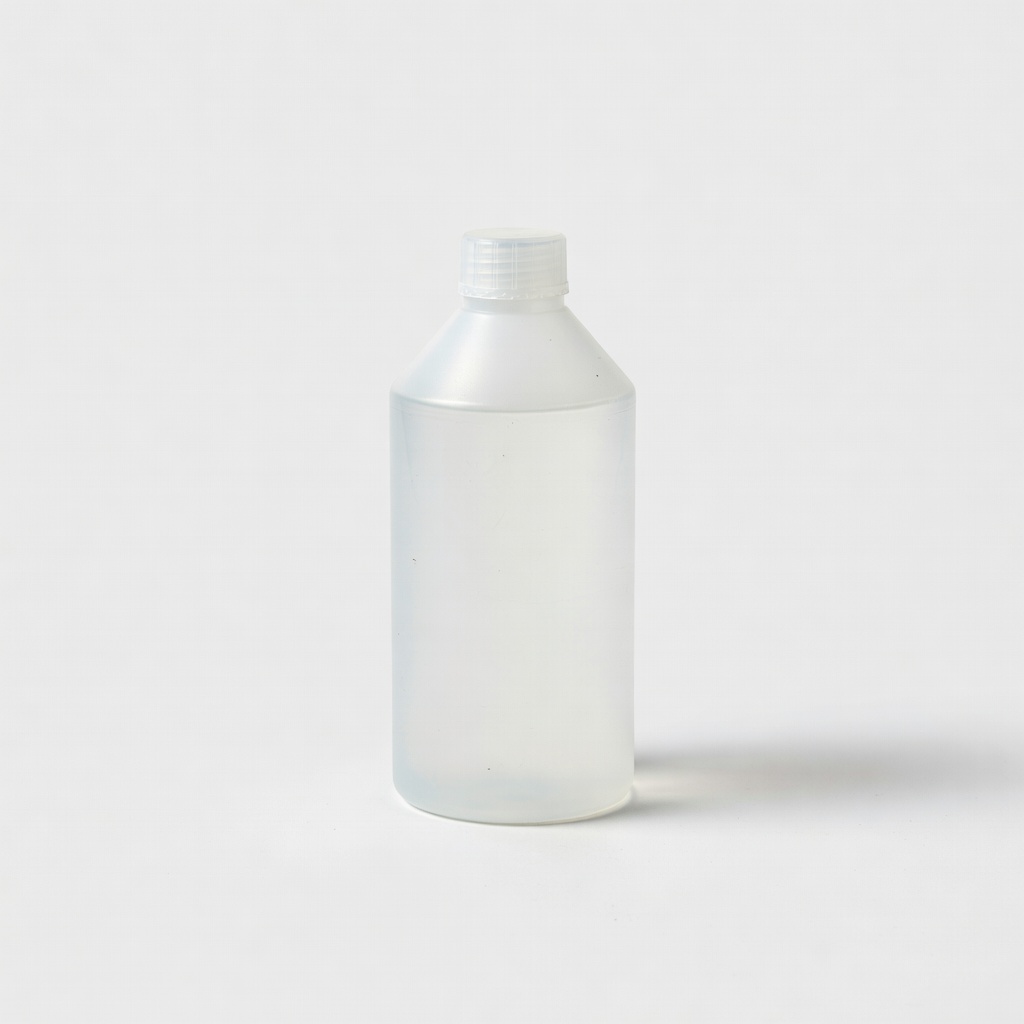
ISO-HEET Water Remover and Antifreeze
Gas engines in humid cold areas; add per tank.
$5-$10
ISO-HEET Water Remover and Antifreeze Top-rated de-icer absorbs up to 5x fuel volume in water, preventing ice-ups for reliable starts.
Get the App
Better experience on mobile
Learn top additives to prevent cold-start issues, improve fuel efficiency, and boost winter engine power with expert recommendations.
Winter's brutal cold can turn your reliable engine into a sluggish beast: hard starts, reduced power, poor fuel economy, and even fuel line freezing. For intermediate drivers who maintain their own vehicles, the right additives can make a huge difference by stabilizing fuel, cleaning components, and enhancing lubrication in sub-zero temps.
In this guide, you'll discover the best additives for engine performance in winter, why they work, and how to use them effectively. We'll break down types, selection criteria, and application steps—no advanced mechanic skills needed.
Expect a straightforward explainer: read in 20 minutes, apply in under 10 per tank. Perfect for gas and diesel engines facing seasonal woes.
Estimated Time: 20-30 minutes to read; 10 minutes per application Difficulty: intermediate
Cold weather thickens oil, causing poor lubrication and hard starts. Fuel can absorb moisture, leading to ice in lines or injectors, reducing combustion efficiency and power. Diesel faces gelling, while gas engines suffer vapor lock or weak octane.
Why it matters: These issues drop performance by 10-20% in winter. Understanding them helps pick targeted additives.
Expect: A checklist of symptoms like rough idling or hesitation.
💡 Tips:
⚠️ Warnings:
Fuel additives: De-icers (absorb water), anti-gels (for diesel), cleaners (remove deposits). Oil additives: Viscosity modifiers, pour-point depressants for better cold flow.
Analogy: Like adding antifreeze to coolant, these prevent 'freezing' in fuel/oil systems.
Performance boost: Clean injectors improve atomization, raising MPG and horsepower by 5-10%.
💡 Tips:
Top for gas: Alcohol-based de-icers like methanol blends pull water from fuel. Stabilizers prevent oxidation in stored winter fuel.
Why: Prevents phase separation, ensuring consistent burn for power.
Expect: Smoother acceleration, fewer misfires.
⚠️ Warnings:
Polyether amines (PEA) dissolve carbon on injectors/valves, restoring spray pattern for better air-fuel mix.
Winter bonus: Cold exacerbates deposits. Use every 3,000 miles.
Real-world: +2-5 HP noticeable on dyno tests.
💡 Tips:
Viscosity index improvers (VII) reduce pour point, letting oil flow at -20°F. Avoid friction modifiers—they can gum up in cold.
Why: Faster oil pressure = less wear, sustained performance.
Pair with 0W-30/5W-30 synthetics.
Gas: Prioritize cleaners + de-icers. Diesel: Cetane boosters + anti-gel. Check compatibility (e.g., no zinc in modern engines).
Factors: Climate (-10°F needs stronger), mileage (high-mileage formulas).
Test: Run treated tank, monitor MPG/power.
💡 Tips:
Add to nearly empty tank, then fill up for dilution. Oil: Warm engine, add via dipstick tube.
Why sequential: Maximizes mixing.
Frequency: Every fill-up in severe winter; monthly otherwise.
⚠️ Warnings:
Track starts, MPG, smoke. Re-treat as needed.
Long-term: Combine with tune-ups for 15%+ gains.
Expect sustained performance through spring.
💡 Tips:
Problem: Worsening hesitation after adding
Solution: Flush tank or dilute with fresh fuel; check compatibility.
Problem: Oil thickening despite additive
Solution: Switch to full synthetic base oil; additive alone insufficient.
Problem: No performance gain
Solution: Clean full system (TB/injectors); retest after 100 miles.
Problem: Fuel gelling in diesel
Solution: Use crystal-clear anti-gel weekly; warm fuel lines.
Top-rated de-icer absorbs up to 5x fuel volume in water, preventing ice-ups for reliable starts.
Best for: Gas engines in humid cold areas; add per tank.
Price Range: $5-$10
Cleans injectors, stabilizes fuel, lubricates for 3-5% power/MPG boost in winter.
Best for: All engines; treat every 2,000 miles.
Price Range: $10-$15
Increases cetane/octane, cleans system for smoother cold performance.
Best for: Gas/diesel; severe winter or high-mileage.
Price Range: $10-$12
Prevents gelling down to -10°F, boosts cetane for power.
Best for: Diesel trucks in extreme cold.
Price Range: $10-$20
PEA-based cleaner restores injectors for optimal winter combustion.
Best for: Direct injection engines; monthly.
Price Range: $8-$12
Gas engines in humid cold areas; add per tank.
ISO-HEET Water Remover and Antifreeze Top-rated de-icer absorbs up to 5x fuel volume in water, preventing ice-ups for reliable starts.
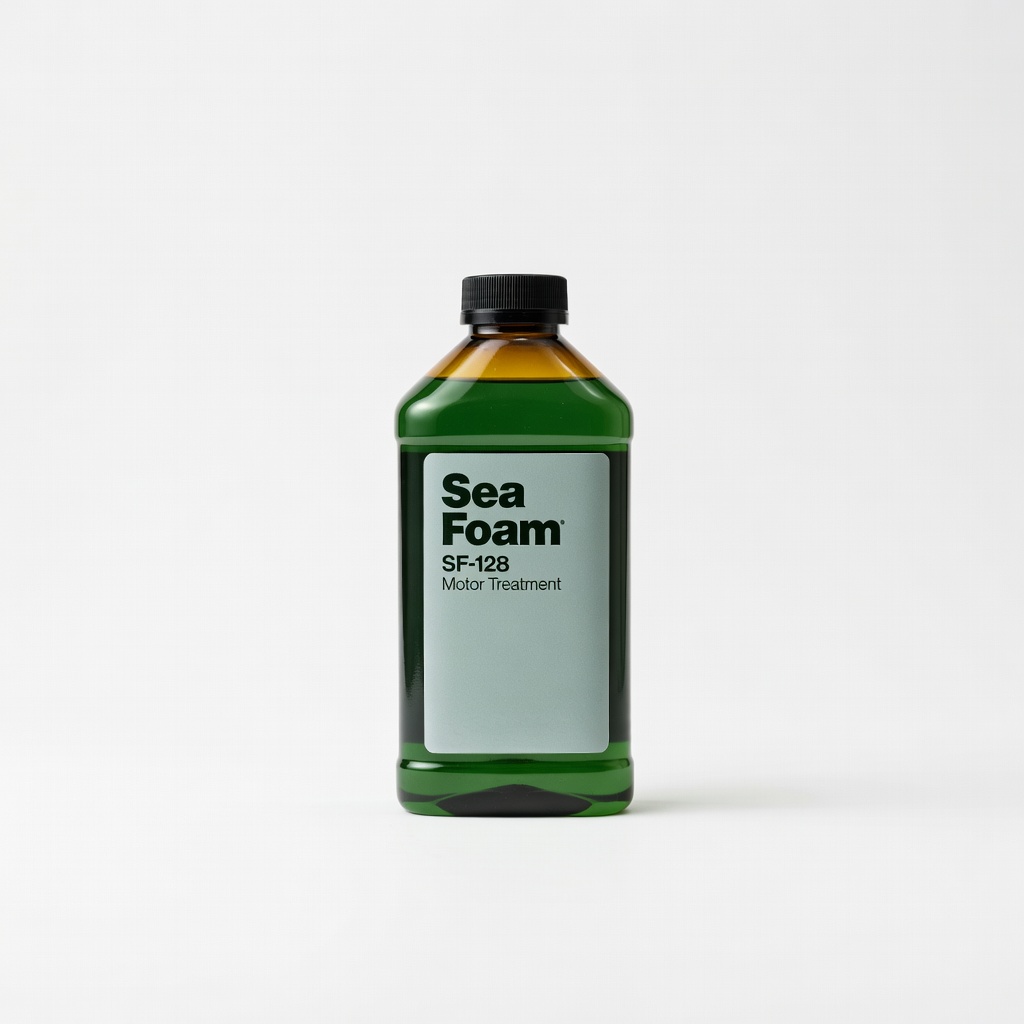
All engines; treat every 2,000 miles.
Sea Foam SF-128 Motor Treatment Cleans injectors, stabilizes fuel, lubricates for 3-5% power/MPG boost in winter.
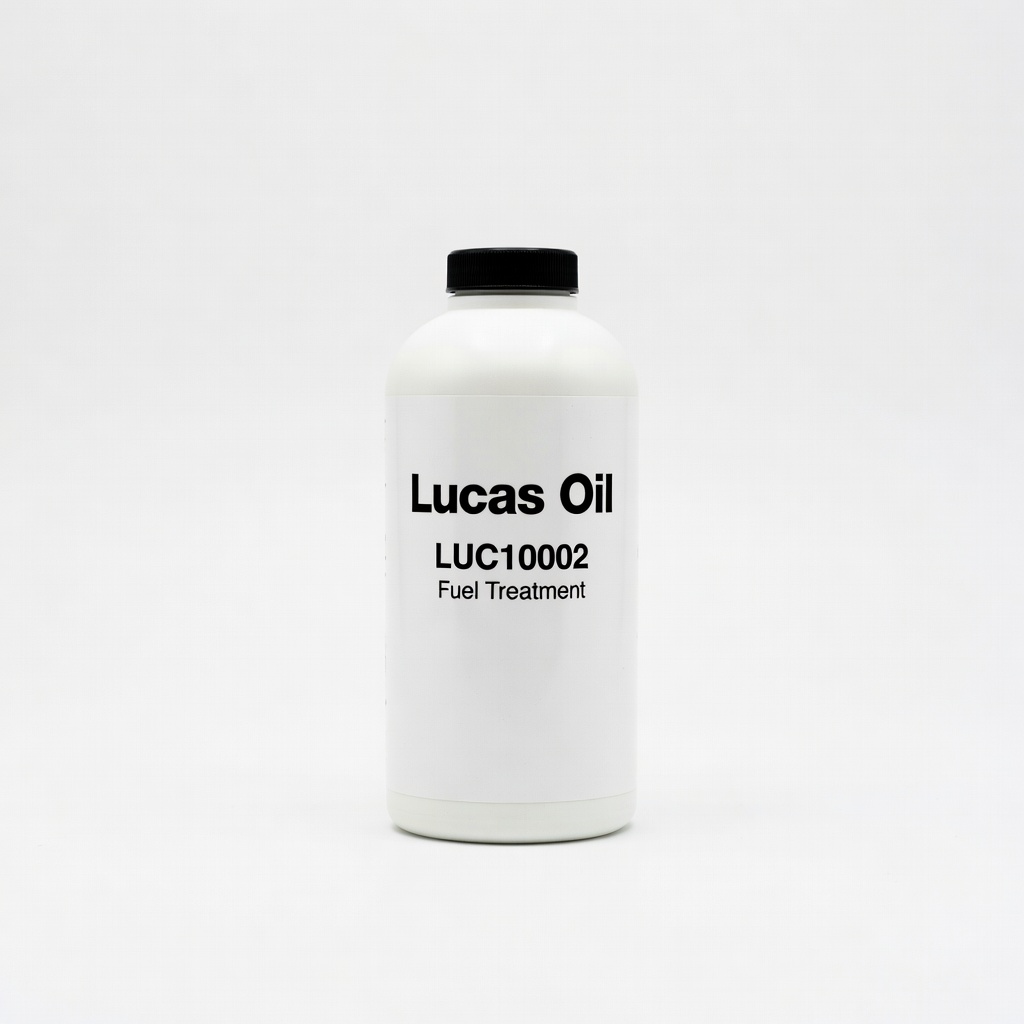
Gas/diesel; severe winter or high-mileage.
Lucas Oil LUC10002 Fuel Treatment Increases cetane/octane, cleans system for smoother cold performance.
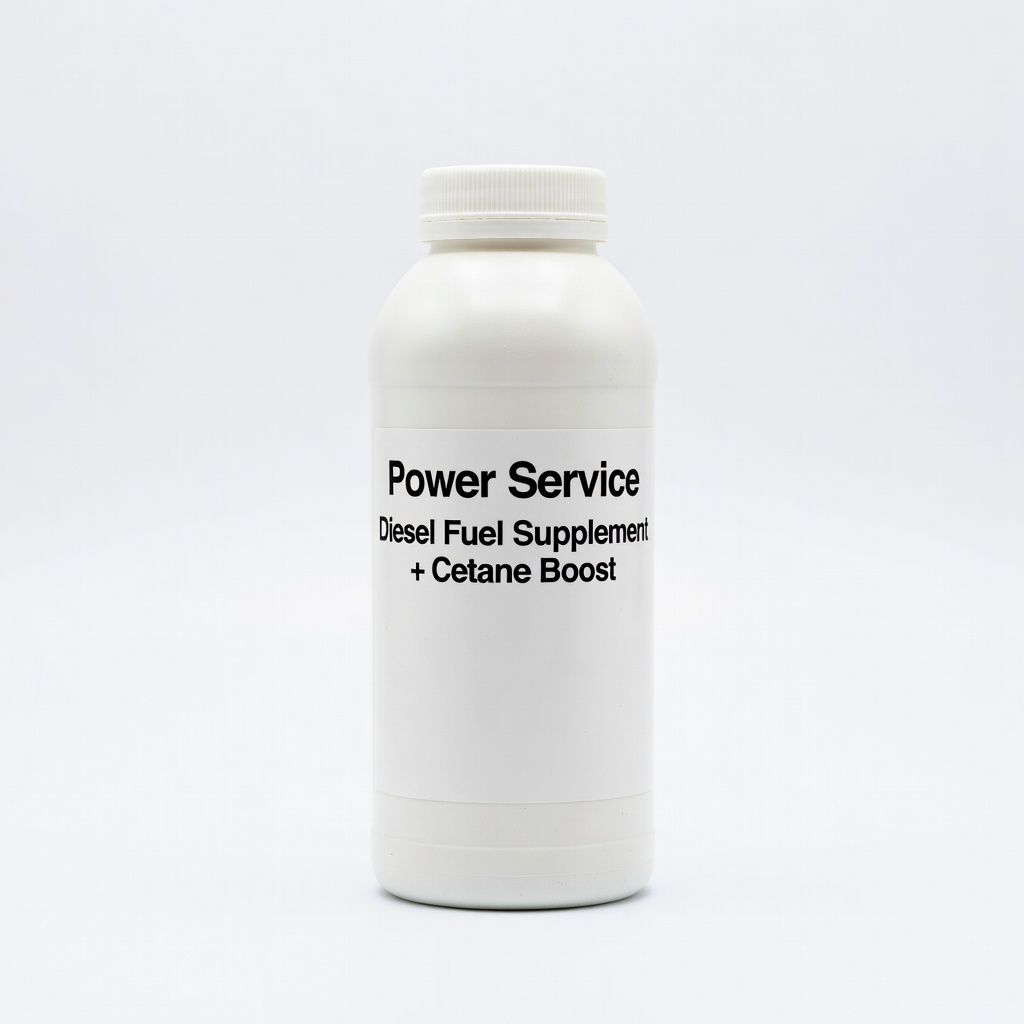
Diesel trucks in extreme cold.
Power Service Diesel Fuel Supplement + Cetane Boost Prevents gelling down to -10°F, boosts cetane for power.
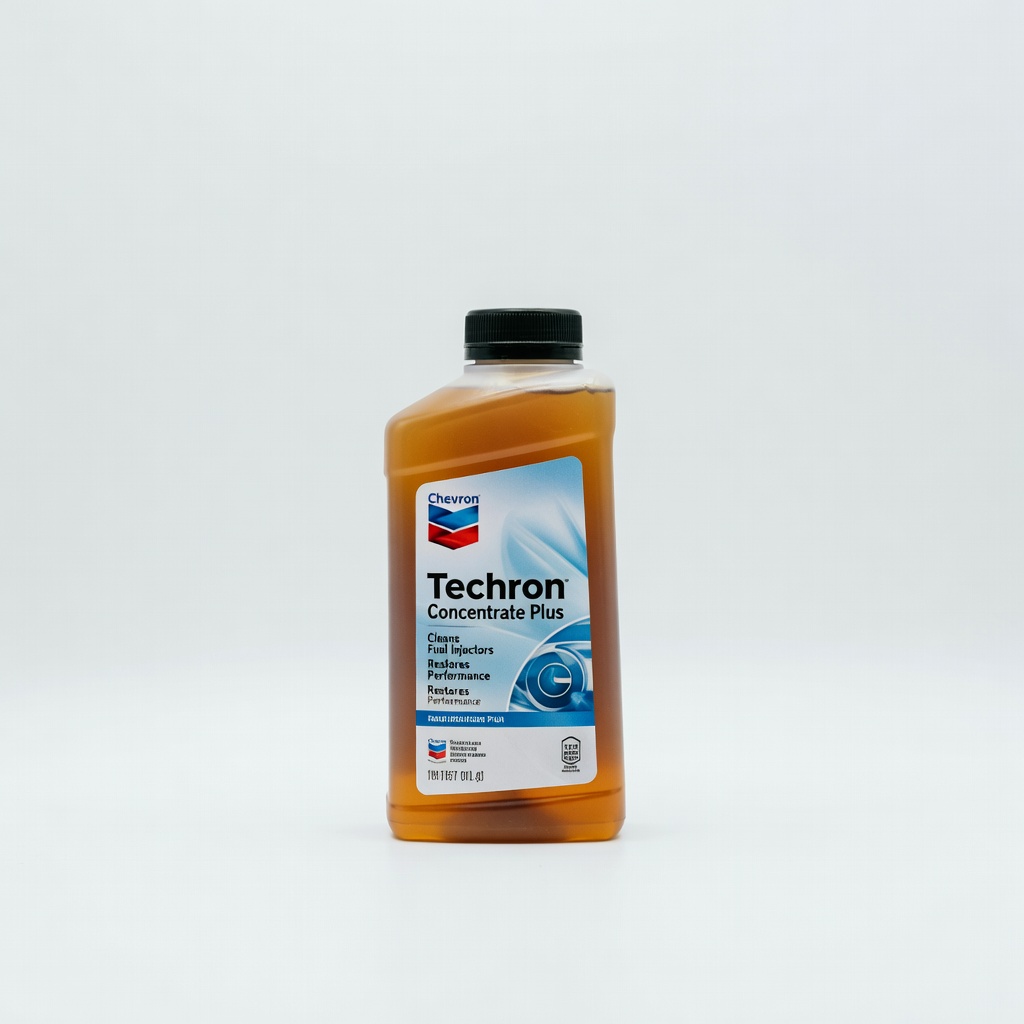
Direct injection engines; monthly.
Chevron Techron Concentrate Plus PEA-based cleaner restores injectors for optimal winter combustion.