In advanced prototyping, the right additive manufacturing (AM) product can slash iteration times from weeks to days, enabling functional testing of complex geometries that traditional methods can't touch. Engineers and product designers often struggle with balancing resolution, material strength, speed, and cost—picking the wrong tech leads to scrapped prints or weak prototypes.
This guide breaks down the best AM products for prototyping in 2025, comparing FDM, SLA, SLS, and hybrids. You'll learn to evaluate technologies against your needs (e.g., high-detail medical models vs. durable automotive parts), see real-world benchmarks, and get vetted recommendations. Expect 25-35 minutes to read, evaluate options, and decide on your next buy—no beginner fluff, just advanced insights.
We'll cover key factors like build volume, accuracy (±0.01mm tolerances), throughput (parts/hour), and ecosystem integration, drawing from industry standards like ISO/ASTM 52900.
▸What You'll Need
- •Proficiency in CAD software (e.g., SolidWorks, Fusion 360)
- •Understanding of AM processes (FDM, SLA, SLS basics)
- •Access to post-processing tools (IPA wash, curing station, sandblaster)
- •Budget range: $500-$10,000+
- •Optional: Slicing software experience (e.g., PrusaSlicer, Chitubox)
Estimated Time: 25-35 minutes
Difficulty: advanced
▸Step-by-Step Instructions
Step 1: Define Your Prototyping Requirements
Start by mapping your needs: part size (build volume in mm³), resolution (layer height 10-100µm), material properties (flexible TPU vs. rigid nylon), and throughput (1-100 parts/day). For advanced users, quantify tolerances—e.g., ±0.05mm for consumer electronics vs. ±0.01mm for microfluidics.
Why it matters: Mismatched specs waste 30-50% of print time. Use a decision matrix: score techs on speed (mm³/h), cost/part ($0.10-$5), and strength (MPa tensile). Expect a spec sheet that filters 80% of options upfront.
Image description: Decision matrix table comparing prototyping needs vs. AM techs (FDM, SLA, SLS) with scores.
💡 Tips:
- •Prioritize 2-3 must-haves like 'chemical resistance' over nice-to-haves.
⚠️ Warnings:
- •Avoid over-spec'ing; 90% of prototypes don't need SLS-level detail.
Step 2: Evaluate FDM for Functional Prototypes
FDM (Fused Deposition Modeling) excels in affordable, strong parts using thermoplastics like ABS, PETG, or carbon-fiber composites. Layer heights 50-300µm suit mechanical prototypes (gears, enclosures).
Benchmarks: 10-200mm³/s speeds, ±0.2mm accuracy. Ideal for iterative design—print, test, tweak in hours. Drawbacks: visible layers, anisotropy (weaker interlayer bonds, 20-40% less strength).
Analogy: Like extrusion molding but voxel-by-voxel for complex infills (gyroid for vibration damping).
💡 Tips:
- •Use enclosure for ABS warping; enclosure boosts success 95%.
Step 3: Assess SLA/DLP for High-Detail Prototypes
Stereolithography (SLA) or Digital Light Processing (DLP) uses UV-cured resins for 25-50µm layers, ±0.025mm accuracy—perfect for jewelry, dental aligners, or optics.
Why superior for detail: Isotropic strength, smooth surfaces (Ra 0.5µm post-cure). Throughput: 1-10 detailed parts/hour. Cons: Brittle resins (10-60MPa), messy post-processing (washing, curing). Expect 2-4x detail vs. FDM.
Example: Formlabs resin prototypes turbine blades with micro-channels undetectable by FDM.
⚠️ Warnings:
- •Resin toxicity—use PPE, ventilation.
Step 4: Consider SLS/MJF for Production-Like Prototypes
Selective Laser Sintering (SLS) or Multi Jet Fusion (MJF) fuses nylon powders for durable, high-volume prototypes (PA12, 40-50MPa strength, no supports needed).
Advanced perks: 80-150µm layers, ±0.3mm accuracy, batch printing (20+ parts). Ideal for end-use testing (snap-fits, living hinges). Cost: $2-10/part at scale. Analogy: Powder-bed like selective metal printing but polymer.
Expect powder handling challenges but 90% density uniformity.
💡 Tips:
- •Blast cabinets reclaim 95% powder for cost savings.
Step 5: Factor in Hybrid and Metal-Capable Systems
Hybrids like Markforged add continuous fibers (Kevlar, carbon) to FDM for 2x strength. Emerging metal DMLS (e.g., Desktop Metal) for true functional prototypes.
When to use: Load-bearing parts (500MPa+). Tradeoff: $5k+ entry, slower (1-5cm³/h). Benchmarks show 5-10x FDM durability.
Pro tip: Pair with simulation software for failure prediction.
Step 6: Review Software and Material Ecosystems
Top products integrate with Ultimaker Cura, PreForm, or GrabCAD. Materials: Engineering-grade (e.g., Ultem 9085 for aerospace).
Why critical: Slicers optimize supports, infill (25-40% time savings). Expect vendor-locked ecosystems but open-source alternatives (OrcaSlicer).
Test compatibility: Download demos for your CAD exports.
⚠️ Warnings:
- •Ignore ecosystem = 20% failed prints.
Step 7: Compare Costs, Scalability, and Top Picks
Total ownership: Printer ($500-$50k) + materials ($50/kg) + maintenance (nozzles $20/ea). Scalability: FDM for low-volume, SLS for 100+.
Run ROI: Prototypes/week × value/part. Top for advanced: Speed-focused FDM, detail SLA. See recommendations below for vetted 2025 options.
💡 Tips:
- •Lease enterprise models for capex avoidance.
▸Pro Tips
- •Benchmark with standard models (3DBenchy, Torture Test) before buying.
- •Multi-material systems cut setup time 50%.
- •Automate post-processing (wash/cure stations) for 3x throughput.
- •Use AI slicers like OrcaSlicer for 20% faster prints.
- •Hybrid filaments (carbon-filled) for prototypes mimicking injection molding.
- •Monitor uptime with IoT dashboards (e.g., Bambu Cloud).
- •Recycle supports/resin for 30% cost reduction.
▸Common Mistakes to Avoid
- •Choosing max resolution without throughput needs—delays projects 2x.
- •Neglecting material certification (e.g., FDA for medical)—leads to redesigns.
- •Skipping calibration; causes 15-30% scrap rate.
- •Overlooking power/enclosure needs—warping in humid environments.
- •Buying consumer-grade for pro use—lifespan <1 year.
▸Troubleshooting
Problem: Layer shifting or ghosting
Solution: Tighten belts, level bed, reduce speed 20%; check for loose steppers.
Problem: Resin fails to cure
Solution: Verify UV wavelength match (405nm standard); replace resin if expired.
Problem: Powder clumping in SLS
Solution: Dry powder at 40°C/2hrs; use anti-static additives.
Problem: Weak interlayer strength
Solution: Increase nozzle temp 5-10°C, slow layer speed; use enclosure.
Bambu Lab X1-Carbon
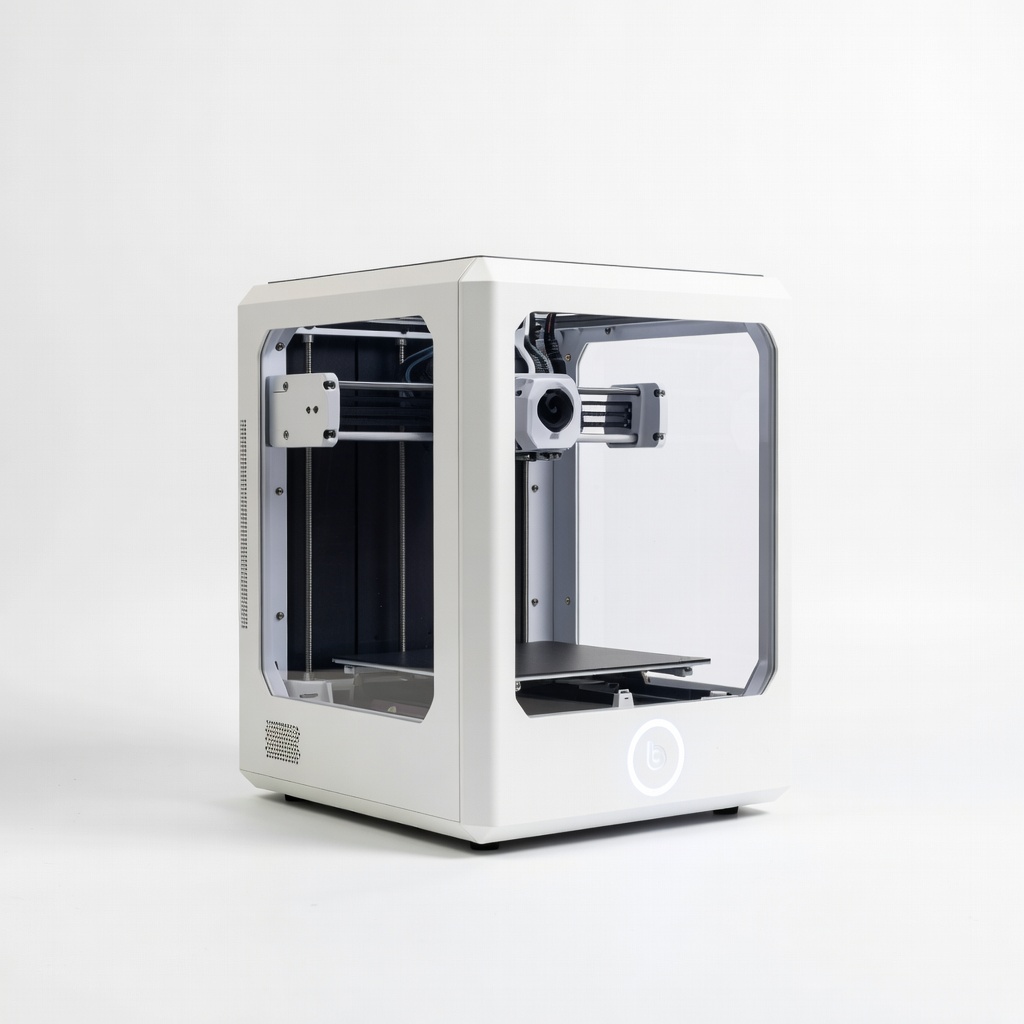
Blazing-fast CoreXY FDM (500mm/s) with AMS for multi-material prototyping; enclosed, LIDAR auto-leveling for 99% reliability.
Best for: High-iteration functional prototypes (enclosures, jigs) needing speed and strength.
Price Range: $1,200-$1,500
Formlabs Form 4
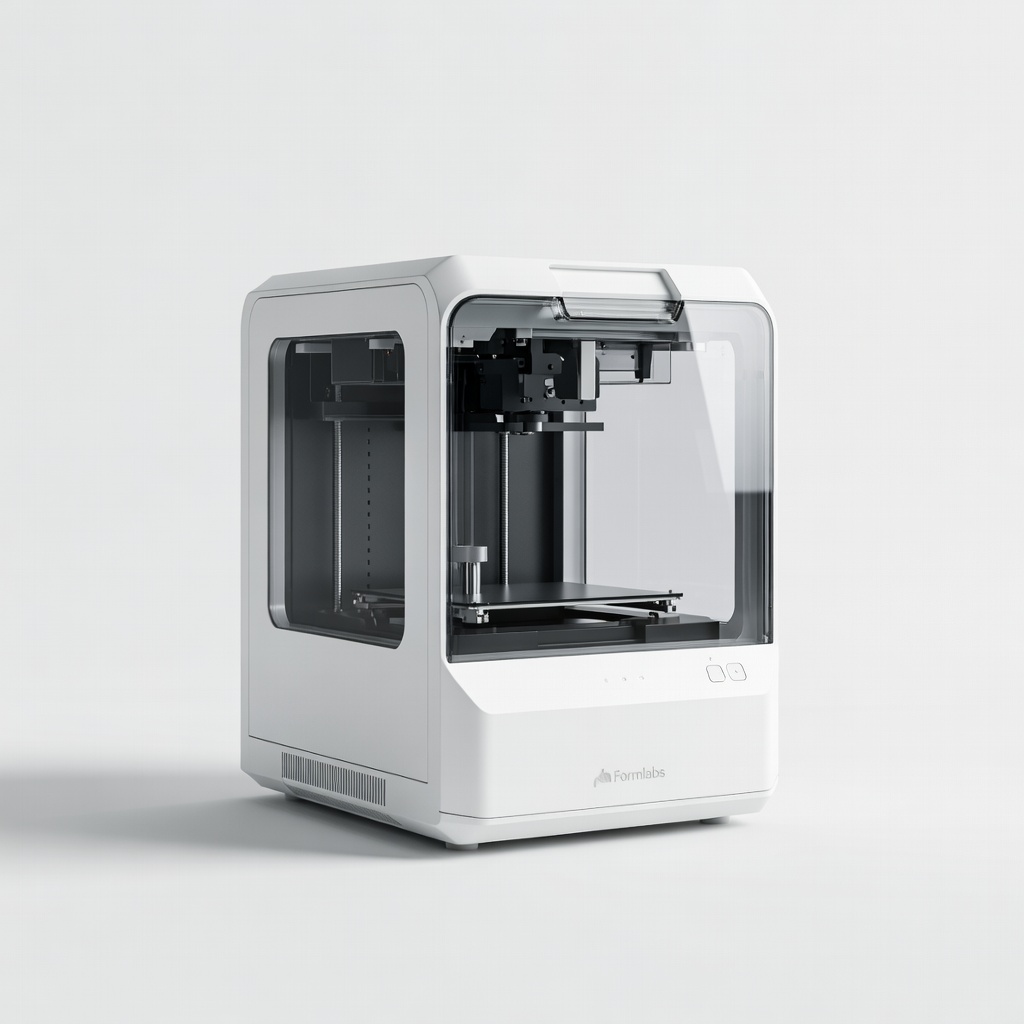
Latest MSLA with 40µm XY resolution, automated resin handling; 2-4x faster than Form 3 for detailed accuracy.
Best for: Precision prototypes (medical devices, consumer products) requiring smooth surfaces.
Price Range: $4,000-$5,000
Markforged Onyx Pro
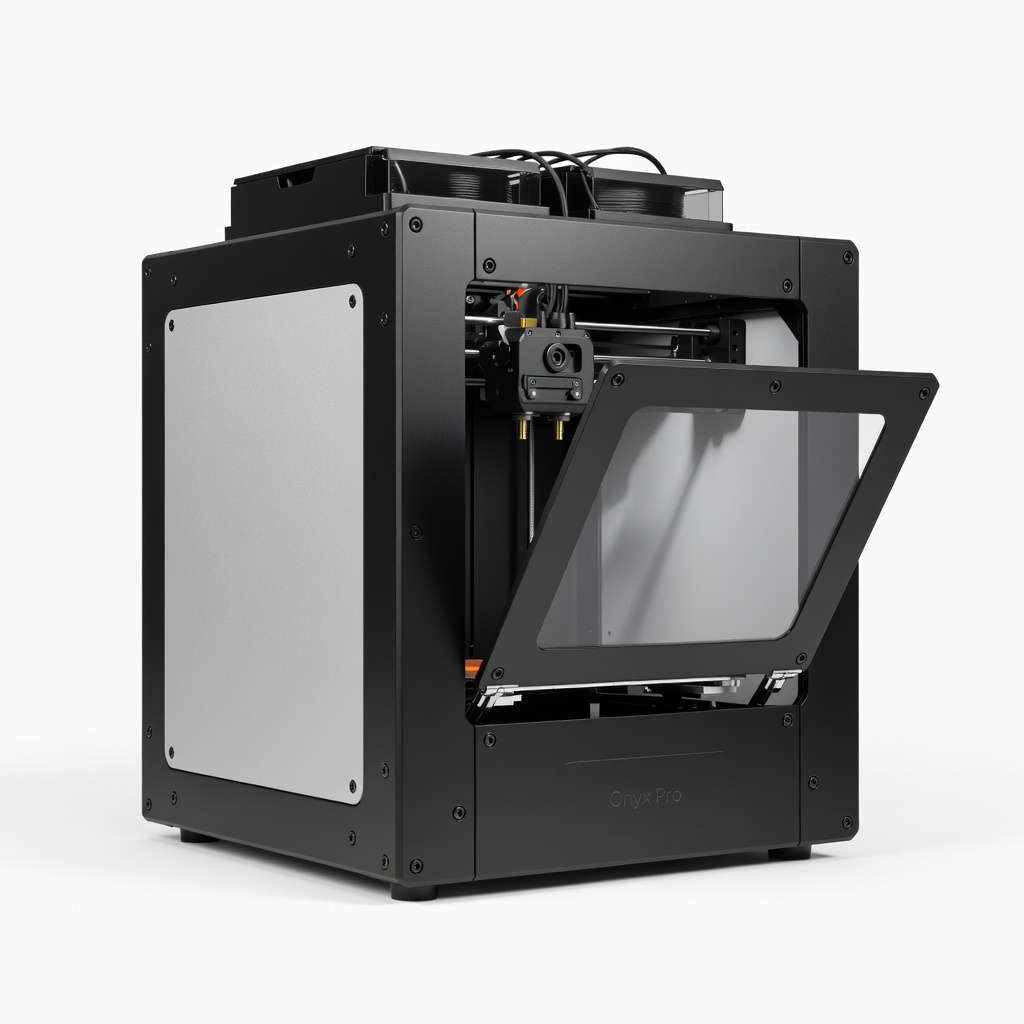
FDM with continuous carbon fiber reinforcement (1600MPa strength); industrial reliability for load-bearing tests.
Best for: Engineering prototypes mimicking final parts (automotive, robotics).
Price Range: $8,000-$10,000
Elegoo Saturn 4 Ultra
Affordable 12K resin printer (19µm pixels), tilt vat for 2x speed; great entry to pro SLA.
Best for: Detailed small-batch prototypes on budget (jewelry, miniatures).
Price Range: $500-$600
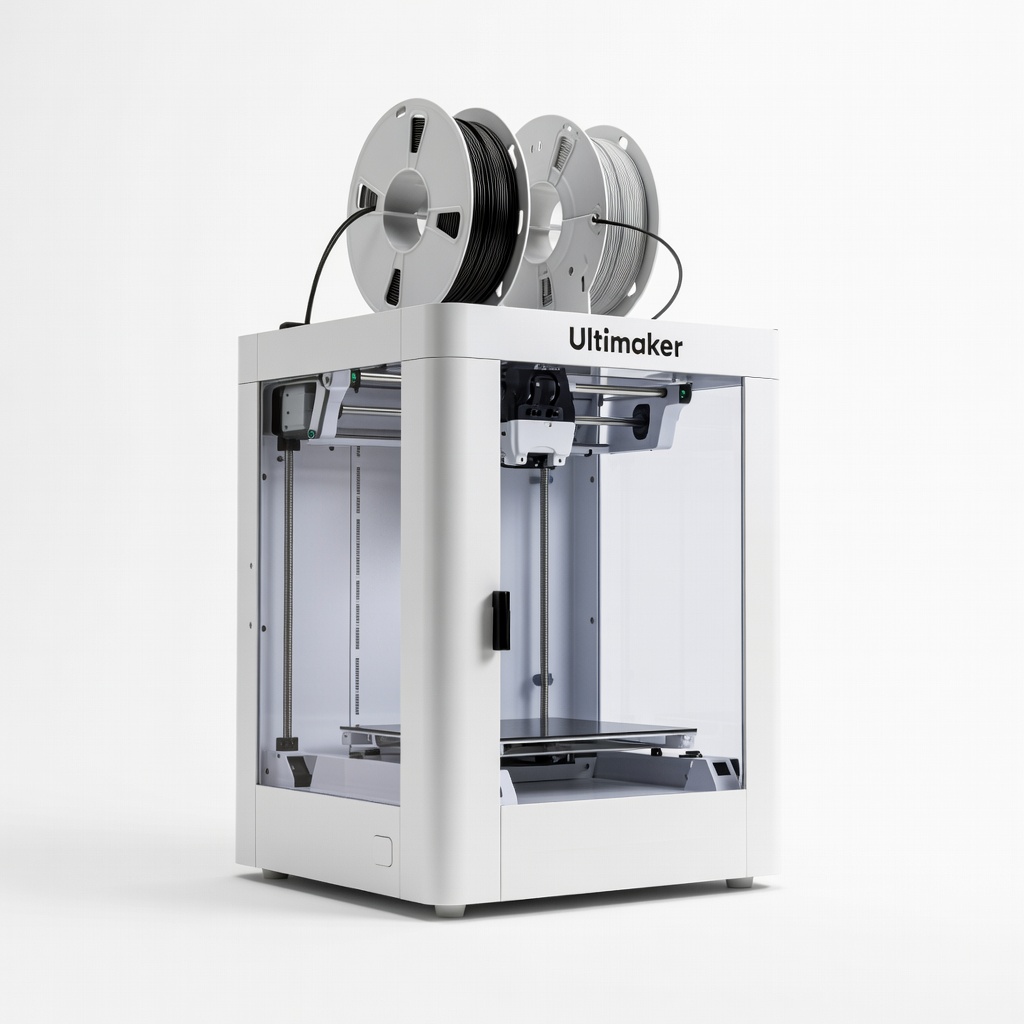
Ultimaker S5
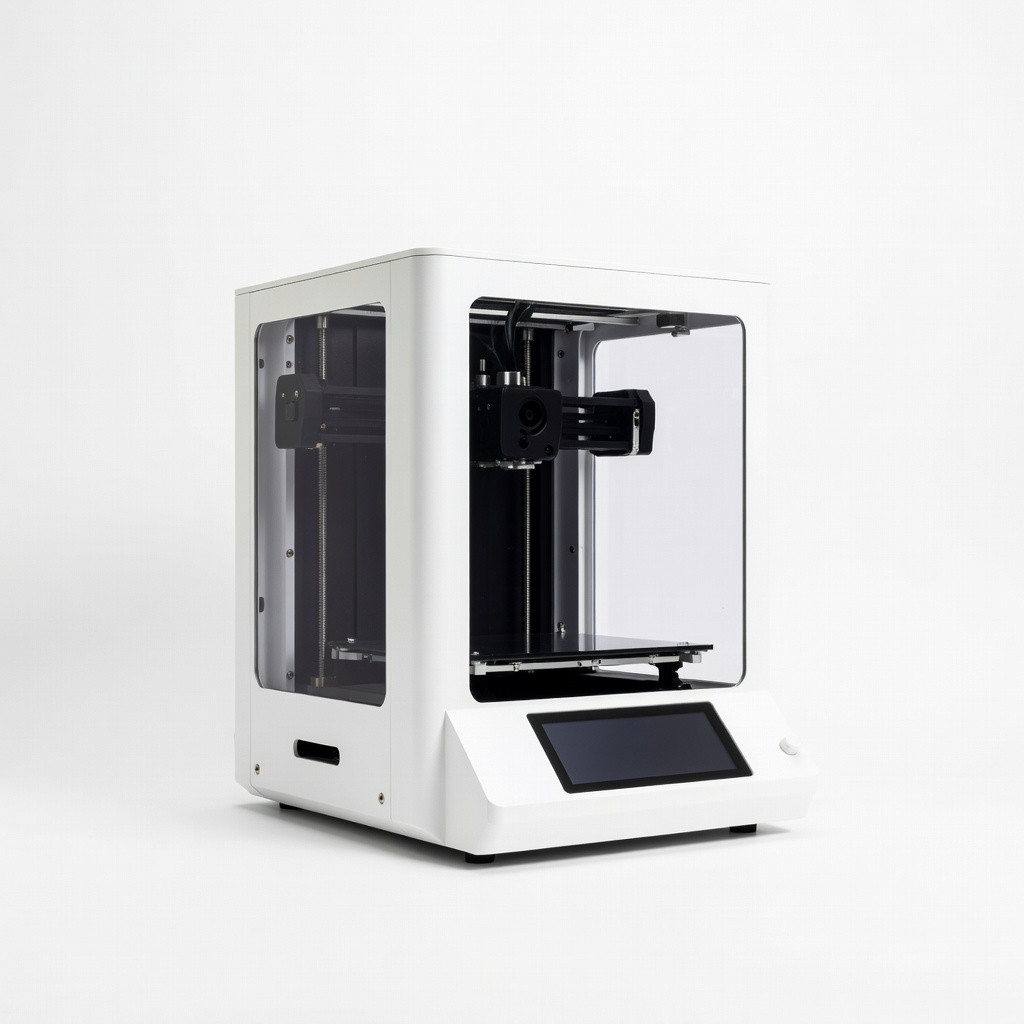
Pro FDM with dual extrusion, 330°C hotend for engineering materials (PEEK); air manager for cleanroom.
Best for: Scalable prototyping with exotic materials (aerospace, automotive).
Price Range: $6,500-$7,500