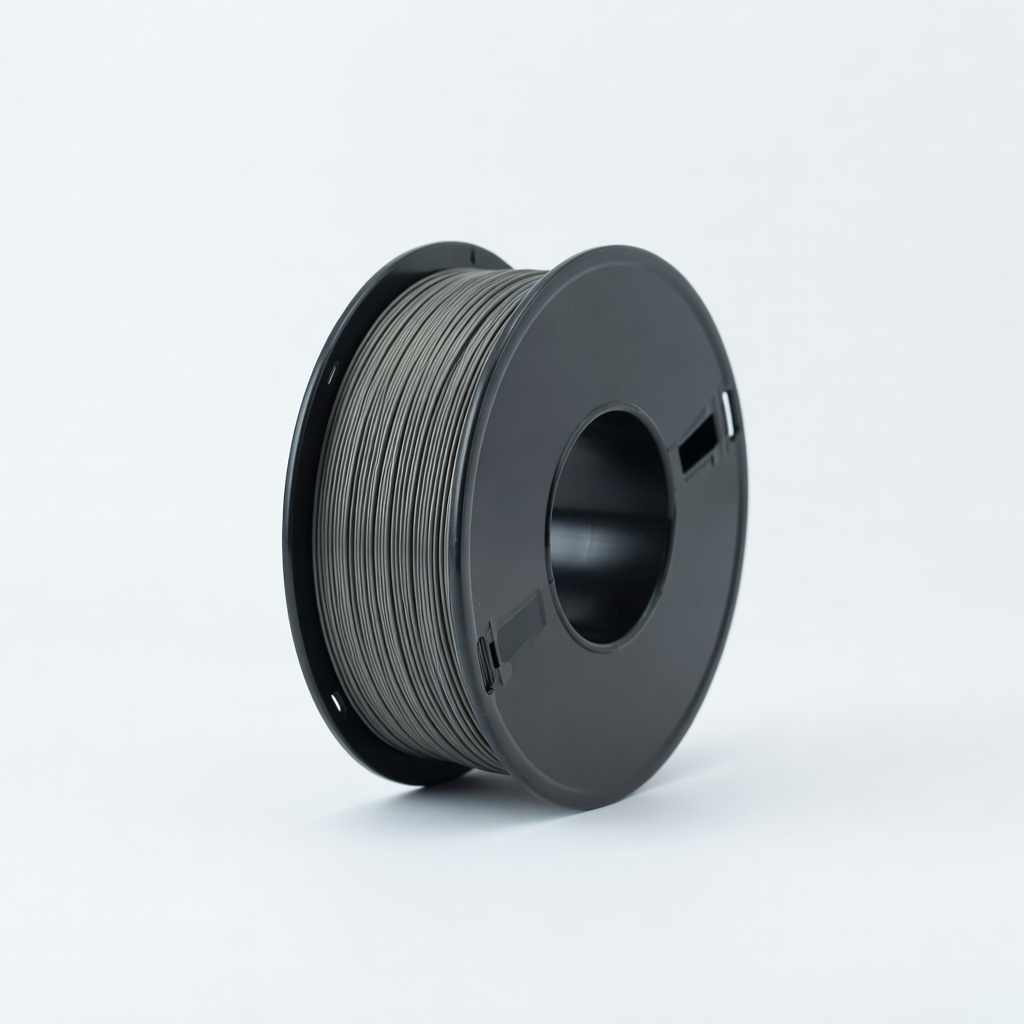
In advanced engineering fields like aerospace, automotive, and medical devices, metal prototyping via additive manufacturing (AM) is essential for iterating complex geometries quickly without expensive tooling. Traditional CNC or casting methods often fall short in speed and flexibility, leading to delays and higher costs. This guide tackles that pain point by breaking down the best products.
You'll learn key metal AM technologies, evaluation criteria, and top recommendations tailored for prototyping. Expect to gain the knowledge to choose machines that balance cost, speed, accuracy, and scalability. This explainer is designed for advanced users familiar with CAD and basic AM—no hands-on build required, just strategic insights.
Overview: We'll cover technologies like powder bed fusion and binder jetting, compare specs, and recommend proven products. Time investment: 30 minutes for full understanding.
▸What You'll Need
- •Prerequisite knowledge: Familiarity with CAD software (e.g., SolidWorks, Fusion 360) and AM processes like DMLS/SLM
- •Application specs: Define part size, material (e.g., Ti6Al4V, 316L), tolerances (±0.1mm typical)
- •Budget range: $100K-$1M+ for machines
- •Facility basics: Cleanroom setup, inert gas (argon/nitrogen), ventilation for powders (optional for binder jetting)
Estimated Time: 30-45 minutes
Difficulty: advanced
▸Step-by-Step Instructions
Step 1: Grasp Core Metal AM Technologies for Prototyping
Metal additive manufacturing uses layered deposition to create dense parts. Key techs: Powder Bed Fusion (PBF) includes Selective Laser Melting (SLM/DMLS) and Electron Beam Melting (EBM)—laser or electron beam melts metal powder layer-by-layer for high-density (99%+) parts. Binder Jetting deposits binder on powder, sinters later—faster, cheaper for prototypes. Directed Energy Deposition (DED) extrudes metal wire/powder via laser—good for repairs/large parts.
Why it matters: Prototyping favors PBF for detail (20-60μm layers) vs. binder jetting for speed (100s mm/hr). Analogy: PBF is like precision welding pixels; binder jetting is inkjet printing clay then baking.
Expect: SLM excels in strength (400-1200 MPa UTS), but slower (5-20 cm³/hr).
💡 Tips:
- •Start with hybrids like atomic diffusion additive manufacturing (ADAM) for office use.
Step 2: Define Your Prototyping Requirements
Assess needs: Part volume (e.g., <100mm³ for jewelry vs. 500mm for brackets), materials (17-4PH stainless for toughness, Inconel for heat), tolerances (±25μm for SLM), and throughput (prototypes/week).
Why: Mismatch leads to overkill (e.g., $500K SLM for simple brackets). Use decision matrix: Score techs on speed (high priority for iteration), resolution, material library.
Expect: Prototyping often prioritizes stainless/aluminum over exotics like titanium (higher cost).
⚠️ Warnings:
- •Avoid underestimating post-processing—sintering can shrink parts 20%.
Step 3: Evaluate Key Selection Criteria
Prioritize: Build volume (100x100x100mm compact vs. 500mm industrial), accuracy/repeatability (SLM: ±50μm), material compatibility (20+ alloys), speed (binder: 2x faster), operating cost ($/cm³: binder ~$1 vs. PBF $5-10), ease of use (front-loading vs. glovebox powder handling).
Secondary: Power (3-10kW laser), footprint (1-5m²), safety (Class 1 laser enclosure).
Why: Prototyping demands quick setup—favor plug-and-play over high-maintenance.
💡 Tips:
- •Calculate ROI: Prototypes at $50/hr vs. outsourcing $500/part.
Step 4: Compare Leading Technologies Head-to-Head
| Tech | Pros | Cons | Best For |
|---|
| SLM/DMLS | High density, properties match wrought | Slow, expensive powder | Functional prototypes |
| Binder Jetting | Fast, multi-material | Porosity post-sinter, shrinkage | Volume prototyping |
| EBM | Vacuum = low defects, fast | Coarse surface (50μm), alloys limited | Aerospace Ti parts |
Analogy: SLM is a Ferrari—fast in quality, thirsty; binder is a truck—hauls volume reliably.
Expect: Hybrids like Desktop Metal's binder + sintering hit prototyping sweet spot.
Step 5: Explore Top Machine Recommendations
Narrow to leaders: Compact SLM like Xact Metal XM200C (200W laser, 100mm build); binder systems like Markforged Metal X (ADAM process, office-safe); full prod like Desktop Metal Studio (triple binder heads).
Why: These balance prototyping needs—validated by NIST/ISO 52900 standards.
Expect: Entry ~$100K, mid $300K+; validate via demos.
💡 Tips:
- •Request material test coupons from vendors.
Step 6: Integrate Software and Materials Ecosystem
Pair hardware with slicers: Magics/Geomagic for nesting, Materialise BuildWorks for SLM params. Materials: EOS/GE powders (spherical 15-45μm).
Why: Poor software = failed builds (e.g., 20% overhangs unsupported). Expect seamless CAD-to-print.
Pro tip: Use nTopology for lattice optimization—reduces material 50%.
Step 7: Account for Post-Processing and Facility Needs
Post-steps: Powder removal (blasting), sintering (1200°C furnace), HIP/stress relief, machining. Facility: IPG-rated power, HEPA filters, fire suppression.
Why: 50-70% time in post-processing—binder jetting minimizes vs. PBF support removal.
Expect: Full cycle 24-72 hrs/part.
⚠️ Warnings:
- •Powder is pyrophoric—train on ATEX safety.
Step 8: Make Your Selection and Scale
Score vendors on service (99% uptime SLA), roadmap (hybrid future). Start with pilot, scale to production.
Why: Prototyping validates for volume AM. Track KPIs: Yield >90%, cost < outsourcing.
💡 Tips:
- •Lease first—capex avoidance.
▸Pro Tips
- •Design for AM: Minimize supports with 45° angles, lattice infills for lightweight.
- •Recycle powder: Up to 95% reuse with sieving—cuts costs 40%.
- •Hybrid workflows: Print core, CNC finish for tolerances.
- •Monitor with in-situ sensors (MeltPool) for defect prediction.
- •Batch small parts: Nesting boosts throughput 3x.
- •Certify parts: ASTM F3301 for flight-ready prototypes.
- •Vendor trials: Free samples prove fit.
▸Common Mistakes to Avoid
- •Ignoring shrinkage: Binder jet parts distort 15-20%—compensate in CAD.
- •Undersizing facility: PBF needs 20m²+ glovebox—start with desktop binder.
- •Overlooking Opex: Powders/lasers add $0.50/g—budget annually.
- •Skipping validation: Assume wrought properties—test UTS/fatigue.
- •Chasing speed over density: Low-density voids fail load tests.
▸Troubleshooting
Problem: Warping/cracking in builds
Solution: Optimize scan strategy (chessboard pattern), preheat bed to 200°C, use HIP post-process.
Problem: Powder clumping or explosion risk
Solution: Store <30% RH, use grounding straps, Class D extinguishers.
Problem: Poor surface finish (Ra 10μm+)
Solution: Orient parts vertically, post-CMP polish, or switch to EBM.
Problem: Slow throughput
Solution: Multi-laser machines or binder jetting; parallel post-processing.
Markforged Metal X
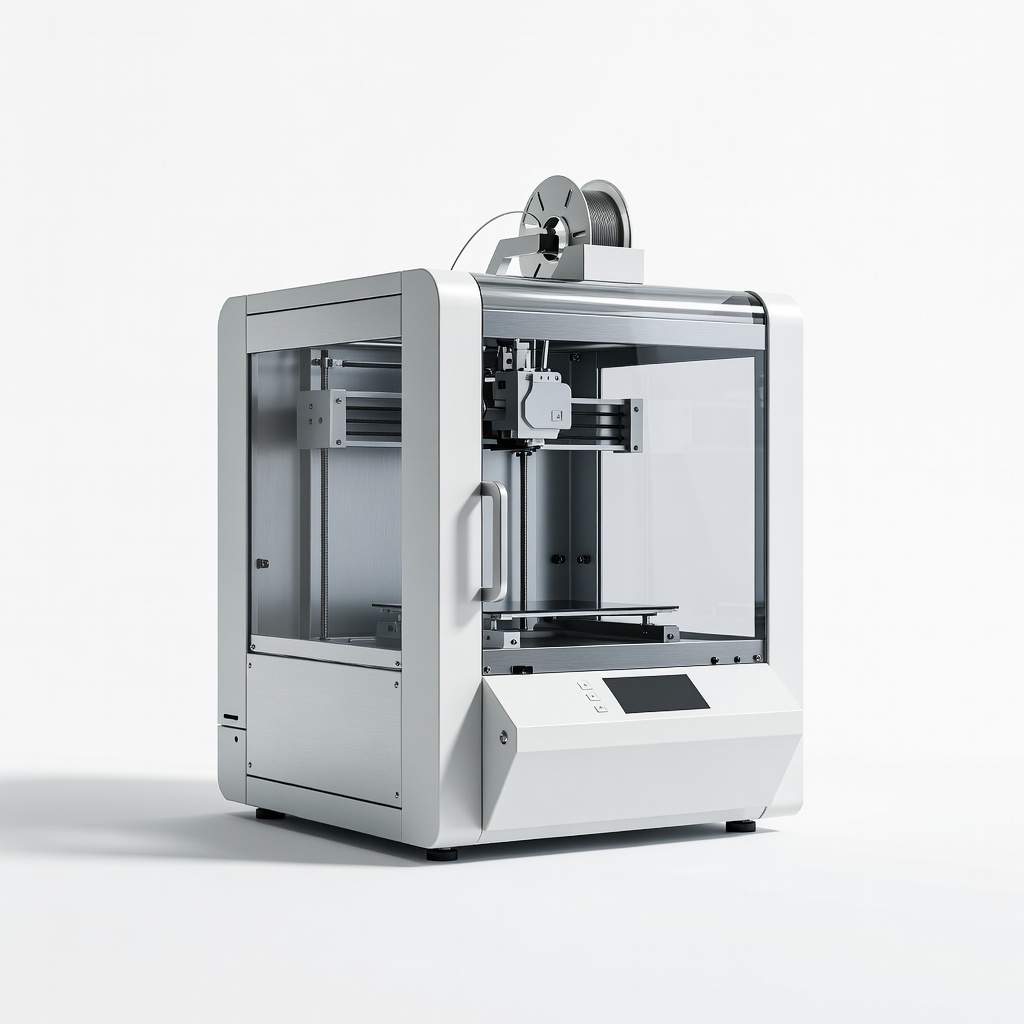
Office-friendly ADAM (bound metal deposition) with easy sintering—ideal for prototyping without cleanroom hassles; 100% density achievable.
Best for: Small teams prototyping stainless/steel parts under 300mm; low entry barrier.
Price Range: $99,500 - $120,000
Desktop Metal Studio System 2
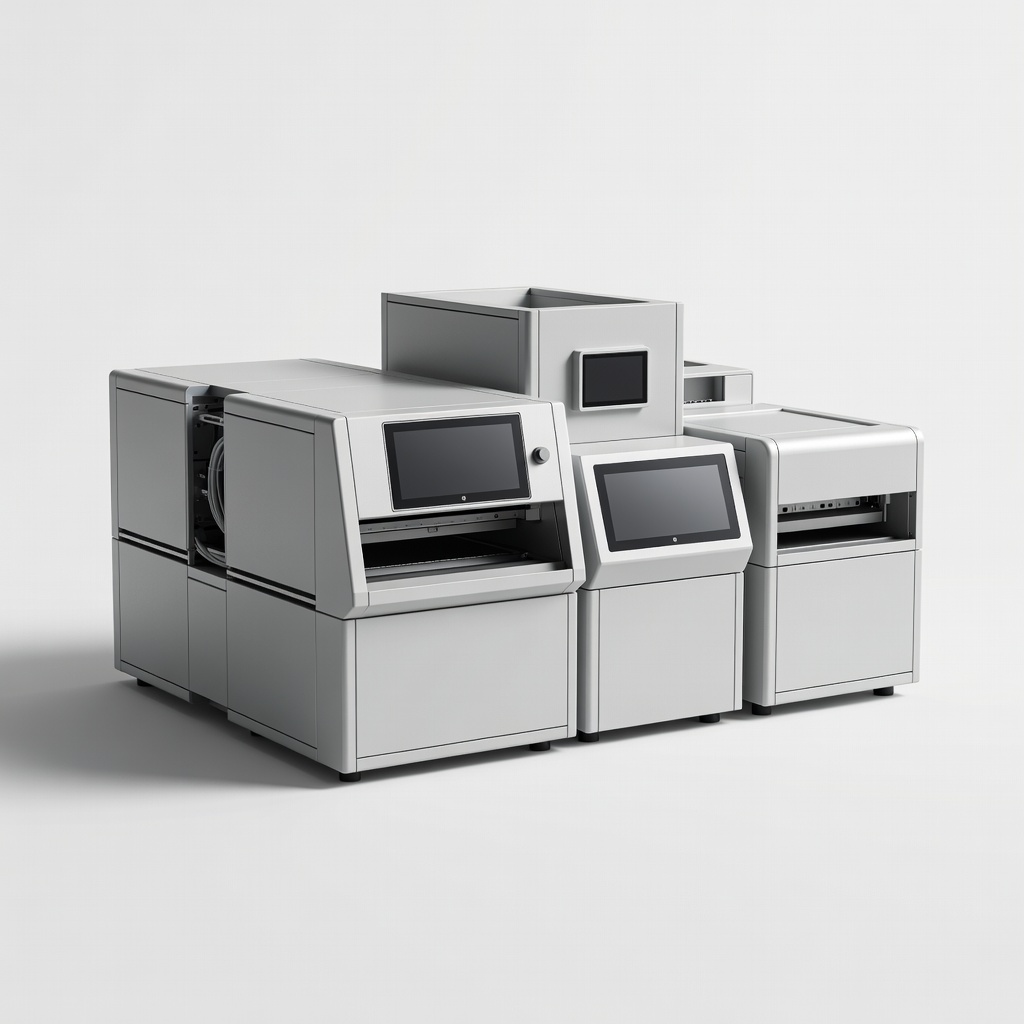
High-speed binder jetting (4x faster than PBF) with office-safe design; excellent for high-volume prototypes.
Best for: Iterative design in copper/stainless for automotive/electronics.
Price Range: $150,000 - $225,000
Xact Metal XM200C
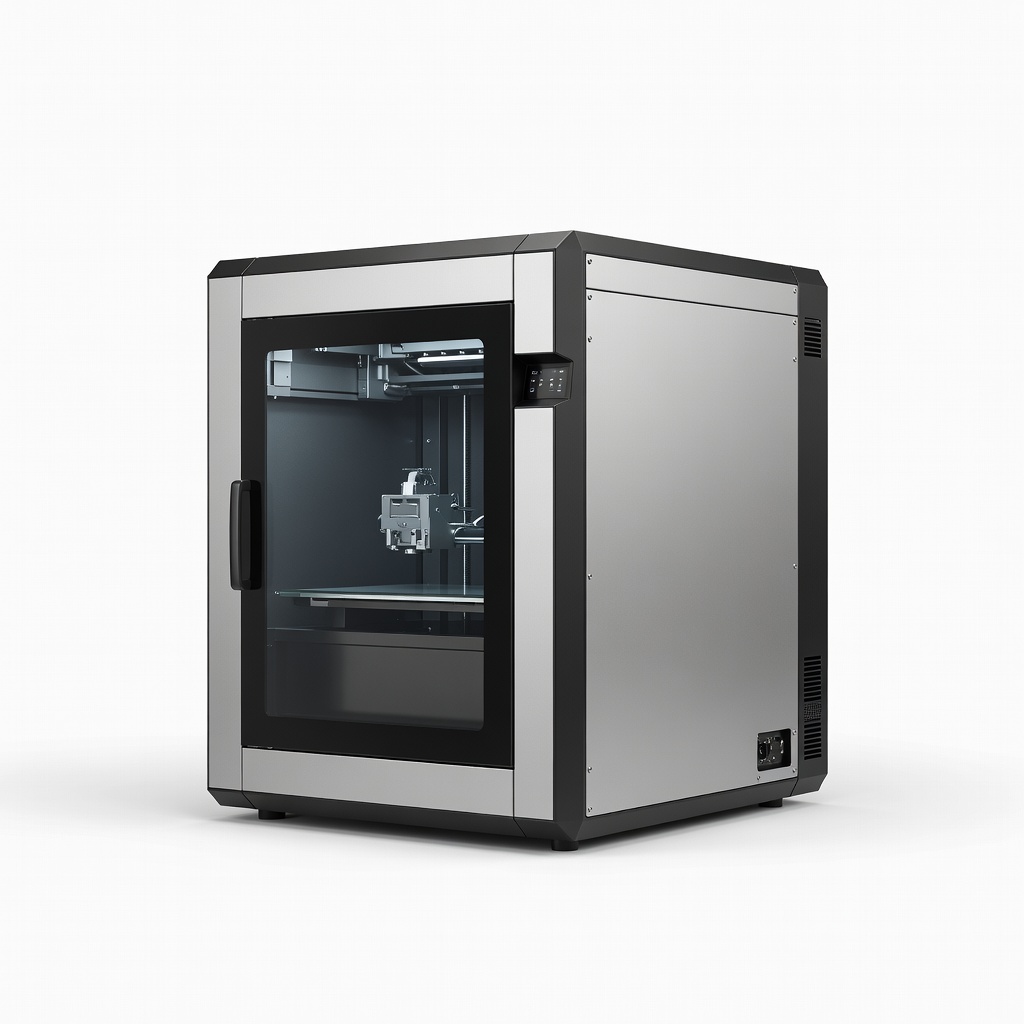
Compact SLM with 200W fiber laser—lab-scale PBF for precise titanium/aluminum prototypes; affordable industrial entry.
Best for: R&D labs needing aerospace-grade parts with ±50μm accuracy.
Price Range: $450,000 - $600,000
Renishaw RenAM 500
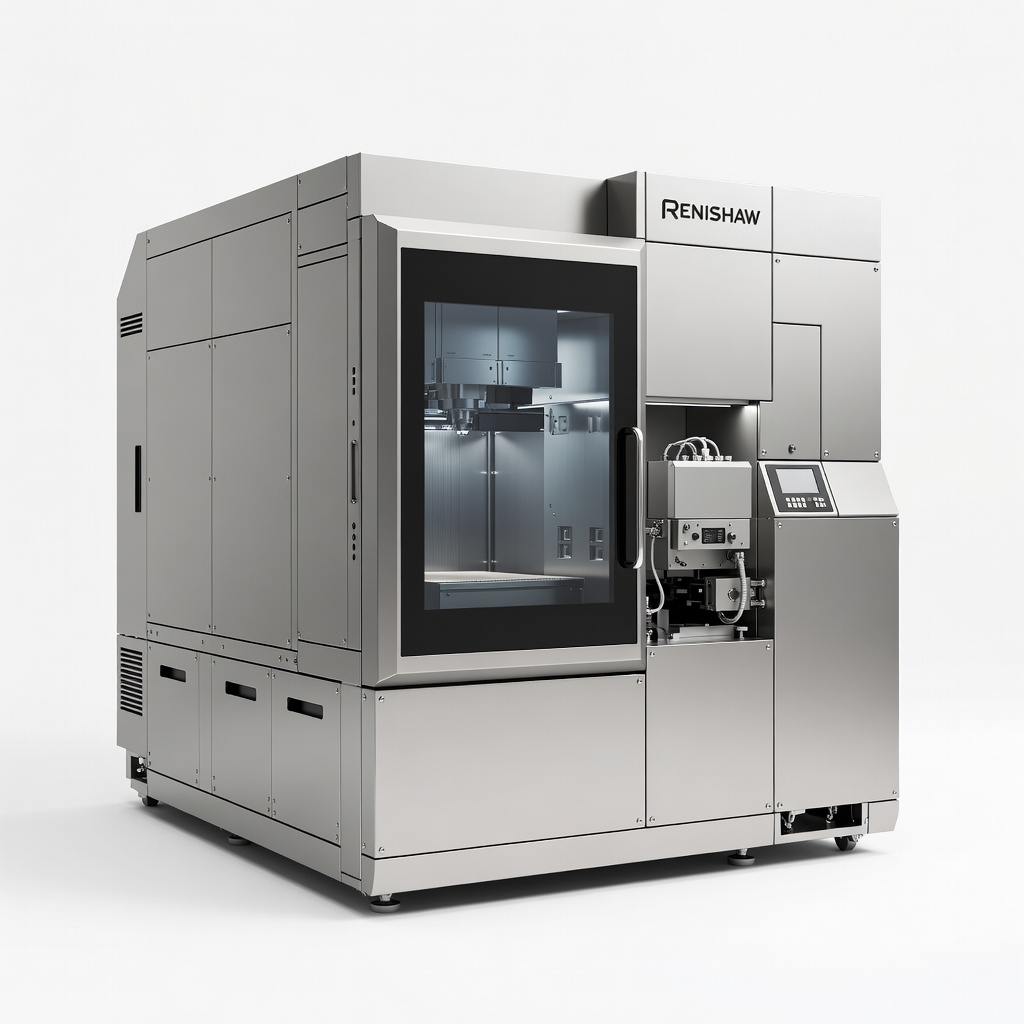
Quad-laser PBF for faster builds (up to 100cm³/hr); robust for high-mix prototyping.
Best for: Medium-volume med device prototypes in CoCr.
Price Range: $500,000 - $800,000
BASF Ultrafuse 316L Filament
Compatible with Metal X—debinds/sinters to full metal; easy handling for FDM-like prototyping.
Best for: Consumable for bound filament systems; cost-effective testing.
Price Range: $200 - $500 per kg spool