
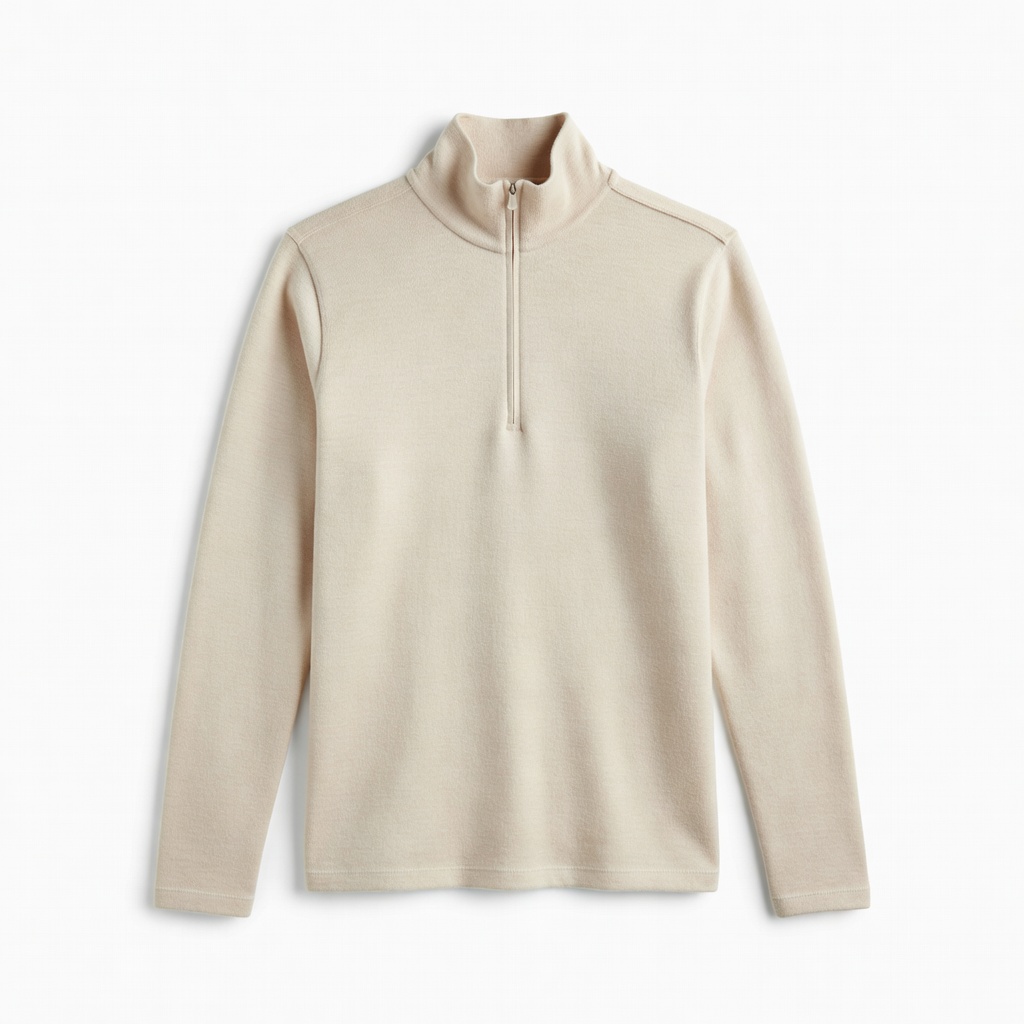
Icebreaker Men's 200 Oasis LS Zip Merino
All-day cold swims (5-12°C); pairs perfectly under neoprene.
$110-$130
Icebreaker Men's 200 Oasis LS Zip Merino Superior wet insulation, odor resistance, and breathability from 100% merino.
Get the App
Better experience on mobile
Learn what makes the top active base layers excel in icy waters, with expert picks to stay warm without bulk.
Cold water swimming thrills with endorphin rushes, but hypothermia lurks without proper gear. Many swimmers shiver post-dip due to inadequate base layers that retain water instead of wicking it. This guide breaks down the best active base layers to insulate you effectively.
You'll learn key features, materials, and how to choose the perfect one for your swims. From merino wool wizards to high-tech synthetics, we'll cover what works in sub-10°C waters. Expect a straightforward explainer—no fluff, just actionable insights for intermediate swimmers.
Reading and deciding takes 20 minutes; layering mastery comes with your first swim.
Estimated Time: 20-30 minutes Difficulty: intermediate
Base layers are your first defense against cold, sitting closest to skin under wetsuits or neoprene. They wick moisture, insulate when wet, and prevent chafing. In cold water swimming, unlike running, they must excel wet—trapping a thin warm layer while dumping sweat.
Think of it like a wicking sponge: absorbs body moisture but releases it fast. Without one, cold water shocks your core temp fast. Expect 30-60% better warmth retention with quality layers.
💡 Tips:
Merino wool (natural) breathes, insulates wet (up to 80% of dry warmth), and fights odor for multi-day use. Synthetics like polyester/nylon blends dry faster but can smell; advanced ones mimic merino with graphene or hollow fibers.
Analogy: Merino is a cozy sheep's hug; synthetics a high-tech rain jacket. For 0-10°C swims, merino wins; warmer waters suit synthetics. Test: Squeeze wet fabric—if it drips minimally, it's good.
⚠️ Warnings:
Seek 150-250gsm thickness for balance. Flatlock seams prevent rub; thumb loops secure sleeves. Antimicrobial treatments kill bacteria; UPF 50+ blocks sun on exposed skin.
Why matters: Seams chafe in 5km swims; odor builds in wetsuits. Expect stretch (20%+) for strokes without binding.
💡 Tips:
Intermediate swimmers need compressive yet non-restrictive fit—snug at torso, room in shoulders/hips for freestyle. Size charts vary; merino shrinks 5-10% post-wash.
Pro check: Raise arms overhead; fabric should stretch without riding up. Expect trial swims to confirm—no bunching under wetsuit.
⚠️ Warnings:
Top layers survive 100+ washes; merino pills less than cheap synthetics. Wool needs wool wash (30°C); synthetics machine fine.
Why: Frequent swims wear fabric. Expect reinforced knees/crotch for longevity.
💡 Tips:
Budget ($50-80): Basic synthetics. Mid ($80-120): Merino blends. Premium ($120+): Custom weaves. ROI: Quality lasts 2-3 seasons, saving replacements.
Test value: Read user reviews for 'cold water swim'—ignore gym feedback.
Wear in pool first, then open water. Pair with 3-5mm wetsuit. Monitor core temp post-swim.
Expect: Warm hands/feet signal success. Adjust for acclimation.
💡 Tips:
Problem: Chafing or rubbing
Solution: Apply anti-chafe balm; switch to flatlock seams.
Problem: Odor buildup
Solution: Use silver-infused or wash with vinegar soak.
Problem: Too cold still
Solution: Add mid-layer or thicker wetsuit; check fit.
Problem: Riding up during swim
Solution: Size down torso; add compression shorts.
Superior wet insulation, odor resistance, and breathability from 100% merino.
Best for: All-day cold swims (5-12°C); pairs perfectly under neoprene.
Price Range: $110-$130
Heavyweight warmth with strategic mesh vents for mobility.
Best for: Sub-10°C plunges; durable for frequent open water use.
Price Range: $90-$110
Recycled synthetic dries 2x faster than wool, eco-friendly.
Best for: Budget-conscious swimmers needing quick-dry post-swim.
Price Range: $80-$100
Hybrid wool-synthetic for best of both: warmth + dry speed.
Best for: Competitive swims with transitions; mid-price value.
Price Range: $70-$90
Lightweight synthetic with body mapping for ventilation.
Best for: Warmer cold water (10-15°C); racing focus.
Price Range: $50-$70
All-day cold swims (5-12°C); pairs perfectly under neoprene.
Icebreaker Men's 200 Oasis LS Zip Merino Superior wet insulation, odor resistance, and breathability from 100% merino.
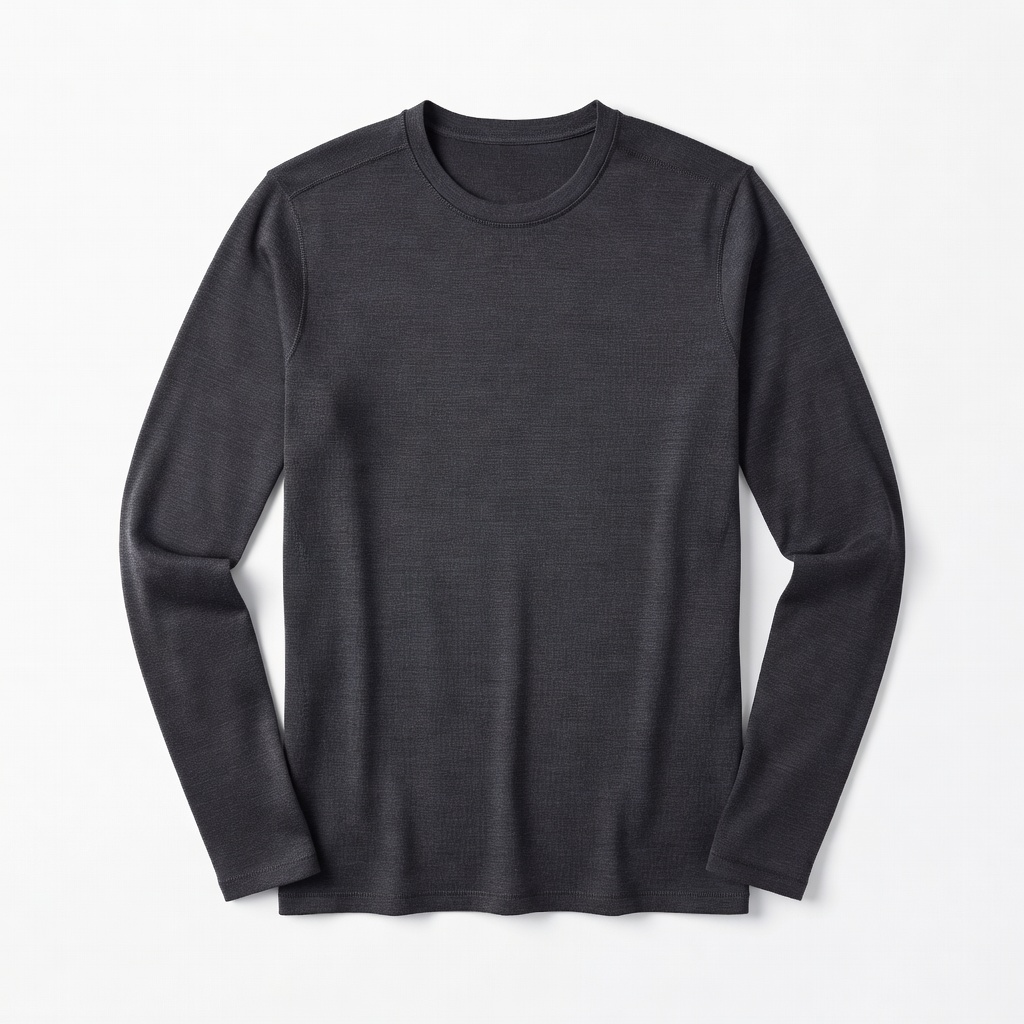
Sub-10°C plunges; durable for frequent open water use.
Smartwool Men's Merino 250 Base Layer Heavyweight warmth with strategic mesh vents for mobility.
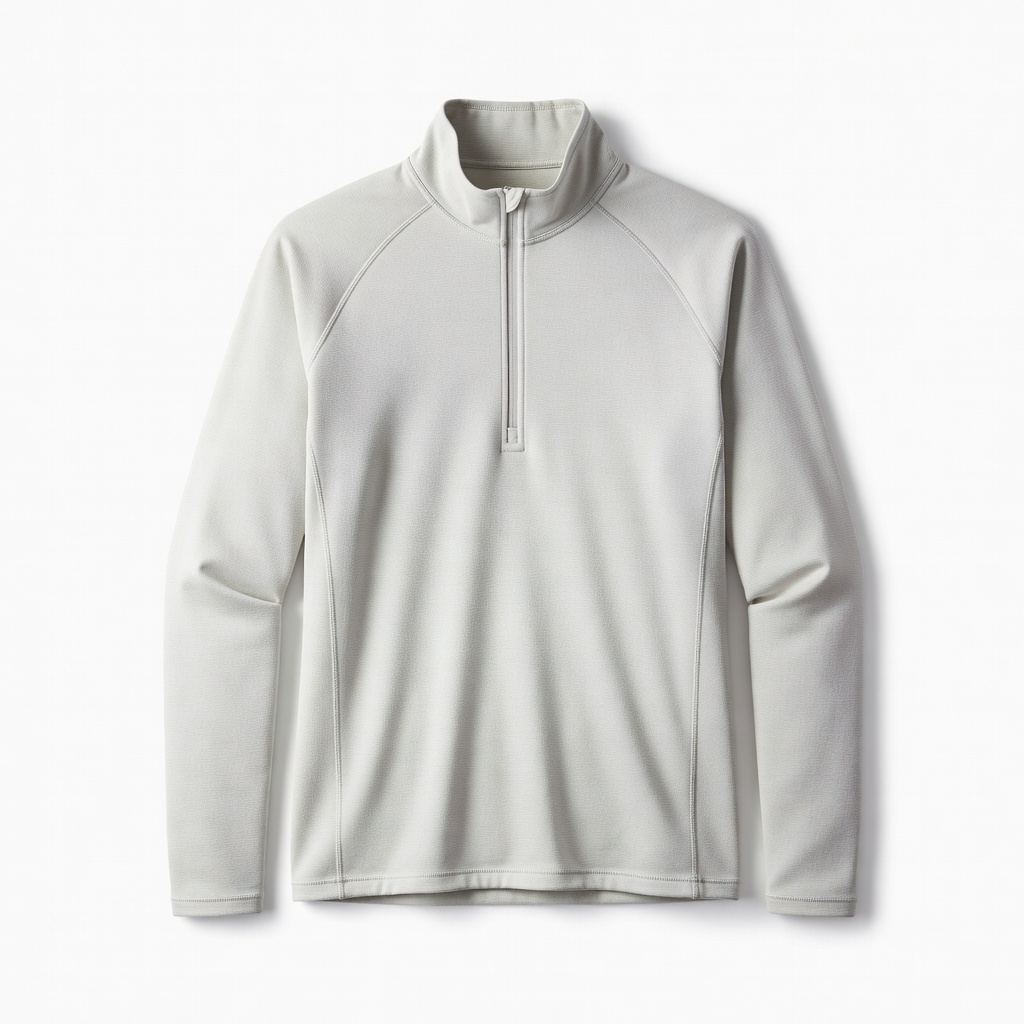
Budget-conscious swimmers needing quick-dry post-swim.
Patagonia Men's Capilene Thermal Zip-Neck Recycled synthetic dries 2x faster than wool, eco-friendly.
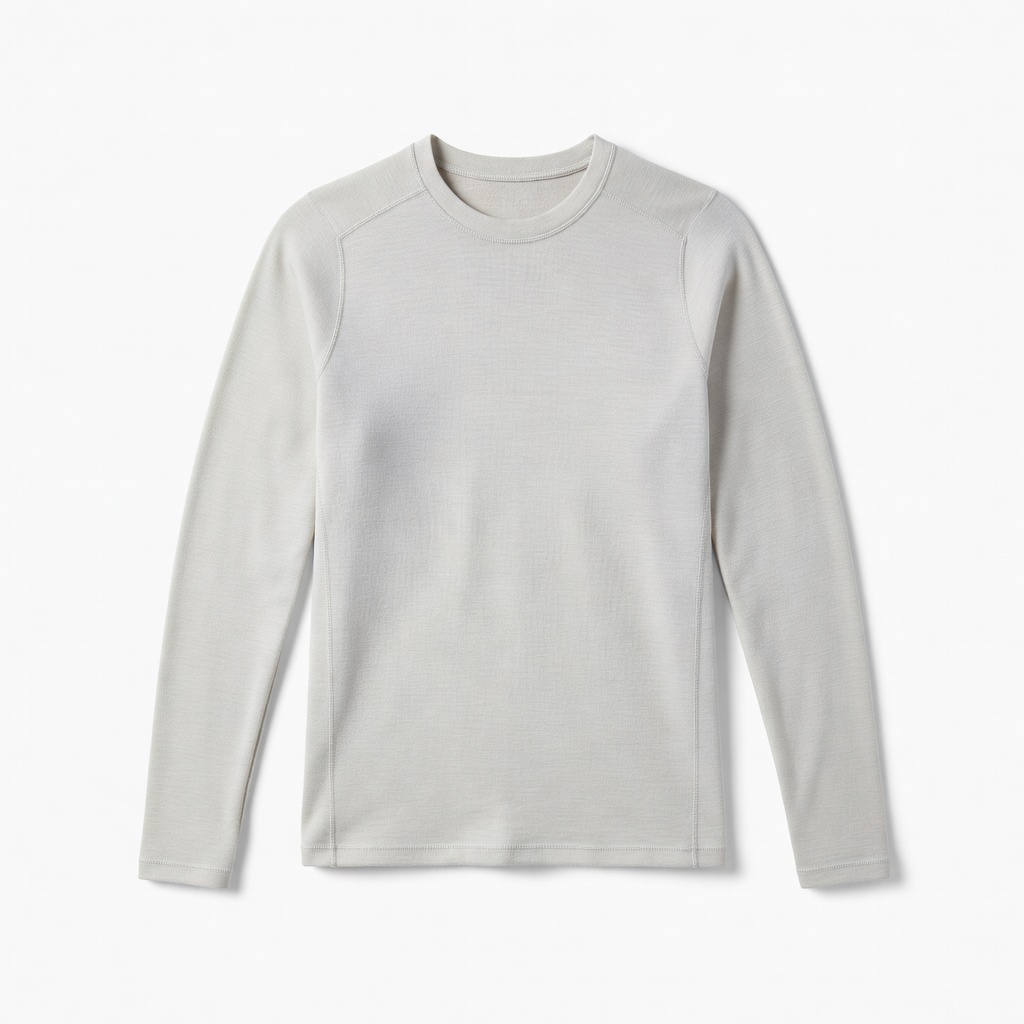
Competitive swims with transitions; mid-price value.
Helly Hansen LIFA Merino Base Layer Hybrid wool-synthetic for best of both: warmth + dry speed.
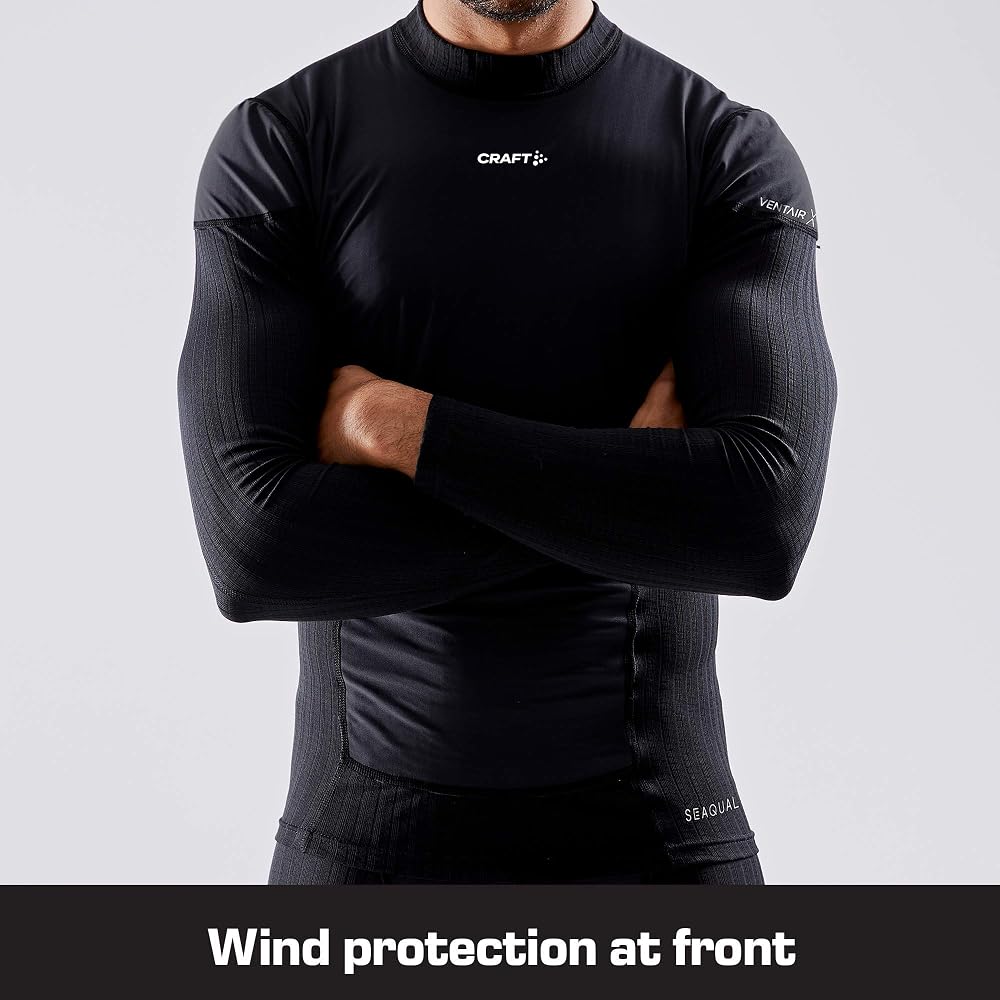
Warmer cold water (10-15°C); racing focus.
Craft Men's Extreme Air Base Layer Lightweight synthetic with body mapping for ventilation.