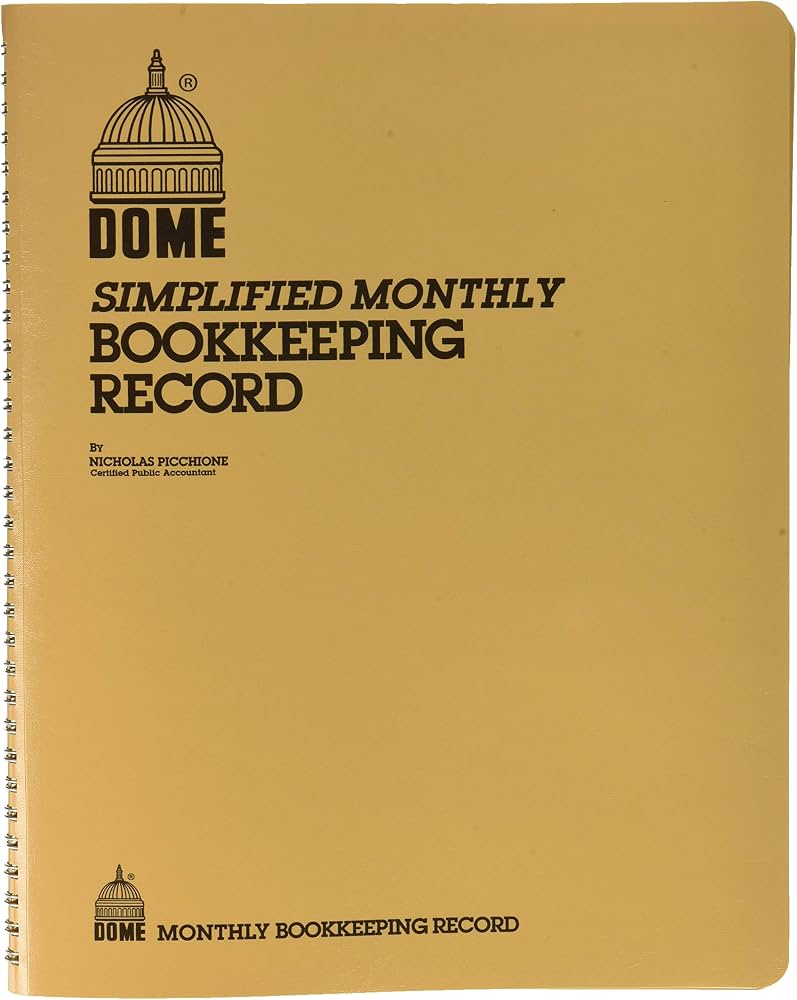
Freelancing offers freedom, but disorganized finances can lead to tax headaches, missed deductions, and stress during filing season. Many beginners overlook simple tools like account books, ending up with spreadsheets that get abandoned or apps that overwhelm.
In this guide, you'll discover what makes an account book ideal for freelancers, key features to prioritize, top recommendations, and step-by-step setup and usage. By the end, you'll have a clear system to stay on top of your books—no accounting degree required.
Expect a straightforward read (20-30 minutes) with actionable advice for beginners, helping you achieve organized tracking in under an hour of setup.
▸What You'll Need
- •Basic knowledge of income vs. expenses (no prior accounting needed)
- •Pen or pencil for writing
- •Calculator or phone app (optional for quick math)
- •Access to online stores like Amazon for purchases
Estimated Time: 20-30 minutes to read and choose; 30-60 minutes for initial setup
Difficulty: beginner
▸Step-by-Step Instructions
Step 1: Understand Why Freelancers Need Account Books
Account books are physical ledgers designed for manual tracking of finances, perfect for beginners avoiding complex software. They help log income (client payments), expenses (software, marketing), and calculate profits simply.
Analogy: Think of it as a personal diary for your money—consistent entries prevent 'where did my earnings go?' moments. For freelancers, this means easy tax prep (e.g., Schedule C) and spotting trends like high coffee expenses.
What to expect: Clarity on basics before buying. No jargon: columns for date, description, debit/credit.
💡 Tips:
- •Start with daily entries to build habit.
Step 2: Identify Key Features for Freelance Tracking
Look for books with pre-printed columns: Date, Description, Income, Expenses, Balance. Freelancers need 3-5 columns minimum; more for categories like 'Travel' or 'Supplies'.
Example: A 4-column book tracks client gigs perfectly. Acid-free paper prevents fading; wire-bound for flat laying. Size: 8.5x11 inches for desk use.
Why it matters: Tailored features reduce errors—e.g., no scrambling for totals.
⚠️ Warnings:
- •Avoid generic notebooks; they lack structure.
Step 3: Explore Types of Account Books
- •Single-entry ledgers: Simple for beginners, one line per transaction.
- •Columnar pads: Multiple columns for categories, great for expenses.
- •Cash books: Track receipts/payments.
- •Journals: Undated for flexibility.
Analogy: Single-entry is like a checkbook; columnar like a spreadsheet on paper. Freelancers favor columnar for IRS categorization.
💡 Tips:
- •Choose undated if irregular income.
Step 4: Assess Your Freelance Needs
List your volume: 5-10 transactions/week? Pick slim books. High volume? Thick ledgers. Budget: $5-20. Track quarterly taxes? Add summary pages.
Example: Graphic designer with 20 monthly invoices needs 100+ pages. Remote worker: Focus on digital expenses column.
Expect personalized fit—avoids buyer's remorse.
Step 5: Compare and Select Top Account Books
Review options based on pages (100-200), columns (3-8), durability. Check reviews for bleed-proof paper. Freelance winners: Affordable, structured.
Why compare: Matches your workflow, e.g., portable for coffee shop workers.
Narrow to 2-3 via Amazon previews.
💡 Tips:
- •Read recent reviews for paper quality.
Step 6: Purchase and Set Up Your Book
Order via recommended products below. Setup: Write your name, start date on cover. Add index for clients/categories.
Example: Page 1: Income summary table. Use colored pens for income (green)/expenses (red).
Why: Customizes for quick reference.
⚠️ Warnings:
- •Don't skip setup—leads to messy starts.
Step 7: Start Daily Tracking Routine
End of day: Log payment (date, client, amount in Income). Receipt? Staple or note expense.
Analogy: Like journaling feelings—daily keeps it accurate. Balance column auto-sums profits.
Expect: Growing confidence in finances.
💡 Tips:
- •Photograph receipts first.
Step 8: Review Monthly and Prepare Taxes
Month-end: Total columns, note net profit. Transfer to tax software.
Example: Q4 review flags deductions. Use summary page for yearly overview.
Why: Turns data into insights, like cutting unused subs.
▸Pro Tips
- •Use highlighters for categories to scan quickly.
- •Backup digitally: Snap pages weekly to phone.
- •Round to nearest dollar for speed, adjust yearly.
- •Keep book with planner for routine.
- •Pro tip: Track mileage separately on back pages.
- •Time-saver: Pre-print client list on inside cover.
- •Quality boost: Waterproof cover protectors for on-the-go.
▸Common Mistakes to Avoid
- •Skipping daily entries—leads to forgotten expenses; avoid by setting phone reminders.
- •Poor handwriting—hard to read at tax time; use black gel pens.
- •No backups—lost book = panic; photo pages monthly.
- •Overcomplicating with too many columns; start with 4.
- •Ignoring balances—misses cash flow issues; calculate after every 5 entries.
▸Troubleshooting
Problem: Ink bleeds through pages
Solution: Switch to gel pens or fountain-pen friendly paper books; test first page.
Problem: Book won't lay flat
Solution: Choose wire-bound or break-in spine by pressing firmly.
Problem: Running out of pages too soon
Solution: Opt for 200+ page books or start second volume yearly.
Problem: Hard to find totals
Solution: Use calculator app; add running totals column.
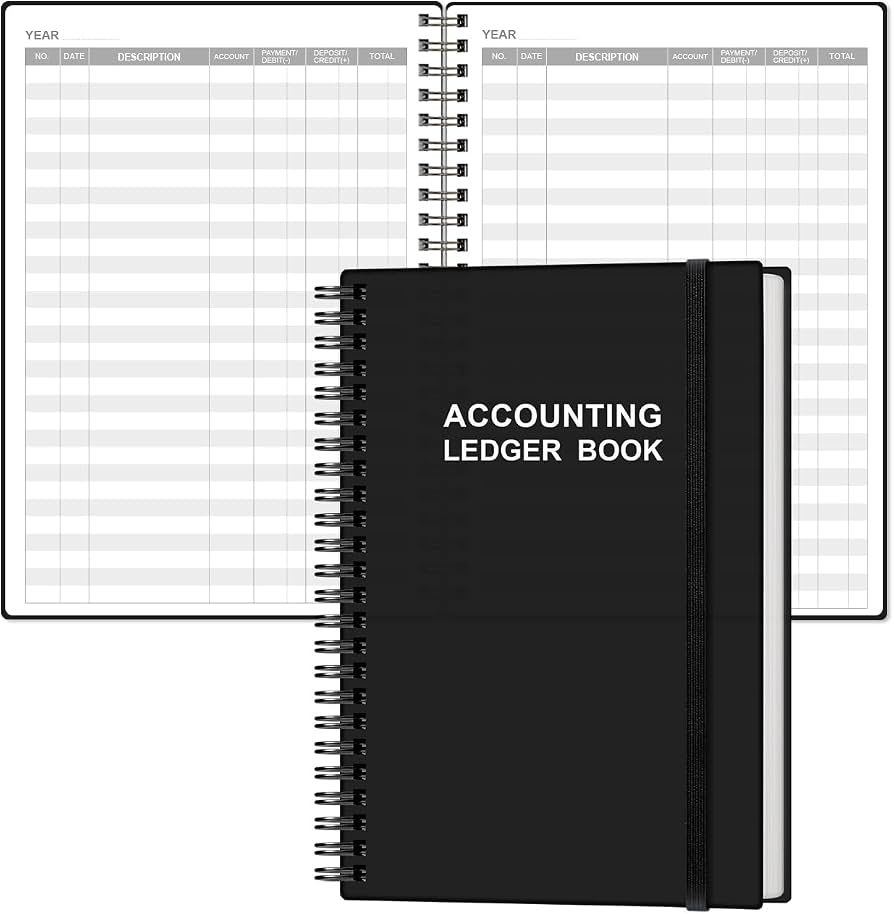
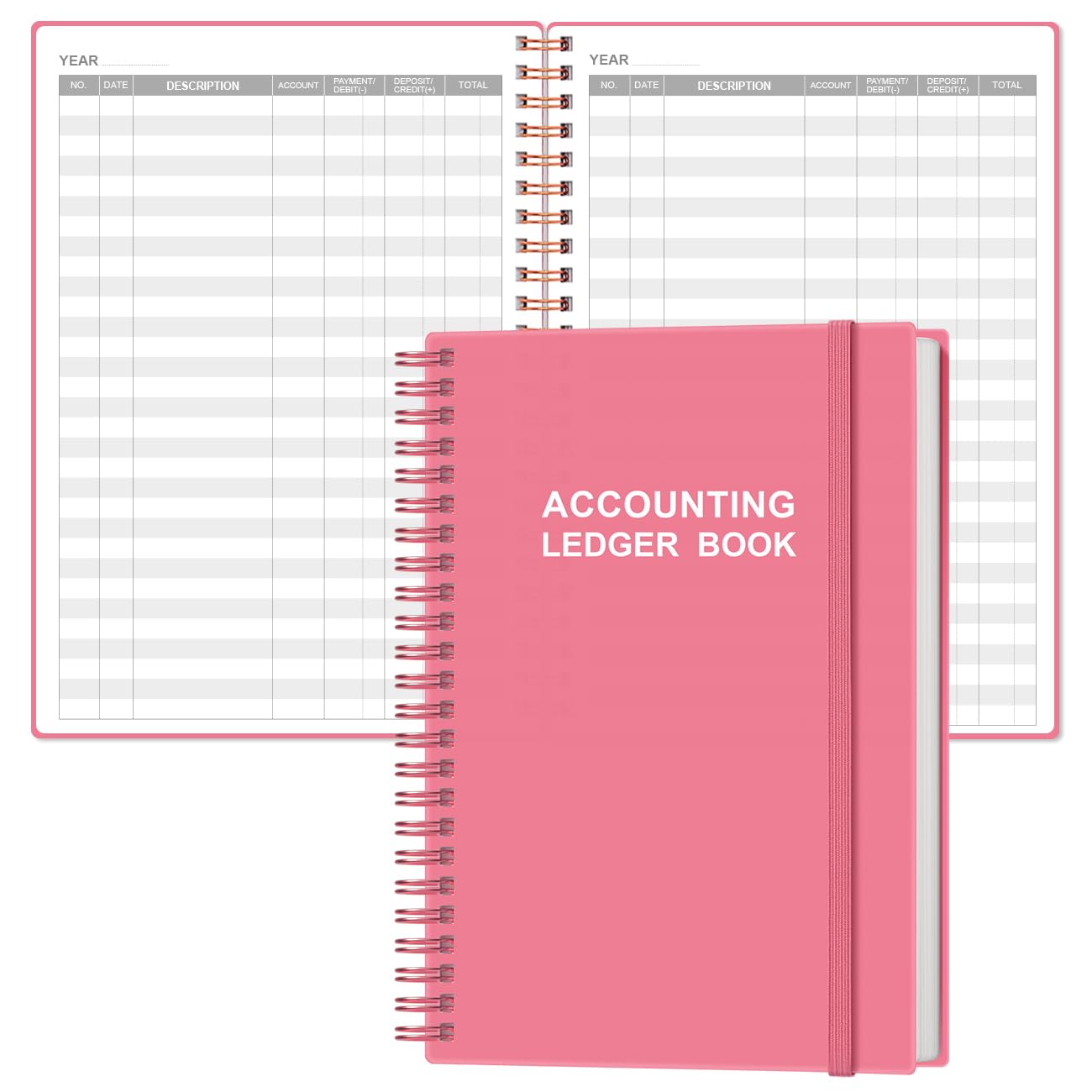
ZenPurp Bookkeeping Ledger Notebook
Affordable, 4-column design perfect for beginner freelancers tracking income/expenses with ample pages and summary sheets.
Best for: Daily gigs under 50 transactions/month; portable for remote work.
Price Range: $6.99
Parmonic Accounts Ledger Book
Durable hardcover, 8.5x11 size with 3 columns and 126 pages; excellent for categorizing freelance deductions.
Best for: Higher volume (e.g., consultants); professional look for audits.
Price Range: $7.99
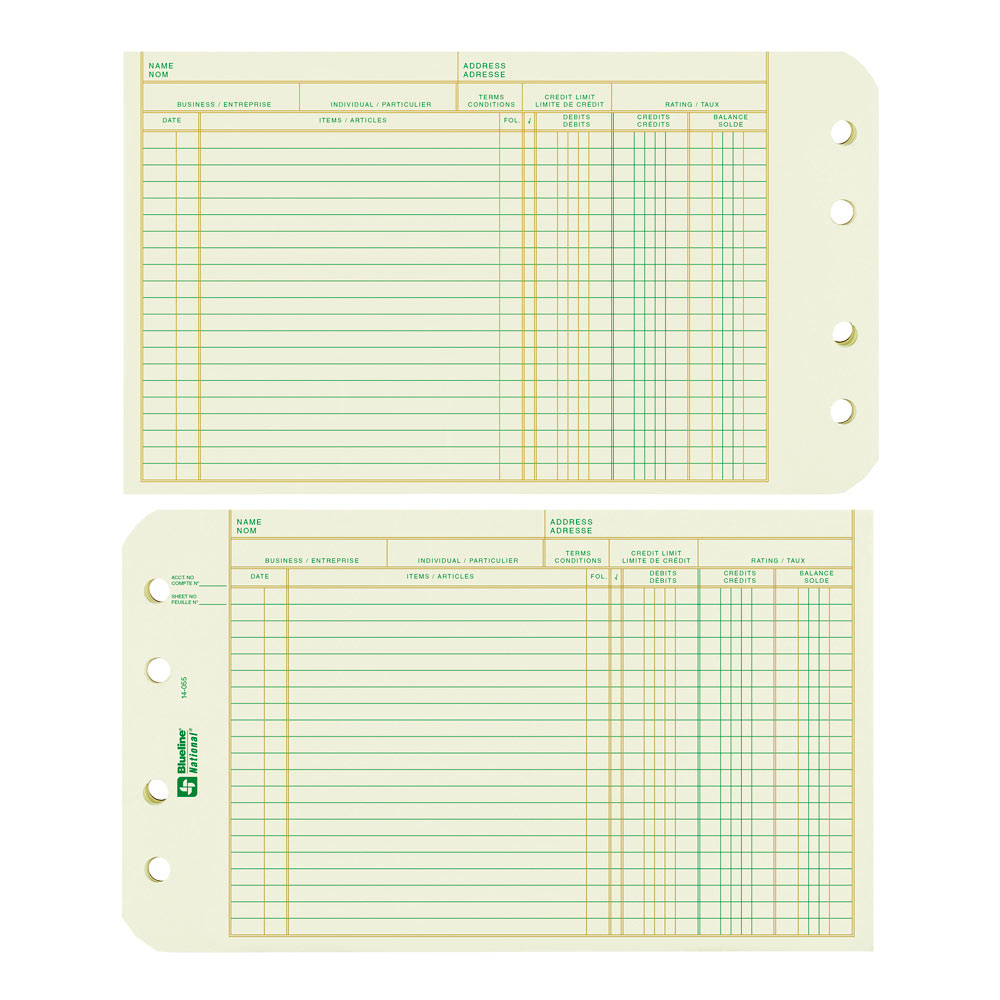
Blueline Business Ledger
Premium quality, single/double entry options, acid-free paper; trusted brand for long-term use without fading.
Best for: Serious beginners planning yearly tax prep; desk-bound tracking.
Price Range: $14.99
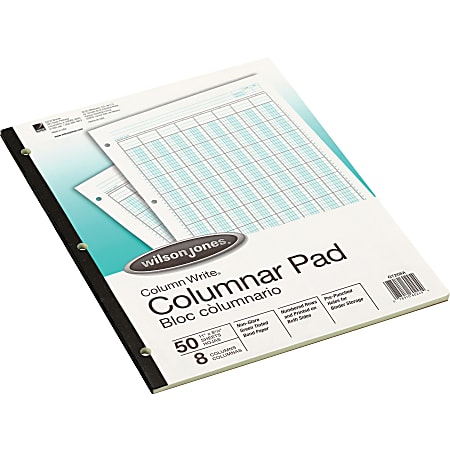
Wilson Jones Columnar Pad
Removable sheets, 6 columns for detailed freelance categories; refillable for sustainability.
Best for: Experimenting with layouts; tear-out for filing.
Price Range: $9.99
Dome Single Entry Ledger Book
Compact, pre-numbered pages for security; ideal for sole proprietors.
Best for: Low-volume side hustles; portable pocket size.
Price Range: $11.99