Surviving abuse often leaves deep emotional wounds, like cracks in a foundation that make it hard to feel safe or worthy. Daily affirmations act as gentle repairs, rewiring negative beliefs with positive truths to foster healing and resilience. This guide breaks down the best apps tailored for abuse survivors, explaining how they work, why they help, and how to start.
You'll discover what makes an app effective, reviews of the top 5 options with examples and analogies, and step-by-step setup for daily use. No prior experience needed—this is beginner-friendly, focusing on simple, trauma-informed tools. Expect 20-30 minutes to read, choose, and install your first app.
By the end, you'll have a personalized affirmation routine to boost confidence and reduce triggers, complementing professional therapy.
▸What You'll Need
- •Smartphone (iOS or Android device)
- •Stable internet connection for downloads
- •Headphones (optional, for private listening)
- •Open mindset and 5-10 minutes daily commitment
- •Prerequisite: Basic understanding of your triggers (journal optional)
Estimated Time: 20-30 minutes to read and set up first app; 5-10 minutes daily ongoing
Difficulty: beginner
▸Step-by-Step Instructions
Step 1: Understand Daily Affirmations for Abuse Recovery
Daily affirmations are short, positive statements you repeat to challenge abuse-induced beliefs like 'I'm worthless' or 'I deserve pain.' Think of them as mental push-ups: they build emotional muscle over time by activating neuroplasticity, your brain's ability to form new pathways.
For abuse survivors, affirmations target core wounds—low self-esteem, hypervigilance, shame—using trauma-informed language like 'I am safe now' instead of generic positives. Expect subtle shifts: less self-doubt after 2-4 weeks.
Example: Instead of 'I am strong,' try 'I am reclaiming my power one breath at a time.'
💡 Tips:
- •Start with 3 affirmations tied to your specific experience.
- •Pair with deep breathing for better absorption.
Step 2: Key Features to Look for in Self-Help Apps
Not all apps are equal—seek trauma-sensitive ones with customizable affirmations, voice recording (your voice feels authentic), reminders, progress tracking, and free core content. Avoid generic apps without 'healing' or 'self-compassion' categories.
Analogy: Like a personalized therapist in your pocket, top apps offer guided audio (soothing voices reduce anxiety) and community (anonymous shares combat isolation). Why it matters: Poor fits increase frustration; good ones build habits effortlessly.
Check ratings >4.5 stars, recent updates, and user reviews mentioning 'trauma' or 'abuse.'
⚠️ Warnings:
- •Skip apps pushing sales over substance.
Step 3: Review Top App #1: Insight Timer
Insight Timer is a free library of 200,000+ guided affirmations and meditations, with trauma-specific tracks like 'Healing from Narcissistic Abuse' and 'Self-Love After Betrayal.' Beginners love its 10-minute sessions voiced by therapists.
Why for abuse: Filters for 'PTSD,' 'emotional abuse' yield empowering phrases like 'My past does not define my worth.' Expect calming bells and community chats for support.
Download from App Store/Google Play; core free, premium $59.99/year unlocks offline.
💡 Tips:
- •Search 'abuse survivor affirmations' for curated lists.
Step 4: Review Top App #2: ThinkUp
ThinkUp lets you record custom affirmations in your voice, ideal for personalizing to abuse experiences (e.g., 'I trust my boundaries'). Pre-loaded packs include 'Overcome Trauma' with 500+ audios.
Analogy: Your own voice bypasses skepticism—like a trusted friend whispering truths. Users report reduced anxiety in 21 days. Free version solid; premium ($4.99/mo) adds hypnosis.
Perfect for beginners needing ownership over healing words.
Step 5: Review Top App #3: Calm
Calm offers 'Daily Calm' series with affirmations for self-compassion, plus sleep stories to combat abuse-related insomnia. Trauma-friendly with experts like Tara Brach on forgiveness.
Why it excels: High-production audio (ocean sounds mask triggers); 'Affirmation Reminder' feature. Free trial, then $69.99/year. Expect relaxation in minutes.
Best for bedtime routines to rewrite nighttime rumination.
💡 Tips:
- •Use 'Loving-Kindness' meditations for abuser-related anger.
Step 6: Compare Other Strong Options: Youper & Fabulous
Youper (AI chatbot) delivers CBT-based affirmations via mood check-ins, great for tracking abuse triggers. Fabulous builds habits with science-backed streaks, including 'Self-Worth Boost.'
Quick compare:
| App | Best For | Price |
|---|
| Youper | AI personalization | Free/$9.99/mo |
| Fabulous | Habit integration | Free/$49.99/yr |
Choose based on needs: AI for interaction, habits for routine.
Step 7: Set Up Your Daily Affirmation Routine
Pick 1-2 apps. Morning: 5 mins affirmations + journal reaction. Evening: Review progress. Set reminders.
Why routine matters: Consistency (21 days) turns affirmations into beliefs. Track in app or notes: 'How did this shift my mood?'
Expect resistance first—like sore muscles—but persistence heals.
💡 Tips:
- •Start small: 3 days/week.
- •Share anonymously in app communities.
⚠️ Warnings:
- •Don't force if triggering; pause and breathe.
Step 8: Measure Progress and Adjust
After 2 weeks, note mood lifts, fewer negative thoughts. Apps track streaks; adjust affirmations if stale.
Analogy: Like tuning a radio from static (trauma lies) to clear signal (truth). If no change, switch apps or add therapy.
Long-term: Affirmations support lifelong resilience.
▸Pro Tips
- •Customize affirmations to your story for authenticity.
- •Listen during walks to combine movement with mindset work.
- •Record in a quiet space for calming effect.
- •Combine apps: Insight Timer for variety, ThinkUp for personal.
- •Set phone to 'Do Not Disturb' during sessions.
- •Pair with gratitude: End affirmations with 3 thanks.
- •Use offline modes for privacy on the go.
▸Common Mistakes to Avoid
- •Expecting instant results—affirmations build gradually over weeks.
- •Using generic phrases that don't resonate with trauma; always personalize.
- •Skipping consistency—do daily, even 1 minute, vs. binge sessions.
- •Ignoring professional therapy—apps supplement, not replace.
- •Overloading with 10+ affirmations; stick to 3-5 focused ones.
▸Troubleshooting
Problem: Affirmations feel fake or trigger anxiety
Solution: Start with neutral ones like 'I am breathing safely now'; consult therapist for customization. Switch to guided audio.
Problem: Forgetting to use the app daily
Solution: Set multiple gentle reminders; link to existing habits like coffee time.
Problem: App content not specific enough
Solution: Search user-created content or try another app; supplement with books.
Problem: No motivation or progress
Solution: Track small wins; if persistent, seek professional help via hotlines like National Domestic Violence Hotline (1-800-799-7233).
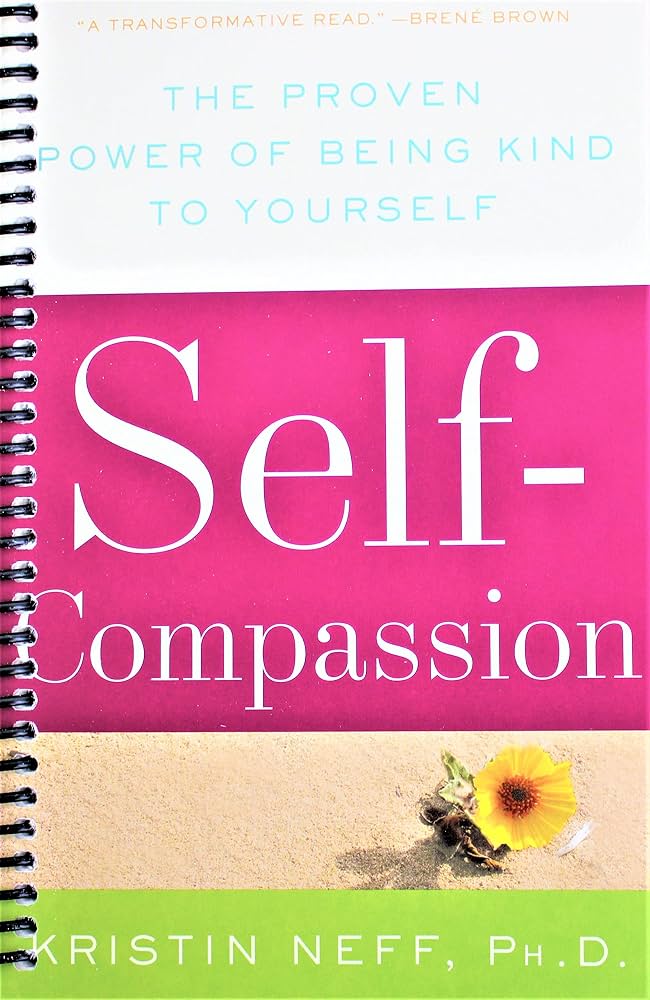
Self-Compassion: The Proven Power of Being Kind to Yourself by Kristin Neff
Pairs perfectly with apps by teaching why affirmations work scientifically, with exercises for trauma survivors.
Best for: Read chapters alongside app use for deeper understanding and custom phrases.
Price Range: $11.99
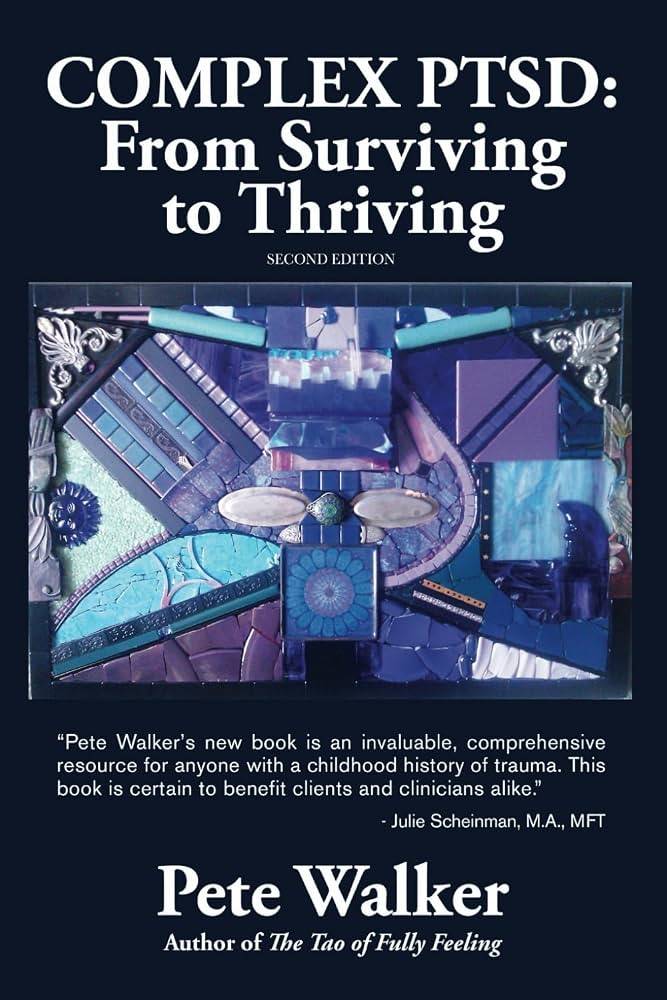
Complex PTSD: From Surviving to Thriving by Pete Walker
Provides trauma-specific affirmations and recovery stages to enhance app routines.
Best for: Reference for emotional flashbacks; journal insights from book into apps.
Price Range: $20.39
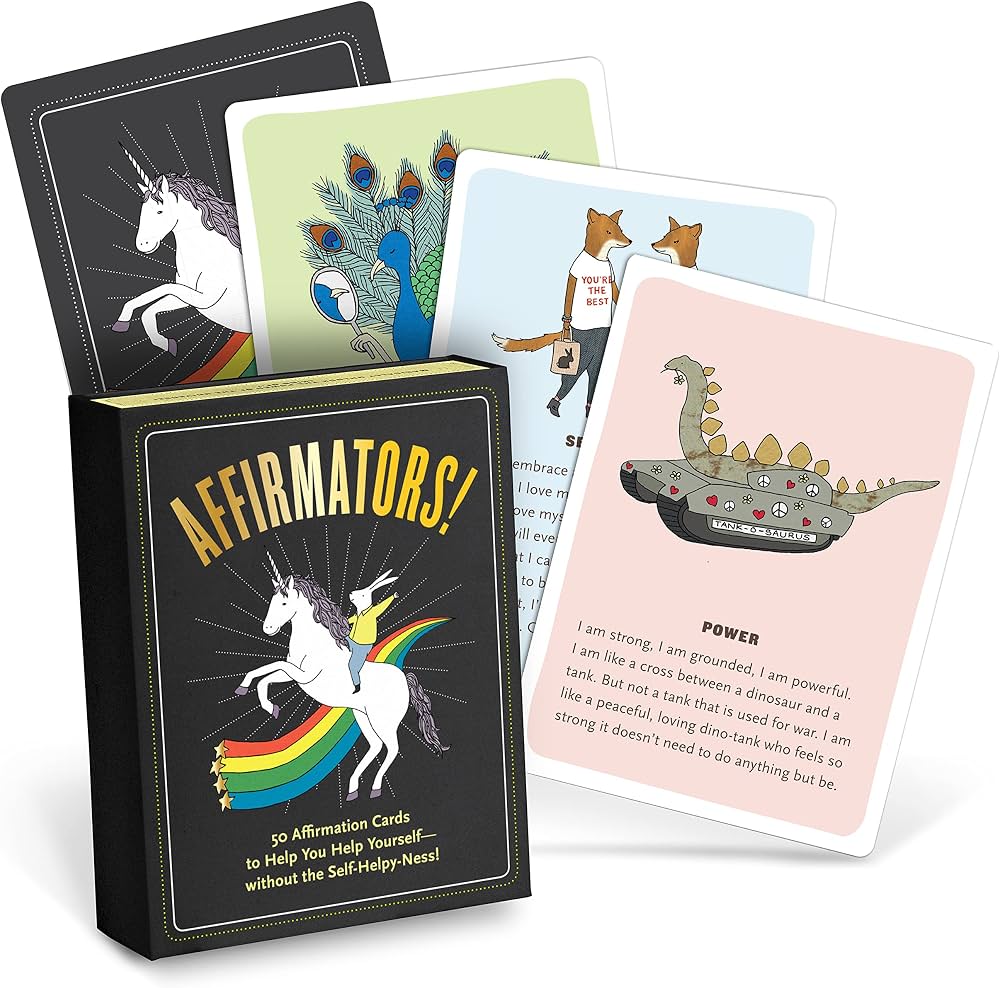
Affirmators! 50 Affirmation Cards That Are Actually Affirmations
Physical cards complement apps for tactile, screen-free reinforcement during low-energy days.
Best for: Draw one daily to inspire app customizations; great for beginners.
Price Range: $14.99
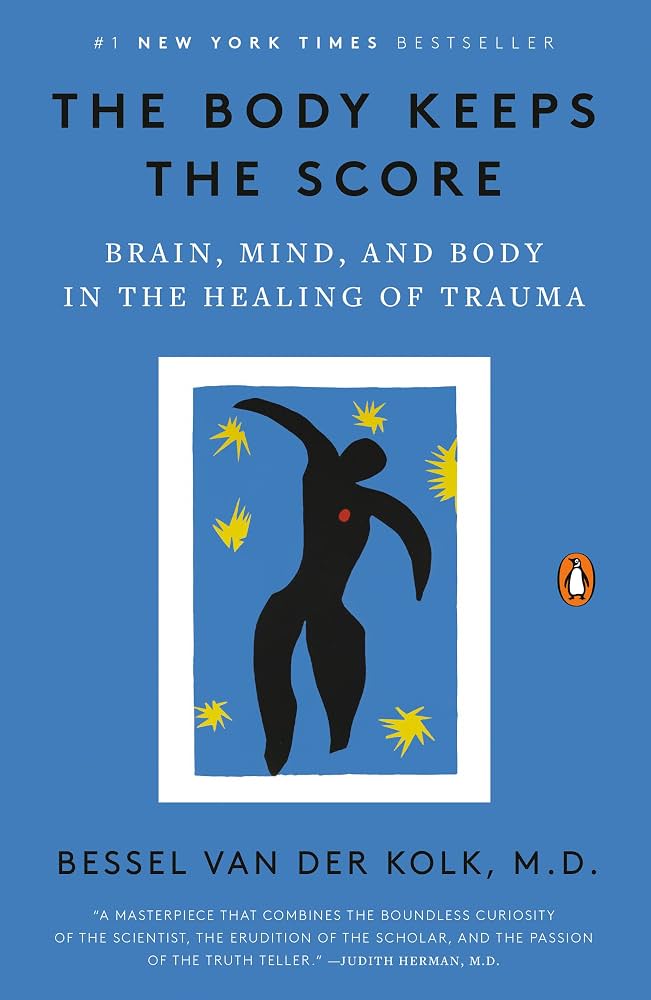
The Body Keeps the Score by Bessel van der Kolk
Explains trauma's brain impact, empowering affirmation use for rewiring.
Best for: Nightly reading to process app sessions; audiobook version pairs with headphones.
Price Range: $18.99