Achieving a flawless mirror finish on metal can elevate your projects from good to professional-grade, but selecting the right abrasives is crucial for efficiency and results. Advanced users often struggle with inconsistent finishes due to mismatched grits or poor progression, leading to wasted time and materials.
In this guide, you'll learn how to select and use the best abrasive finishing products for metals like stainless steel, aluminum, and brass. We'll cover a complete step-by-step polishing process, from surface prep to final buff, taking 1-3 hours depending on surface area. Expect advanced techniques like progressive grit sequencing and compound application for superior results.
▸What You'll Need
- •Safety gear: Nitrile gloves, safety glasses, respirator mask (required)
- •Variable-speed rotary polisher or angle grinder with backing pad (required, 1500-3000 RPM capable)
- •Degreaser or isopropyl alcohol (required)
- •Microfiber cloths (required)
- •Progressive abrasive discs/pads: 120-400 grit coarse, 600-1200 medium, 2000+ ultra-fine (required)
- •Metal polishing compound (optional for final shine)
- •Metal piece to polish (stainless steel, aluminum, etc.)
- •Lubricant like water or honing oil (optional for wet sanding)
Estimated Time: 1-3 hours (varies by surface size and starting condition)
Difficulty: advanced
▸Step-by-Step Instructions
Step 1: Set Up Safe Workspace
Clear a well-ventilated area and don all safety gear. Secure your metal workpiece in a vise or with clamps to prevent movement. Why it matters: Advanced polishing generates fine dust and heat; improper setup risks injury or uneven results.
Wipe down tools and surface with degreaser to remove contaminants. Expect a clean, stable starting point—no vibrations or residues.
💡 Tips:
- •Use LED shop lights for shadow-free inspection.
⚠️ Warnings:
- •Never skip respirator—metal dust is hazardous.
Step 2: Initial Clean and Assess Surface
Degrease the metal thoroughly with isopropyl alcohol or citrus-based cleaner, then rinse and dry. Inspect for deep scratches, pits, or oxidation. Determine starting grit: 120-180 for heavy damage, 320+ for light scratches.
This step ensures abrasives cut evenly without embedding contaminants. Success: Uniform matte surface ready for abrasion—no oils or debris.
💡 Tips:
- •Use a borescope for hard-to-see areas.
Step 3: Select Abrasive Sequence
Choose a grit progression: Start 4-6x coarser than final scratches, step down by halving grit each time (e.g., 180 → 320 → 600 → 1200 → 2500). Use hook-and-loop or PSA discs for easy swaps on your polisher.
For advanced users, match abrasives to metal: Ceramic for stainless, aluminum oxide for softer metals. Expect: Logical kit like Micro-Mesh for seamless progression.
Step 4: Apply Coarse Abrasive (Remove Imperfections)
Attach coarsest grit disc to polisher at 1200-1800 RPM. Use light pressure, wet sanding if dry abrades too aggressively. Work in 2x4 inch sections, overlapping strokes.
Why: Quickly levels surface without deep gouges. Success: Visible scratch removal, uniform haze—no shiny spots.
💡 Tips:
- •Light mist of water reduces clogging.
⚠️ Warnings:
- •Avoid high RPM or heavy pressure—burns metal.
Step 5: Progress to Medium Grits
Swap to next grit (e.g., 320-600). Increase RPM to 1800-2200. Sand until previous grit scratches disappear. Clean residue between grits with alcohol.
This refines the surface progressively. Expect smoother texture, reduced haze.
Step 6: Switch to Fine and Ultra-Fine Abrasives
Advance to 1200+ grits at 2200-2800 RPM. Focus on even coverage. Micro-mesh or non-woven pads excel here for scratch-free refinement.
Achieves satin finish. Success: Mirror-like base emerging, touch feels silky.
💡 Tips:
- •Frequent disc swaps prevent contamination.
Step 7: Apply Finishing Compound
Switch to soft buffing wheel with compound (e.g., green rouge for stainless). Low RPM (1200-1500), light pressure in circular motions.
Removes micro-scratches for high gloss. Expect: Vibrant shine building.
Step 8: Inspect and Protect Finish
Wipe clean, inspect under bright light/halogen. Apply wax or sealant if needed. Success: Flawless mirror reflection, no haze or swirls.
⚠️ Warnings:
- •Handle freshly polished metal with gloves.
▸Pro Tips
- •Always progress grits in halves for fastest refinement without rework.
- •Use a straight edge or light reflection test for flatness between steps.
- •Honing oil extends abrasive life by 2x on aluminum.
- •Variable speed control prevents heat warping on thin metals.
- •Batch-process multiple pieces to save setup time.
- •Non-woven abrasives like Scotch-Brite bridge wet-to-dry transitions.
- •Angle polisher at 10-15 degrees for edges.
▸Common Mistakes to Avoid
- •Skipping grit progression: Leaves visible scratches—always halve grits.
- •Contaminated discs: Causes re-scratching—clean/alcohol wipe between swaps.
- •Excessive pressure/speed: Burns metal or creates swirls—use light touch.
- •Dry sanding fine grits: Clogs pads—add lubricant.
- •Ignoring metal type: Wrong abrasive dulls fast—match ceramic to hard steels.
▸Troubleshooting
Problem: Swirl marks or holograms
Solution: Step back to one grit coarser and re-sand lightly.
Problem: Abrasive clogs quickly
Solution: Use wet method or diamond-embedded discs.
Problem: Uneven shine
Solution: Check lighting and re-polish high/low spots individually.
Problem: Overheating/warping
Solution: Reduce RPM and dwell time; air cool between passes.
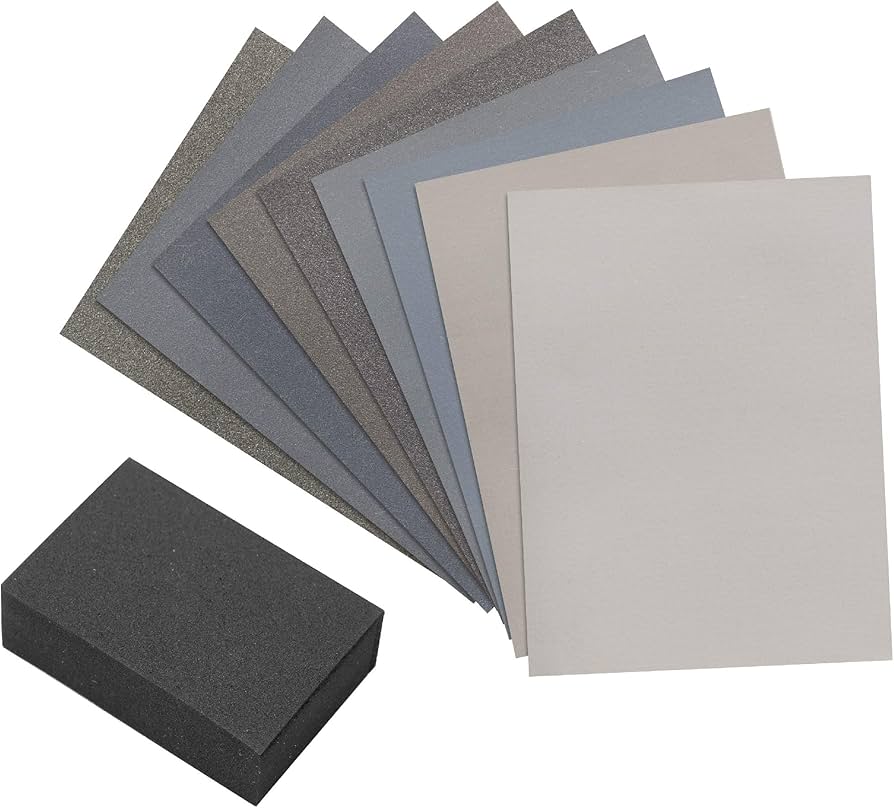
Micro-Mesh 31631 Regular Grit 9" x 11" Sheets (Assortment)
Superior progressive grits (1500-12000) for scratch-free mirror finishes on hard metals.
Best for: Ideal for stainless/aluminum panels; wet/dry use.
Price Range: $25-$35
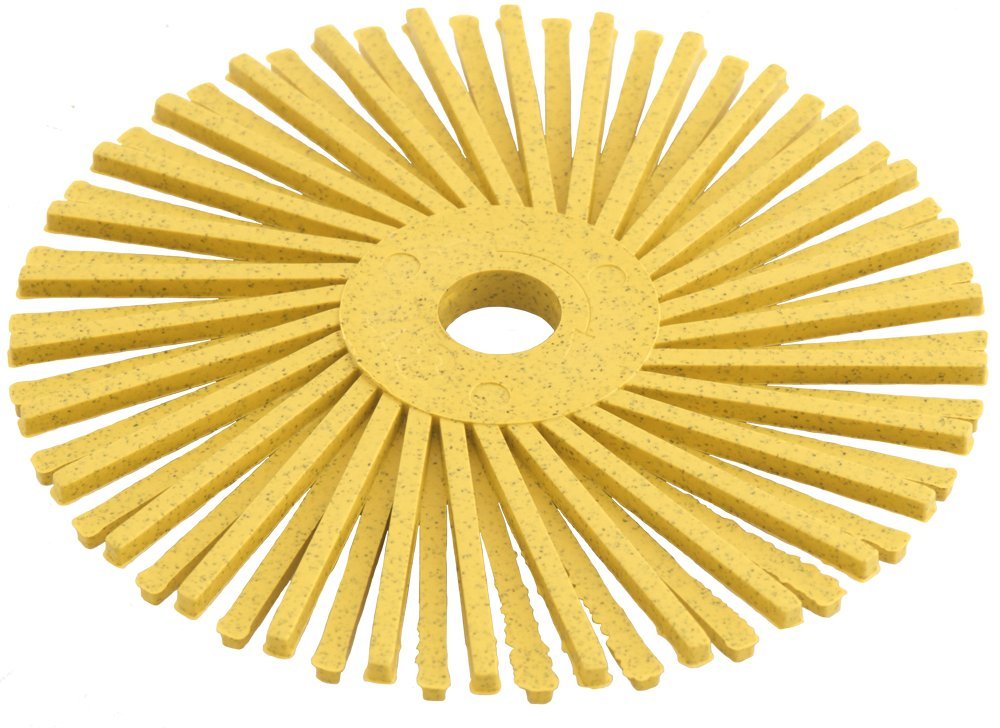
3M Scotch-Brite Radial Bristle Disc RB-zB (Medium)
Non-woven design deburrs and blends without gouging, perfect grit bridge.
Best for: Finishing welds or edges before fine polish.
Price Range: $20-$30
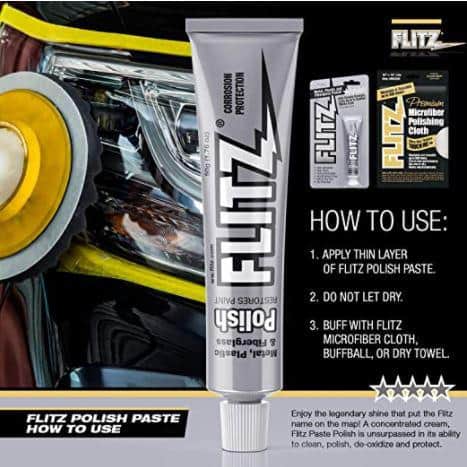
Flitz BP03511 Polish Paste
Fine abrasive paste cuts micro-scratches and adds protection in one step.
Best for: Final buff on all metals for jeweler's shine.
Price Range: $14.99
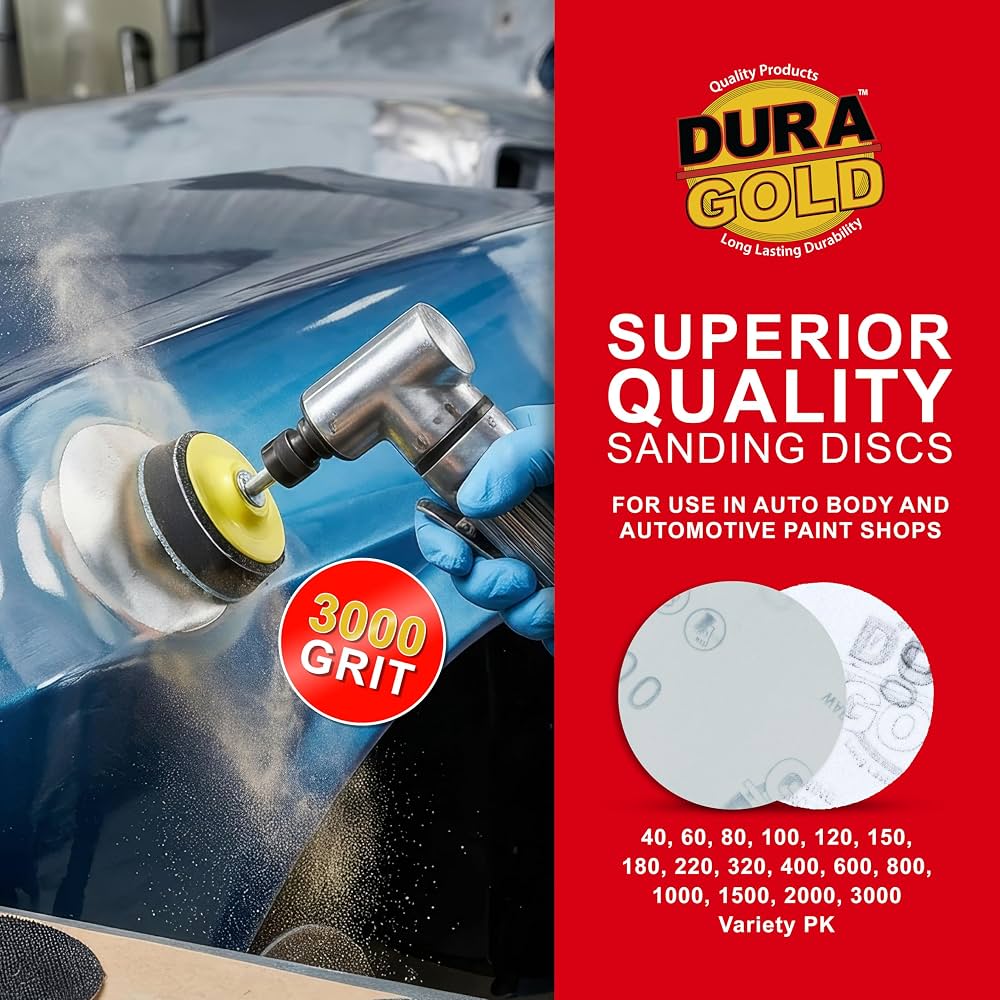
Dura-Gold 4.5" Hook & Loop Discs (400-3000 Grit)
Premium PSA discs with consistent cut rate for pro results.
Best for: High-volume polishing on rotary tools.
Price Range: $20-$40
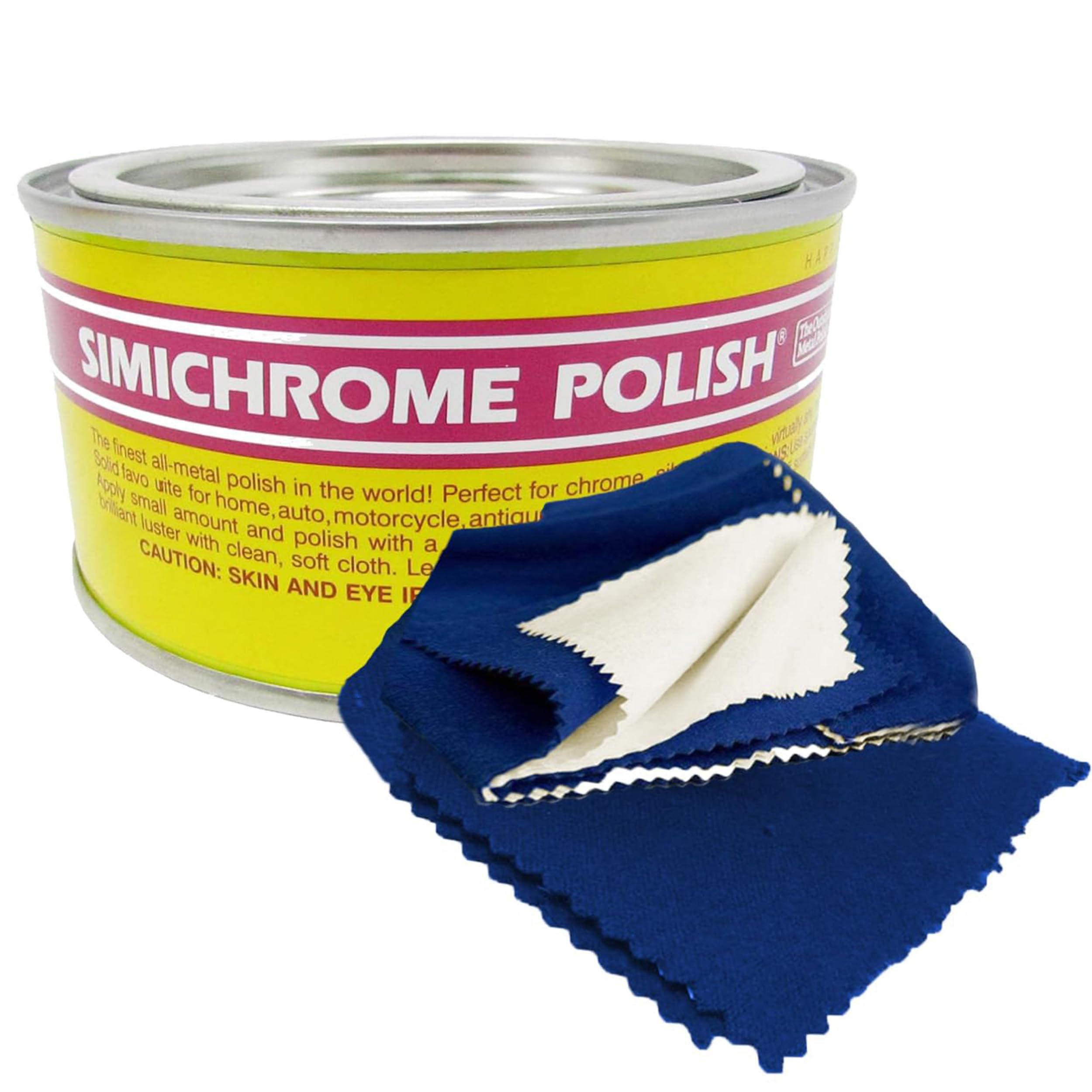
Simichrome Polishing Compound
Ultra-fine polish prevents oxidation, safe for soft metals like brass.
Best for: Maintenance shine on finished pieces.
Price Range: $15