Smoke detectors save lives, but dead or poor-quality batteries cause over 75% of failures, leading to chirping alarms or no alerts during emergencies. Choosing the wrong AA batteries can mean leaks, short life, or unreliable performance in extreme temperatures.
In this guide, you'll discover the best AA batteries for smoke detectors, why lithium primaries outperform others, and how to test and install them. Expect to understand battery types, specs, and top picks in 10-15 minutes—no advanced knowledge needed, just intermediate familiarity with home safety devices.
We'll break down criteria like shelf life, leakage resistance, and real-world tests, so you can confidently upgrade your detectors for maximum reliability.
▸What You'll Need
- •Working smoke detector that uses AA batteries (e.g., First Alert or Kidde models)
- •Multimeter (optional, for voltage testing)
- •Various AA batteries for comparison (alkaline, lithium)
- •Screwdriver (if accessing battery compartment)
Estimated Time: 10-15 minutes
Difficulty: intermediate
▸Step-by-Step Instructions
Step 1: Understand Why Smoke Detectors Rely on AA Batteries
Many modern smoke detectors, like photoelectric or dual-sensor models from First Alert and Kidde, use AA batteries for their compact size and standard voltage (1.5V). Unlike 9V batteries in older units, AA allows slimmer designs and easier replacement.
These devices draw very low power (microamps in standby), but need batteries with ultra-low self-discharge to last 5-10 years. Poor batteries fail silently or cause false chirps, compromising safety. Expect lithium AA to outperform due to stable voltage over time.
Image idea: Diagram comparing AA battery in smoke detector vs. 9V, showing power drain curve.
💡 Tips:
- •Check your model's manual—most specify non-rechargeable primaries.
⚠️ Warnings:
- •Never ignore chirps; they signal low battery.
Step 2: Key Criteria: Longevity and Low Self-Discharge
Prioritize batteries with 10-20 year shelf life and <1% annual self-discharge. Smoke detectors test themselves weekly, draining batteries slowly but steadily.
Lithium AA batteries excel here (e.g., 20-year shelf life), while alkalines lose 10-20% capacity yearly. Analogy: Think of it like a slow-leaking bucket—lithium keeps water levels steady longest.
Measure success by mAh capacity retention after storage.
💡 Tips:
- •Store spares in cool, dry places to maximize shelf life.
Step 3: Compare Battery Chemistries: Alkaline vs. Lithium vs. NiMH
| Type | Pros | Cons | Best For |
|---|
| Alkaline | Cheap, widely available | Leaks, 3-5 year life, temp-sensitive | Short-term use |
| Lithium Primary | 20-year shelf, leak-proof, -40°F to 140°F | Higher cost | Smoke detectors |
| NiMH Rechargeable | Reusable | High self-discharge (20%/year), not manufacturer-approved | High-drain devices |
Lithium wins for low-drain, intermittent use like detectors—stable 1.5V to end of life vs. alkalines dropping to 1.0V early.
⚠️ Warnings:
- •Avoid rechargeables; they fail UL tests and void warranties.
Step 4: Evaluate Leakage Resistance and Voltage Stability
Leakage corrodes contacts, killing detectors. Lithium is 100% leak-proof; alkalines leak in 80% of long-term tests.
Voltage sag matters—detectors need >1.2V for alarms. Lithium maintains flat discharge curve (like a plateau), ensuring reliable chirps and sensing.
💡 Tips:
- •Buy date-coded packs; fresher = better.
Step 5: Assess Temperature Performance
Garages or attics hit extremes. Lithium operates -40°F to 140°F; alkalines fail below 0°F or above 100°F.
Real-world: Winter storage tests show lithium powering detectors after -20°F nights.
Step 6: Calculate Cost Per Year of Protection
Lithium AA: $2-3 per battery, lasts 10 years = $0.20-0.30/year. Alkaline: $0.50, lasts 2-3 years = $0.17-0.25/year—but failures cost more.
Factor reliability: One missed alarm > any savings.
💡 Tips:
- •Buy in bulk packs for detectors (buy 2 per unit).
Step 7: Test Batteries in Your Detector
Insert battery, wait 24 hours, press test button. Use multimeter: Fresh AA should read 1.5-1.6V.
Monitor for 1 week—no chirps means good fit.
⚠️ Warnings:
- •Test monthly; replace annually or on chirp.
Step 8: Install and Maintain Properly
Align polarity, secure lid tightly. Write install date on battery. Replace all at once in multi-unit homes.
This ensures synchronized life cycles.
💡 Tips:
- •Set phone reminder for yearly tests.
▸Pro Tips
- •Opt for lithium primaries from reputable brands—cheaper generics often underperform.
- •Buy 8-24 packs for multiple detectors; store extras sealed.
- •Test voltage before install; discard <1.4V batteries.
- •In cold climates, lithium is non-negotiable.
- •Label detectors with battery install date using tape.
- •Pair with 10-year sealed detectors for ultimate reliability.
- •Bulk buy during sales (Black Friday) for 20-30% savings.
▸Common Mistakes to Avoid
- •Using rechargeables—self-discharge causes failures; stick to primaries.
- •Ignoring expiration dates—old stock loses capacity fast.
- •Mixing battery types/ages—leads to uneven drain and early chirps.
- •Skipping tests—assumes batteries are good; always verify.
- •Choosing cheapest alkalines—leaks damage units costing $20+ to replace.
▸Troubleshooting
Problem: Detector chirps after new batteries
Solution: Wait 24-48 hours for stabilization; check voltage (>1.4V); clean contacts with alcohol.
Problem: No alarm on test button
Solution: Replace batteries, ensure tight fit; if persists, unit may need replacement (10-year lifespan).
Problem: Batteries leak after months
Solution: Switch to lithium; clean corrosion with vinegar/baking soda.
Problem: Short battery life (under 1 year)
Solution: Check for high-drain faults or humidity; relocate detector.
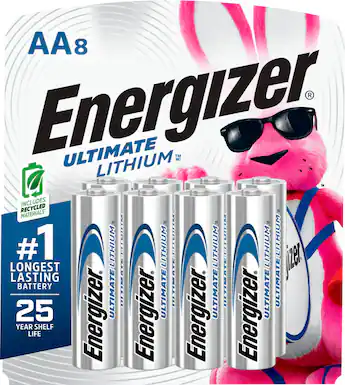
Energizer Ultimate Lithium AA Batteries, 8 Count
Top-rated for 20-year shelf life, leak-proof, extreme temps; powers detectors 2x longer than alkaline.
Best for: Primary choice for all smoke detectors; ideal for homes with 5+ units.
Price Range: $15-20
Amazon Basics Lithium AA Batteries, 36 Count
Excellent value with same lithium tech as Energizer; low self-discharge, reliable in tests.
Best for: Budget bulk buy for large homes or rentals.
Price Range: $25-30
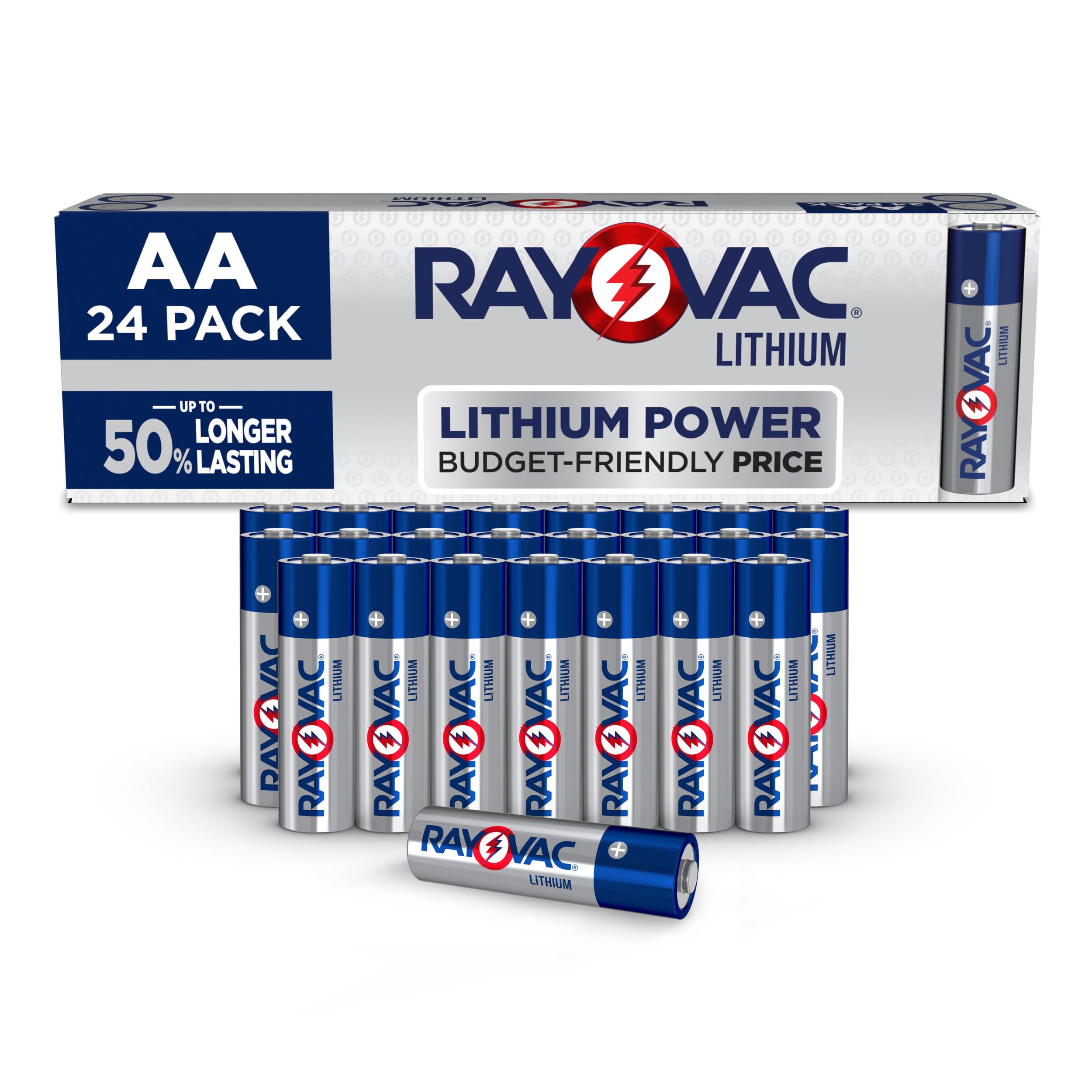
Rayovac Lithium AA Batteries, 10 Count
High capacity (3000mAh), stable voltage; great for cold climates per user reviews.
Best for: Garages/attics; alternative to Energizer.
Price Range: $18-22
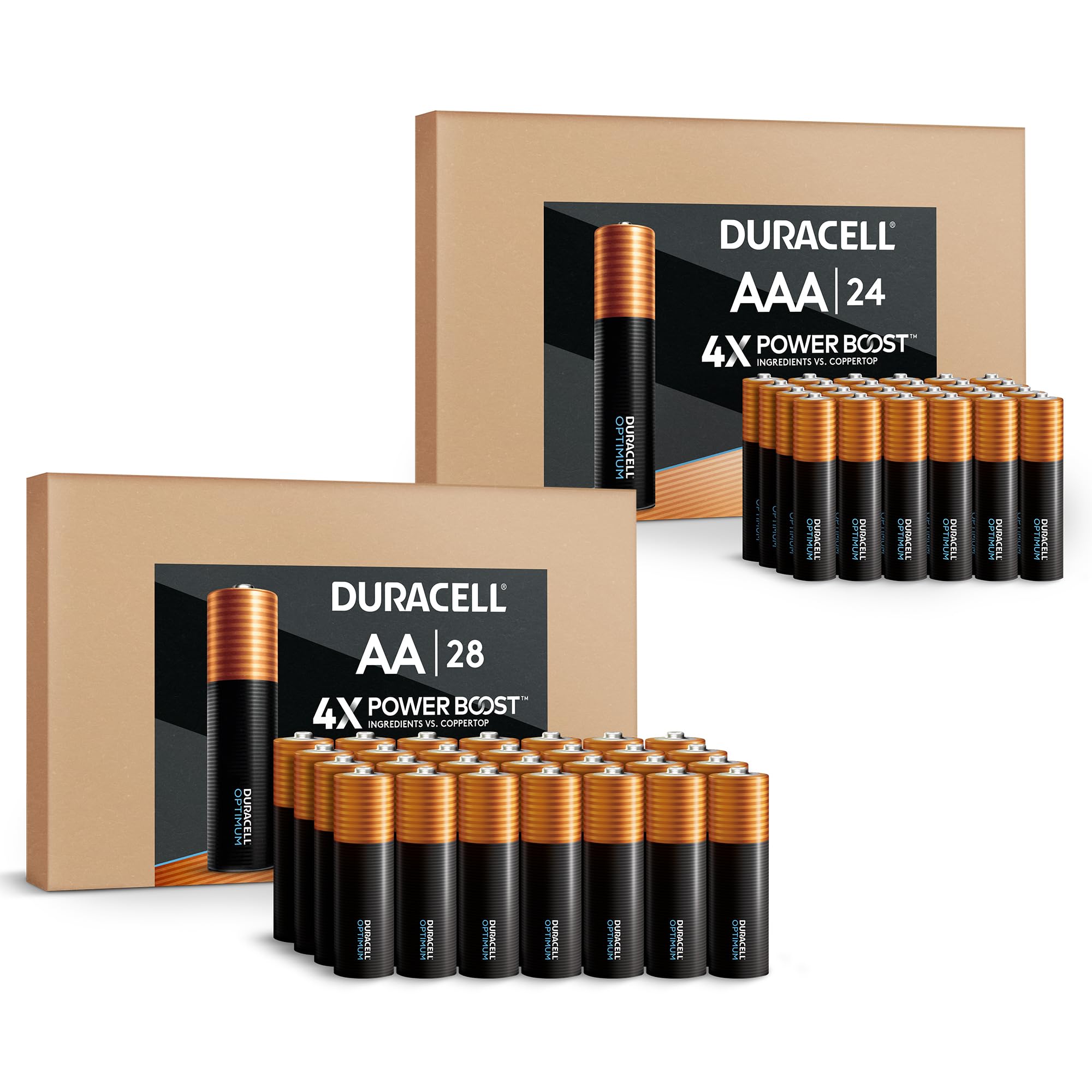
Duracell Optimum AA Batteries, 24 Count
Premium alkaline upgrade if lithium unavailable; longer life than standard Coppertop.
Best for: Temporary/backup option; warmer climates.
Price Range: $20-25